

Quick Summary
- AI chip market is growing rapidly in 2026 due to AI demand.
- Major players include NVIDIA, AMD, and Intel.
- Advances focus on efficiency, power, and integration.
- Emerging startups are disrupting traditional vendors.
- Global chip shortages impact supply and prices.
- Future trends point toward specialized AI accelerators.
The AI chip market in 2026 is witnessing explosive growth, driven by AI's expanding role in everything from data centers to consumer devices. As demand skyrockets, chipmakers race to develop faster, more efficient processors tailored for AI workloads.
This surge is reshaping the semiconductor landscape, with new entrants challenging legacy giants and technological breakthroughs pushing the boundaries of what AI hardware can achieve. Understanding these shifts is crucial for industry watchers and consumers alike.
AI chip market 2026: Trends, Drivers, and Industry Shifts
The AI chip industry in 2026 is marked by rapid innovation and increasing adoption across sectors like healthcare, automotive, and cloud computing. The rise of generative AI models and large language models (LLMs) fuels demand for specialized hardware, prompting giants like NVIDIA and AMD to accelerate their R&D efforts.
Meanwhile, startups such as Graphcore and Cerebras are gaining ground with novel architectures optimized for AI training and inference. The market's growth is also driven by the chip shortages of 2021-2022 finally easing, allowing supply chains to catch up with demand.
In addition, the push for energy-efficient chips that deliver high performance without excessive power consumption is reshaping design priorities. Governments and large corporations are investing heavily in domestic chip manufacturing to reduce reliance on geopolitical risks and supply chain vulnerabilities.
For a comprehensive view, see our deep dive into AI chip advancements in 2026.
Key Facts About 2026 AI Chip Market
- Market size exceeds $50 billion, with double-digit growth expected.
- NVIDIA remains the market leader with over 60% share in AI GPUs.
- Emerging startups are introducing innovative architectures.
- Global supply chain disruptions are easing but still influence prices.
- Energy efficiency and integration are top design priorities.
"The AI hardware landscape in 2026 is more competitive and innovative than ever, with new architectures driving efficiency and performance."
Industry Analyst
How are AI chips evolving in 2026?
AI chips in 2026 are evolving rapidly, focusing on specialized architectures like tensor cores, neuromorphic designs, and heterogeneous computing. These advancements enable faster processing of complex AI models while reducing power consumption.
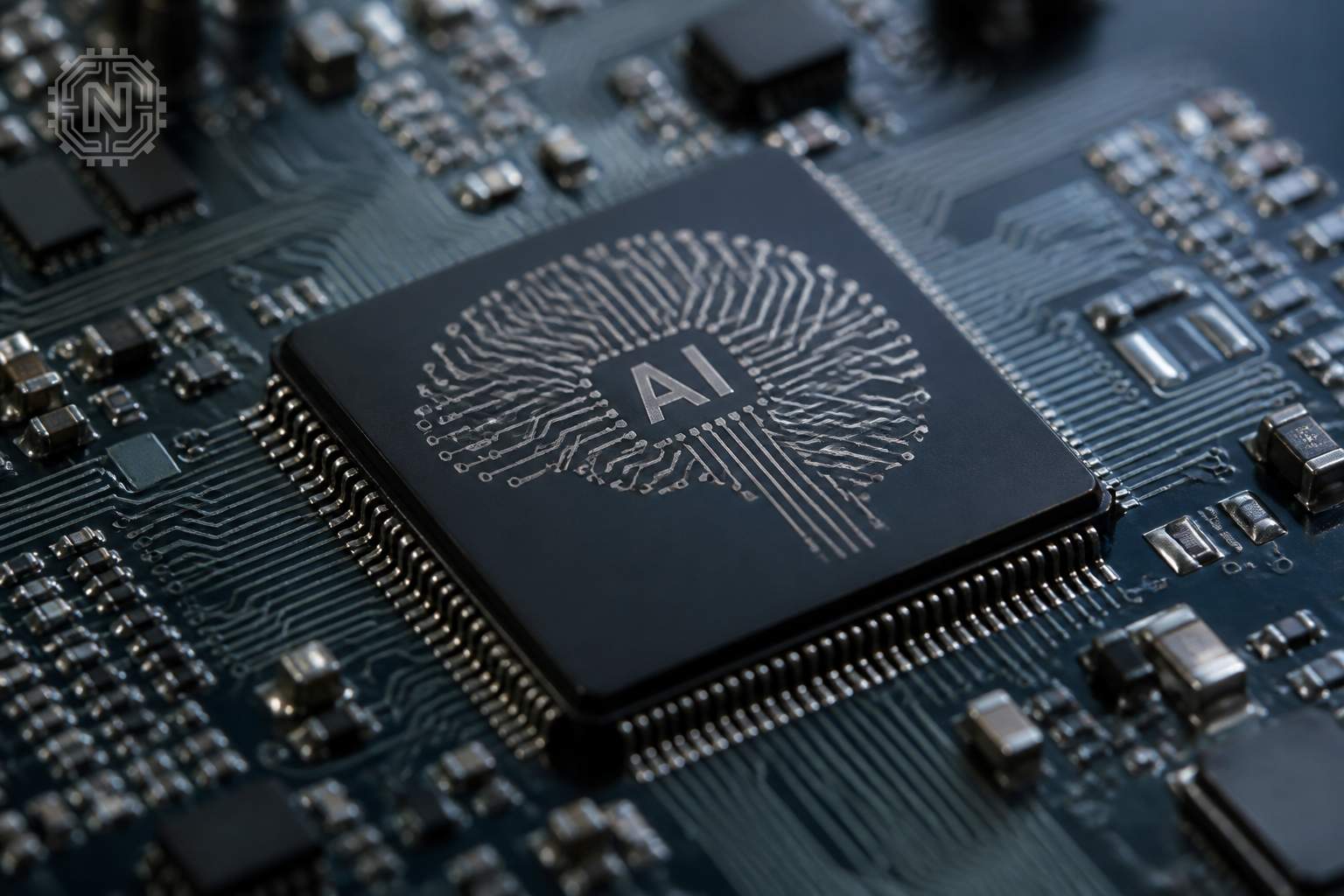
For example, Samsung and Qualcomm are developing AI-specific processors for mobile and edge devices, emphasizing low latency and energy efficiency.
Deep learning accelerators now incorporate AI-optimized memory hierarchies, and custom instruction sets are becoming standard to maximize throughput. These innovations allow AI models to run more efficiently on both data centers and edge hardware.
Learn more about this evolution in our article on Google Gemini 3.8 Flash AI models.
Why AI Chip Innovation Matters in 2026
- Enables faster AI training and inference at scale.
- Reduces energy consumption, lowering operational costs.
- Supports the deployment of more complex AI models.
- Drives growth in AI-powered applications across industries.
Who are the key players shaping the 2026 AI chip market?
NVIDIA continues to dominate with its latest A100 and H100 GPUs, heavily used in data centers and AI research. AMD has launched its MI300 series, aiming to challenge NVIDIA's market share in high-performance computing.
Intel is investing heavily in its Habana and Movidius lines to expand AI capabilities in edge devices. startups like Cerebras, Graphcore, and SambaNova are gaining recognition for their innovative chip designs tailored for AI workloads.
Government-backed initiatives, such as the CHIPS Act in the U.S., are also accelerating domestic manufacturing efforts, reducing reliance on Asian suppliers and fostering innovation hubs across North America and Europe.
Explore more about these companies in our detailed profiles at Tech News."The competitive landscape in 2026 is defined by rapid innovation and strategic investments by both established giants and startups."
Market Expert
Implications of the 2026 AI chip boom for consumers and industry
For consumers, the proliferation of AI chips means smarter devices, faster processing, and longer battery life, especially in smartphones and IoT devices.
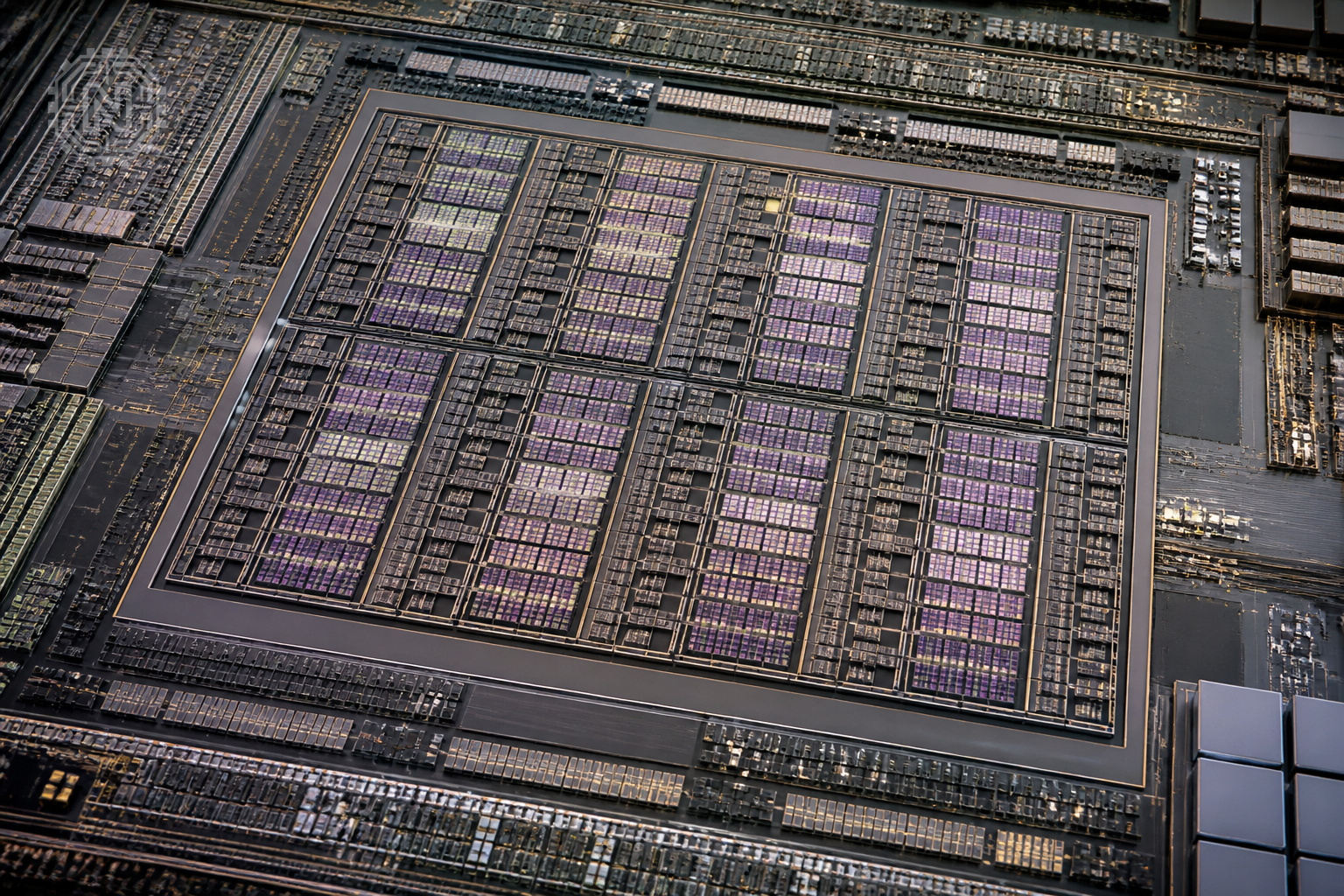
Industries benefit from AI hardware by enabling real-time analytics, autonomous systems, and personalized services. Cloud providers are deploying advanced AI chips to handle increasing workloads efficiently.
However, supply chain constraints and rising costs could impact product pricing and availability. Companies are also navigating concerns about AI hardware security and data privacy.
To understand how these trends affect your tech, see our guide on AI chatbot privacy in 2026.Pros and Cons of the 2026 AI Chip Boom
- Pro: Faster AI processing enabling new applications.
- Con: Supply chain disruptions still pose risks.
- Pro: Energy-efficient designs reduce operational costs.
- Con: Rising costs may affect device prices.
What does the future hold for AI chips beyond 2026?
Looking ahead, AI chips will become even more specialized, with architectures tailored for specific tasks like natural language understanding, robotics, and medical diagnostics.
Quantum computing integration and advanced photonic chips could also play a role in future AI hardware, pushing performance boundaries further.
Major industry players are investing in next-gen materials and fabrication techniques to sustain Moore's Law and meet the growing demand for AI processing power.
Stay updated with our coverage of future AI chip innovations.Future Outlook for AI Chips
- Increased use of AI-specific hardware accelerators.
- Potential integration with quantum and photonic computing.
- Continued growth driven by AI applications in all sectors.
- Focus on sustainability and energy efficiency.
Editorial Sources
Conclusion
The AI chip market in 2026 is at a pivotal point, marked by intense innovation and expanding adoption. As the industry evolves, staying informed about key players, technological breakthroughs, and market trends will be crucial for stakeholders and consumers alike.
Frequently Asked Questions
What is driving the growth of the AI chip market in 2026?
Demand for advanced AI applications across industries and technological breakthroughs are fueling market expansion.
Who are the main companies leading the AI chip industry in 2026?
NVIDIA, AMD, Intel, and startups like Cerebras are key players shaping the market.
What technological innovations are most prominent in AI chips today?
Specialized architectures like tensor cores, neuromorphic designs, and energy-efficient processors dominate.
How does supply chain disruption affect the AI chip industry?
It causes delays and price increases, but easing shortages are improving availability.
Are AI chips becoming more energy-efficient?
Yes, energy efficiency is a top priority, enabling longer battery life and lower operational costs.
What are the future trends for AI hardware beyond 2026?
Expect more specialized architectures, quantum integration, and sustainability-focused designs.
How does the AI chip market impact consumers?
It leads to smarter devices, faster processing, and enhanced AI-powered services.
What are the main challenges facing the AI chip industry today?
Supply chain issues, rising costs, and security concerns are key challenges. For more on Tech News, explore Newtechzy. You can also review our Privacy Policy and Cookie Policy, or learn more About us.
Related Topics
Stay ahead of the AI hardware curve by exploring the latest industry insights and updates. Sign up for our newsletter or contact us to learn more.
Start Your Journey Today!


