


Quick Summary
- Battery life has improved but varies widely across models.
- Manufacturers focus on fast charging and energy-efficient chips.
- Battery health degrades over time, affecting longevity.
- Software updates can extend battery performance.
- Future tech aims for even longer-lasting batteries.
- User habits significantly impact daily battery life.
In 2026, smartphone battery life continues to be a top concern for users and manufacturers alike. While new models boast larger capacities and smarter energy management, many still struggle to last a full day under heavy use. This article examines the latest trends, what consumers can expect, and practical tips to maximize battery longevity.
As smartphones become more integral to daily life, understanding how long their batteries last and how to optimize their performance is more important than ever. From hardware advancements to software tricks, here's what you need to know about smartphone battery life in 2026.
Smartphone Battery Life in 2026: Background and Current Trends
Battery technology has seen incremental improvements over the past few years, driven by advancements in lithium-ion and solid-state batteries. Today, flagship devices like the latest foldables and premium smartphones offer capacities exceeding 5,000mAh, promising longer use between charges.
Despite larger batteries, the demand for high-refresh-rate displays, 4K video streaming, and AI-powered apps continues to drain power faster. Manufacturers like Samsung, Apple, and Xiaomi are deploying more energy-efficient chips and adaptive refresh rates to help stretch battery life.
According to Google's battery management guidelines, software optimization remains crucial. Regular updates improve power efficiency, but user habits still play a vital role in daily battery longevity.
Many users report that their phones now last from 12 to 24 hours under typical use, depending on the model and usage patterns. The focus on fast charging and wireless charging also means users can replenish power quickly when needed, reducing the impact of shorter battery spans.
Key Battery Trends in 2026
- Flagship phones now feature batteries over 5,000mAh.
- Solid-state batteries are beginning to appear in premium models.
- Software optimization extends battery life significantly.
- Fast and wireless charging have become standard.
- Battery health management is more sophisticated than ever.
"Battery longevity remains a balancing act between capacity, efficiency, and user habits. Manufacturers are making strides, but user practices still matter most."
Senior Tech Analyst
How much does smartphone battery life vary across models in 2026?
Battery life varies widely depending on device hardware, software efficiency, and user behavior. Premium models like the latest foldables and flagship smartphones typically last longer, often reaching 15-20 hours of screen time.
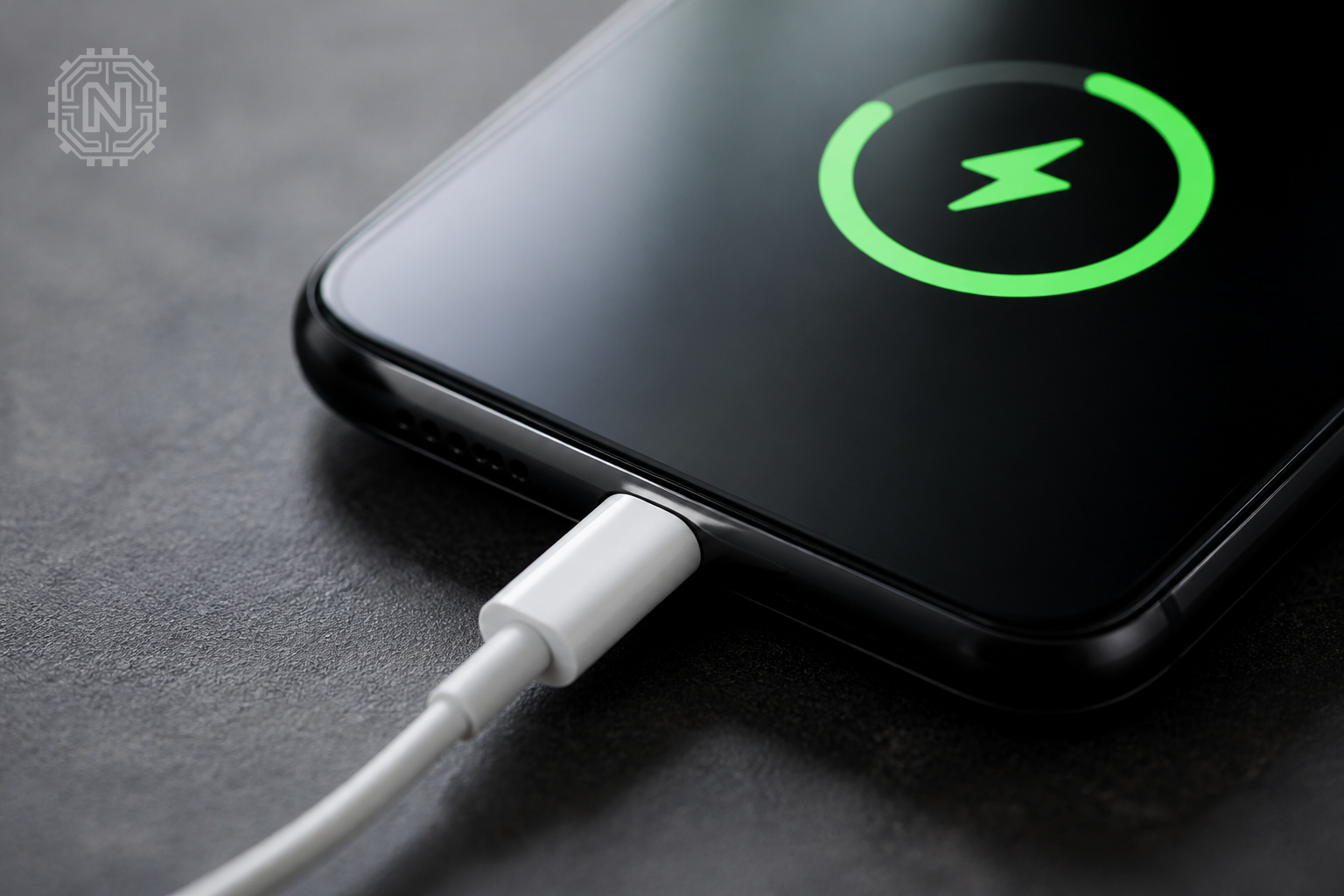
Mid-range phones tend to offer 10-15 hours, while budget devices may struggle to reach even 8 hours under heavy use. Factors like display technology, processor efficiency, and battery capacity all influence these differences.
For example, the iPhone 14 Pro offers around 17 hours of video playback, thanks to its A16 Bionic chip and efficient OLED display. In contrast, some Android devices with larger batteries but less optimized software may deliver similar or slightly lower longevity.
Choosing a device with a balance of hardware and software optimization is key. Reading reviews and user reports can provide real-world insights into actual battery performance.
Battery Capacity vs. Real-World Use
- Higher capacity doesn't always mean longer lasting due to efficiency factors.
- Optimized software can significantly improve battery longevity.
- Fast charging reduces downtime but doesn't replace long-lasting batteries.
"Battery capacity is just one part of the story; how the device manages power is equally important."
Battery Technology Expert
What are the latest innovations in smartphone batteries for 2026?
Solid-state batteries are beginning to appear in the most premium models, promising higher energy density and faster charging. Companies like Samsung and Toyota are investing heavily in this technology, aiming for commercial rollout soon.
Graphene-based batteries are also under development, potentially offering rapid charging and longer lifespan. These innovations could redefine what users expect from their smartphone batteries in the coming years.
Additionally, AI-powered power management systems now adapt more intelligently to user habits, extending battery life without sacrificing performance. For example, Apple's iOS updates now include more aggressive energy-saving modes.
While these innovations are promising, widespread adoption in mainstream devices might take a few years. Still, early models with solid-state batteries are expected to debut in late 2026 or early 2027.
Future of Smartphone Batteries
- Solid-state batteries could double current energy densities.
- Faster charging reduces user inconvenience.
- Longer lifespan decreases electronic waste.
"Battery innovation is crucial for sustaining the growth of mobile technology and reducing environmental impact."
Lead Researcher, Battery Tech Lab
Why does battery health matter and how can I maintain it?
Battery health declines over time due to chemical aging and repeated charge cycles. Maintaining good battery health ensures your device lasts longer between charges and retains resale value.
Simple practices like avoiding extreme temperatures, not letting the battery fully discharge regularly, and using official chargers can extend battery lifespan. Many devices now include built-in health monitoring features to help users keep track.
For instance, Samsung's device care app provides battery health status and tips for preservation. Regular software updates also optimize power management and help prevent unnecessary drain.
Replacing batteries in older devices can restore lost longevity, but prevention remains the best strategy. Keeping your battery healthy reduces the frequency of replacements and prolongs device usability.
Battery Health Tips
- Avoid extreme heat and cold exposure.
- Don't let the battery fully discharge regularly.
- Use official chargers and cables.
- Regularly update device software for optimal power management.
"Good battery health practices can significantly extend your device's lifespan and save money."
Mobile Device Expert
What does the future hold for smartphone battery technology?
Looking ahead, innovations like solid-state batteries and graphene supercapacitors promise to push battery performance beyond today's limits. These technologies aim to deliver longer use, faster charging, and improved safety.
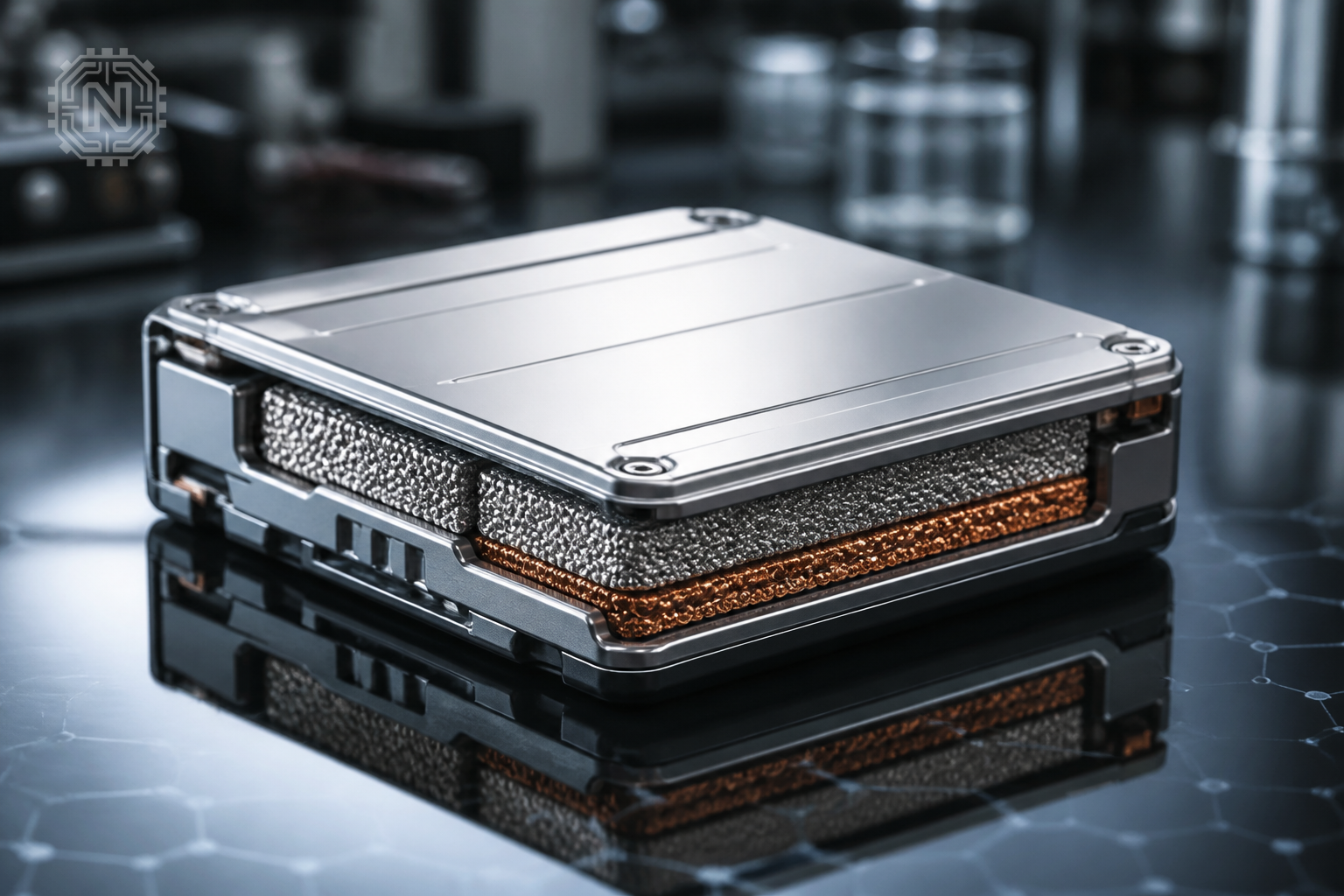
Manufacturers are also exploring flexible and transparent batteries to integrate into more innovative device designs. Meanwhile, AI-driven power management will become even smarter, optimizing energy use in real time.
Experts predict that by 2030, we could see batteries capable of lasting multiple days on a single charge, with rapid recharge times of just minutes. Such advances will keep pace with increasing device capabilities and user expectations.
Stay tuned to industry leaders' announcements and research publications to watch these breakthroughs unfold. The ongoing evolution of battery tech remains central to mobile innovation.
Next-Gen Battery Tech
- Longer-lasting batteries will reduce charging frequency.
- Faster charging enhances user convenience.
- New materials improve safety and lifespan.
"Battery technology is on the cusp of a new era, promising to reshape mobile device use."
Chief Scientist, Future Battery Labs
Conclusion: Maximizing Your Smartphone's Battery Life in 2026
While advancements in battery capacity and technology are ongoing, user habits remain crucial. Simple steps like managing screen brightness, closing unused apps, and updating software can make a noticeable difference.
Investing in devices with efficient energy management and staying informed about new battery tech can also help extend your smartphone's daily usability. As innovation continues, expect even better longevity and faster charging in the near future.
Ultimately, understanding how your device's battery works and adopting best practices ensures you get the most from your smartphone in 2026 and beyond.
Editorial Sources
Conclusion
Battery life remains a critical aspect of smartphone usability in 2026, with ongoing innovations promising longer-lasting, faster-charging devices. Meanwhile, user habits and maintenance practices play an essential role in maximizing longevity. Staying informed and adopting smart power management strategies will ensure your device keeps up with your daily demands.
Frequently Asked Questions
How long does a typical smartphone battery last in 2026?
Most flagship smartphones now last between 12 to 20 hours of active use, thanks to larger batteries and energy-efficient hardware.
Can software updates improve my phone's battery life?
Yes, regular updates include optimizations that improve power management, helping extend battery longevity.
What is solid-state battery technology and when will it be common?
Solid-state batteries use a solid electrolyte for higher energy density and safety, expected to debut in premium models by late 2026.
How can I extend my smartphone's battery health?
Avoid extreme temperatures, use official chargers, and don’t fully drain your battery regularly to preserve health.
Are fast chargers safe for my smartphone battery?
When used properly, fast chargers are safe and reduce charging time, but frequent use can generate more heat, affecting long-term health.
What future battery tech might appear in smartphones?
Technologies like graphene batteries and supercapacitors are in development, promising even faster charging and longer lifespan.
Does screen brightness affect battery life?
Yes, reducing screen brightness can significantly extend daily battery usage, as displays are the biggest power drain.
How important is battery capacity versus efficiency?
Efficiency often matters more; a smaller, well-optimized battery can outperform a larger, less efficient one. For more on Gadgets, explore Newtechzy. You can also review our Privacy Policy and Cookie Policy, or learn more About us.
Related Topics
Explore the latest in smartphone tech and learn how to optimize your device's performance. Stay ahead with our expert tips and updates.
Start Your Journey Today!


