

Quick Summary
- AI chip sales are surging in 2026, driven by AI workloads and hardware advances.
- Major players like NVIDIA, AMD, and Intel are investing heavily in AI hardware.
- New AI chip architectures are improving efficiency and reducing latency.
- Industry experts see a shift towards specialized AI accelerators.
- Supply chain issues are impacting chip production and prices.
- Future trends include increased integration of AI chips in mainstream devices.
The AI chip market in 2026 is at a pivotal point, with rapid technological advances and rising demand for AI-powered applications. Major semiconductor companies are racing to develop more efficient, powerful chips to meet AI workloads that are growing exponentially.
This surge is driven by breakthroughs in chip architecture, increased AI adoption across industries, and geopolitical shifts impacting supply chains. Understanding these trends helps grasp where the industry is headed and how it might reshape computing in the coming years.
AI chip market 2026: Background and Industry Landscape
The AI chip market has evolved significantly over the past few years, moving from specialized research to mainstream deployment. Companies like NVIDIA and AMD have led the charge, launching dedicated AI accelerators that outperform traditional CPUs in AI tasks.
In 2026, the industry is witnessing a transition towards more specialized hardware designed specifically for deep learning, NLP, and computer vision. This shift is driven by the need for higher efficiency, lower power consumption, and faster processing times.
Supply chain disruptions, partly due to geopolitical tensions and chip shortages, have temporarily constrained the market but also spurred innovation in alternative manufacturing and design strategies. Industry standards are also evolving rapidly, with organizations like SEMI setting new benchmarks for AI chip performance and reliability.
For a deeper dive into AI hardware trends, see our article on AI hardware acceleration 2026.
Key Industry Facts
- Major players are investing billions into AI chip R&D in 2026.
- AI-specific chips now account for over 60% of new semiconductor production.
- Supply chain issues are causing a 15-20% increase in chip prices.
- New architectures reduce latency by up to 40% compared to previous models.
"The industry is moving towards highly specialized AI chips that deliver unmatched performance and efficiency."
Senior Analyst, TechInsights
What are the core mechanics of modern AI chips?
Modern AI chips are built around architectures optimized for parallel processing, such as tensor cores and custom accelerators. These enable faster matrix operations essential for deep learning.
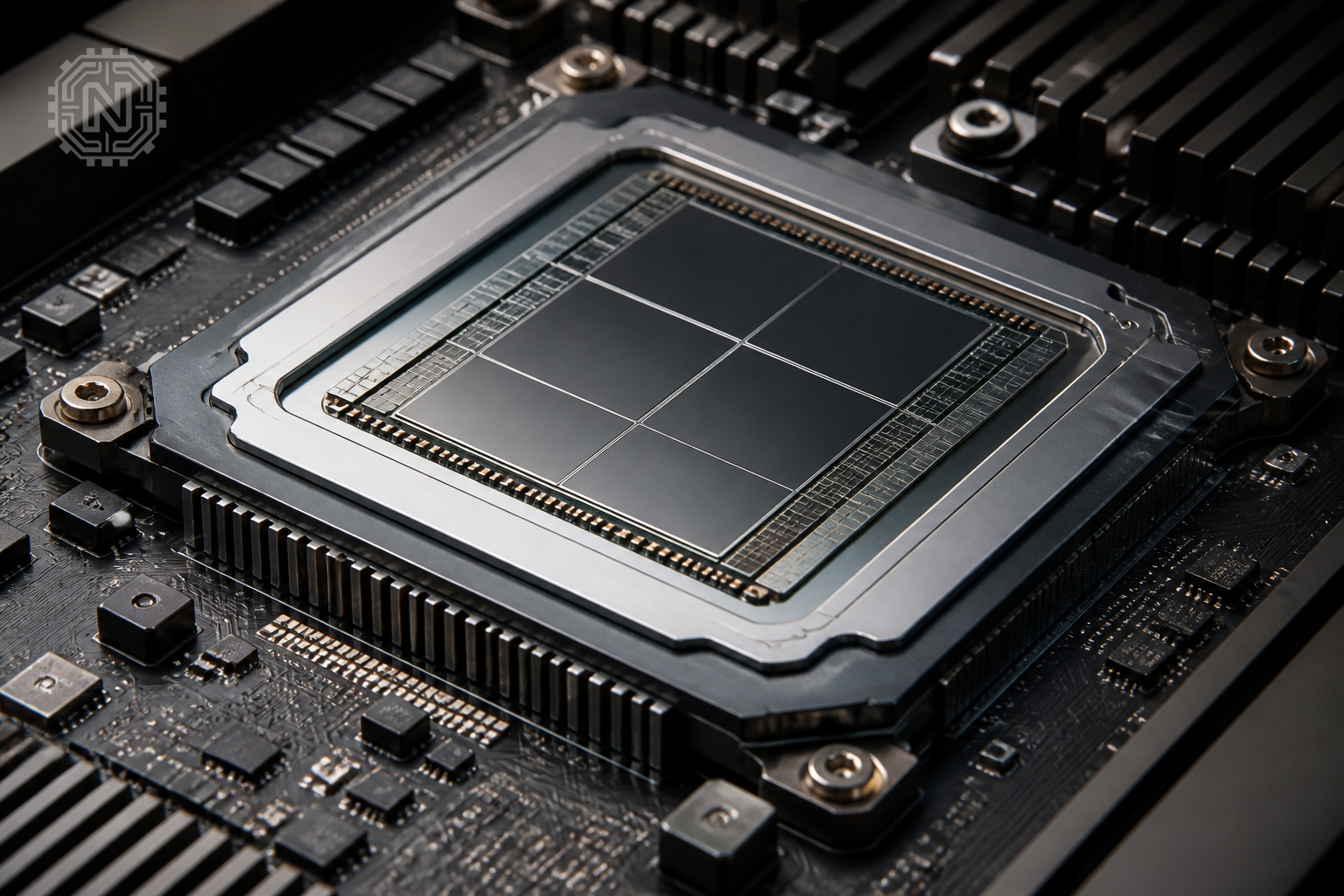
Design innovations like 3D stacking, high-bandwidth memory, and integrated AI cores boost throughput and reduce power consumption.
Manufacturers are increasingly adopting chiplets—modular components assembled into a single package—to improve scalability and customization. This approach allows for rapid iteration and targeted performance tuning.
For technical specifics, see our guide on AI chip architecture.
Pros and Cons of New AI Chips
- High efficiency and speed in AI workloads.
- Lower latency for real-time applications.
- Increased power efficiency reduces operational costs.
- High manufacturing costs and complexity.
- Supply chain disruptions can delay deployment.
"The shift to custom AI accelerators is enabling unprecedented performance gains."
Chief Technology Officer, InnovateSemiconductors
How are industry leaders reacting to AI chip innovations?
Leading companies like Intel and NVIDIA are heavily investing in new architectures to stay competitive. They've announced multi-billion-dollar R&D budgets focused on AI hardware.
Startups and smaller players are entering the fray with innovative designs, often focusing on niche applications or energy-efficient solutions, challenging established giants.
Regulators and industry bodies are pushing for standards around AI chip security and interoperability, which could influence future designs.
For recent official statements, see NVIDIA's latest press releases.Why AI Chip Innovation Matters
- It drives faster, more efficient AI applications across sectors.
- Impacts the competitiveness of global tech giants.
- Influences supply chain stability and pricing.
- Shapes future AI capabilities and deployment scales.
"Innovation in AI chips is critical for sustaining AI growth and industry leadership."
Industry Analyst, TechMarketWatch
Practical implications and what to expect next
Businesses deploying AI solutions should prepare for faster, more efficient hardware that can handle larger models and real-time processing. Upgrading infrastructure now can provide a competitive edge.
Consumers might see AI-powered devices with integrated chips offering smarter features and lower power use. This could include smarter smartphones, autonomous vehicles, and IoT devices.
Supply chain resilience and continued investment in R&D will determine the pace of innovation and pricing trends. Expect more modular, customizable chips tailored for specific applications.
For ongoing updates, follow our coverage of AI chip advancements 2026.
Did You Know?
- AI chips are now integrated into many edge devices.
- Global AI chip market is projected to surpass $90 billion in 2026.
- Major supply chain disruptions have caused a 10% slowdown in chip shipments.
"Next-generation AI hardware will reshape how devices process information in real time."
Senior Industry Analyst, FutureTech
Why it matters: The future of AI hardware
The ongoing evolution of AI chips is set to redefine computing, enabling smarter, faster, and more efficient AI systems. This impacts industries from healthcare to autonomous driving, and even consumer electronics.
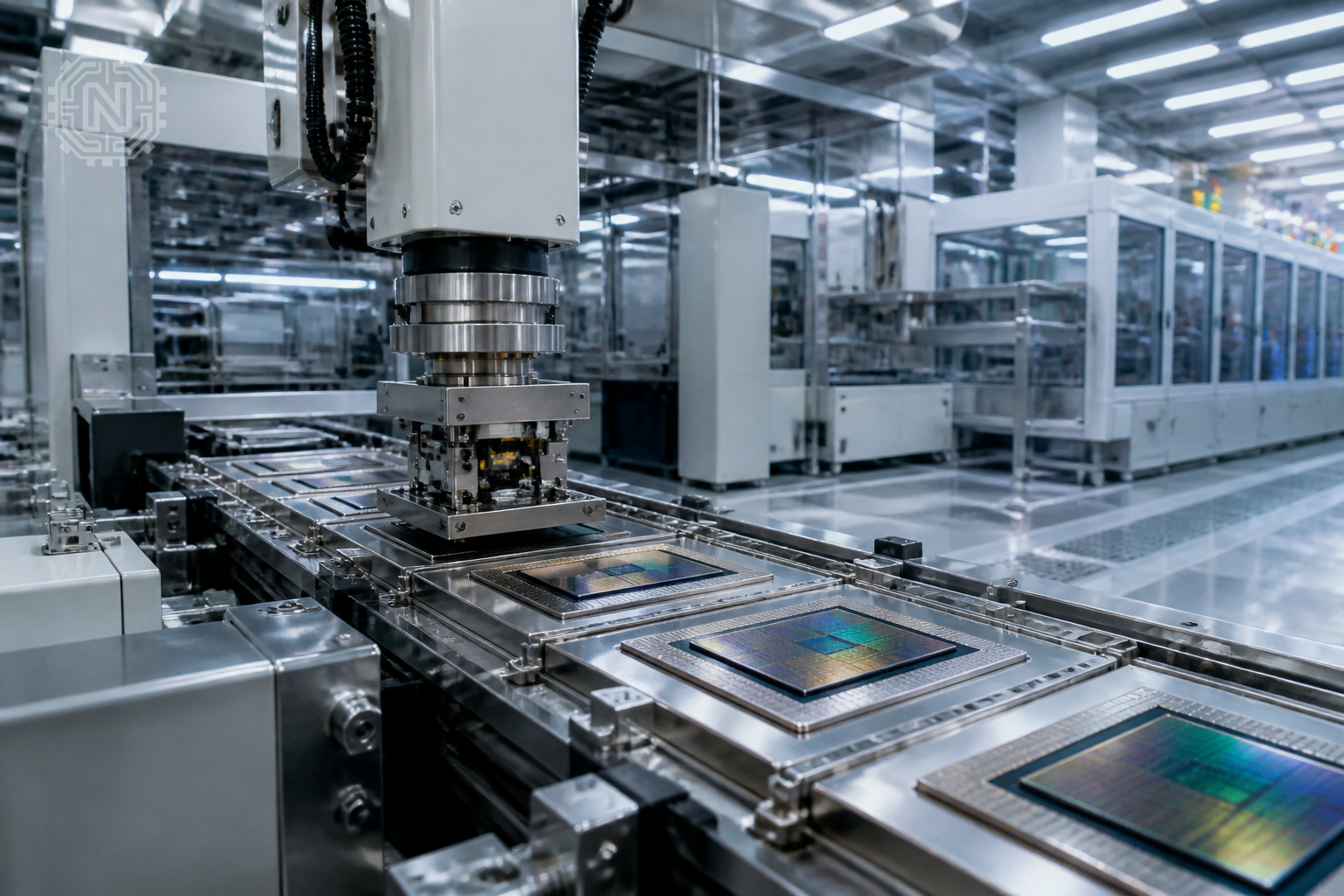
Investments in AI hardware R&D are expected to grow exponentially, with some estimates predicting a compound annual growth rate of over 20% through 2030.
As supply chains stabilize, prices are likely to decrease, making advanced AI hardware more accessible for startups and enterprises alike.
To stay competitive, companies must keep pace with these hardware innovations, integrating new chips into their AI workflows.
Future Outlook
- AI chip market expected to double by 2030.
- More specialized chips will dominate the industry.
- Global supply chain improvements will lower costs.
- AI hardware will become central to all computing devices.
"The next decade will see AI hardware become as fundamental as CPUs are today."
Tech Industry Expert
Comparison of key AI chips in 2026
| Chip Model | Core Architecture | Performance | Power Efficiency | Target Application |
|---|---|---|---|---|
| NVIDIA H100 | Tensor Cores, NVLink | Up to 20 TFLOPS | High | |
| AMD MI300 | Matrix Core, Infinity Fabric | 18 TFLOPS | Moderate | |
| Intel Ponte Vecchio | Xe-HPC, AI-optimized cores | 16 TFLOPS | High | |
| Google TPU v4 | Tensor Processing Units | 22 TFLOPS | Very High | |
| Graphcore IPU | Intelligent Processing Units | 15 TFLOPS | High |
Editorial Sources
Conclusion
The AI chip market in 2026 is characterized by rapid innovation, strategic investments, and evolving industry standards. As hardware advances continue to accelerate, businesses and consumers alike will benefit from smarter, faster, and more efficient AI-enabled devices and services. Staying informed on these trends is crucial for maintaining a competitive edge in the coming years.
Frequently Asked Questions
What are the leading AI chips in 2026?
NVIDIA H100, AMD MI300, Intel Ponte Vecchio, Google TPU v4, and Graphcore IPU are among the top AI chips in 2026.
How do AI chips improve performance?
They use specialized architectures like tensor cores and high-bandwidth memory to accelerate AI workloads and reduce latency.
Are AI chips becoming more affordable?
Prices are expected to decrease as supply chains stabilize and manufacturing scales increase, making advanced AI hardware more accessible.
What industries benefit most from AI chip advances?
Healthcare, automotive, data centers, robotics, and consumer electronics benefit significantly from faster, more efficient AI hardware.
How are supply chain issues affecting AI chip availability?
Disruptions have caused delays and price hikes, but innovation and diversification in manufacturing are helping mitigate these effects.
What is the future outlook for AI hardware?
The market is projected to double by 2030, with increasing specialization and integration into all computing devices.
How do new AI chips compare to traditional processors?
They offer higher performance for AI tasks and lower power consumption, unlike general-purpose CPUs.
What is the impact of AI chips on consumer devices?
AI chips enable smarter, more responsive devices with features like real-time language processing and autonomous capabilities. For more on Tech News, explore Newtechzy. You can also review our Privacy Policy and Cookie Policy, or learn more About us.
Related Topics
Explore how AI hardware advancements can transform your business. Stay ahead of industry trends by following our latest updates and expert insights.
Start Your Journey Today!


