

Quick Summary
- AI hardware acceleration is boosting AI model training and inference speeds.
- New chip architectures are driving efficiency and power savings.
- Major vendors like NVIDIA, AMD, and Intel are releasing specialized AI chips.
- Integration of AI hardware accelerators into data centers accelerates deployment.
- This trend is impacting AI research, industry applications, and cloud services.
- Future innovations will focus on energy efficiency and scalability.
In 2026, AI hardware acceleration continues to redefine the capabilities of artificial intelligence systems. As models grow larger and more complex, the need for faster, more efficient processing hardware becomes critical. Recent launches from industry giants demonstrate how specialized chips are pushing AI performance to new heights.
From data centers to edge devices, the acceleration of AI workloads is transforming everything from autonomous vehicles to real-time language translation. This article examines the key developments shaping AI hardware acceleration this year, the players involved, and what it means for the future of AI technology.
AI hardware acceleration in 2026: The core of AI performance gains
AI hardware acceleration refers to the use of specialized processors and architectures designed to expedite AI workloads, particularly neural network training and inference. In 2026, advancements in this area are driven by the need to handle increasingly complex models while maintaining energy efficiency and cost-effectiveness.
Leading companies like NVIDIA, AMD, and Intel are releasing new AI-specific chips, such as NVIDIA's H100 Tensor Core GPU, which boasts significant performance improvements over previous generations. These chips incorporate innovative features like tensor cores optimized for matrix operations, essential for deep learning tasks.
Beyond GPUs, new hardware architectures include custom AI accelerators integrated into FPGAs and ASICs, tailored for specific applications like natural language processing or image recognition. These developments are crucial for industries seeking faster, more energy-efficient AI deployment.
According to Google's AI blog, hardware acceleration is key to scaling AI models while controlling power consumption, especially in large-scale data centers.
Key Facts About AI Hardware Acceleration 2026
- Major chip vendors launched new AI accelerators in 2026.
- Focus on energy efficiency and high throughput.
- Integration into cloud and edge devices accelerates AI adoption.
- Specialized hardware reduces training time from weeks to days.
"The shift towards dedicated AI hardware accelerators is enabling unprecedented model complexity and speed."
Senior Industry Analyst
How do AI accelerators work and what’s new in 2026?
AI accelerators are specialized hardware components that perform neural network computations more efficiently than general-purpose CPUs. They typically feature tensor cores, matrix multiplication units, and high-bandwidth memory to optimize AI workloads.
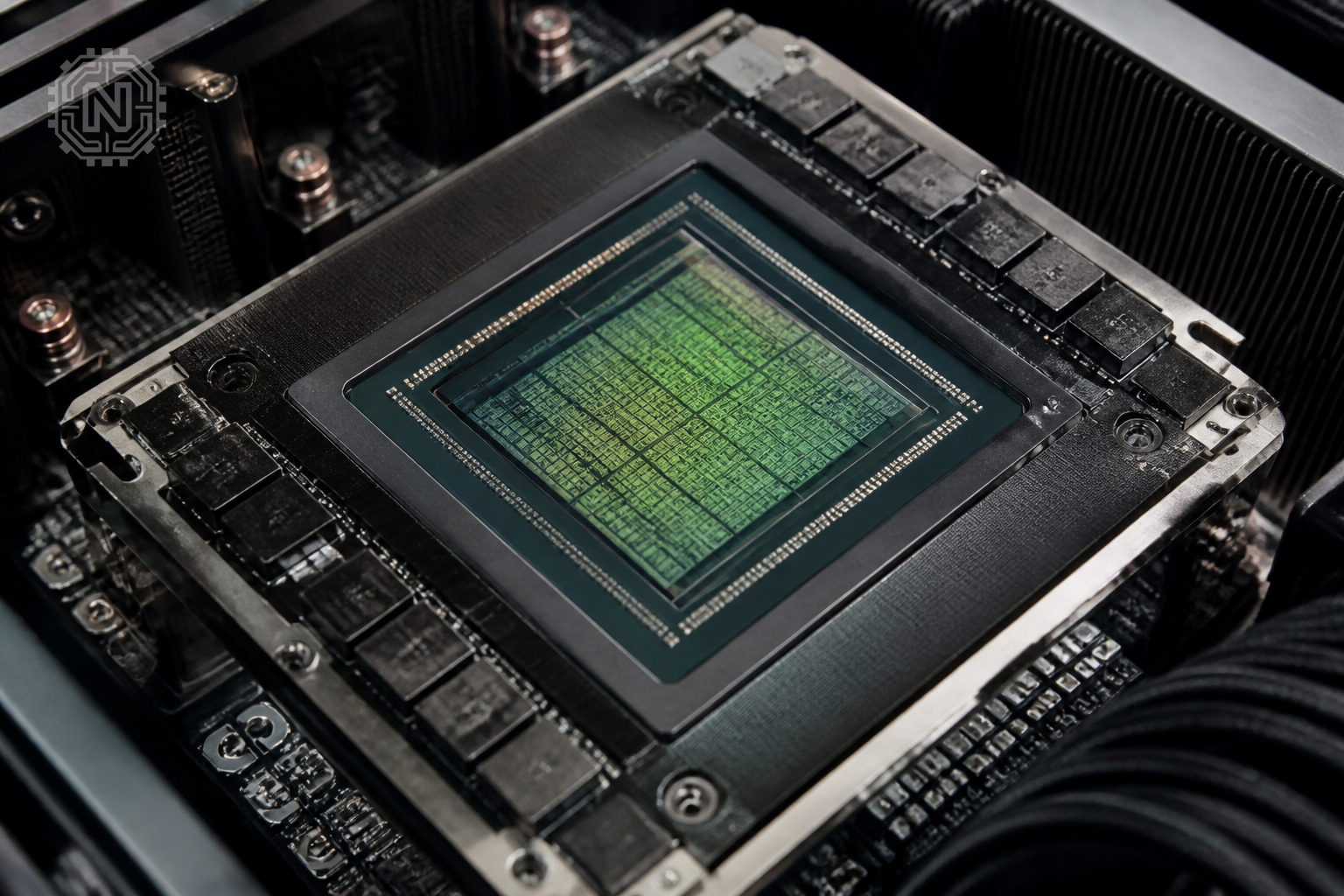
In 2026, innovations include the integration of AI accelerators directly into data center servers and even edge devices, reducing latency and increasing throughput. Companies like AMD and Intel are focusing on chips that balance raw performance with power efficiency, critical for sustainable AI deployment.
One notable development is NVIDIA’s Hopper architecture, designed to accelerate large language models and complex neural networks. This hardware can handle trillions of operations per second, making real-time AI applications feasible at scale.
Deep technical details about how these accelerators optimize matrix operations can be found in Wikipedia’s neural network inference page.
"Custom AI accelerators are now integral to scaling AI models efficiently."
Tech Industry Expert
Official reactions and industry response to 2026 AI hardware trends
Major players have publicly emphasized the importance of hardware innovation for AI’s future. NVIDIA’s CEO, Jensen Huang, highlighted that their latest GPUs are designed to support the next generation of AI models, emphasizing performance and energy savings.
Industry analysts predict that the market for AI accelerators will grow by over 35% annually through 2028, driven by demand from cloud providers and enterprise AI deployments. This growth is reflected in recent earnings reports and investment announcements.
Regulators are also paying attention, with some governments exploring policies to ensure responsible AI hardware development. The EU’s AI Act draft includes provisions for hardware standards to ensure safety and interoperability.
For more insights, see our coverage of AI chip market trends.
Why AI Hardware Acceleration Matters in 2026
- Enables faster AI model training and deployment.
- Reduces energy consumption at data centers.
- Supports larger, more complex neural networks.
- Accelerates innovation across industries.
Implications for AI research, industry, and consumers
The rise of AI hardware accelerators is reshaping AI research by allowing scientists to experiment with larger models and datasets. This leads to breakthroughs in natural language understanding, computer vision, and robotics.
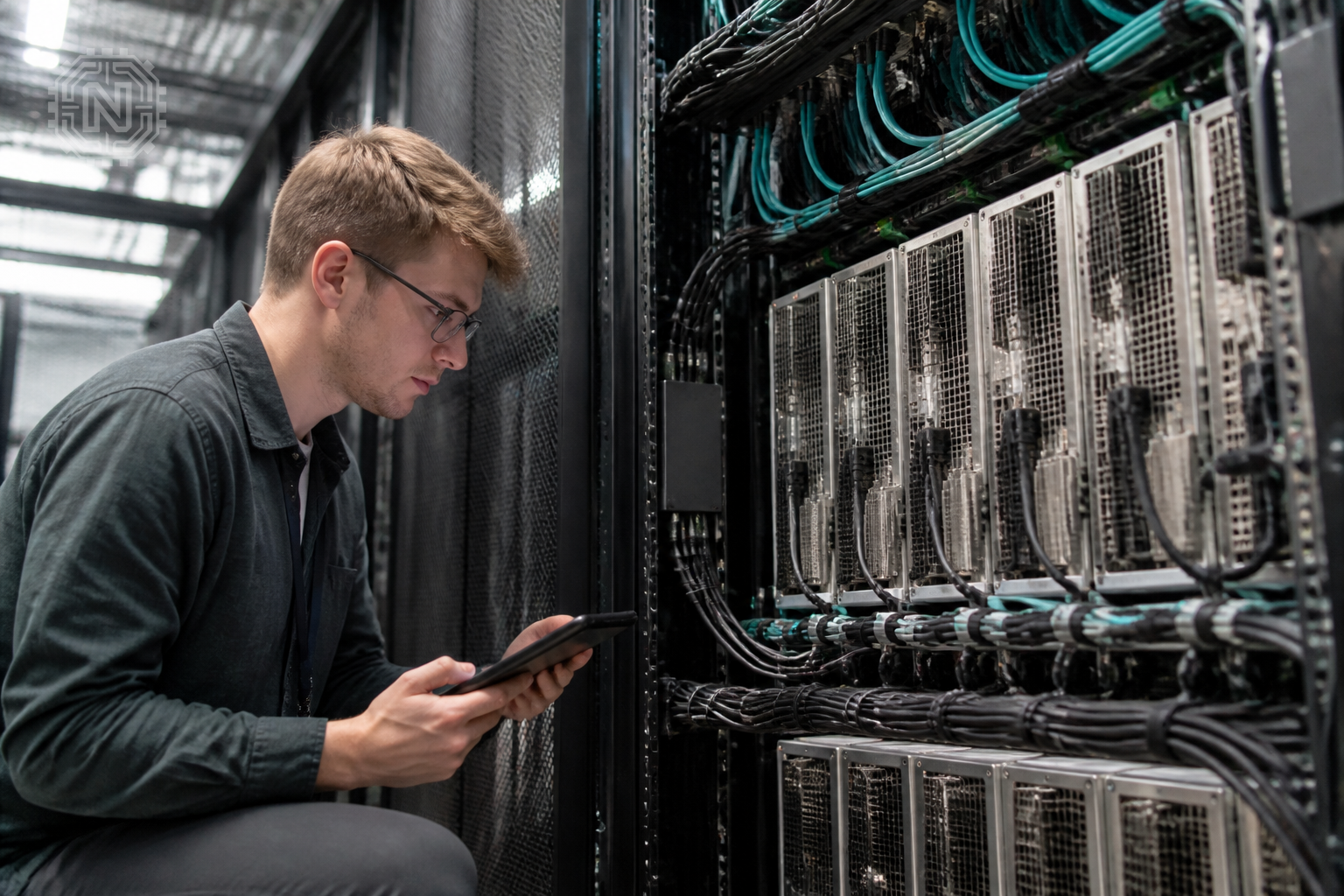
Industries—from healthcare to finance—are adopting hardware-accelerated AI solutions to improve efficiency and decision-making. Cloud providers like Google Cloud and AWS are integrating these chips into their services, making advanced AI accessible to more businesses.
Consumers benefit indirectly through smarter devices, better personalization, and faster services. As AI models become more capable, the hardware improvements ensure these advances are sustainable and scalable.
For a detailed comparison of hardware options, see our latest guide on AI chip innovations.
"Hardware acceleration is the backbone of scalable, responsible AI growth."
Industry Thought Leader
Future outlook: What’s next for AI hardware in 2026 and beyond?
Looking ahead, AI hardware acceleration will focus heavily on energy efficiency, with developments in low-power chips for edge devices and IoT applications. Companies are investing in novel materials and architectures to push performance further.
Emerging trends include integration of AI accelerators with quantum computing components, aiming to solve complex problems faster than ever. Also, software frameworks are evolving to better utilize hardware capabilities, simplifying development workflows.
Experts forecast that by 2028, AI hardware will become more democratized, with affordable, high-performance chips enabling innovation at the grassroots level. This democratization could drive a new wave of AI-powered solutions for everyday use.
Stay tuned to our Tech News section for ongoing updates on this rapid evolution.
Editorial Sources
Conclusion
AI hardware acceleration is at the heart of AI’s rapid progress in 2026, enabling breakthroughs in speed, scale, and energy efficiency. As hardware vendors push the limits of performance, the impact will ripple across research, industry, and everyday applications, shaping AI’s future for years to come.
Frequently Asked Questions
What is AI hardware acceleration?
It’s the use of specialized hardware to speed up AI model training and inference.
Why is AI hardware acceleration important in 2026?
It enables faster, more efficient AI processing, supporting larger models and real-time applications.
What are the main types of AI accelerators?
GPUs, FPGAs, ASICs, and custom AI chips are the primary types used today.
Which companies lead in AI hardware in 2026?
NVIDIA, AMD, and Intel are the top vendors releasing new AI-specific chips.
How do AI accelerators improve neural network performance?
They optimize matrix computations, reducing training and inference time significantly.
Are AI hardware accelerators energy-efficient?
Yes, modern accelerators focus heavily on reducing power consumption while maintaining high throughput.
What is the future of AI hardware acceleration?
Expect more energy-efficient, scalable chips with integration into edge devices and quantum tech.
How can AI hardware impact industry adoption?
Faster hardware enables broader deployment of AI solutions across sectors like healthcare and finance. For more on Tech News, explore Newtechzy. You can also review our Privacy Policy and Cookie Policy, or learn more About us.
Related Topics
Explore more about AI hardware innovations and how they can benefit your projects. Stay ahead by following our latest updates and expert insights.
Start Your Journey Today!


