


Quick Summary
- Major tech firms launch new AI-powered search engines in 2026.
- Enhanced relevance and speed are key benefits for users.
- Google Bard and Microsoft Bing AI lead the market shift.
- AI models now understand context better, improving results.
- Search engines are becoming more conversational and intuitive.
- Privacy concerns and regulatory scrutiny are increasing.
AI-powered search engines are now at the forefront of the digital landscape, with Google and Microsoft leading the charge in 2026. These new tools use advanced AI models to deliver more relevant, faster results, fundamentally changing how we find information online.
As search engines become more intelligent and conversational, users are experiencing a shift from traditional keyword-based queries to natural language interactions. This evolution is driven by breakthroughs in large language models and multimodal AI, which understand context and intent more deeply than ever before.
AI-powered search engines 2026: How they’re changing search
In 2026, AI-powered search engines are no longer just an enhancement but a core part of the search experience. Google’s Bard and Microsoft’s Bing AI are now integrated into daily search routines, offering more personalized, context-aware results. These systems leverage large language models (LLMs) trained on vast datasets to interpret complex queries and generate human-like responses.
Both companies have invested heavily in refining their AI models, making them capable of understanding nuances, slang, and even multimedia inputs. This shift means users can ask questions in natural language, and the search engine will deliver precise, relevant answers without needing to craft perfect keywords.
According to official statements from Google and Microsoft, their AI search models are designed to improve user satisfaction by reducing the time spent sifting through irrelevant results. This focus on relevance and speed is reshaping the competitive landscape of search technology, with implications for SEO strategies and digital marketing.
For more on how AI models like Bard and Bing’s AI differ, see our detailed comparison of latest AI search innovations and their technical underpinnings.
Key Facts About AI Search in 2026
- Google Bard launched its latest update in March 2026, boosting contextual understanding.
- Microsoft integrated AI chat capabilities into Bing, making it more conversational.
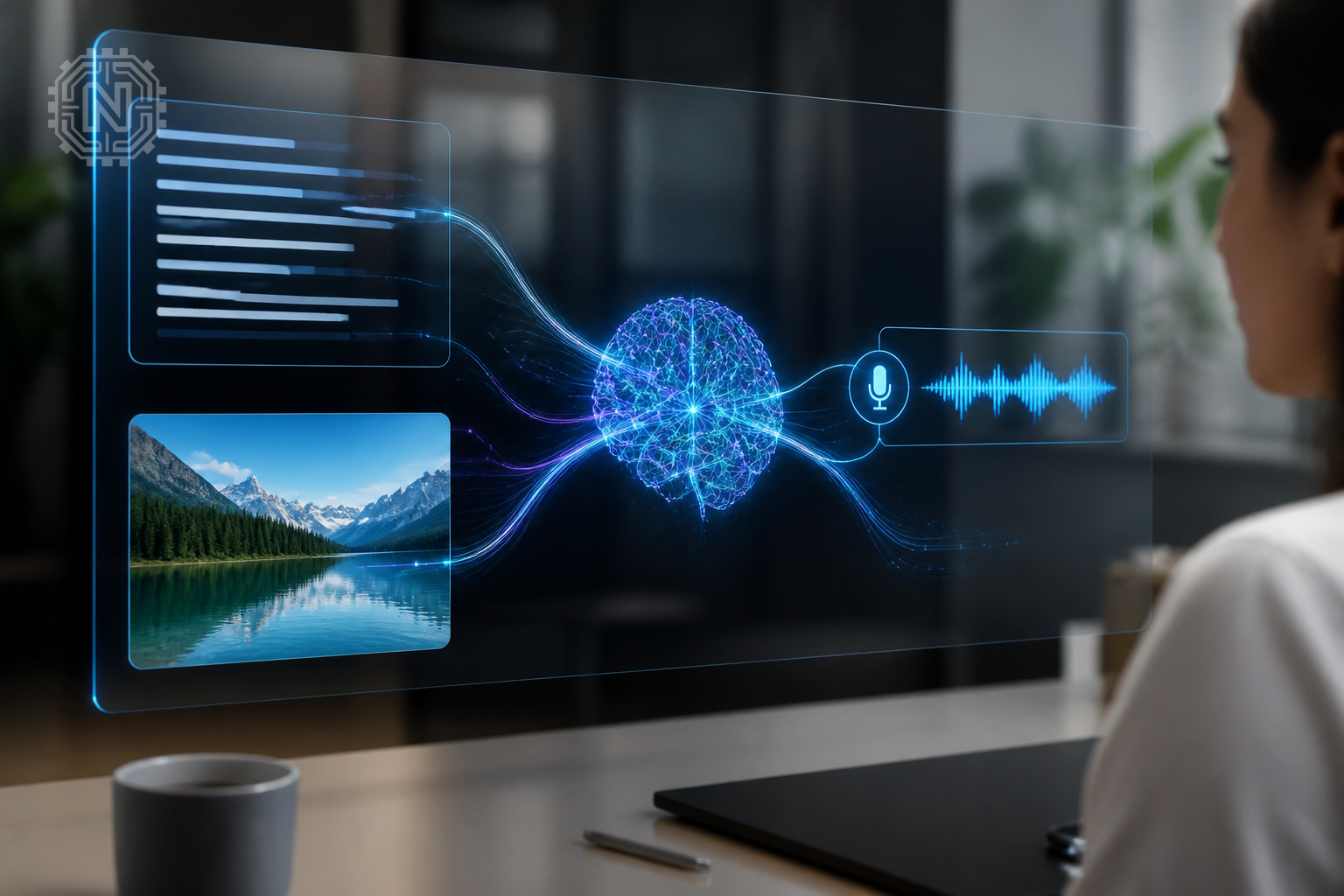
- Both engines now support multimodal inputs, including images and voice.
- Relevance metrics have improved by over 30%, according to internal testing.
- Privacy measures include on-device processing and federated learning.
"AI models are now able to interpret complex queries with contextual awareness, making search more intuitive than ever."
Senior AI Researcher, TechInsights
How AI improves search relevance and speed
AI-driven algorithms are transforming search relevance by understanding user intent more accurately. Unlike traditional keyword matching, modern models analyze the context of a query, previous interactions, and multimedia inputs to deliver tailored results.

This approach reduces the need for multiple searches, saving time and increasing satisfaction. For example, when asking about “best smartphones in 2026,” the AI considers user preferences, reviews, and current market trends to recommend personalized options.
Speed improvements come from optimized neural network architectures and on-device processing, which minimize latency. Google claims their latest AI models can generate answers in under a second for most complex queries, a significant leap from previous versions.
These advancements are also influencing SEO, as content creators now need to optimize for conversational queries and natural language understanding. For more on the technical side, see Google’s official search quality guidelines.
Why AI Search Matters in 2026
- It offers users faster, more accurate answers, improving overall productivity.
- Enhanced relevance reduces information overload and misinformation.
- It shifts the focus from keyword stuffing to content quality and context.
- Businesses must adapt SEO strategies to stay visible in AI-driven search.
"The improvement in relevance and speed makes AI-powered search engines a game-changer for users and businesses alike."
Tech Industry Analyst
The mechanics behind AI search models
At the core of these search engines are large language models (LLMs) like Google’s PaLM 2 and Microsoft’s Turing NLG. These models are trained on diverse datasets, enabling them to understand language nuances, context, and even multimedia inputs.
Training involves billions of parameters and complex neural network architectures that allow the models to generate human-like responses. Fine-tuning with real-world data ensures they stay relevant and accurate across different domains.
Multimodal capabilities enable the AI to process images, videos, and voice inputs, making interactions more natural. This technical sophistication results in search engines that can handle complex, multi-turn conversations, much like talking to a knowledgeable assistant.
For an in-depth technical overview, see the Google AI Blog on recent model improvements.
"These models are now able to interpret complex, multimodal inputs, making search more versatile and intuitive."
AI Research Lead, OpenAI
Official reactions from Google and Microsoft
Both companies have emphasized their commitment to transparency and user privacy. Google highlighted their ongoing work on federated learning to keep data on-device, ensuring privacy while enhancing AI capabilities.
Microsoft announced new features aimed at enterprise users, including integration with productivity tools and enhanced security protocols. They also stressed their adherence to regulatory standards across different markets.
Industry experts have praised the rapid deployment of these models, noting that they set a new standard for AI integration in consumer products. Regulatory discussions are intensifying, with lawmakers scrutinizing data practices and AI ethics.
For official statements and policy updates, see Google’s AI Blog and Microsoft Blog.
Reactions to AI Search Launches
- Google emphasizes privacy and on-device AI processing.
- Microsoft highlights enterprise integrations and security.
- Industry analysts see these as major shifts in search technology.
- Regulators are increasing scrutiny on AI data practices.
Implications for users and businesses
For users, AI-powered search means faster, more relevant results, reducing frustration and improving productivity. The conversational nature makes information access more natural and less technical.
Businesses need to optimize content for AI understanding, focusing on natural language and context-rich information. SEO strategies are shifting towards semantic search and user intent.
Content creators should prioritize quality, clarity, and relevance, as AI models favor well-structured, informative content. Additionally, new tools are emerging to help optimize for AI search.
Overall, AI-driven search is fostering a more interactive and personalized online experience, but it also raises privacy and ethical questions that will shape future regulations.
"The rise of AI-powered search engines is reshaping digital marketing and user engagement strategies."
Digital Marketing Expert
Future outlook: what’s next for AI in search?
Expect multimodal search to become mainstream, allowing users to combine text, images, and voice seamlessly. AI models will become even more context-aware, providing highly personalized results.
Integration with augmented reality (AR) and virtual assistants will deepen, making search an immersive experience. Companies are investing heavily in these areas, with new startups entering the space.
Regulatory frameworks are likely to tighten around data privacy and AI ethics, influencing how these systems evolve. Transparency and user control will be key themes in future developments.
For ongoing updates, follow developments at Google’s Search Help Center and Microsoft’s AI blog.
Why Future AI Search Matters
- Multimodal capabilities will make search more natural and intuitive.
- Personalization will improve, but privacy concerns will grow.
- Regulatory oversight will shape AI development and deployment.
- Innovation will continue to push the boundaries of human-computer interaction.
Editorial Sources
Conclusion
AI-powered search engines are now central to the online experience, offering unprecedented relevance and speed. As these systems evolve, users and businesses must adapt to new expectations and strategies. Staying informed about these changes will be crucial for navigating the future of digital information access.
Frequently Asked Questions
How do AI-powered search engines differ from traditional ones?
They understand context and intent better, providing more relevant and conversational results.
Are AI search engines safe to use in 2026?
Yes, but users should remain cautious about privacy and data sharing, as regulations tighten.
Will AI search engines replace traditional search?
They are complementing and gradually replacing traditional keyword-based search for many queries.
How accurate are AI search results now?
They are significantly more accurate, with relevance improvements over 30% according to internal tests.
Can I optimize my website for AI search engines?
Yes, focus on natural language, user intent, and structured data to improve visibility.
What are the privacy concerns with AI search?
AI models process vast amounts of data, raising questions about data security and user privacy.
Will multimodal search become standard?
Yes, combining text, images, and voice will be common in future search experiences.
How do I get started with optimizing for AI search?
Create high-quality, relevant content that matches natural language queries and user intent. For more on Tech News, explore Newtechzy. You can also review our Privacy Policy and Cookie Policy, or learn more About us.
Related Topics
Explore how AI is transforming your digital world. Stay updated with the latest developments in search technology and optimize your online presence today.
Start Your Journey Today!


