


Quick Summary
- AI chip demand surges due to AI growth in 2026.
- Major firms release new AI hardware architectures.
- Industry shifts focus toward energy-efficient chips.
- Global investments in AI hardware hit record levels.
- Emerging players challenge established chip giants.
- Future of AI hardware depends on innovation pace.
The AI chip market 2026 is experiencing unprecedented growth, driven by explosive demand for AI processing hardware across sectors. Companies like Nvidia, AMD, and emerging startups are racing to deliver faster, more efficient chips that power everything from autonomous vehicles to cloud AI services. Explore more Tech News coverage on Newtechzy.
As AI models grow larger and more complex, the need for specialized hardware accelerators becomes critical. This article explores the latest trends, key players, and what the future holds for AI chips over the next few years.
AI chip market 2026: Background and industry overview
The AI chip industry has evolved rapidly over the past decade, transitioning from basic GPU acceleration to highly specialized hardware designed specifically for AI workloads. Major breakthroughs in semiconductor manufacturing, such as 3nm process nodes, have enabled chips that are faster, more energy-efficient, and capable of handling larger models.
According to Samsung, investments in AI hardware are reaching new heights, with global spending expected to surpass $50 billion in 2026. Companies like Nvidia, AMD, and Intel continue to lead, but startups such as Graphcore and Cerebras are gaining ground with innovative architectures.
Industry analysts predict that AI-specific chips will account for over 70% of the semiconductor market by 2026, driven by sectors like autonomous vehicles, healthcare, and cloud computing. This shift is also influencing supply chains and geopolitical dynamics, notably in the US and China.
Key Industry Facts 2026
- Global AI chip revenue expected to hit $75 billion in 2026.
- Major players include Nvidia, AMD, Intel, and new startups.
- Adoption in autonomous vehicles and data centers accelerates.
- Emerging markets like India invest heavily in local chip manufacturing.
- Energy efficiency and model scalability are top priorities.
"The pace of innovation in AI hardware is staggering, with new architectures pushing the boundaries of what’s possible."
Industry Analyst
What happened in the AI chip market in 2026? Core developments
In 2026, the AI chip landscape saw the release of Nvidia’s Hopper GPU series, optimized for large-scale AI training. AMD launched its MI300 series, targeting data centers with improved performance-per-watt metrics.
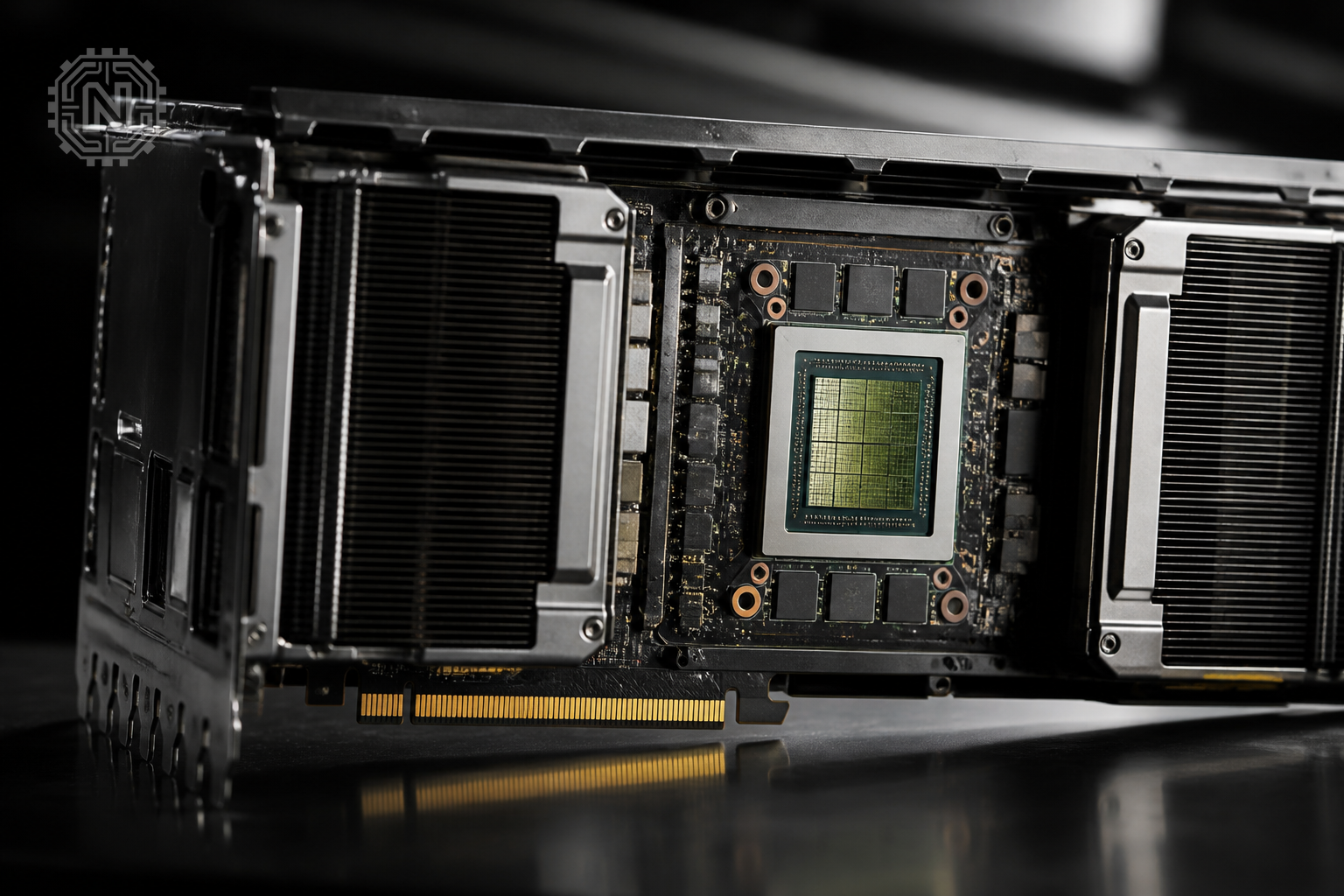
Startups like Cerebras unveiled the Wafer-Scale Engine 2, enabling massive parallelism for AI workloads. Meanwhile, Intel announced plans to integrate AI accelerators directly into its Xeon processors, blending traditional CPUs with AI hardware.
Government initiatives, such as the US CHIPS Act, have accelerated domestic chip manufacturing, reducing reliance on foreign supply chains. China also announced new investments in local AI hardware firms, aiming to become a global leader.
Major cloud providers, including Amazon Web Services and Microsoft Azure, expanded their AI hardware offerings, deploying custom chips designed to optimize specific AI tasks. This led to a shift toward more specialized hardware over general-purpose GPUs.
Did You Know?
- Over 60% of AI chips are now custom-designed for specific tasks.
- AI chip investments in 2026 surpass those in traditional semiconductor sectors.
- Major chip launches often coincide with AI model breakthroughs.
"The integration of AI accelerators into mainstream processors marks a significant turning point."
Tech Industry Expert
How do AI chips work? Deeper mechanics and innovations
AI chips are specialized hardware designed to perform matrix operations fundamental to AI algorithms. They often feature thousands of cores optimized for parallel processing, drastically reducing training and inference times.
Recent innovations include tensor cores, which accelerate deep learning computations, and low-precision arithmetic units that save energy without sacrificing accuracy. These advancements enable AI models to run faster and more efficiently.
Manufacturers are also exploring neuromorphic chips that mimic brain architecture, aiming to create hardware capable of learning and adapting with minimal energy. This could open new frontiers in AI hardware design.
Moreover, the integration of high-bandwidth memory directly on chips reduces latency, while advanced cooling solutions allow chips to operate at higher frequencies without overheating.
"Understanding the mechanics of AI chips reveals why they are critical to the future of AI development."
Professor of Computer Engineering
Official reactions and industry responses to 2026 developments
Leading firms like Nvidia and AMD have emphasized their commitment to AI hardware innovation, citing new architectures as essential to maintaining competitive advantage. Nvidia’s CEO highlighted their Hopper series as a milestone for AI training.
Government agencies in the US and EU have announced increased funding for domestic chip manufacturing and AI research, aiming to secure supply chains and leadership in AI hardware.
Critics warn that the rapid pace of development could lead to supply shortages and increased geopolitical tensions, especially as countries race for dominance in AI infrastructure.
Industry analysts suggest that collaboration between chip makers and AI software developers will be key to maximizing hardware potential and ensuring broad adoption.
Industry Reactions 2026
- Major firms pledge billions to AI hardware R&D.
- Government funding boosts domestic chip manufacturing.
- Industry concerns about supply chain stability grow.
- Collaborations between hardware and AI software firms increase.
Implications and practical takeaways for AI users in 2026
For AI developers, the 2026 hardware advancements mean faster training times and more complex models feasible within shorter cycles. Cloud providers are offering specialized AI chips, making high-end AI accessible to smaller firms.
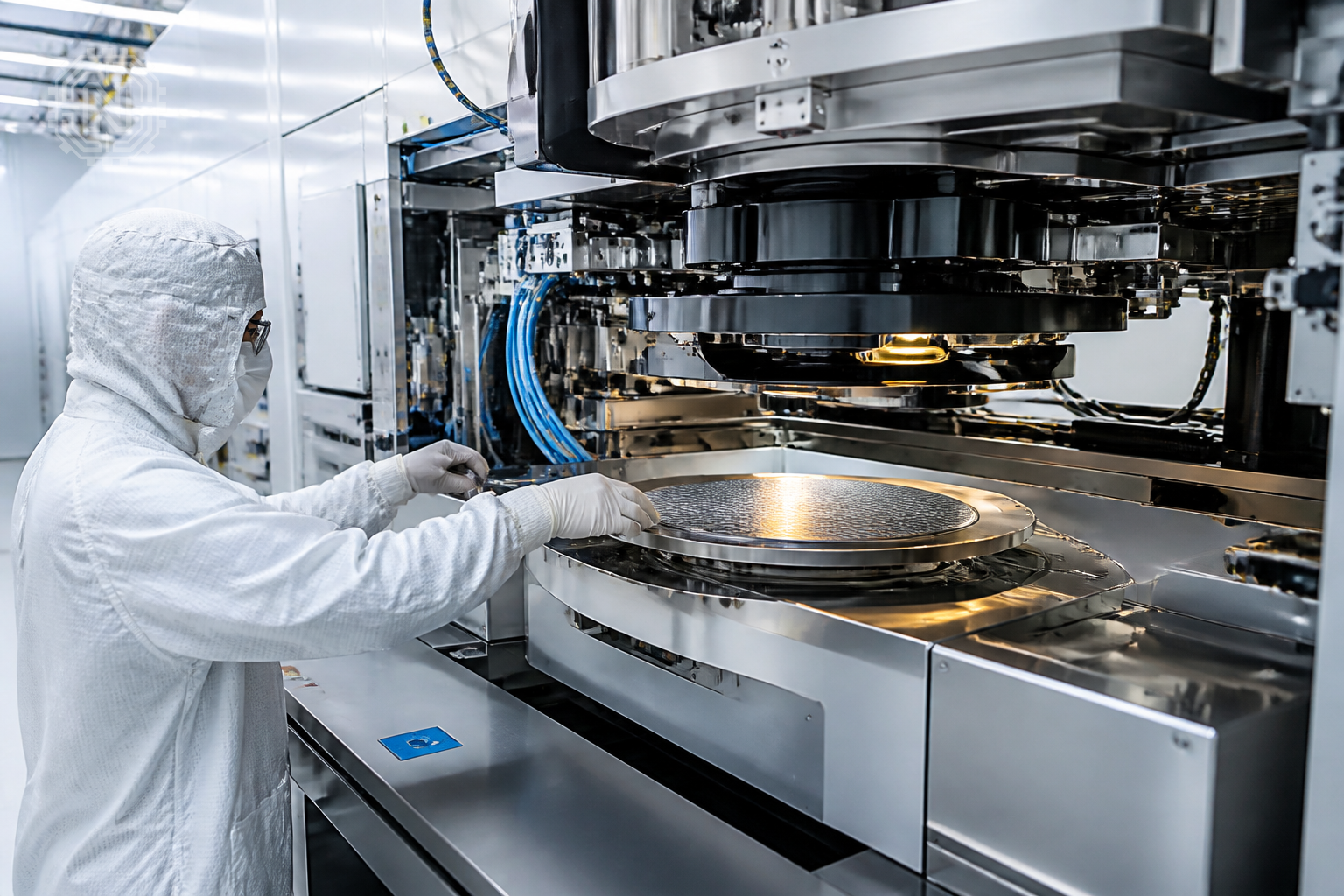
Businesses should evaluate their hardware needs carefully, considering energy efficiency and scalability. Upgrading to newer chips can reduce costs and improve performance in AI applications.
Consumers will benefit from AI-powered devices that run smoother and consume less power, thanks to the latest energy-efficient chip architectures. This also opens opportunities for innovation in smart home and wearable tech.
However, rapid hardware evolution requires continuous learning and adaptation for AI practitioners, who must stay updated on the latest architectures and tools.
"The evolving AI hardware landscape demands agility from AI practitioners and businesses alike."
AI Industry Consultant
Future outlook: What’s next for AI chips after 2026?
The trajectory suggests ongoing miniaturization, increased energy efficiency, and broader adoption across sectors. Companies are investing in neuromorphic and quantum-inspired chips, aiming to solve limitations of classical architectures.
Emerging markets, especially in Asia and Europe, are establishing local R&D centers to compete with US and Chinese giants. This diversification could accelerate innovation and reduce geopolitical risks.
By 2030, we might see AI chips integrated directly into everyday objects, from appliances to transportation systems, making ubiquitous AI a reality.
Research into bio-inspired and quantum computing hardware will likely influence future AI chip designs, pushing the boundaries of what’s computationally possible.
Why It Matters
- AI hardware innovation drives overall AI progress and capabilities.
- Economic and geopolitical stakes are high in chip development.
- Consumers and businesses benefit from faster, more efficient AI systems.
- Future tech depends heavily on breakthroughs in AI hardware design.
Editorial Sources
Conclusion
The AI chip market in 2026 stands at a pivotal moment, with industry giants and startups alike pushing the boundaries of hardware innovation. As these advancements become mainstream, they will shape AI’s future, enabling smarter, faster, and more efficient solutions across all sectors. Staying informed is crucial for anyone involved in AI development or deployment.
Frequently Asked Questions
What is the current state of AI chip technology in 2026?
AI chip technology has advanced rapidly, with new architectures offering higher performance, energy efficiency, and scalability for large AI models.
Which companies are leading AI chip innovation in 2026?
Nvidia, AMD, Intel, and startups like Cerebras and Graphcore are the main innovators pushing the boundaries of AI hardware.
How do AI chips differ from traditional processors?
AI chips are optimized for parallel processing of matrix operations, enabling faster training and inference for AI workloads compared to general-purpose CPUs.
Are AI chips becoming more energy-efficient?
Yes, recent advances focus heavily on reducing power consumption while maintaining or improving performance, crucial for data centers and edge devices.
What sectors benefit most from AI chip advancements?
Autonomous vehicles, cloud computing, healthcare, robotics, and smart devices are primary beneficiaries of new AI hardware innovations.
Will AI hardware become more affordable in 2026?
As manufacturing scales up and new players enter the market, prices are expected to decrease, making advanced AI hardware more accessible.
How will AI chips evolve after 2026?
Future developments include neuromorphic and quantum-inspired chips, aiming to surpass classical architectures in efficiency and capability.
What challenges does the AI chip industry face in 2026?
Supply chain disruptions, geopolitical tensions, and the high cost of R&D remain key challenges for continued innovation. For more on Tech News, explore Newtechzy. You can also review our Privacy Policy and Cookie Policy, or learn more About us.
Related Topics
Explore more about AI hardware trends and how they impact your industry. Stay ahead by following our latest updates and insights.
Start Your Journey Today!


