


Quick Summary
- AI chip tech is advancing rapidly in 2026 with new architectures.
- Major companies like NVIDIA, AMD, and Intel lead innovation.
- Breakthroughs include quantum-inspired chips and specialized AI accelerators.
- These advancements improve AI performance and energy efficiency.
- New chips enable faster training and inference for AI models.
- Future trends point to more custom chips and AI-specific hardware.
In 2026, AI chip advancements are reshaping the landscape of artificial intelligence hardware, with breakthroughs boosting processing power and energy efficiency. These innovations are critical as AI models grow larger and more complex, demanding more from hardware than ever before.
Major players like NVIDIA, AMD, and Intel are pushing the boundaries with new architectures, including quantum-inspired designs and AI-optimized accelerators, signaling a new era for AI computing hardware.
AI chip advancements 2026: How they’re shaping AI performance
AI chip advancements in 2026 are fundamentally changing how AI applications perform, enabling faster training, real-time inference, and more sophisticated models. These improvements are driven by innovations in chip architecture, manufacturing processes, and specialized AI accelerators.
Leading companies are investing heavily in developing chips that can handle the increasing demands of large language models and computer vision tasks. For example, NVIDIA's Hopper GPU architecture and AMD's MI250X accelerators are setting new standards in AI processing speed.
These chips also incorporate energy-efficient designs, reducing power consumption while maintaining high performance. This is vital for deploying AI at scale in data centers and edge devices. For more on how hardware influences AI efficiency, see AI Chip Market 2026: Key Trends and Future Outlook.
External sources like NVIDIA’s official blog highlight the technical details behind these innovations, emphasizing their impact on AI workloads.
Key AI chip innovations in 2026
- Quantum-inspired architectures for faster calculations
- AI-specific accelerators for optimized performance
- Integration of high-bandwidth memory technologies
- Energy-efficient designs reducing power needs
- Advanced manufacturing nodes enabling smaller, powerful chips
"AI hardware is entering a new phase where specialized chips will dominate, making AI more accessible and efficient than ever."
Industry Analyst
What are the core mechanics behind AI chip advancements?
At the core of these advancements are innovations in chip architecture, such as tensor cores optimized for AI workloads, and manufacturing processes like 3nm node technology, which allow for smaller, faster, and more energy-efficient chips.
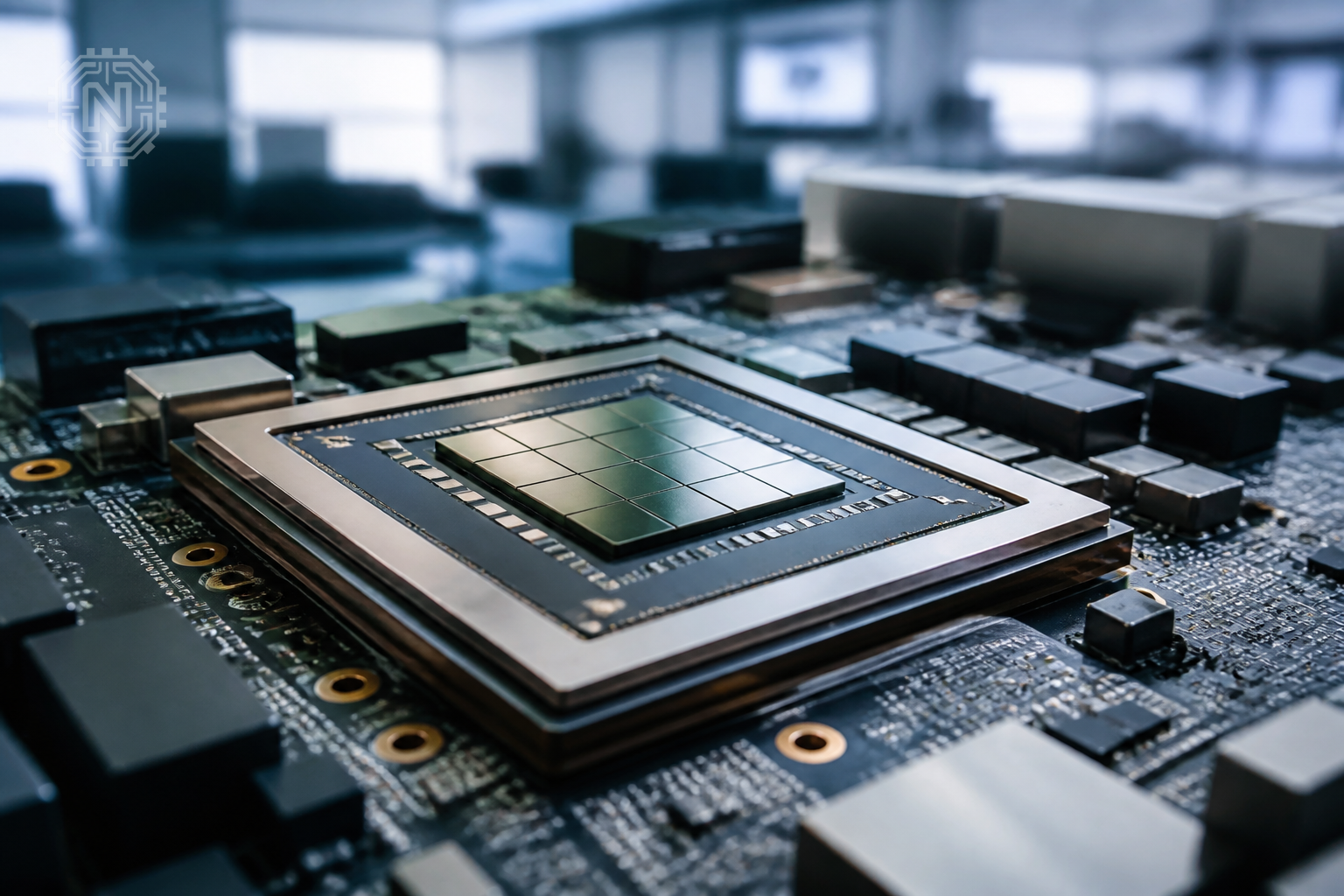
Quantum-inspired algorithms are also being embedded into hardware, providing a boost in processing capabilities for complex AI tasks without requiring fully quantum systems. This hybrid approach is a key driver in 2026.
Designing chips that balance power, heat dissipation, and computational throughput is complex. Companies are experimenting with heterogeneous architectures—combining CPUs, GPUs, and AI accelerators on a single chip—to optimize performance for diverse AI tasks.
For a detailed breakdown of these mechanics, see AI Chip Market 2026: Key Trends and Future Outlook.
How AI chips work differently in 2026
- Use of tensor cores for matrix operations
- Integration of AI-specific accelerators
- Advanced manufacturing processes for smaller nodes
- Hybrid architectures combining multiple processing units
Official reactions and industry perspectives on 2026 AI chips
Major hardware vendors and AI developers are lauding these advancements, citing significant improvements in training times and energy consumption. Nvidia’s CEO, Jensen Huang, recently emphasized that AI chips are 'accelerating the path to more intelligent applications.'
Regulators and industry consortia are also watching these developments closely, as they influence standards for AI hardware interoperability and security. The Global AI Alliance has issued guidelines encouraging transparency and safety in hardware design.
Meanwhile, critics warn that the rapid pace of innovation could lead to supply chain bottlenecks or increased costs. Industry observers suggest that collaboration and standardization will be key to sustainable growth.
"The pace of AI hardware innovation in 2026 is unprecedented, pushing the boundaries of what’s computationally possible."
Senior Industry Analyst
Practical implications and how these advancements impact AI users
For AI practitioners and businesses, these chip advancements mean faster deployment of AI solutions and more efficient training cycles. Companies can now run larger models without prohibitive costs or energy bills.
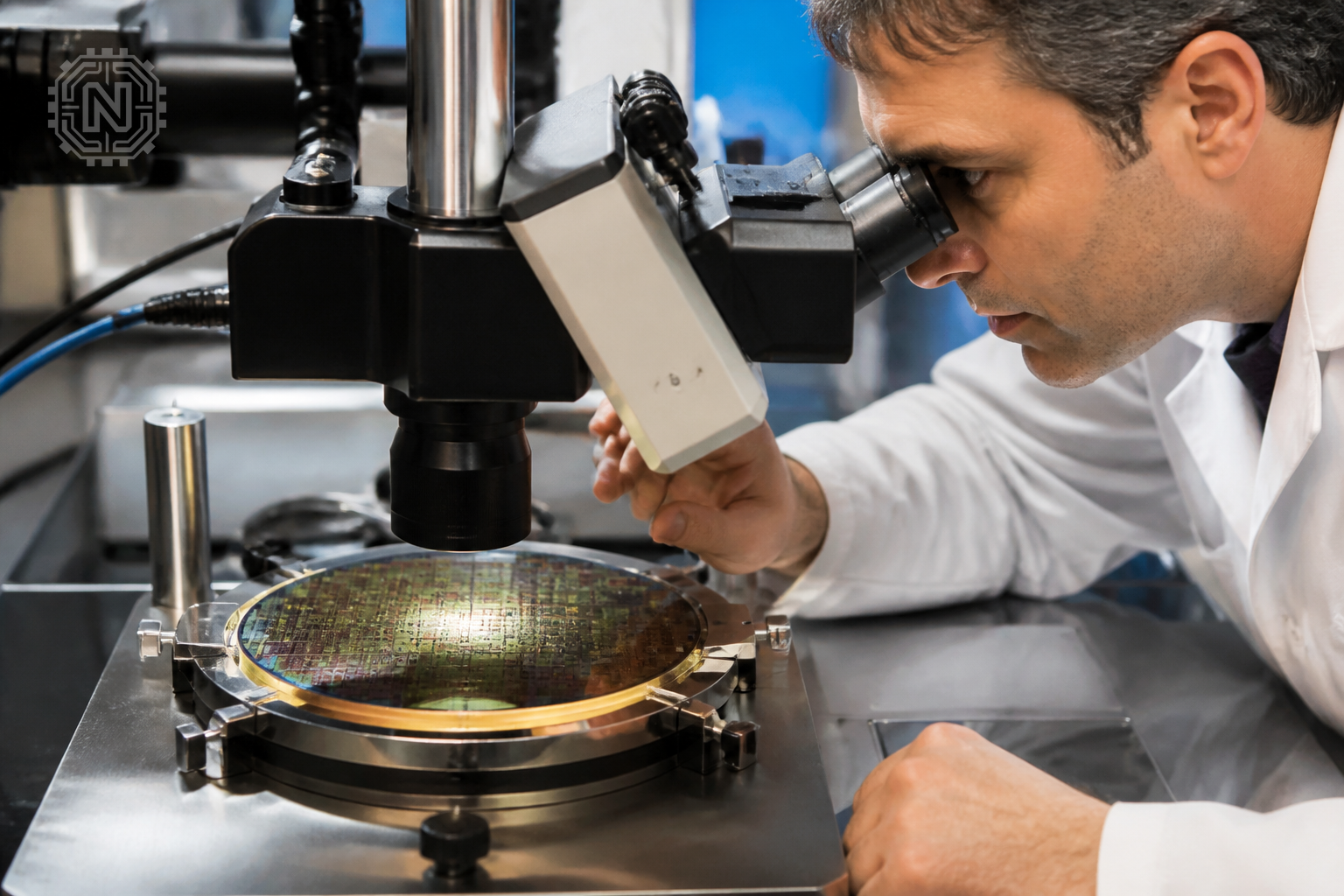
Edge devices, including smartphones and IoT gadgets, are also benefiting from these innovations, enabling smarter, more capable products. For example, AI chips optimized for low power are making real-time processing feasible at the device level.
Developers should stay updated on hardware releases and optimize their models accordingly. The shift towards AI-specific hardware also influences software frameworks, prompting updates to popular AI libraries like TensorFlow and PyTorch.
Learn more about practical AI deployment in our Apps & Software section.
Impact of AI chip advancements
- Faster AI training and inference
- Reduced energy costs
- New opportunities for edge AI devices
- Potential supply chain constraints
Why AI chip advancements matter for the future of AI
These hardware improvements are not just incremental; they are enabling a new scale of AI capabilities. Larger models, more complex algorithms, and real-time applications are now within reach, transforming industries from healthcare to autonomous vehicles.
As AI chips become more specialized, the industry moves toward a future where AI hardware is tailored to specific tasks, increasing efficiency and lowering costs. This shift will democratize access to advanced AI tools, fostering innovation across sectors.
Looking ahead, ongoing investments and research suggest that AI chip development will continue to accelerate, with emerging technologies like neuromorphic chips and optical computing on the horizon.
For a broader context, see neuromorphic computing.
"The evolution of AI hardware is pivotal for unlocking the full potential of artificial intelligence."
Tech Industry Expert
Editorial Sources
Conclusion
AI chip advancements in 2026 are setting the stage for a new era of AI capabilities, combining speed, efficiency, and versatility. As hardware innovation continues, industries and developers must adapt to leverage these powerful tools for smarter, faster AI applications.
Frequently Asked Questions
What are the main types of AI chips developed in 2026?
Key types include AI-specific accelerators, tensor core GPUs, and quantum-inspired processors, each optimized for different AI workloads.
How do AI chip advancements affect AI training speed?
They significantly boost training speed by providing more processing power and efficient architectures, reducing time from days to hours.
Are AI chips in 2026 more energy-efficient?
Yes, recent innovations focus on reducing power consumption while maintaining high performance, enabling sustainable large-scale AI deployments.
Which companies are leading AI chip innovation in 2026?
NVIDIA, AMD, Intel, and emerging startups are at the forefront, investing heavily in new architectures and manufacturing processes.
How will AI chips impact edge devices?
They enable smarter, faster edge devices by providing AI processing power directly on smartphones, IoT gadgets, and autonomous systems.
What future trends are expected for AI hardware?
Expect more specialized chips, integration of quantum-inspired tech, and increased use of neuromorphic and optical computing.
Are there any risks associated with rapid AI hardware development?
Risks include supply chain bottlenecks, increased costs, and security concerns, emphasizing the need for collaboration and standards.
How can developers optimize AI models for new hardware?
By updating frameworks, leveraging hardware-specific libraries, and tuning models to exploit new architectures and accelerators. For more on Tech News, explore Newtechzy. You can also review our Privacy Policy and Cookie Policy, or learn more About us.
Related Topics
Stay updated on the latest AI hardware breakthroughs and how they can benefit your projects. Explore our in-depth coverage and expert analysis today.
Start Your Journey Today!


