


Quick Summary
- Bias in AI affects fairness and trust, prompting urgent mitigation efforts.
- New techniques like adversarial training and fairness algorithms are emerging.
- Regulatory pressure is pushing companies to improve AI transparency.
- Bias mitigation impacts sectors from finance to healthcare.
- Industry leaders see bias reduction as key to AI adoption.
- Ongoing research aims for more effective, scalable solutions.
In 2026, AI bias mitigation has become a top priority for developers and regulators. Bias in artificial intelligence systems leads to unfair outcomes, especially in sensitive sectors like finance, healthcare, and hiring. Recent breakthroughs aim to reduce these biases and build more equitable AI models.
With increasing scrutiny from governments and consumers, companies are deploying advanced techniques and transparency measures to address bias issues. This shift reflects a broader push toward trustworthy, fair AI that aligns with societal values.
AI bias mitigation in 2026: Tackling unfairness in artificial intelligence
Bias in AI systems occurs when algorithms produce unfair or discriminatory outcomes, often reflecting societal prejudices in training data. Addressing this challenge requires sophisticated techniques that identify, measure, and reduce bias effectively.
Recent progress includes the development of fairness-aware algorithms, adversarial training, and post-processing adjustments. Major firms like Google and Microsoft have integrated these into their AI pipelines, aiming for more equitable results.
For example, Google’s recent update to its AI transparency tools now includes bias detection modules that flag potential unfair outcomes before deployment.
Regulatory bodies such as the FTC and EU regulators are also tightening standards, requiring companies to demonstrate bias mitigation efforts. This legal pressure accelerates the adoption of fairer AI practices across industries.
Key facts about AI bias mitigation in 2026
- Bias impacts decision-making in critical sectors like finance and healthcare.
- New algorithms can now detect and correct bias during training.
- Regulations demand transparency and fairness in AI models.
- Bias mitigation techniques are scalable for large datasets.
- Industry leaders see fairness as essential for AI adoption.
"Reducing bias in AI is no longer optional; it’s a necessity for trust and compliance."
AI Ethics Expert
What are the latest techniques for reducing bias in AI models?
Techniques like adversarial training, re-sampling, and fairness constraints have gained prominence in 2026. These methods aim to balance the influence of sensitive attributes and prevent biased outcomes.
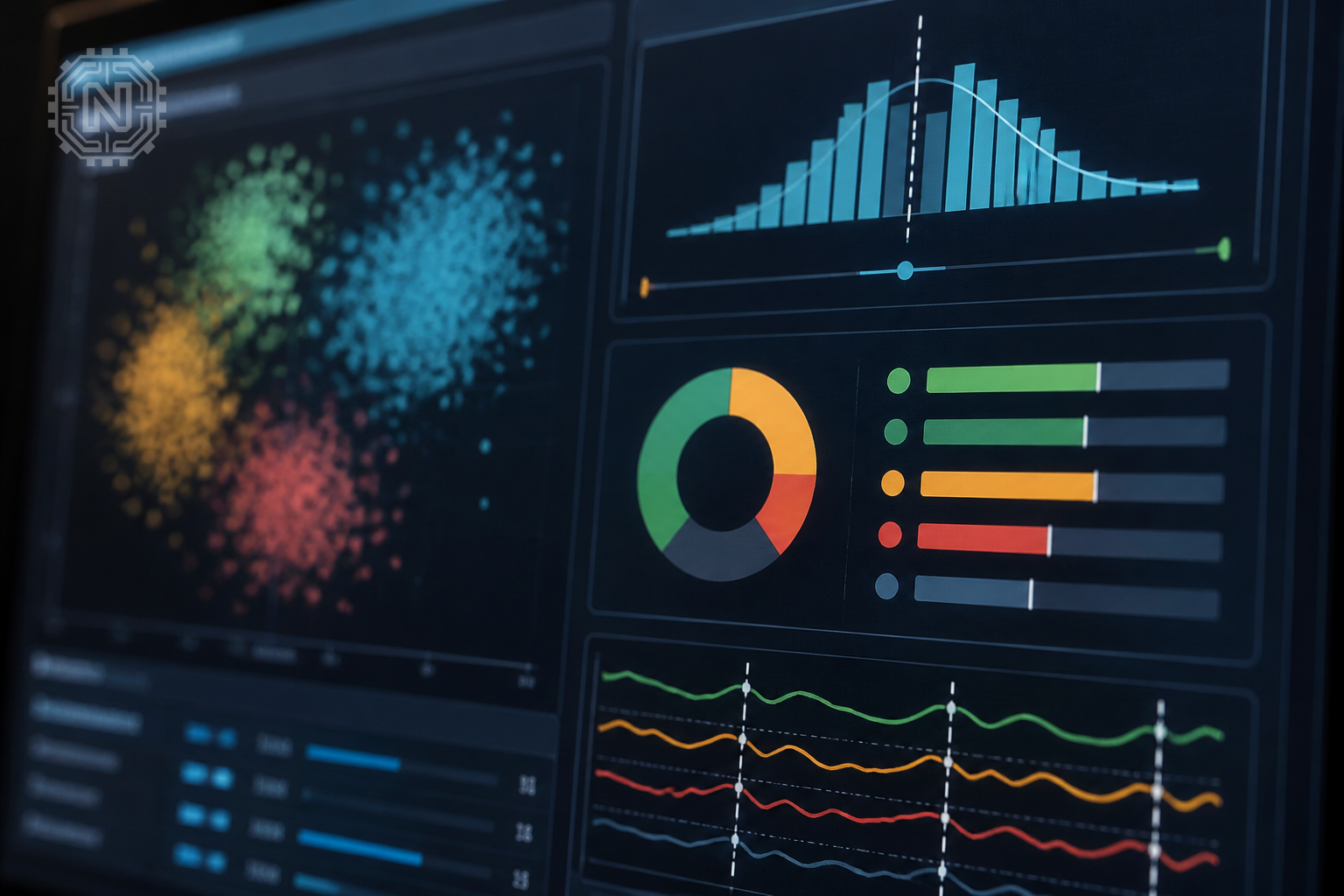
Adversarial training involves training models against bias detectors, effectively minimizing discriminatory patterns. Meanwhile, fairness constraints ensure equal opportunity across demographic groups during model optimization.
For more detailed insights, see our guide to AI code fairness or explore how companies are implementing these in production.
However, these techniques are not foolproof. Ongoing research focuses on creating more adaptive methods that can handle complex, real-world data distributions.
Pros and cons of bias mitigation techniques
- Adversarial training is effective but computationally intensive.
- Fairness constraints improve equity but may reduce accuracy.
- Re-sampling can balance datasets but may introduce new biases.
- Techniques are scalable but require careful tuning.
How are regulators influencing AI bias mitigation efforts?
Regulators are playing a crucial role in shaping bias mitigation practices. The EU’s AI Act and the US’s proposed AI Bill of Rights impose strict standards for transparency and fairness.
These policies require companies to conduct bias audits, publish fairness reports, and implement bias mitigation measures as part of their compliance procedures. Non-compliance risks hefty fines and reputational damage.
Industry leaders are proactively adopting these standards to stay ahead of regulatory requirements, often exceeding legal minimums to build consumer trust. For example, Microsoft’s recent AI fairness report emphasizes transparency and accountability.
For a comprehensive overview, see our article on AI regulation in 2026.
"Regulatory pressures are accelerating the push for fairer AI systems worldwide."
Regulatory Analyst
Impacts of bias mitigation on AI adoption and trust
Bias mitigation directly influences AI adoption, especially in sensitive areas like credit scoring and employment screening. Fairer models foster greater trust among users and stakeholders.

Companies that prioritize bias reduction often see improved customer satisfaction and compliance standing. Conversely, neglecting bias can lead to legal penalties and public backlash.
As AI becomes more embedded in daily life, the importance of fairness and transparency will only grow. Initiatives like the Partnership on AI promote best practices for ethical AI deployment.
For more on this, check out our guide to training AI ethically in 2026.
Why bias mitigation matters in AI
- Ensures fair treatment across diverse populations.
- Builds trust and acceptance among users.
- Helps comply with legal and regulatory standards.
- Reduces risk of discriminatory outcomes.
Future outlook: Will bias mitigation techniques improve further?
Research continues to push the boundaries of bias mitigation. Emerging approaches include federated learning, explainable AI, and more nuanced fairness metrics.
These innovations aim to make bias reduction more effective, scalable, and adaptable to different contexts. Industry collaborations and open datasets are fueling rapid progress.
Experts believe that by 2028, bias mitigation will be an integral part of AI development, not an afterthought. This shift will be crucial for AI to gain widespread societal acceptance.
To stay updated, follow our coverage on AI transparency efforts and upcoming research breakthroughs.
Editorial Sources
Conclusion
Addressing bias in AI systems remains a complex but essential task in 2026. As techniques improve and regulations tighten, the industry moves closer to deploying fairer, more trustworthy AI that benefits everyone. Continued innovation and accountability are key to this progress.
Frequently Asked Questions
What is AI bias mitigation?
It involves techniques to identify and reduce unfair biases in AI models to promote fairness and trust.
Why is bias mitigation important in AI?
Because biased AI can lead to unfair, discriminatory outcomes affecting individuals and society.
What techniques are used for bias mitigation?
Methods include adversarial training, fairness constraints, re-sampling, and explainability tools.
Are regulations affecting bias mitigation efforts?
Yes, laws like the EU’s AI Act require companies to implement bias reduction and transparency measures.
Can bias mitigation fully eliminate bias?
No, but ongoing research aims to significantly reduce bias and improve fairness in AI systems.
How does bias impact AI adoption?
Bias undermines trust and can lead to legal issues, hindering wider AI deployment.
What are the future prospects for bias mitigation?
Emerging approaches like federated learning and explainable AI are expected to improve effectiveness.
How can companies demonstrate bias mitigation?
By conducting bias audits, publishing fairness reports, and adhering to regulatory standards. For more on Artificial Intelligence, explore Newtechzy. You can also review our Privacy Policy and Cookie Policy, or learn more About us.
Related Topics
Stay informed on the latest in AI fairness and bias mitigation. Subscribe for updates or contact us to learn more about responsible AI development.
Start Your Journey Today!


