


Quick Summary
- New training techniques improve AI accuracy and speed.
- Efficient use of computational resources reduces costs.
- Self-supervised learning gains popularity in 2026.
- Industry leaders invest heavily in training innovation.
- Training data quality remains critical for model performance.
- Future trends point to more autonomous and adaptive models.
AI model training has become a focal point in 2026 as breakthroughs in algorithms and hardware accelerate the development of smarter, more efficient models. AI model training now involves novel approaches that drastically cut training times while boosting accuracy, redefining industry standards.
With the rapid pace of innovation, companies and researchers are adopting these new methods to stay competitive, making understanding the latest training techniques essential for anyone involved in AI development.
AI model training in 2026: Background and Core Developments
Over the past few years, AI model training has transitioned from traditional supervised learning to more complex methods like self-supervised and unsupervised learning. The focus has shifted toward reducing training times and computational costs while maintaining or improving accuracy.
Major breakthroughs include the development of adaptive learning rates, dynamic data augmentation, and hardware acceleration using specialized AI chips. Companies like NVIDIA and Intel have led the way with new architectures that support faster training cycles. Industry leaders are also investing heavily in research to optimize data pipelines and model architectures.
For a comprehensive look at how AI training techniques have evolved, see our detailed analysis on AI hallucinations impact and model interpretability challenges.
Key Facts About AI Model Training in 2026
- Training times reduced by up to 50% with new algorithms.
- Hardware acceleration is now standard in most data centers.
- Self-supervised learning models outperform traditional methods.
- Data quality remains crucial for high-performing models.
"Advancements in training algorithms are enabling AI models to learn faster and more efficiently than ever before."
AI Industry Analyst
How do new training techniques improve AI models?
Modern training techniques like transfer learning, self-supervised learning, and federated learning enable models to learn from less labeled data and adapt more quickly. These methods reduce reliance on massive labeled datasets, cutting costs and speeding up deployment.
For instance, self-supervised learning uses unlabeled data to generate pseudo-labels, allowing models to pre-train on vast amounts of information before fine-tuning on specific tasks. This approach is increasingly popular among companies like OpenAI and DeepMind.
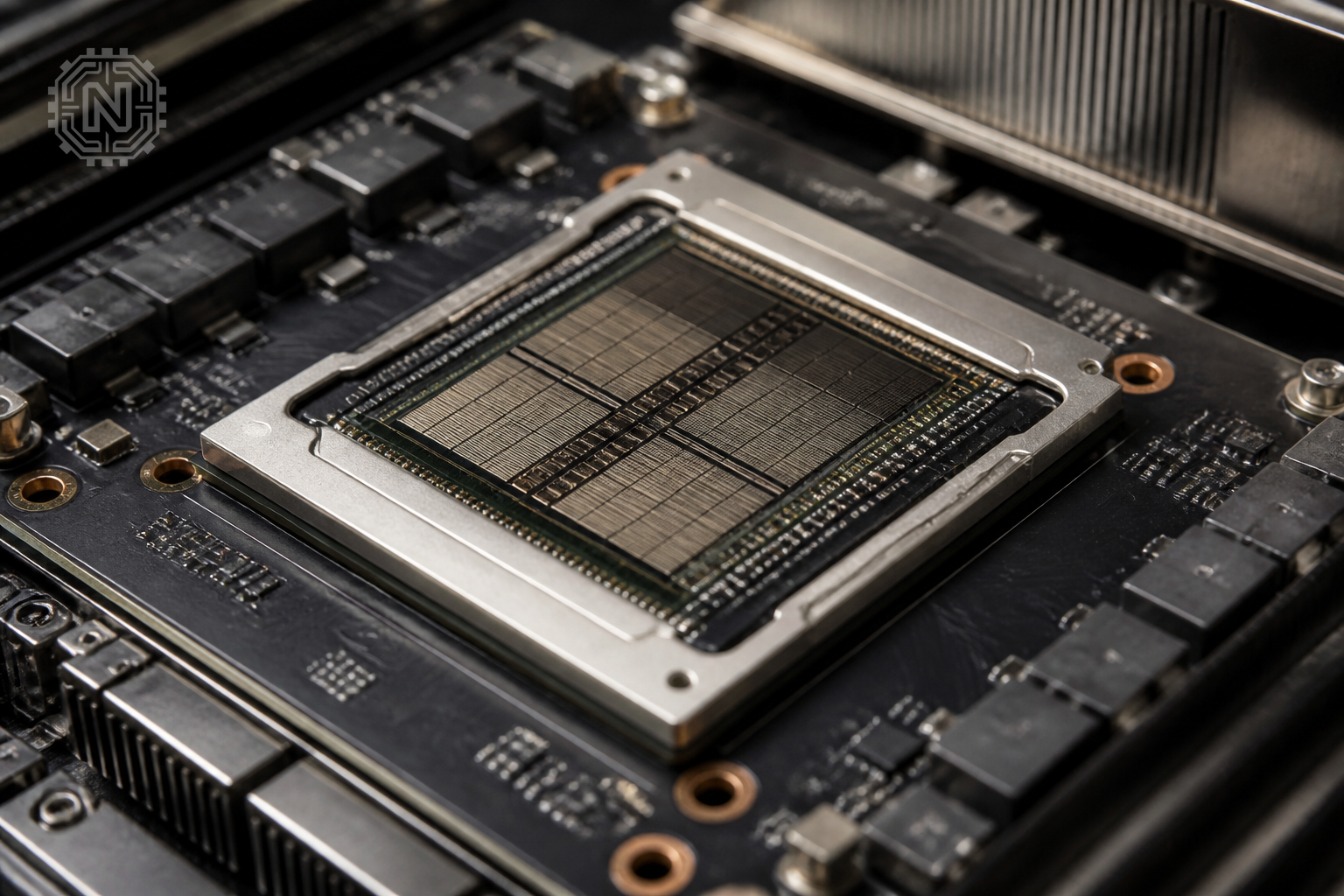
Hardware improvements, including AI-specific chips, have also played a significant role, enabling more complex models to train faster without exorbitant energy costs. Learn more about hardware impacts in our AI content detection report.
Pros and Cons of Modern Training Methods
- Faster training times and reduced costs.
- Less dependence on labeled data.
- Requires specialized hardware for optimal performance.
- Potential for overfitting if not properly managed.
"Innovative training strategies are unlocking new levels of AI performance while reducing resource consumption."
Senior AI Researcher
What are the latest innovations in AI training algorithms?
Recent innovations include adaptive optimizers like AdamW, which improve convergence rates, and gradient checkpointing that reduces memory usage during training. These algorithms allow larger models to be trained on existing hardware.
Another breakthrough is the use of curriculum learning, where models are trained on progressively more complex data, mimicking human learning processes. This technique has shown promising results in natural language processing and computer vision tasks.
These innovations are documented in recent papers from arXiv and are adopted by startups and tech giants alike.
Did You Know?
- Gradient checkpointing can save up to 50% of memory during training.
- Curriculum learning helps models generalize better with less data.
"Algorithmic improvements are crucial for scaling AI models efficiently in 2026."
AI Systems Engineer
What are industry leaders saying about AI training in 2026?
Leading firms emphasize that the focus now is on making training more sustainable and accessible. Samsung and Microsoft highlight advancements in hardware and software that cut training times while improving model robustness.

Regulators and standards bodies are also paying attention, with initiatives aimed at ensuring ethical and safe AI development. You can read more about recent policy shifts in AI regulation.
As Dr. Lisa Chen, a senior researcher at OpenAI, states, “Our focus is on creating models that learn faster, use less energy, and are more aligned with human values.”
Why AI Training Advances Matter
- Faster training accelerates AI deployment across industries.
- Reduced costs make AI accessible to more organizations.
- Improved training methods lead to safer, more reliable models.
"The future of AI depends heavily on how efficiently and ethically we can train models in the coming years."
AI Policy Expert
Future outlook: Where is AI model training headed?
Looking ahead, AI model training is likely to become more autonomous, with models capable of self-improvement and adaptation post-deployment. Techniques like continual learning and federated training will become standard.
Emerging trends include the integration of quantum computing to drastically speed up training processes and the development of more energy-efficient algorithms to reduce environmental impact.
Experts predict that by 2030, AI models could achieve near-human learning capabilities, with training becoming more decentralized and democratized, thanks to cloud-based solutions and open-source frameworks.
Future Trends in AI Training
- Self-improving models will learn continuously.
- Quantum computing could revolutionize training speeds.
- Energy-efficient algorithms will reduce environmental impact.
- Decentralized training will become mainstream.
Editorial Sources
Conclusion
AI model training in 2026 is at a pivotal point, driven by innovative algorithms, hardware breakthroughs, and new learning paradigms. These advances are not only making AI faster and more accurate but also more sustainable and accessible, setting the stage for even more ambitious developments ahead.
Frequently Asked Questions
What is the most significant recent innovation in AI training?
Self-supervised learning and hardware acceleration are among the most impactful innovations in 2026.
How do new training techniques reduce costs?
They require less labeled data and faster hardware, cutting computational and data acquisition expenses.
Are AI training methods in 2026 more sustainable?
Yes, advancements focus on energy efficiency and reducing environmental impact.
What role does hardware play in AI training improvements?
Specialized chips and architecture improvements enable faster, more efficient training.
Can smaller organizations benefit from 2026 AI training advances?
Absolutely, more efficient algorithms lower hardware and data costs, making AI accessible.
What is the future of AI training technology?
Expect autonomous, continual learning models with quantum computing integration.
How do industry leaders view current AI training trends?
They see faster, more efficient, and more sustainable training as key to future AI development.
Is data quality still important in 2026?
Yes, high-quality data remains critical for effective and accurate AI models. For more on Artificial Intelligence, explore Newtechzy. You can also review our Privacy Policy and Cookie Policy, or learn more About us.
Related Topics
Explore our in-depth coverage of AI innovations and stay ahead in the AI race. Contact us to learn more about the future of AI training.
Start Your Journey Today!


