


Quick Summary
- New AI detection tools launched in 2026 to verify content authenticity.
- Deepfake technology advances challenge detection accuracy.
- Platforms increasingly rely on AI tools to fight misinformation.
- Detection methods include watermarking, fingerprinting, and AI classifiers.
- False positives and adversarial attacks remain key challenges.
- Future AI detection tools aim for higher accuracy and transparency.
In 2026, AI content detection has become a critical tool for verifying the authenticity of digital media. As AI-generated content, including deepfakes and synthetic articles, proliferates, the need for reliable detection methods has surged. AI content detection tools are now central to maintaining trust online and combating misinformation.
This urgency is driven by the rapid evolution of AI techniques that produce highly convincing fake videos, images, and text. Major platforms like YouTube, Facebook, and TikTok now deploy AI detection systems to flag suspicious content, while governments and fact-checkers seek more sophisticated solutions to stay ahead of malicious actors.
AI Content Detection in 2026: Background and Core Details
The rise of AI-generated media has made content verification more challenging than ever. Early detection relied on simple watermarking, but as AI models like GPT-4 and deepfake generators have advanced, so have detection techniques.
Modern AI content detection tools utilize a mix of machine learning classifiers, digital fingerprinting, and watermarking to identify synthetic media. Companies like OpenAI and startups such as Deeptrace have developed proprietary algorithms that analyze subtle artifacts in media files.
One key development is the integration of AI detectors directly into social media platforms, enabling real-time content moderation. This shift helps prevent the viral spread of deepfakes and misinformation, especially during sensitive events like elections or geopolitical crises.
For deeper insights, see our article on AI model interpretability in 2026 and how transparency affects detection accuracy.
Key Facts About AI Content Detection in 2026
- Detection tools now use multi-layered AI classifiers for better accuracy.
- Watermarking techniques are becoming standard in AI-generated media.
- Adversarial attacks on detection systems are a growing concern.
- Detection accuracy varies across media types and AI models.
"Effective AI content detection is essential for preserving trust and preventing misinformation from spreading unchecked."
Cybersecurity Analyst
How Do AI Content Detection Tools Work in 2026?
Modern detection tools analyze media artifacts, metadata, and model fingerprints to identify synthetic content. Techniques include deep neural networks trained on vast datasets of real and fake media.
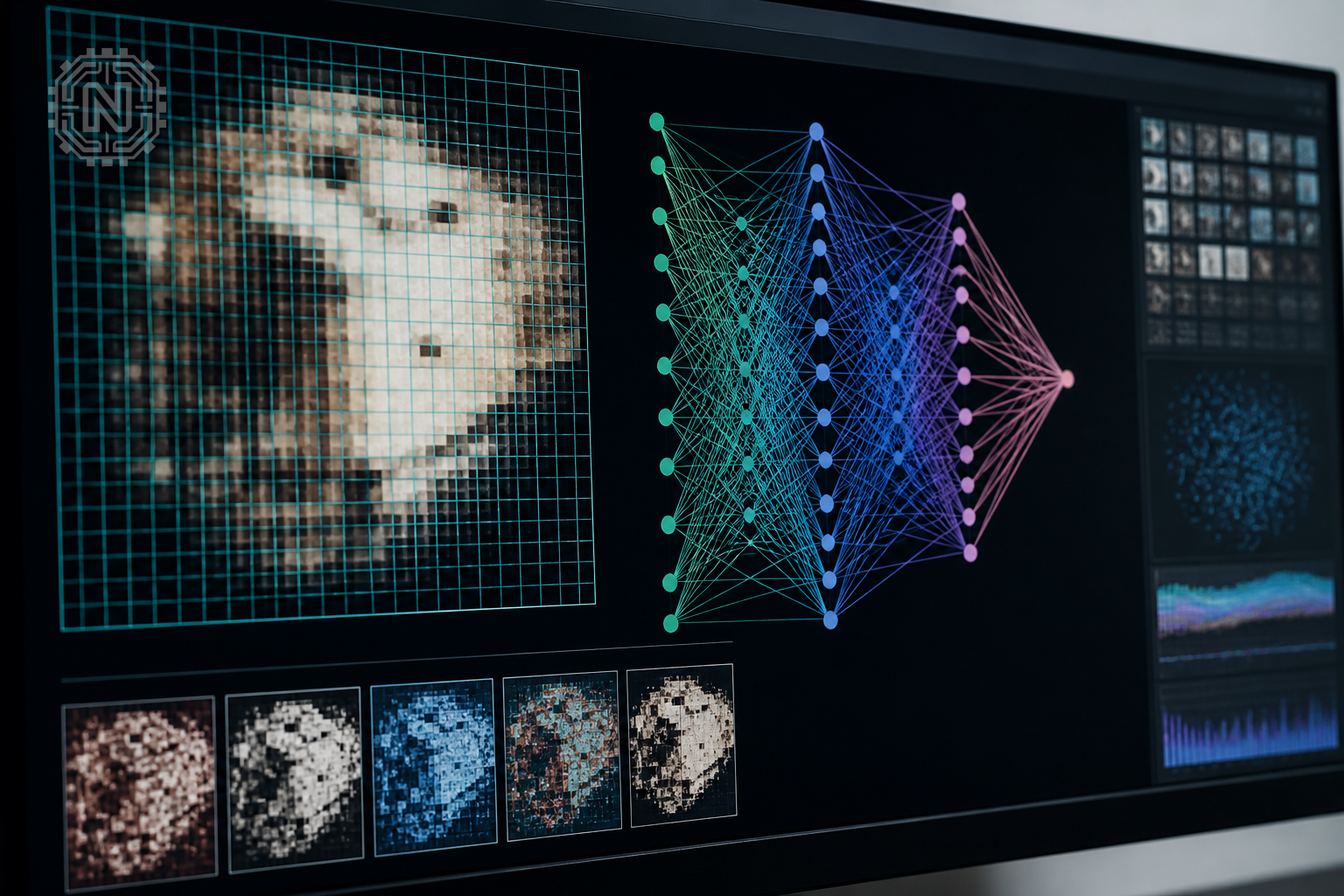
Watermarking embeds invisible signatures in AI-generated media, which detection systems can verify. Fingerprinting creates unique digital identifiers for media sources, making it easier to trace authenticity.
Some tools leverage AI to spot inconsistencies, such as unnatural blinking or irregular lighting in videos. Others examine the linguistic style of AI-generated text to flag suspicious articles.
For detailed mechanics, check out our guide on AI interpretability in 2026.
Did You Know?
- Watermarking is now embedded in most AI-generated images.
- Fingerprinting helps trace media back to its AI source.
"Combining multiple detection techniques enhances reliability but also introduces new challenges like false positives."
AI Security Expert
What Are the Challenges Facing AI Content Detection in 2026?
Despite advances, detection systems face obstacles such as adversarial attacks designed to evade detection. Malicious actors develop AI models that produce media intentionally crafted to bypass classifiers.
False positives also remain a concern, especially in high-stakes environments like news verification. Balancing detection sensitivity with accuracy is an ongoing challenge.
Moreover, the rapid pace of AI model development outstrips the speed of detection improvements, creating a constant arms race. Researchers are working on adaptive algorithms that learn from new threats in real time.
For more on these issues, see our article on AI hallucinations in 2026.
Challenges in AI Content Detection
- Adversarial attacks can fool detection systems.
- False positives may hinder trust in verified content.
- Rapid AI model evolution outpaces detection updates.
"Overcoming adversarial techniques remains the biggest hurdle for reliable AI content detection."
Cybersecurity Researcher
Implications and Practical Takeaways for 2026
AI content detection tools are now vital for media organizations, governments, and social platforms. They help combat misinformation but are not foolproof.

Organizations should combine automated detection with human review to minimize errors. Transparency about detection methods builds user trust.
Investing in continuous research and adapting detection algorithms are crucial as AI models evolve. Public awareness campaigns also help users identify suspicious content.
Learn more about latest AI news and how to implement verification strategies effectively.
Why AI Content Detection Matters in 2026
- Prevents spread of misinformation and deepfakes.
- Maintains trust in digital media and news.
- Supports regulatory compliance and platform safety.
"Reliable detection tools are essential for safeguarding truth in the digital age."
Digital Media Expert
Future Outlook: What's Next for AI Content Detection?
Future detection systems will likely incorporate more advanced AI, including explainability features that clarify why content was flagged. This transparency is key to public acceptance.
Research is also focusing on creating universal detectors that work across media types and AI models, reducing the need for multiple tools.
Collaboration between tech companies, academia, and regulators will accelerate the development of standards and best practices.
Stay updated on emerging trends by following our coverage at AI news and about us.
Future of AI Content Detection
- Increased transparency with explainable AI detection.
- Development of universal, cross-media detectors.
- Stronger collaboration for standards and regulations.
Editorial Sources
Conclusion
As AI-generated content becomes more sophisticated, the importance of reliable detection tools grows. Continuous innovation and collaboration are vital to preserving trust and ensuring the integrity of digital media in 2026 and beyond.
Frequently Asked Questions
What is AI content detection and why is it important in 2026?
AI content detection identifies synthetic media to verify authenticity and combat misinformation.
How do AI detection tools identify deepfakes?
They analyze artifacts, metadata, and digital fingerprints unique to AI-generated media.
Are AI detection methods reliable against evolving deepfake technology?
While improving, detection systems face challenges from adversarial attacks and new AI models.
What are common techniques used in AI content detection?
Watermarking, fingerprinting, neural network classifiers, and anomaly detection are typical methods.
Can AI content detection be fooled by malicious actors?
Yes, adversarial attacks can sometimes bypass detection, making ongoing research essential.
How can platforms improve trust with AI detection?
By combining automated tools with human review and being transparent about detection methods.
What future advancements are expected in AI content detection?
More explainable AI, cross-media detectors, and global standards are on the horizon.
Is AI content detection available for individual users?
Most tools are integrated into platforms or offered as enterprise solutions, not for casual use. For more on Artificial Intelligence, explore Newtechzy. You can also review our Privacy Policy and Cookie Policy, or learn more About us.
Related Topics
Stay informed about the latest AI verification tools and best practices. Explore our in-depth coverage and expert insights to keep your content trustworthy.
Start Your Journey Today!


