

Quick Summary
- AI hallucinations are increasingly common in 2026, undermining trust.
- They occur when models generate incorrect or misleading info.
- Current mitigation strategies focus on improved training and validation.
- Hallucinations can impact critical sectors like healthcare and finance.
- AI developers are working on transparency tools to address this.
- Understanding hallucinations is key to safer, more reliable AI.
In 2026, AI hallucinations have become a pressing concern, with models sometimes producing convincing but false information. These inaccuracies threaten the trustworthiness of AI systems used in everything from healthcare to finance, raising questions about safety and reliability.
As AI models grow more sophisticated and integrated into daily workflows, understanding the nature of hallucinations and how to mitigate them has never been more urgent. This article explores what AI hallucinations are, why they happen, and what the industry is doing to address this challenge.
Understanding AI hallucinations and their impact in 2026
AI hallucinations occur when models generate outputs that are factually incorrect or misleading, despite appearing plausible. These errors are especially problematic in high-stakes fields like medicine, legal services, and autonomous vehicles.
For example, a language model might confidently cite a non-existent study or misattribute a quote, eroding user trust. The phenomenon is rooted in the way models predict text based on patterns rather than verified facts, leading to unintended hallucinations.
According to a recent report by OpenAI, hallucinations are among the top challenges in deploying AI responsibly. They significantly impact user confidence and can cause real-world harm if unchecked.
To learn more about how AI models work and their limitations, visit our guide on AI-generated art in 2026. For a broader industry perspective, check out Agentic AI Outlook 2026.
Key Facts About AI Hallucinations
- Hallucinations are false outputs generated by AI models.
- They stem from the models' pattern-based prediction mechanisms.
- Higher model complexity can increase hallucination frequency.
- Mitigation includes better training data and validation techniques.
- They pose risks in healthcare, finance, and autonomous systems.
"Addressing AI hallucinations is crucial for building trustworthy systems that users can rely on for critical decisions."
AI Industry Expert
Why do AI hallucinations happen and how are models affected?
Hallucinations primarily occur because large language models (LLMs) predict words based on statistical patterns learned during training, not on factual verification. This can lead to confidently fabricated details that seem credible.

Factors influencing hallucination frequency include model size, training data quality, and the complexity of the task. Smaller models tend to hallucinate less but are also less capable, creating a trade-off for developers.
Recent advances aim to reduce these errors through techniques like reinforcement learning with human feedback (RLHF) and improved dataset curation. Companies like Google and Microsoft are investing heavily in these areas.
Why AI Hallucinations Matter
- They threaten the safety of AI applications in critical sectors.
- Undermine trust and user confidence in AI systems.
- Can lead to misinformation and harmful decisions.
- Regulators are increasingly scrutinizing model reliability.
Current mitigation strategies for AI hallucinations
To combat hallucinations, developers are adopting multiple strategies. These include refining training datasets to exclude misleading data and implementing validation layers that cross-check outputs against verified sources.
Tech companies are also exploring transparency tools that highlight the confidence level of each generated output, helping users gauge reliability.
OpenAI’s GPT-5.6 and Google’s Bard have integrated fact-checking modules, while startups like AI Safety Labs are developing new algorithms to detect and correct hallucinations in real-time.
Despite these efforts, completely eliminating hallucinations remains a challenge, prompting ongoing research and industry collaboration. For more on AI safety, visit AI cybersecurity in 2026.
"Effective mitigation of AI hallucinations requires continuous improvement in training data, model design, and validation processes."
AI Research Scientist
Implications for industries and future outlook
As hallucinations persist, industries like healthcare, legal, and autonomous driving are adopting stricter oversight and validation protocols. The risk of misinformation can have serious consequences, from misdiagnosis to legal errors.
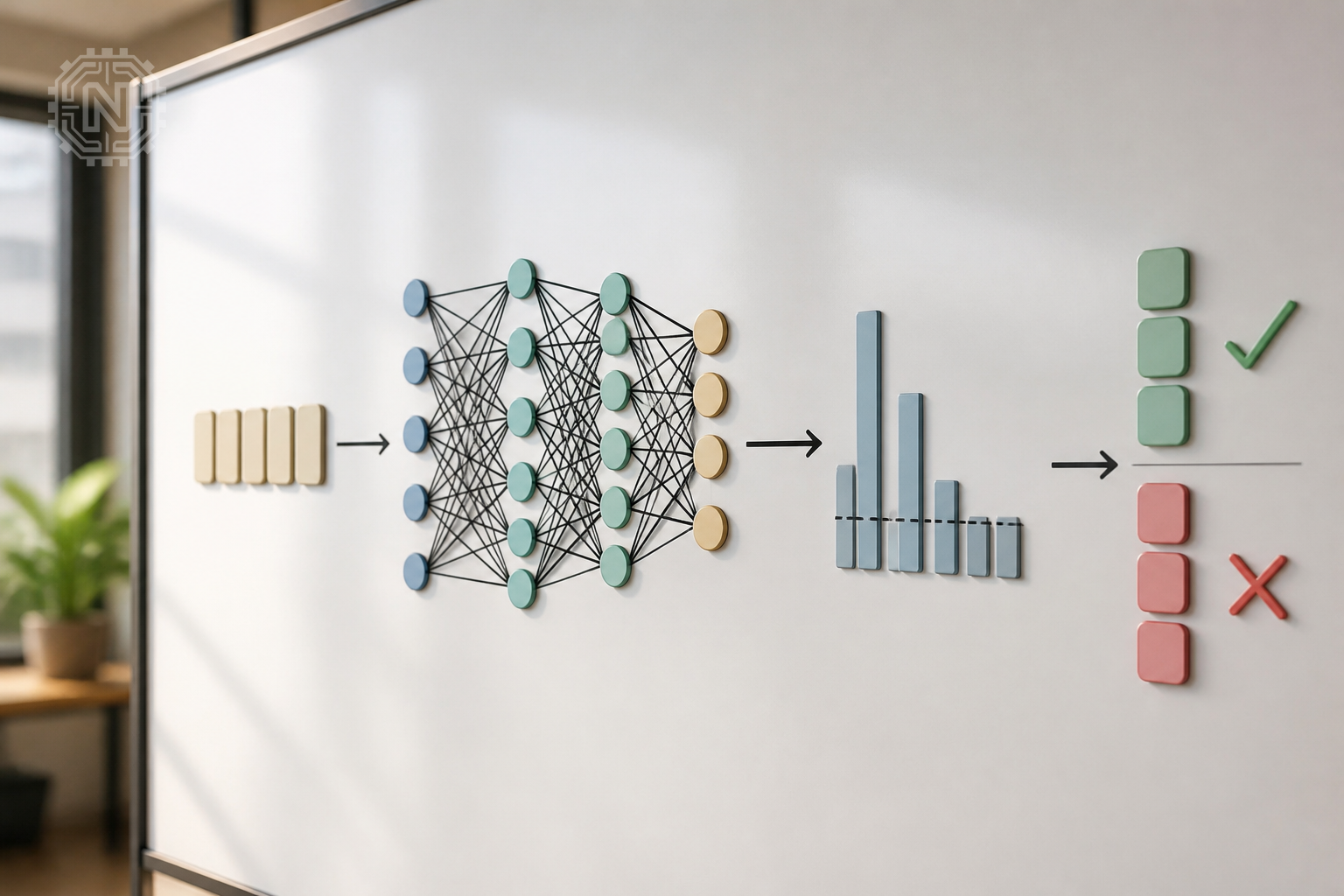
Looking ahead, the focus is on developing AI systems that can explain their reasoning, providing transparency and accountability. This includes integrating external verification sources and user feedback loops.
Regulators are also stepping in, proposing standards for AI reliability and safety. The evolution of AI governance will shape how hallucinations are managed in the coming years.
Ultimately, addressing hallucinations is key to building trustworthy AI that can operate safely at scale. For ongoing updates, follow our coverage on tech news.
Future Outlook on AI Hallucination Management
- Pros: Improved safety, increased trust, better user experience.
- Cons: Ongoing technical challenges, higher development costs.
- Next steps include advanced verification and explainability tools.
Why understanding AI hallucinations is crucial for users and developers
Understanding what causes AI hallucinations helps users interpret model outputs critically and avoid over-reliance. For developers, it highlights the importance of designing safer, more accurate systems.
As AI becomes embedded in decision-making processes, transparency about model limitations will be vital for responsible deployment.
Educational resources and industry standards are emerging to guide best practices, ensuring AI hallucinations are managed effectively.
"Building awareness about AI hallucinations will improve both user trust and system safety in the long run."
AI Safety Researcher
Editorial Sources
Conclusion
AI hallucinations in 2026 pose a significant challenge to the trustworthiness and safety of AI systems. While mitigation efforts are advancing, ongoing research and transparent practices are essential to ensure these errors do not undermine AI’s potential benefits. Stakeholders must prioritize reliability to build confidence in AI-enabled solutions.
Frequently Asked Questions
What are AI hallucinations?
AI hallucinations are false or misleading outputs generated by models, often appearing plausible but lacking factual basis.
Why do AI models hallucinate?
They hallucinate because models predict outputs based on patterns learned during training, not on verified facts.
Are hallucinations common in AI systems?
Yes, especially in larger, more complex models and in high-stakes applications where accuracy is critical.
How can AI hallucinations be prevented?
Through better training data, validation layers, transparency tools, and ongoing model refinement.
Do hallucinations affect all AI models equally?
No, their frequency depends on model size, training quality, and the specific application context.
What industries are most impacted by AI hallucinations?
Healthcare, finance, legal, and autonomous vehicles are particularly vulnerable to misinformation from hallucinations.
Are there standards for managing AI hallucinations?
Regulatory bodies and industry groups are developing guidelines, but practices vary across sectors.
Can AI hallucinations cause harm?
Yes, they can lead to misdiagnosis, legal errors, or safety issues if not properly managed. For more on Artificial Intelligence, explore Newtechzy. You can also review our Privacy Policy and Cookie Policy, or learn more About us.
Related Topics
Stay informed on AI safety updates and best practices. Explore our detailed guides to ensure responsible AI use and deployment.
Start Your Journey Today!


