

Quick Summary
- AI-generated images are now indistinguishable from real photos.
- They reduce content creation costs and time significantly.
- Major companies are adopting AI image tools for marketing.
- Concerns about authenticity and copyright are rising.
- New tools like Midjourney and DALL·E dominate the market.
- Future developments will include more personalized and dynamic visuals.
AI-generated images have become a major force in 2026, fundamentally changing how visual content is produced. These images, created by advanced generative models, now rival real photographs in quality and realism, opening new creative possibilities.
From advertising to entertainment, the adoption of AI for image creation accelerates, driven by improved algorithms and increasing accessibility. This shift raises questions about authenticity, copyright, and the future of visual artistry.
AI-generated images in 2026: How AI is transforming visual content creation
AI-generated images are created using sophisticated neural networks trained on vast datasets of real photos and artworks. Models like DALL·E 3 and Midjourney have pushed the boundaries of realism, enabling users to produce stunning visuals with simple text prompts.
These tools are now embedded in various industries—marketing teams craft bespoke ads, filmmakers generate concept art, and game developers design assets—often faster and cheaper than traditional methods. Companies like Adobe and Canva integrate AI features to democratize content creation further.
Unlike early AI art, current models can produce highly specific images that match detailed descriptions, making them invaluable for rapid prototyping and personalized content. This democratization of high-quality visuals is reshaping creative workflows across sectors.
For example, a recent report from OpenAI highlighted how AI-generated images are used to customize product packaging, reducing design cycles from weeks to days. As these tools evolve, expect even more realistic and context-aware visuals.
To learn more about the technical mechanics behind these models, see our guide on AI model training in 2026. The core technology involves complex algorithms like diffusion models and GANs, which iteratively refine images to produce photorealistic results.
Key Facts About AI-Generated Images
- Most AI image tools now produce images indistinguishable from real photos.
- They enable rapid content creation, reducing costs by up to 70%.
- Major platforms like Midjourney, DALL·E, and Stable Diffusion dominate the market.
- Concerns about copyright infringement and authenticity are increasing.
- AI-generated images are increasingly used in advertising, gaming, and entertainment.
"AI-generated images are now a core part of digital content strategies, offering unprecedented speed and flexibility for creators."
Industry Analyst
How do AI-generated images work? The technology explained
At the heart of AI-generated images are models like diffusion algorithms and generative adversarial networks (GANs). These models learn from millions of images, enabling them to create new visuals based on textual prompts or style inputs.
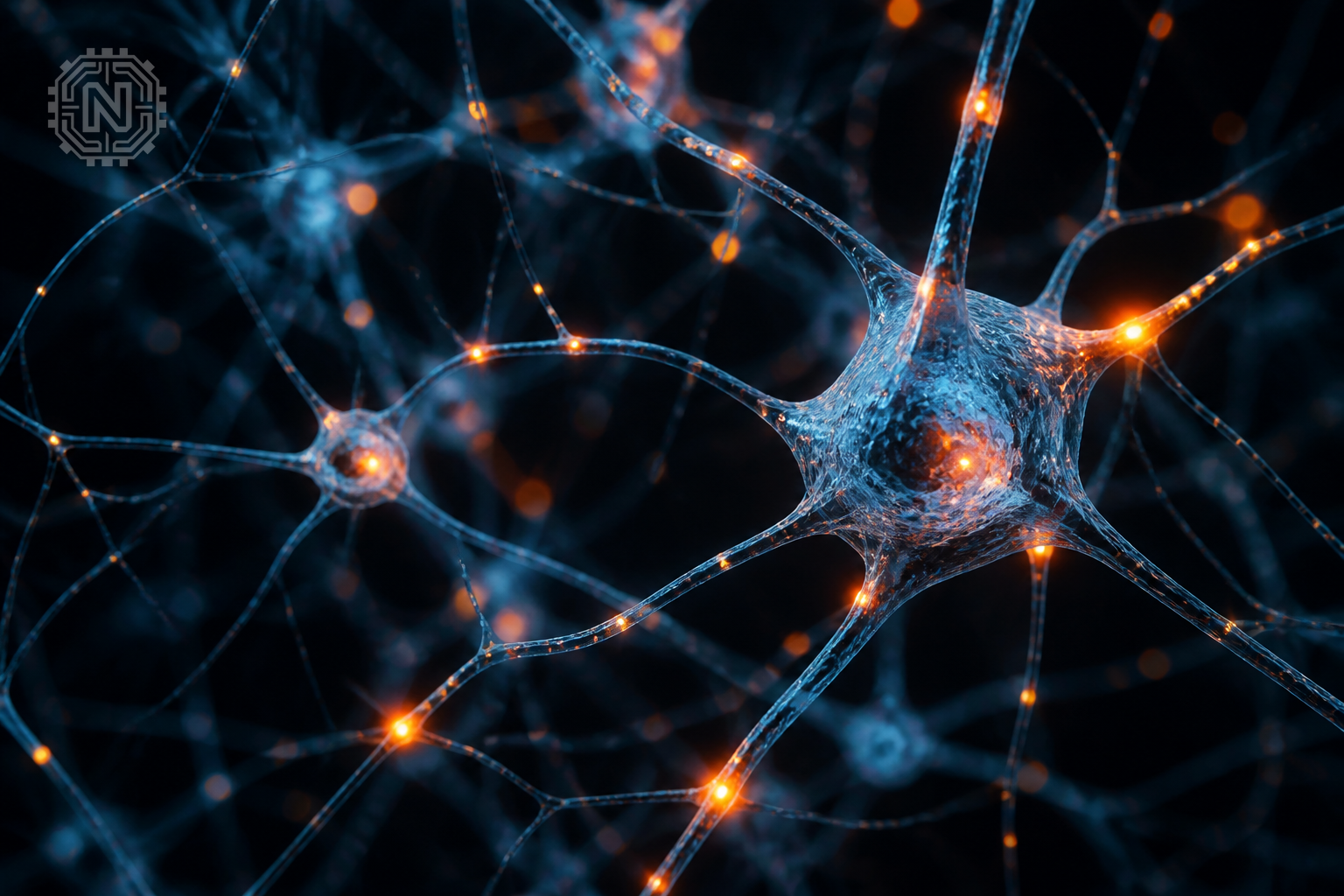
Diffusion models work by progressively adding and removing noise from a starting image, guided by learned patterns, to produce highly detailed visuals. GANs, on the other hand, pit two neural networks against each other to generate and validate images, refining quality with each iteration.
In practice, a user inputs a detailed description, and the AI model synthesizes an image by predicting pixel arrangements that match the prompt. The process involves complex calculations but is now accessible through user-friendly interfaces.
For a technical deep dive, see Wikipedia’s GAN article. The evolution of these models has been driven by increases in computational power and dataset size.
Practical tools like Stability AI and OpenAI provide accessible platforms for creators to experiment with these technologies without needing deep technical skills.
Did You Know?
- AI-generated images can be customized to match specific branding styles.
- They are used in virtual fashion shows and digital art galleries.
- Some models can generate videos or 3D objects from simple prompts.
What are the practical implications of AI-generated images?
The rise of AI-generated visuals impacts multiple sectors—marketing, entertainment, and even journalism. Companies save on traditional photo shoots, and creators can produce diverse visuals instantly.
However, this also raises issues around copyright, authenticity, and potential misuse. Deepfake technology, a related field, can create convincing fake images and videos, complicating trust in visual media.
Regulatory bodies are beginning to consider guidelines for AI-generated content. The European Data Protection Board is among the entities exploring policies to prevent misuse while fostering innovation.
For practical advice on using AI tools responsibly, see our guide on AI bias mitigation. Ensuring transparency and respecting copyright are key considerations for creators and users alike.
Pros and Cons of AI-Generated Images
- Pros: Faster production, lower costs, high customization, and new creative possibilities.
- Cons: Copyright concerns, authenticity issues, and potential misuse for misinformation.
Why does AI-generated imagery matter for the future?
As AI-generated images become more realistic and accessible, they will redefine visual storytelling, advertising, and even personal expression. The boundary between real and synthetic visuals blurs, challenging our perception of authenticity.
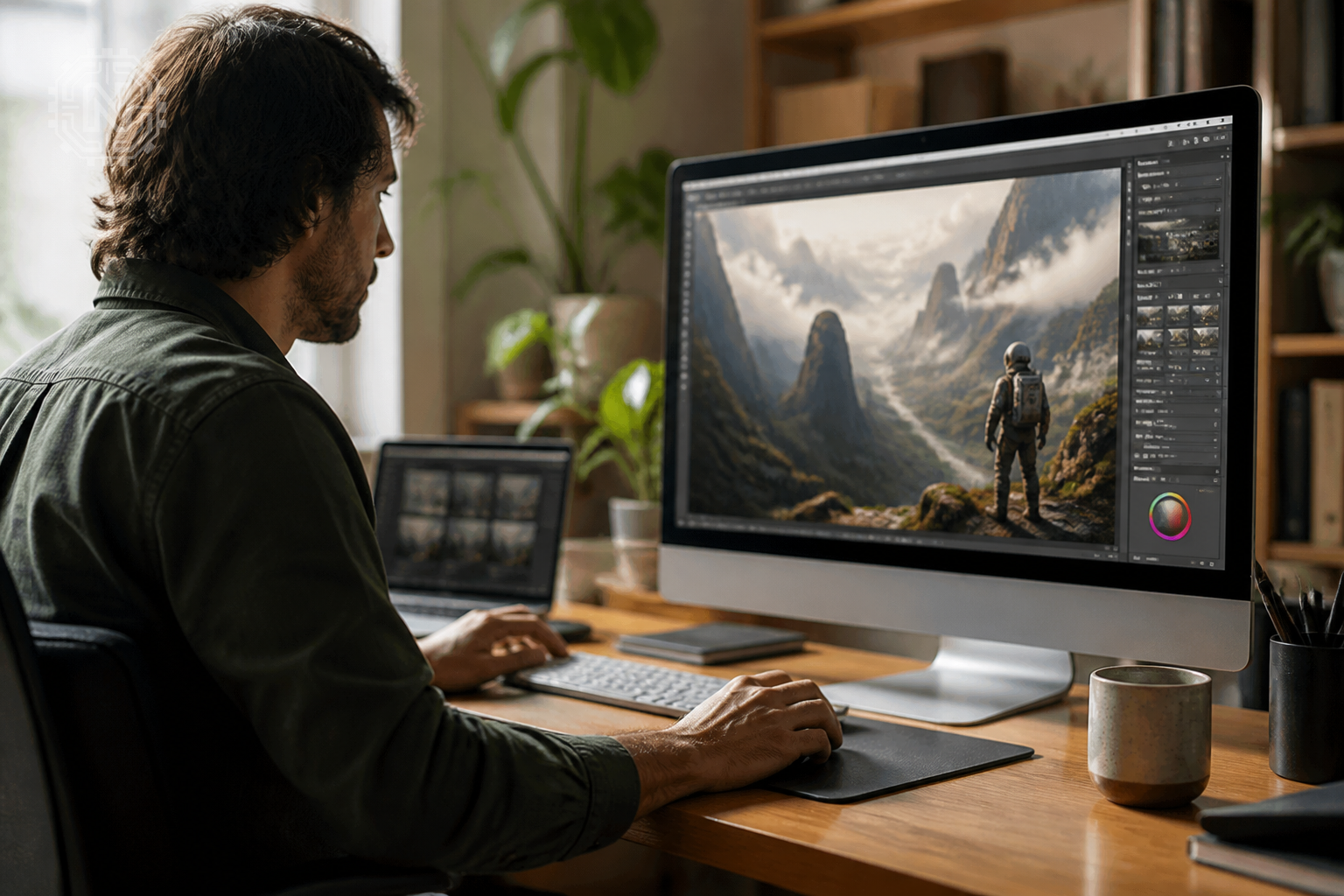
This shift could democratize art creation, enabling anyone to produce professional-quality visuals without specialized skills. But it also demands new ethical standards and copyright frameworks to protect creators and consumers.
Looking ahead, advancements like real-time dynamic images and personalized visual content will further embed AI in daily life. Companies investing heavily in these technologies aim to capture new markets and redefine digital interaction.
For a broader context, see our article on AI model interpretability and how understanding these models is crucial as they become more embedded in society.
"The future of visual content creation hinges on how well we manage the ethical and legal challenges posed by AI-generated images."
Futurist and Tech Ethicist
Editorial Sources
Conclusion
AI-generated images are reshaping the creative landscape in 2026, offering incredible opportunities and new challenges. As these tools become more sophisticated and widespread, understanding their mechanics and implications is essential for creators, consumers, and regulators alike.
Frequently Asked Questions
What is AI-generated imagery?
AI-generated imagery involves creating visuals using neural networks trained on large datasets, producing images based on text prompts or styles.
Are AI-generated images realistic?
Yes, modern AI models can produce highly realistic images that are often indistinguishable from real photographs.
Can AI-generated images be used commercially?
Absolutely, many companies use AI visuals for marketing, branding, and product design, saving time and costs.
What are the main tools for AI image creation?
Popular tools include DALL·E, Midjourney, Stable Diffusion, and Adobe’s AI features integrated into creative apps.
Are there copyright concerns with AI images?
Yes, copyright and intellectual property issues are ongoing, especially regarding training data and commercial use rights.
How do diffusion models work in AI image generation?
Diffusion models iteratively refine noisy images into detailed visuals by reversing a noise process learned during training.
What are the risks of misuse of AI-generated images?
Risks include deepfake creation, misinformation, and unauthorized use, emphasizing the need for regulation and ethical standards.
What’s next for AI-generated images?
Future developments include real-time, dynamic visuals, personalized content, and improved realism, expanding their role in daily life. For more on Artificial Intelligence, explore Newtechzy. You can also review our Privacy Policy and Cookie Policy, or learn more About us.
Related Topics
Explore our full guide on AI art tools and learn how to integrate these technologies into your projects responsibly. Stay ahead in the rapidly evolving world of AI-generated visuals.
Start Your Journey Today!


