


Quick Summary
- Smart home devices are more connected and vulnerable in 2026.
- Effective security requires multi-layered protection strategies.
- Regular updates and strong passwords are critical.
- Many devices lack built-in security features, increasing risk.
- User awareness is key to preventing breaches.
- Future trends point to increased AI-based security tools.
With more smart home devices in use than ever before, 2026 has seen a surge in security concerns around connected gadgets. Smart home security is no longer optional—it's essential to protect your privacy and prevent hacking.
As IoT devices become smarter and more integrated into daily life, vulnerabilities multiply. Staying ahead of threats means understanding the latest risks and how to defend against them effectively.
Smart home security in 2026: Background and core risks
The proliferation of smart home gadgets—from security cameras to smart locks—has made household automation more convenient but also more vulnerable. Hackers exploit weak passwords, unpatched firmware, and insecure networks to access these devices.
Recent reports show a rise in smart home breaches, often leading to privacy invasions or even physical theft. According to Google Security Blog, IoT vulnerabilities are a growing concern for consumers and manufacturers alike.
What makes smart home devices vulnerable?
- Default passwords and weak credentials
- Unencrypted data transmission
- Outdated firmware and software
- Insecure Wi-Fi networks
Understanding these core risks helps in building a robust security posture for your connected home.
Key Facts About Smart Home Security in 2026
- Most breaches start with weak passwords or default credentials.
- Firmware updates are critical but often neglected by users.
- Many devices lack native security features.
- AI-driven security tools are emerging to detect threats faster.
"Proactive security measures can significantly reduce the risk of smart home breaches."
Cybersecurity Expert
How to secure your smart home devices in 2026
Securing your smart home involves a combination of best practices and smart technology choices. Start with changing default passwords to strong, unique ones for each device.
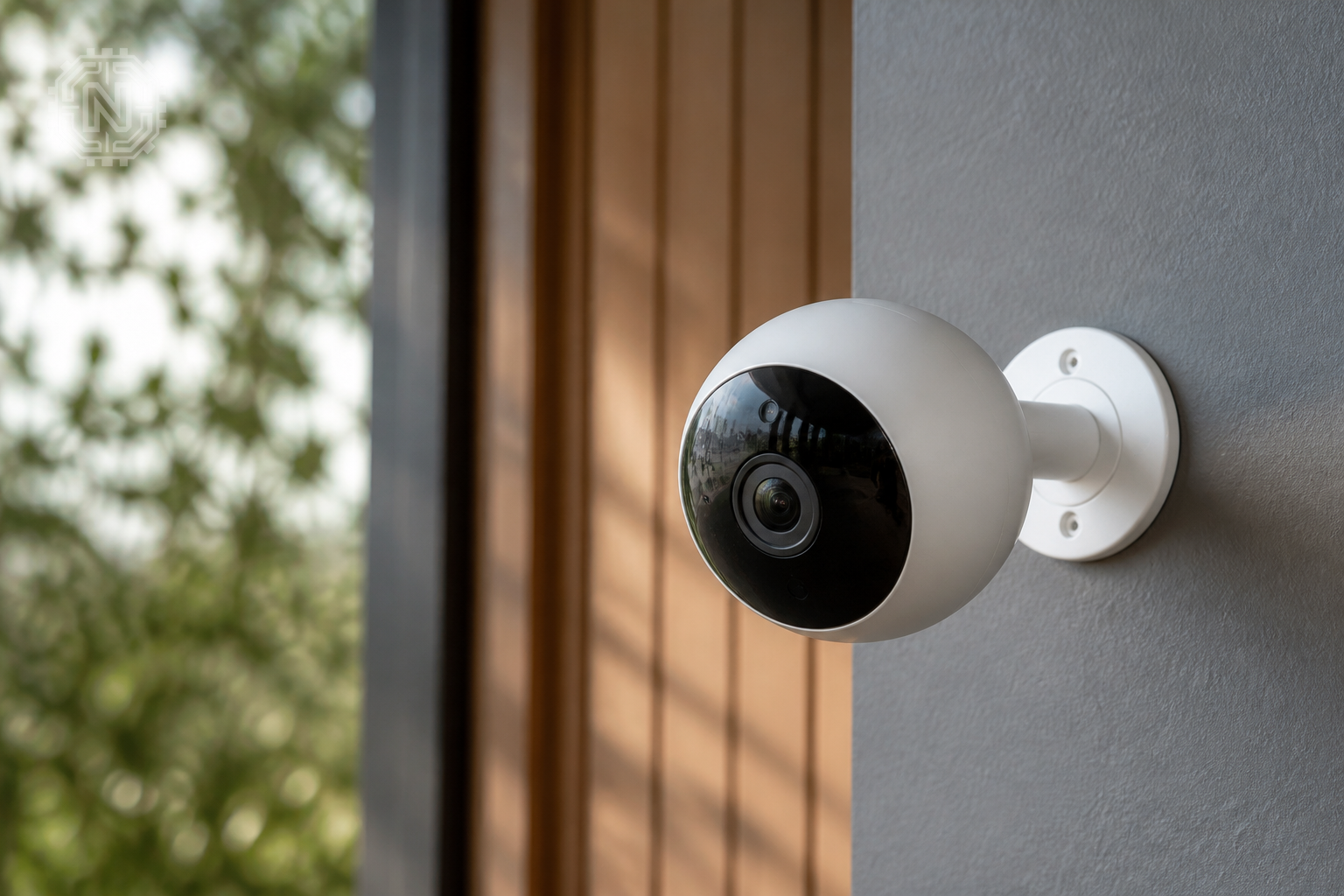
Enable two-factor authentication where available, and regularly update device firmware to patch vulnerabilities. Consider segmenting your Wi-Fi network to isolate IoT devices from personal computers and smartphones.
Use a reputable security hub or AI-based monitoring system to detect unusual activity. Many companies now offer integrated solutions that alert you to potential breaches in real-time.
What are the best practices for device management?
- Regularly update device firmware and software
- Disable unnecessary features and remote access
- Use strong, unique passwords for each device
Implementing these steps can drastically reduce your risk of being targeted by cybercriminals.
Why Smart Home Security Matters in 2026
- Connected devices can be entry points for cyberattacks.
- Data breaches threaten personal privacy and security.
- Insecure devices can be exploited for physical theft.
- Enhanced security protects your investment and peace of mind.
"Investing in proper security now prevents costly breaches later."
Security Analyst
Comparing security tools and solutions for 2026
Many vendors offer dedicated security solutions for smart homes, from AI monitoring systems to network segmentation devices. Choosing the right tools depends on your device ecosystem and threat level.
For example, some solutions focus on AI threat detection, while others emphasize network isolation or automatic firmware updates. A comprehensive approach combines multiple layers for best protection.
Companies like Arlo and Samsung offer integrated security options, but always verify compatibility and reviews before purchasing.
Security Tools Comparison for 2026
- AI threat detection offers real-time alerts.
- Network segmentation isolates devices effectively.
- Automatic firmware updates reduce vulnerabilities.
- Cost and complexity vary across solutions.
Future outlook: What’s next for smart home security?
As IoT technology advances, so will the sophistication of security threats. Manufacturers are increasingly integrating AI-based defenses directly into devices, making them smarter and more resilient.
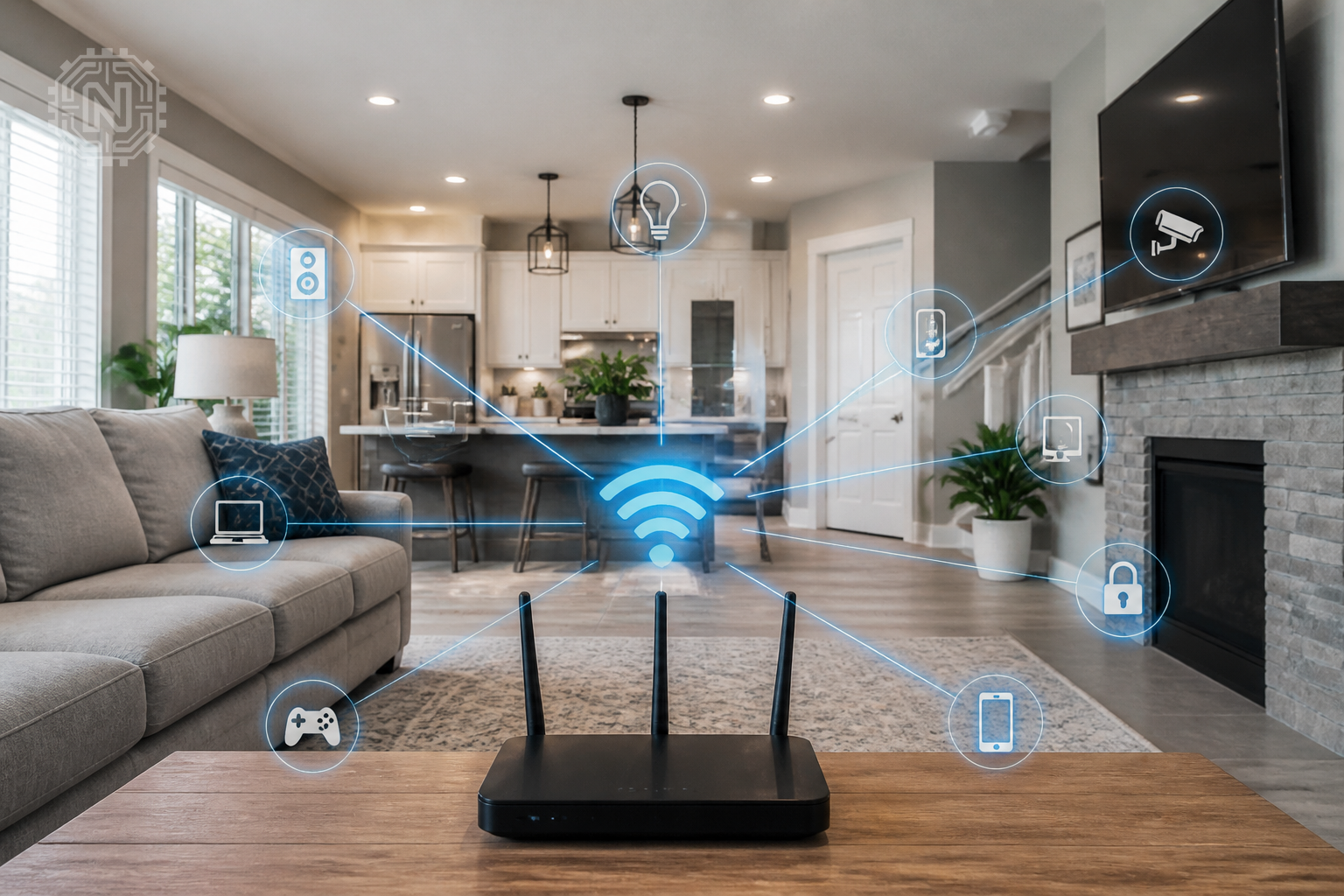
Emerging standards and regulations aim to mandate better security practices, but consumer awareness remains crucial. Expect more user-friendly, automated security solutions to become mainstream in the coming years.
Staying ahead means keeping an eye on industry developments, participating in security updates, and continuously improving your home’s defenses.
Future Trends in Smart Home Security
- AI will play a bigger role in threat detection and response.
- Regulatory standards will enforce better security practices.
- Consumer awareness will drive demand for safer devices.
Editorial Sources
Conclusion
In an increasingly connected world, smart home security in 2026 demands proactive measures, regular vigilance, and smart investments. Protecting your devices today ensures your privacy and safety tomorrow.
Frequently Asked Questions
What are the most common smart home security vulnerabilities?
Weak passwords, outdated firmware, unencrypted data, and insecure networks are the main vulnerabilities.
How can I improve my smart home security in 2026?
Change default passwords, enable two-factor authentication, keep firmware updated, and segment your Wi-Fi network.
Are AI security tools effective for smart homes?
Yes, AI tools can detect threats faster and more accurately than traditional methods, improving overall security.
What should I look for in a smart home security system?
Compatibility with your devices, real-time alerts, automatic updates, and strong encryption features.
Is it safe to connect smart devices to public Wi-Fi?
No, public Wi-Fi networks are insecure; use a secure home network or VPN for better protection.
How often should I update my smart home devices?
Update firmware as soon as updates are available, ideally at least once a month.
Can smart home devices be hacked remotely?
Yes, if not properly secured, they can be hacked remotely through vulnerabilities.
What role does user awareness play in smart home security?
User awareness is crucial; understanding risks and practicing good habits prevent many common breaches. For more on How-To, explore Newtechzy. You can also review our Privacy Policy and Cookie Policy, or learn more About us.
Related Topics
Explore more about securing your smart home or get expert advice to strengthen your defenses today.
Start Your Journey Today!


