


Quick Summary
- 2026 models feature larger, more durable foldable displays.
- Innovations include ultra-thin hinges and water-resistant designs.
- Major brands like Samsung, Huawei, and Oppo lead the market.
- Foldables now rival tablets in screen size and usability.
- Durability improvements reduce screen crease visibility.
- Future models may introduce rollable and stretchable screens.
Foldable smartphones in 2026 are redefining mobile design, offering larger, flexible screens that fold into pocket-sized devices. These models are packed with new features, from improved durability to innovative hinge mechanisms, making them a key trend this year.
As brands like Samsung, Huawei, and Oppo push the boundaries of foldable tech, consumers are increasingly interested in how these devices perform in everyday use and what new capabilities they bring to the table.
Foldable Smartphone 2026: Background and Market Overview
The foldable smartphone market has grown rapidly since Samsung introduced the Galaxy Fold in 2019. By 2026, the segment features a diverse lineup with major players investing heavily in R&D to improve durability, usability, and design.
Market analysts estimate that foldable phones will account for over 15% of global smartphone sales in 2026, driven by consumer demand for larger screens and innovative form factors. Key players include Samsung, Huawei, Oppo, and Xiaomi, each offering unique approaches to foldable tech.
Industry experts point out that early models suffered from issues like screen crease visibility and hinge durability. Manufacturers have since addressed these challenges with advanced materials and engineering solutions. For more background, see our detailed guide on foldable models.
Key Facts About 2026 Foldables
- Major brands have released multiple foldable models this year.
- Durability and crease visibility have significantly improved.
- Foldable screens now rival tablets in size and clarity.
- Water and dust resistance are common features.
- Innovative hinge designs reduce mechanical wear.
"The evolution of foldable smartphones in 2026 marks a significant step toward mainstream adoption, blending portability with large-screen experience."
Industry Analyst
What Are the Core Features of Foldable Phones in 2026?
Modern foldable smartphones feature ultra-thin flexible displays made from advanced materials like polyimide and ultra-thin glass. These screens are designed to withstand repeated folding without damage, addressing early durability concerns.
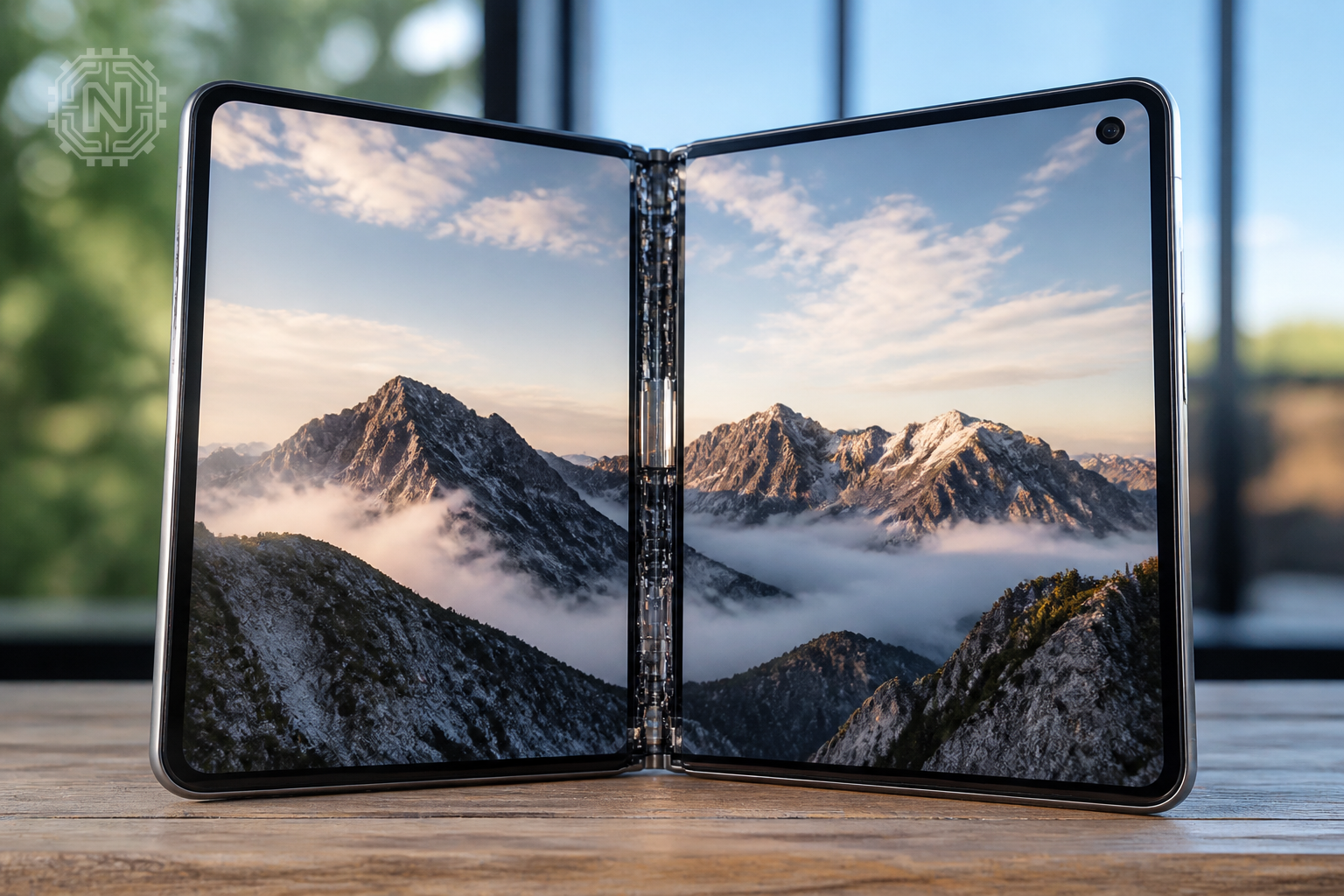
Hinges have become more sophisticated, incorporating water-resistant seals and smoother folding mechanisms. Brands like Samsung use proprietary hinge technology that minimizes creases and improves opening/closing smoothness.
Display sizes have expanded, with some models offering screens larger than 8 inches when unfolded, comparable to small tablets. These devices often include multi-window support, stylus compatibility, and enhanced multitasking features.
Battery technology has also advanced, allowing foldables to support fast charging and longer usage times despite larger screens. For a technical breakdown, see Samsung's official tech specs.
Advantages and Challenges of 2026 Foldables
- Pros: Larger screens, improved durability, innovative designs.
- Cons: Still heavier than traditional phones, price premiums.
Official Reactions and Industry Perspectives
Leading manufacturers have highlighted their commitment to making foldable phones more durable and affordable. Samsung’s recent latest press release emphasizes their focus on hinge technology and water resistance.
Analysts predict foldables will continue to grow as costs decrease and manufacturing processes mature. Industry insiders warn that despite advancements, foldables still face challenges like screen crease visibility and higher repair costs.
Consumer feedback remains mixed; early adopters praise the larger display experience, while some cite durability concerns. The market’s growth depends on addressing these issues effectively.
"Manufacturers are making significant strides, but durability and affordability remain the key hurdles for mainstream success."
Tech Industry Expert
Practical Implications and Consumer Takeaways
For consumers, foldable phones offer the advantage of a compact device with a tablet-sized display when unfolded. They are ideal for multitasking, media consumption, and gaming.
However, buyers should consider durability, repair costs, and price before investing. It’s advisable to check warranty policies and opt for models with water resistance and reinforced hinges.
Compared to traditional smartphones, foldables can be more expensive, but their versatility justifies the premium for many users. Learn more about protective accessories at our accessory guide.
Did You Know?
- Foldable screens are now more resistant to scratches and impacts.
- Some models support stylus input for enhanced productivity.
Why Foldable Smartphones Matter in 2026
Foldable phones are reshaping the mobile industry by offering larger screens without sacrificing portability. They open new opportunities for app developers and enhance user experiences with multitasking capabilities.

As the technology matures, foldables could replace tablets and traditional smartphones, creating a unified device ecosystem. This shift impacts device manufacturing, app design, and consumer habits.
For a broader context, see our latest tech news coverage.
"The adoption of foldable smartphones in 2026 signifies a pivotal point in mobile technology evolution."
Senior Tech Analyst
Future Outlook for Foldable Phones in 2027 and Beyond
Manufacturers are investing heavily in next-gen foldable tech, including rollable and stretchable displays. These innovations promise even larger screens that fold or roll into compact forms.
Expect to see more affordable models with improved durability and features like 5G, AI integration, and better battery life. The foldable market could reach 25% of global smartphone sales by 2028.
Industry forecasts suggest foldables will become the dominant form factor, blending the line between tablets and phones. For ongoing updates, follow our tech news section.
Future Trends in Foldable Tech
- Rollable and stretchable displays are on the horizon.
- Prices are expected to decrease as manufacturing scales up.
- Durability and affordability will improve further.
Editorial Sources
Conclusion
Foldable smartphones in 2026 are at a pivotal point, combining technological breakthroughs with practical improvements. As brands continue refining designs, these devices are poised to become mainstream, offering users a versatile, large-screen experience in a pocket-friendly form.
Frequently Asked Questions
Are foldable smartphones durable enough for everyday use?
Yes, recent models have significantly improved durability with reinforced hinges and scratch-resistant screens.
How much do foldable smartphones typically cost in 2026?
Prices range from around $1,200 to over $2,000, depending on brand and features.
Do foldable phones support stylus or pen input?
Many models now support stylus input, enhancing productivity and creative use cases.
What are the main challenges facing foldable smartphones today?
Durability, repair costs, and high prices remain key hurdles for wider adoption.
Will foldable phones replace tablets in 2026?
They are increasingly capable and may complement or replace tablets for many users.
How do foldable phones compare to regular smartphones in size and weight?
They are generally heavier and thicker but offer larger screens when unfolded.
Are foldable smartphones water-resistant?
Most current models feature water and dust resistance, similar to flagship smartphones.
What future innovations are expected in foldable display tech?
Rollable, stretchable, and ultra-thin flexible screens are on the horizon. For more on Gadgets, explore Newtechzy. You can also review our Privacy Policy and Cookie Policy, or learn more About us.
Related Topics
Explore the latest foldable models and stay ahead in mobile innovation. Discover more on our site or contact us for personalized advice.
Start Your Journey Today!


