


Quick Summary
- New privacy regulations introduced in 2026 impact user data handling.
- Major security vulnerabilities found in popular smartphones last quarter.
- Encryption standards have improved but face new challenges from AI-powered attacks.
- User awareness of privacy issues is rising, prompting more protective measures.
- Companies are adopting more transparent privacy policies in response.
- Future risks include increased biometric data exploitation and AI surveillance.
In 2026, smartphone privacy remains a hot topic as new vulnerabilities and regulations reshape how users protect their data. With more sophisticated hacking techniques emerging, understanding the latest privacy risks and safeguards is crucial.
This year has seen significant shifts in privacy laws and security standards, making it vital for consumers to stay informed about what’s happening and how to keep their personal information safe on mobile devices.
Smartphone privacy in 2026: Background and recent developments
Smartphone privacy has always been a concern, but 2026 marks a pivotal year with the introduction of stricter regulations like the U.S. Privacy Act 2026 and new international standards. These laws aim to curb data misuse but also pose compliance challenges for manufacturers.
Meanwhile, tech giants like Apple and Samsung face increased scrutiny over their data collection practices, especially concerning biometric data and location tracking. Recent reports reveal that even flagship models are vulnerable to emerging hacking techniques, such as AI-powered phishing.
To understand the current state of smartphone privacy, it’s essential to explore how these changes affect everyday users and what steps they can take to protect themselves. For a comprehensive overview, see our guide on smartphone privacy in 2026.
Key Privacy Developments in 2026
- New privacy laws restrict third-party app data access.
- Major vulnerabilities found in biometric authentication systems.
- Encryption standards upgraded but face AI decryption threats.
- Major firms adopting transparent privacy policies.
- Rising incidents of biometric and location data breaches.
"The landscape of smartphone privacy in 2026 is more complex than ever, with users needing to be proactive about their data security."
Cybersecurity Expert
How do recent vulnerabilities impact smartphone users in 2026?
Recent security flaws, including zero-day vulnerabilities, have exposed millions of smartphones to potential hacking. These flaws often target biometric systems, such as fingerprint scanners and facial recognition, which are now standard in most flagship devices.
For example, researchers demonstrated that AI-driven attacks could bypass facial recognition in certain models, raising concerns about biometric security. The impact is significant: compromised biometric data can’t be changed like passwords, leading to long-term privacy risks.
Manufacturers have responded by deploying faster security patches and updating encryption protocols. However, delays in patching and user negligence continue to leave devices vulnerable. To mitigate risks, users should keep their devices updated and avoid suspicious apps.
Pros and Cons of Current Smartphone Security Measures
- Pros: Advanced encryption, biometric protections, regular security updates.
- Cons: Slow patch deployment, biometric spoofing risks, increasing AI attack sophistication.
"While encryption and biometrics have improved, AI-driven hacking techniques are evolving faster, making user vigilance more important than ever."
Cybersecurity Analyst
What do official sources say about smartphone privacy in 2026?
Major manufacturers like Apple and Samsung have issued statements emphasizing their commitment to user privacy, including plans to enhance encryption and limit data sharing. Apple’s recent iOS update introduced new privacy features like app transparency reports and on-device processing.
Regulators worldwide are pushing for stricter privacy standards, with the European Union’s Digital Privacy Act expanding on GDPR. The Federal Trade Commission has also increased enforcement against privacy violations.
These official stances highlight a clear industry shift towards transparency and user control, but critics argue that enforcement remains inconsistent. For detailed policy updates, visit the Apple Privacy Policy.
Why Privacy Matters More Than Ever in 2026
- Personal biometric data is highly sensitive and vulnerable to misuse.
- Data breaches can lead to identity theft and financial loss.
- Government surveillance is expanding, raising civil liberty concerns.
- Users need to be proactive with security settings and updates.
"Industry leaders emphasize that privacy is a fundamental right, but consistent enforcement is key to real protection."
Privacy Policy Expert
Practical tips for protecting your smartphone privacy in 2026
To safeguard your data, always keep your device’s software up to date, as patches fix known vulnerabilities. Use strong, unique passwords and enable two-factor authentication wherever possible.

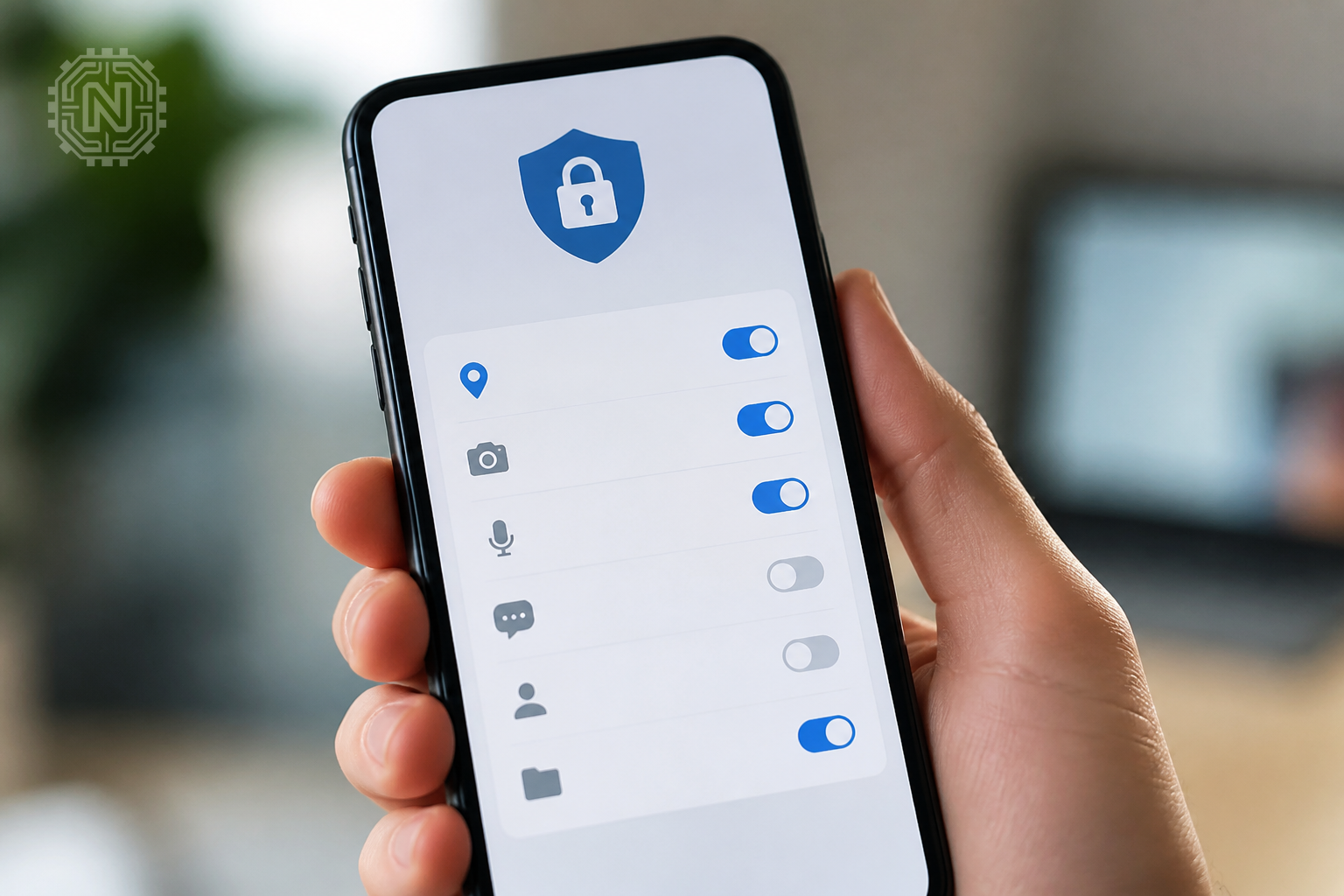
Be cautious about granting app permissions, especially for location, camera, and microphone access. Regularly review privacy settings and disable unnecessary tracking features.
Consider using privacy-focused apps and VPNs to mask your online activity. Hardware-based security features like biometric lock screens should be enabled and regularly tested.
Finally, stay informed about emerging threats by following trusted security news sources and participating in user security awareness programs.
Did You Know? Smartphone Security Facts
- Most users ignore app permission settings, leaving data exposed.
- Biometric data breaches are nearly impossible to reverse or reset.
"Proactive security habits, like regular updates and permissions review, are your best defense against evolving threats."
Cybersecurity Specialist
Future outlook: What’s next for smartphone privacy in 2026 and beyond?
Looking ahead, expect AI to play a dual role: both as a tool for advanced security and a potential threat vector. Manufacturers are investing heavily in AI-driven security measures, including real-time threat detection and adaptive encryption.
Regulatory frameworks will continue to tighten, especially around biometric data and AI surveillance. Innovations like decentralized data storage and user-controlled encryption are gaining traction to give users more control over their information.
However, challenges remain. As devices become more integrated with IoT and smart environments, the attack surface grows. Companies and regulators must collaborate to develop resilient security architectures that adapt to these changes.
For consumers, staying informed and vigilant will be more important than ever to navigate the evolving privacy landscape.
Future Trends in Smartphone Privacy
- AI will enhance security but also enable smarter attacks.
- Decentralized storage offers more user control over data.
- Regulations will focus heavily on biometric and AI data use.
Editorial Sources
Conclusion
As smartphone privacy continues to evolve rapidly in 2026, staying informed and adopting proactive security measures are essential. Users should prioritize updates, permission controls, and awareness of emerging threats to protect their personal data in an increasingly connected world.
Frequently Asked Questions
What are the biggest privacy risks for smartphones in 2026?
Biometric data breaches and AI-powered hacking techniques pose the biggest threats to smartphone privacy this year.
How can I improve my smartphone privacy today?
Keep your software updated, use strong passwords, enable two-factor authentication, and review app permissions regularly.
Are biometric security features safe in 2026?
While improved, biometric features can still be spoofed or hacked, so it's vital to combine them with other security measures.
What laws protect smartphone users' privacy in 2026?
Laws like the EU's Digital Privacy Act and U.S. Privacy Act 2026 set new standards for data protection and user rights.
Should I trust smartphone manufacturers' privacy claims?
Manufacturers are increasing transparency, but users should verify privacy settings and stay updated on security patches.
What future threats could impact smartphone privacy?
AI-driven social engineering, biometric spoofing, and IoT device vulnerabilities are expected to grow as threats.
How do I keep my biometric data secure?
Use multi-factor authentication, avoid storing sensitive data on devices, and stay alert to new security updates.
Is using a VPN helpful for privacy in 2026?
Yes, VPNs help mask online activity and protect against tracking, adding an extra layer of privacy. For more on Gadgets, explore Newtechzy. You can also review our Privacy Policy and Cookie Policy, or learn more About us.
Related Topics
Stay ahead of privacy risks by following the latest security updates and best practices. Explore our guides to keep your data safe and secure.
Start Your Journey Today!


