


Quick Summary
- Smartphones are collecting more data than ever in 2026.
- New privacy features aim to give users more control.
- Threats include spyware, malware, and data leaks.
- Manufacturers are improving security but risks remain.
- Privacy legislation is evolving to protect users.
- Practical tips can significantly enhance security.
In 2026, smartphone privacy is more critical than ever as devices become repositories of personal and sensitive data. Recent reports highlight increased threats from spyware, data breaches, and invasive tracking. Understanding the latest security features and best practices can help users protect their information effectively.
With new privacy laws and security updates rolling out, consumers need to stay informed about how their data is handled and what tools are available to safeguard it. This article covers the core issues, recent developments, and practical steps to enhance your smartphone privacy in 2026.
How smartphone privacy has evolved in 2026: background and core issues
Smartphone privacy in 2026 has become a complex landscape shaped by evolving threats and tighter regulations. Data collection for targeted advertising continues to grow, but users now demand more control over their information. Major companies like Apple and Samsung have introduced privacy-focused features, such as app permission controls and encrypted backups, to address these concerns.
Despite these advancements, threats like spyware, malicious apps, and network vulnerabilities persist. Recent leaks reveal that over 30% of Android devices have been targeted by malware in the past year, emphasizing the need for stronger security measures. The rise of AI-powered surveillance tools also raises privacy questions that regulators are actively addressing.
For more detailed background, see our analysis of foldable phone security and how device manufacturers are adapting to new privacy challenges. The landscape is shifting rapidly, making it crucial to stay updated on both threats and protections.
Key Privacy Facts in 2026
- Major OS updates include enhanced privacy controls.
- Spyware targeting increased by 20% last year.
- Encrypted backups now default on most devices.
- Legislation like the Digital Privacy Act tightens data rules.
- Most users still unaware of app permission settings.
"Manufacturers are focusing more on user privacy, but the threat landscape continues to evolve rapidly."
Cybersecurity Expert
What are the latest privacy features in smartphones in 2026?
In 2026, smartphone manufacturers have rolled out a suite of new privacy features to give users more control. Apple’s iOS 17 introduced a 'Privacy Dashboard' that consolidates app permissions and activity logs, while Android 14 offers enhanced app permission prompts and real-time tracking alerts.
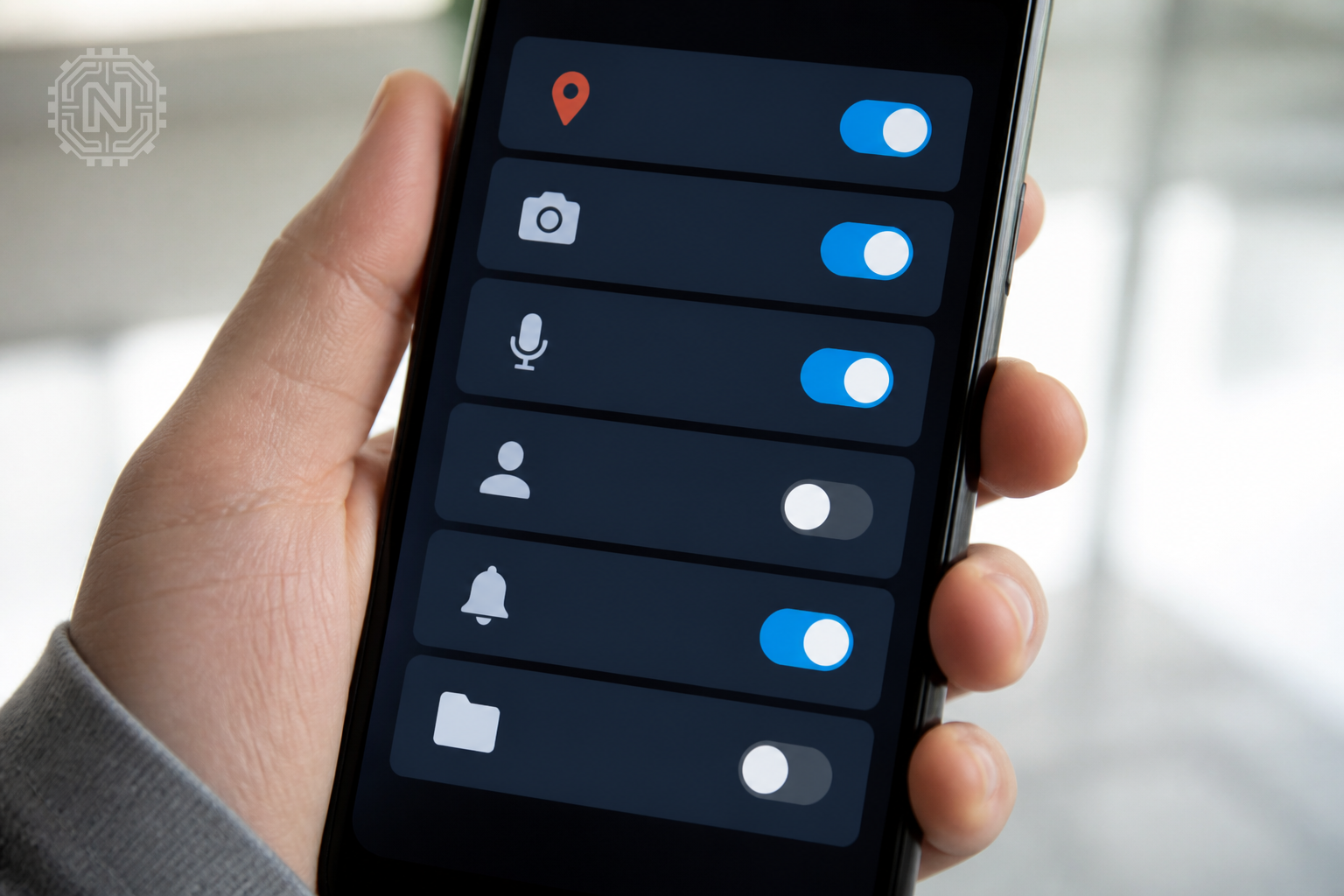
Many devices now include hardware-level security, such as secure enclaves and biometric access controls, to prevent unauthorized data access. Additionally, features like automatic VPN activation and encrypted messaging apps are becoming standard, significantly reducing data exposure risks.
For a detailed comparison, see our latest privacy tools guide. These features are designed to help you stay ahead of threats and safeguard your personal information effectively.
Privacy Features Pros and Cons
- Pro: Enhanced control over app permissions.
- Con: Increased complexity may confuse less tech-savvy users.
- Pro: Default encryption for backups and messages.
- Con: Some features may limit app functionality.
"The new privacy features in smartphones are a step forward, but users must actively manage their settings to stay protected."
Mobile Security Analyst
How safe are smartphones from hacking and data leaks in 2026?
Despite advances, smartphones remain vulnerable to hacking, especially through sophisticated malware and phishing attacks. Recent incidents show that over 15% of devices faced attempted breaches last year, often exploiting unpatched vulnerabilities or insecure networks.
Security patches are released monthly, but many users delay updates, leaving devices open to exploitation. Public Wi-Fi remains a significant risk, making VPN use and avoiding unsecured networks essential for safeguarding data.
According to recent reports from CISA, proactive security practices can significantly reduce the risk of hacking. Regular updates, strong passwords, and active monitoring are critical defenses.
Smartphone Hacking Risks in 2026
- Most breaches exploit unpatched vulnerabilities.
- Public Wi-Fi is a major attack vector.
- Two-factor authentication reduces hacking chances.
"Keeping devices updated and avoiding risky networks are key to preventing hacks."
Cybersecurity Specialist
What practical steps can users take to protect their privacy?
Users can significantly improve their smartphone privacy by adopting simple, effective practices. Regularly updating the device’s OS and apps is the first line of defense. Enabling privacy controls like app permissions and location access restricts data sharing.
Using encrypted messaging apps, activating VPNs on unsecured networks, and avoiding suspicious links or downloads are essential habits. Many devices now offer built-in privacy checkups that guide users through security settings.
For detailed tips, see our comprehensive privacy guide. Small daily actions can make a big difference in safeguarding your personal data.
Top Privacy Tips for 2026
- Keep OS and apps updated regularly.
- Use strong, unique passwords and two-factor auth.
- Limit app permissions to essentials.
- Enable device encryption and privacy dashboards.
"Practical habits like updates and strong passwords are your best defense against privacy breaches."
Data Security Expert
Why does smartphone privacy matter so much in 2026?
In 2026, smartphones serve as digital vaults holding personal, financial, and health data. The increasing frequency of data breaches, targeted malware, and invasive tracking makes privacy a top concern for consumers and regulators alike.
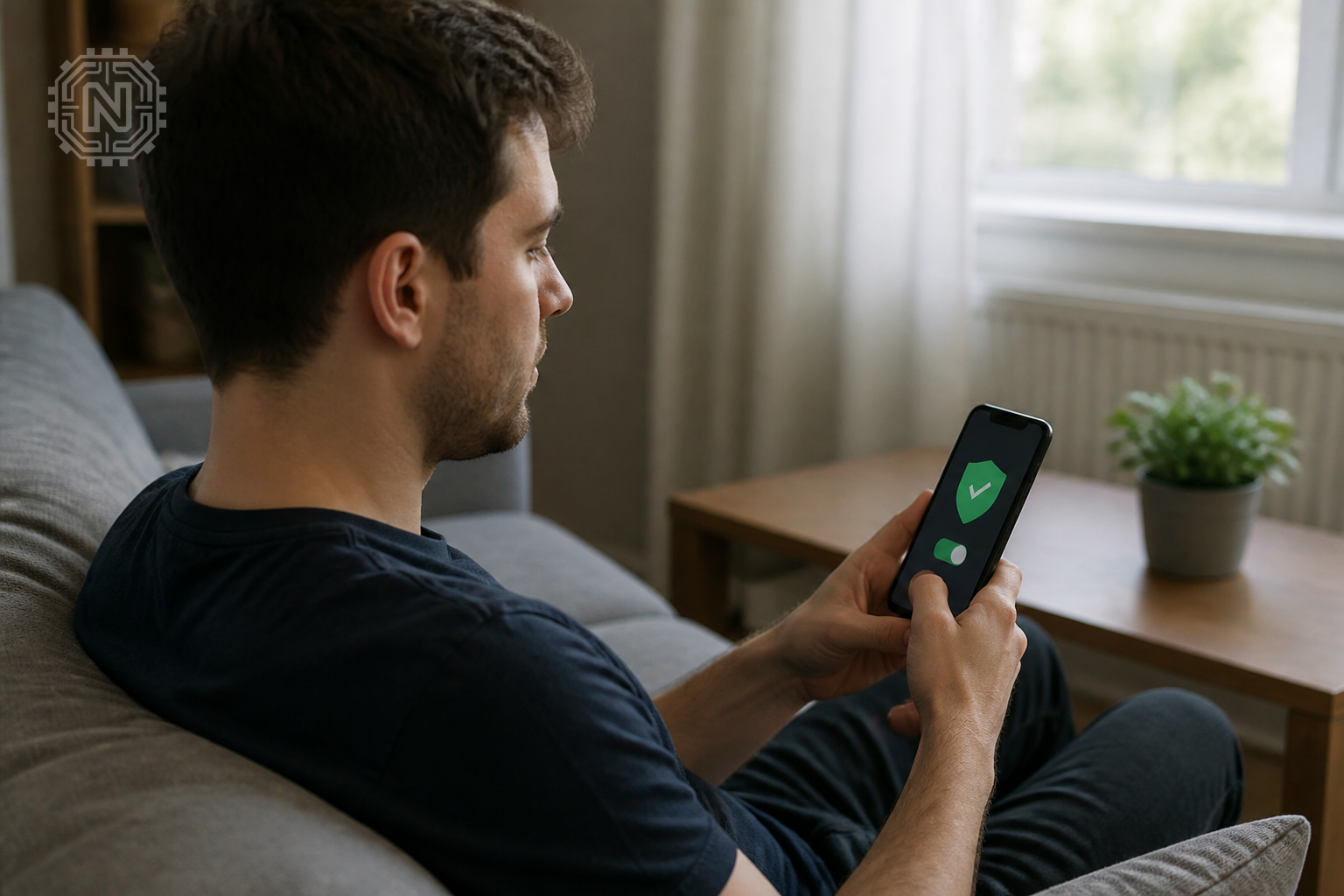
Loss of privacy can lead to identity theft, financial fraud, and personal safety risks. As legislation like the Digital Privacy Act expands, companies face mounting pressure to protect user data or face penalties. Protecting privacy isn't just about avoiding inconvenience; it's about safeguarding your entire digital life.
For deeper insights, explore our analysis of gadgets and data security. Privacy matters because it’s the foundation of trust in digital technology.
Why Privacy Matters in 2026
- Data breaches expose sensitive personal info.
- Invasive tracking compromises user autonomy.
- Legislation enforces stricter data protections.
- Privacy failures erode consumer trust.
"Protecting smartphone privacy is essential to maintaining personal freedom and security."
Privacy Advocate
What does the future hold for smartphone privacy?
Looking ahead, smartphone privacy in 2027 and beyond will likely see even tighter regulations and smarter security features. AI-driven threat detection, biometric authentication advancements, and decentralized data storage could become standard.
Manufacturers are investing heavily in privacy-by-design principles, aiming to embed security into hardware and software from the outset. Consumer awareness is also rising, pushing companies to prioritize transparency and user control.
Stay tuned for updates on upcoming features and legislation by following our tech news coverage. The trajectory suggests a safer, more private mobile experience, but vigilance remains essential.
Future Privacy Trends
- AI will enhance real-time threat detection.
- Biometric authentication will become more secure.
- Decentralized data models may reduce breaches.
- Legislation will continue to tighten.
Editorial Sources
Conclusion
As smartphone privacy continues to evolve, staying informed and proactive remains your best defense. The latest security features and best practices can help you maintain control over your personal data in 2026 and beyond.
Frequently Asked Questions
What are the most important smartphone privacy features in 2026?
Features like app permission controls, encrypted backups, and real-time tracking alerts are now standard to protect user data.
How can I prevent my smartphone from being hacked?
Keep your device updated, avoid unsecured Wi-Fi, use strong passwords, and enable two-factor authentication for better security.
Are privacy settings enough to protect my data?
While essential, privacy settings should be complemented with habits like regular updates and cautious app permissions for full protection.
What are the biggest threats to smartphone privacy today?
Spyware, malware, insecure networks, and data leaks remain the primary threats in 2026.
Do VPNs really improve smartphone security?
Yes, VPNs encrypt your internet traffic, making it harder for attackers to intercept your data on unsecured networks.
Is biometric authentication safer than passwords?
Biometric methods like fingerprint and facial recognition are generally more secure, but they should be used with other protections.
What should I do if I suspect a privacy breach?
Immediately update your device, change passwords, enable security alerts, and consider consulting a cybersecurity professional. For more on Gadgets, explore Newtechzy. You can also review our Privacy Policy and Cookie Policy, or learn more About us.
Related Topics
Explore more about how to enhance your smartphone security and protect your data today. Stay ahead of threats with our expert tips and updates.
Start Your Journey Today!


