


Quick Summary
- AI chatbots collect increasing amounts of personal data.
- Recent incidents highlight privacy vulnerabilities.
- Regulators are proposing stricter privacy laws.
- Users need practical tips to protect their privacy.
- Tech companies are updating privacy policies.
- Future developments may improve data security.
In 2026, AI chatbots are handling more personal data than ever, sparking widespread privacy concerns. As these virtual assistants become embedded in our daily routines, understanding the privacy risks and protections is crucial.
This article explores recent incidents, evolving regulations, and practical steps you can take to safeguard your data while interacting with AI chatbots today.
AI chatbot privacy in 2026: Background and core issues
AI chatbots have transitioned from simple customer service tools to integral parts of social media, banking, and healthcare. Their ability to process natural language and learn from interactions raises significant privacy questions. Concerns about data misuse, surveillance, and consent have grown as incidents of data breaches and unauthorized sharing surface.
Major companies like OpenAI and Meta face scrutiny over how user data is stored and used. Governments worldwide are proposing new regulations to address these issues, but enforcement remains inconsistent.
For more on the technical side, see our article on AI Privacy in 2026. The core challenge lies in balancing innovation with user rights, especially as chatbots become more autonomous and integrated into sensitive domains.
Key Privacy Concerns in 2026
- Data collection from user interactions is more extensive than ever.
- Incidents of unauthorized data sharing have increased.
- Regulatory frameworks are still catching up.
- Many users are unaware of how their data is used.
- Companies face fines for non-compliance with privacy laws.
"Privacy remains the Achilles' heel for AI chatbots, but transparency and regulation are slowly improving the landscape."
Cybersecurity Analyst
Recent incidents and their impact on user trust
In early 2026, a major data breach at a leading chatbot developer exposed millions of user conversations. The breach revealed sensitive health, financial, and personal details, prompting widespread outrage and calls for stricter oversight.
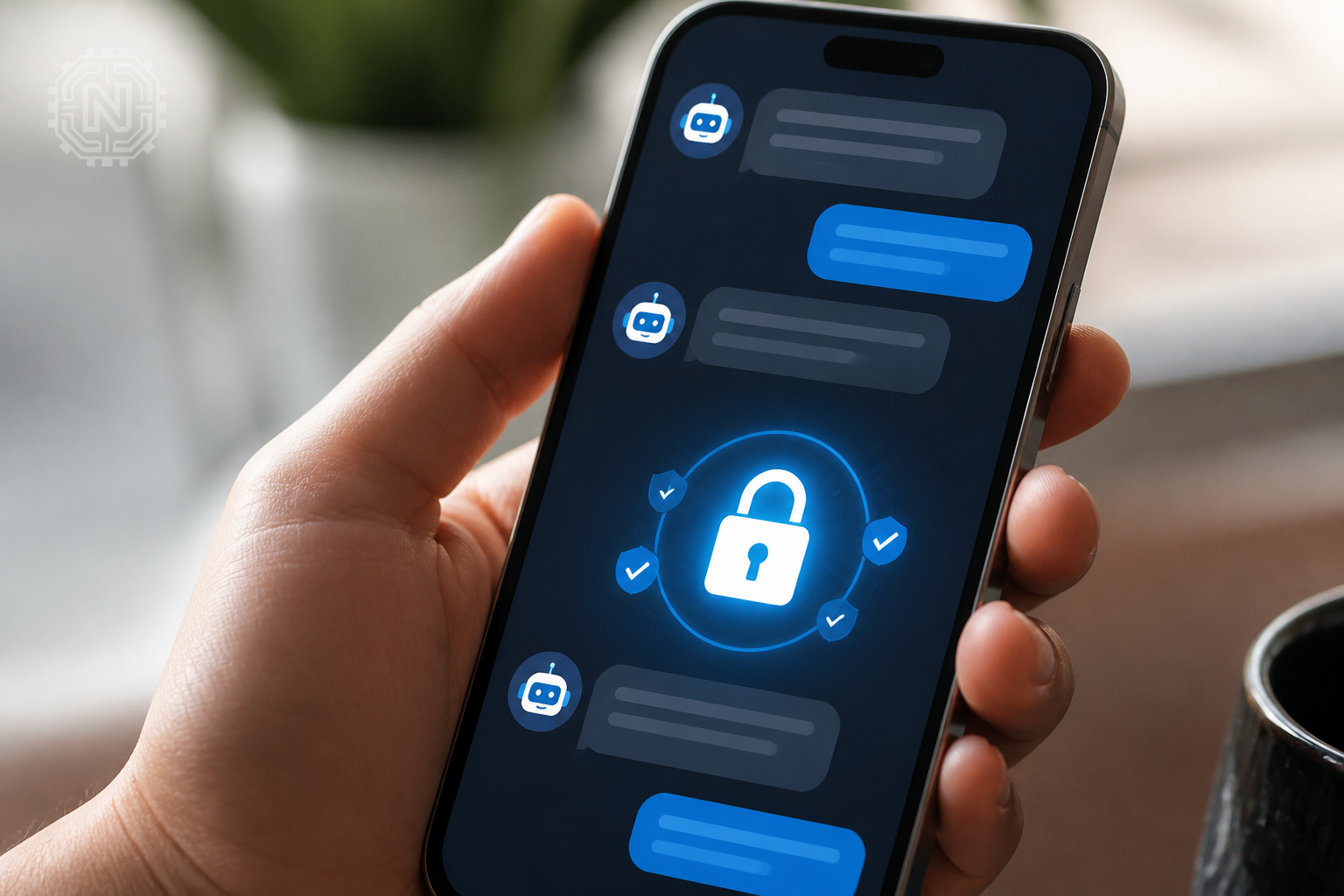
Following the incident, several companies, including Microsoft and Google, announced updates to their privacy policies. These include better encryption, clearer user consent, and options to delete stored data.
Regulators in the EU and US have launched investigations, emphasizing the need for accountability. Meanwhile, consumers are increasingly cautious about sharing personal information with AI chatbots, impacting user engagement and trust.
"Trust in AI chatbots is fragile; transparency and accountability are key to restoring it."
Digital Privacy Expert
How are regulations evolving to protect user privacy?
Governments worldwide are stepping up efforts to regulate AI chatbot data practices. The EU’s Artificial Intelligence Act aims to impose strict transparency and risk assessments on AI systems, including chatbots.
In the US, the Federal Trade Commission (FTC) has issued guidelines emphasizing data minimization and user consent. Several states are proposing laws requiring companies to disclose how they collect, store, and share data.
Despite these efforts, enforcement varies, and many companies push back against overregulation citing innovation concerns. Still, the trend indicates a move toward more user-centric privacy standards.
Why Privacy Regulations Matter in 2026
- They protect users from data misuse and breaches.
- They foster trust in AI technologies.
- They ensure companies are transparent about data handling.
- They align with growing public awareness about privacy rights.
Practical steps users can take to protect their privacy with AI chatbots
Being proactive is crucial. Start by reviewing privacy policies before engaging with a new chatbot. Look for clear information on data collection, storage, and sharing practices.

Use privacy settings and opt-out options whenever available. Regularly delete stored conversations and disable unnecessary data sharing features.
Be cautious about sharing sensitive information—avoid providing bank details, health data, or personal identifiers unless absolutely necessary. Utilize privacy-focused tools and browser extensions to block trackers.
Stay informed about new privacy laws and updates from your service providers. Following trusted sources like our Tech News section helps keep you updated.
"Simple privacy habits can significantly reduce your risk of data exposure."
Cybersecurity Consultant
What does the future hold for AI chatbot privacy?
Expect ongoing improvements in privacy protections, driven by stricter regulations and technological innovations. Companies are investing in privacy-preserving AI models that minimize data collection and enhance user control.
Emerging standards like federated learning and differential privacy aim to keep data local and obscure individual contributions, respectively. These approaches could become industry norms within the next few years.
However, challenges remain. As AI becomes more sophisticated, so do methods of data exploitation. Staying ahead will require continuous regulation updates and user awareness.
For a deeper look at upcoming trends, see our article on AI chip advancements 2026. Privacy remains a moving target, but proactive users and responsible companies can shape a safer future.
Editorial Sources
Conclusion
AI chatbot privacy in 2026 is a complex, evolving issue that impacts millions of users worldwide. While incidents and regulations are shaping a more transparent landscape, individual vigilance remains essential. Staying informed and cautious helps ensure your data remains secure amid rapid technological change.
Frequently Asked Questions
What are the biggest privacy risks with AI chatbots in 2026?
The main risks include data breaches, unauthorized sharing, and lack of transparency in how user data is handled.
How can I tell if an AI chatbot is privacy-friendly?
Look for clear privacy policies, opt-in data sharing, and features that allow you to delete or control your stored data.
Are AI chatbots legally required to protect user privacy?
Yes, regulations like GDPR and CCPA mandate data protection, but enforcement varies across regions and companies.
What should I avoid sharing with AI chatbots?
Avoid sensitive personal information such as bank details, health data, and personal identifiers unless necessary.
Will privacy regulations limit AI chatbot functionality?
Some restrictions may apply, but they aim to balance user privacy with innovative AI capabilities.
How often should I review my privacy settings for chatbots?
Regularly, especially after updates or incidents, to ensure your preferences are current and your data is protected.
What technological solutions improve AI chatbot privacy?
Techniques like federated learning and differential privacy help minimize data collection and enhance security.
Can I delete my conversations with chatbots easily?
Most services now offer options to delete stored data, but the ease varies by platform. For more on Tech News, explore Newtechzy. You can also review our Privacy Policy and Cookie Policy, or learn more About us.
Related Topics
Interested in protecting your digital privacy? Explore our expert guides and stay ahead of the curve. Join our community for updates.
Start Your Journey Today!


