

Quick Summary
- Major apps introduced new privacy controls in 2026.
- Users now have granular data-sharing permissions.
- Privacy dashboards are more transparent and accessible.
- Regulators are pushing for stricter app privacy standards.
- Developers face increased scrutiny over data handling.
- Future updates will expand privacy customization options.
As 2026 progresses, app developers are rolling out significant app privacy features aimed at giving users more control over their data. These updates respond to rising privacy concerns and regulatory pressure, shaping a safer digital landscape.
With growing awareness of data privacy risks, both consumers and regulators are demanding better transparency and control. This article explores the latest privacy tools in popular apps and what they mean for everyday users.
App Privacy Features 2026: How They Enhance User Control
In 2026, major apps like Facebook, TikTok, and Google have introduced new privacy controls that empower users to manage their data more effectively. These features include detailed permission settings, data access logs, and real-time privacy dashboards.
For example, privacy dashboards now provide clear insights into what data is collected, how it’s used, and with whom it’s shared. This transparency helps users make informed decisions about their digital footprint.
According to Google’s official privacy page, these tools are part of broader efforts to comply with evolving regulations like the Digital Privacy Act 2026, which mandates explicit consent for data collection.
What are the core privacy features introduced in 2026?
- Granular permission controls for camera, mic, and location access
- Automated privacy reports showing data activity
- Enhanced opt-in/out options for data sharing
- Real-time alerts for suspicious data access
These features are designed to give users more granular control over how apps handle their personal data, moving beyond the basic permission prompts of previous years.
Key Privacy Features in 2026
- Granular permissions for app data access
- Transparent data access logs
- Easy privacy customization dashboards
- Real-time alerts for suspicious activity
"These privacy tools mark a significant step forward in user-centric security, making data control more accessible and understandable."
Cybersecurity Expert
Why These Privacy Features Matter in 2026
Enhanced privacy controls in 2026 reflect a shift towards prioritizing user rights amid rising concerns over data misuse and breaches. They help rebuild trust in digital services by making data handling more transparent.
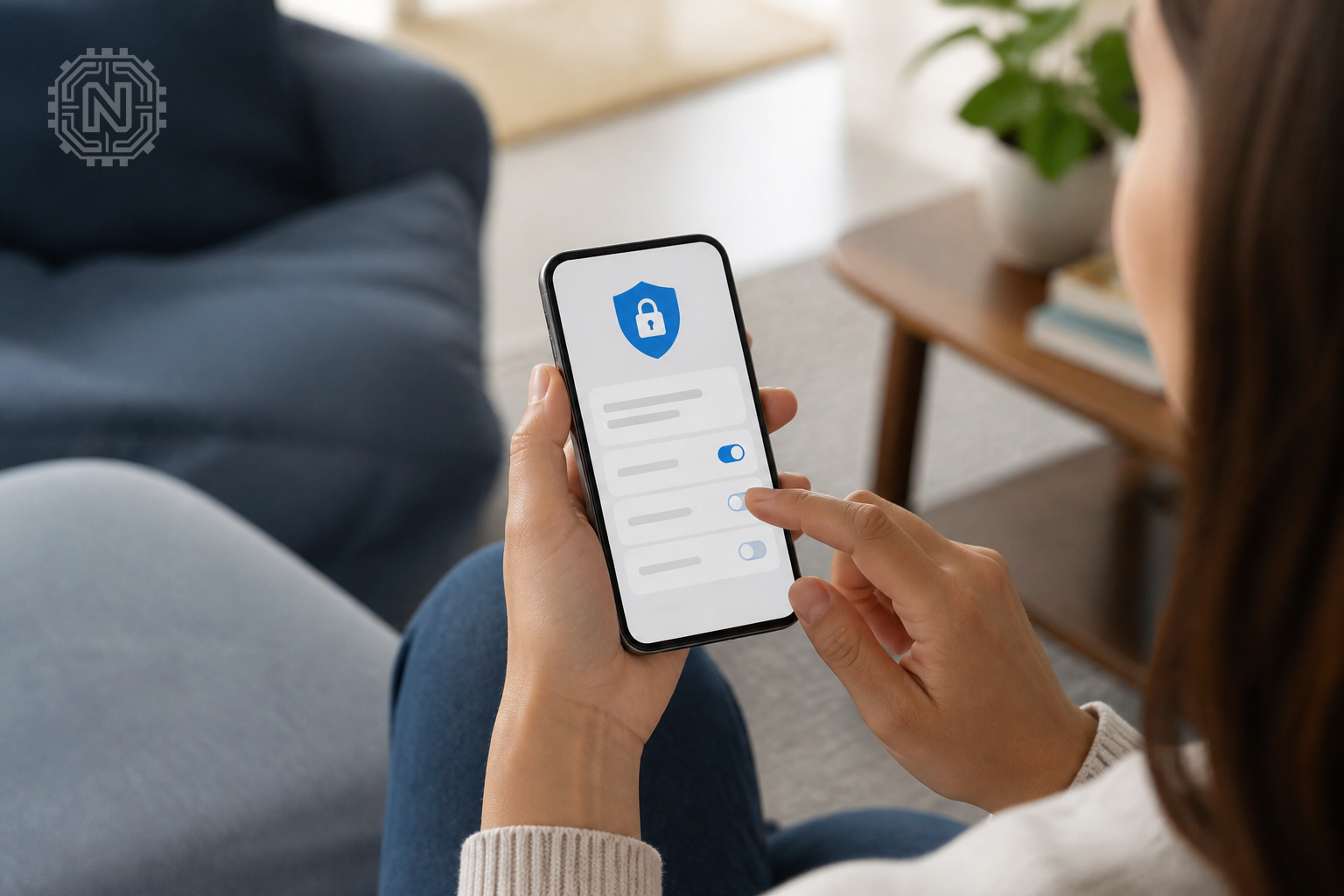
Regulators like the Federal Data Authority have praised these developments, emphasizing that user control is fundamental to digital privacy. Non-compliance can result in hefty fines, pushing companies to adopt these features faster.
For users, this means more say in what data is shared and when, reducing unwanted tracking and targeted advertising. Privacy advocates see this as a positive move toward a more balanced digital ecosystem.
Visit Wikipedia’s Data Privacy for background on privacy rights evolution and how legislation influences app design.
Impact of Privacy Controls in 2026
- Restores user trust in digital platforms
- Reduces risks of data breaches and misuse
- Aligns with stricter global regulations
- Empowers users with better data management
"The move towards user-controlled privacy features is reshaping how apps build trust and security."
Technology Analyst
How Do Privacy Features Work in Practice?
Implementing these tools involves complex backend systems that track data flows and enforce user preferences. Apps now utilize AI-driven algorithms to monitor suspicious activity and alert users proactively.
For example, permission controls are integrated into app settings, allowing users to revoke access at any time. Data access logs are stored securely and accessible via privacy dashboards, offering transparency.
Developers must also ensure compliance with new standards, which often means redesigning data architecture and adopting privacy-by-design principles. This shift requires significant technical expertise and resources.
According to Apple’s privacy support page, privacy features are now deeply integrated into operating systems and apps, making control intuitive for everyday users.
Privacy Features: Pros and Cons
- Pros: Greater user control, transparency, regulatory compliance
- Cons: Increased complexity for developers, potential usability hurdles
"Effective privacy tools require balancing security with user convenience."
Privacy Technology Consultant
What Are the Practical Implications for Users and Developers?
For users, these features mean more control and fewer surprises about data collection. They can now easily customize app permissions, view data logs, and revoke access without hassle.
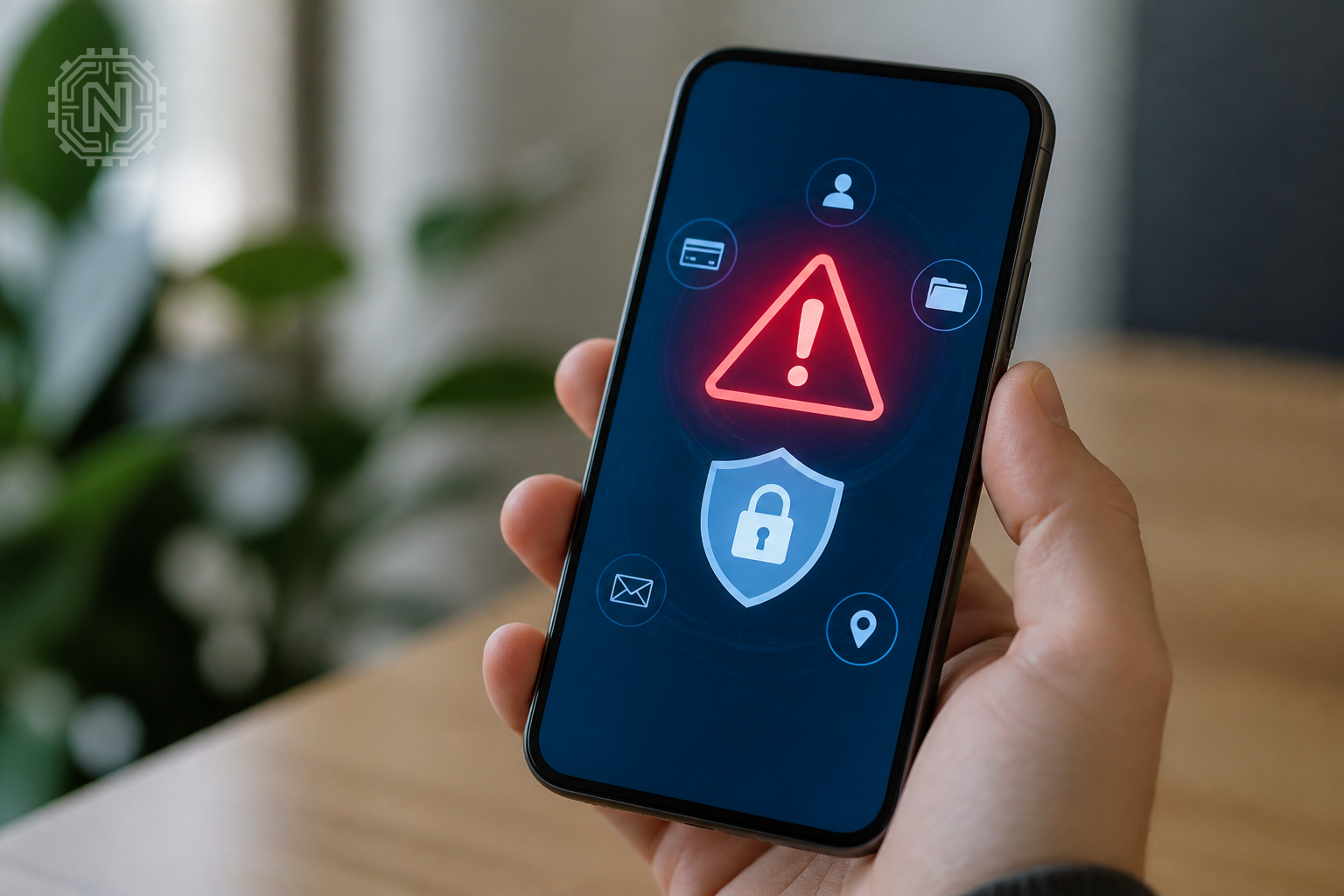
Developers face the challenge of integrating these controls seamlessly while maintaining app performance. Failure to do so risks non-compliance and potential fines, especially in regions with strict privacy laws.
Many companies are investing in privacy training and tools to meet these demands. Some are even launching new privacy-focused apps that highlight transparency as a core feature.
To learn about best practices for privacy compliance, visit our related article on evolving app standards.
Practical Impacts of Privacy Features
- Users gain more control over personal data
- Developers must redesign data workflows
- Potential for increased user trust
- Higher compliance costs for businesses
"Balancing usability with privacy is key to successful implementation."
App Security Specialist
Comparison: Privacy Features in Leading Apps 2026
Leading apps like TikTok, Facebook, and Google have adopted different approaches to privacy in 2026. TikTok emphasizes user-friendly privacy dashboards, while Facebook offers detailed permission controls.
Google integrates AI-powered activity logs and alerts, making it easier for users to monitor their data in real time. Each approach reflects varying priorities — simplicity, control, or transparency.
For a detailed comparison, see our AI App Marketplace analysis.
| App | Key Privacy Feature | Ease of Use | Transparency | Data Control | Regulatory Compliance |
|---|---|---|---|---|---|
| TikTok | Privacy Dashboard | High | High | Moderate | Yes |
| Permission Settings | Moderate | Moderate | High | Yes | |
| AI Activity Logs | High | High | High | Yes |
Editorial Sources
Conclusion
As privacy features become more sophisticated in 2026, users gain greater control over their digital lives, while developers must adapt to stricter standards. These changes are shaping a safer, more transparent app ecosystem that benefits everyone involved.
Frequently Asked Questions
What are the main new privacy features in apps in 2026?
They include detailed permission controls, real-time activity logs, privacy dashboards, and proactive alerts for suspicious access.
How do privacy dashboards improve user control?
They provide clear insights into data collection, usage, and sharing, helping users make informed privacy decisions.
Are these privacy features mandatory for all apps?
Many jurisdictions now require apps to implement these controls to comply with new data protection laws.
Can users revoke app permissions easily in 2026?
Yes, apps now offer simplified options to revoke or modify permissions at any time through settings.
How do AI-powered privacy tools work?
They monitor data flows, detect suspicious activity, and alert users proactively to safeguard personal information.
Are privacy features in apps effective against data breaches?
They significantly reduce risks by limiting data access and providing transparency, but no system is completely breach-proof.
What should I do if an app misuses my data?
Report the issue to the app’s support team and relevant authorities, and revoke permissions immediately.
Will privacy controls affect app usability?
When well-implemented, they improve trust without sacrificing user experience, but poor design can cause hurdles. For more on Apps & Software, explore Newtechzy. You can also review our Privacy Policy and Cookie Policy, or learn more About us.
Related Topics
Explore how to optimize your app privacy settings today. Stay informed about the latest privacy developments to protect your data effectively.
Start Your Journey Today!


