


Quick Summary
- AI chatbots have become more intelligent, handling complex queries effectively.
- Businesses see increased efficiency and customer satisfaction.
- Advances in NLP enable more natural, human-like interactions.
- Major companies invest heavily in AI chatbot development.
- Future trends point to deeper integration with business systems.
AI Chatbot 2026 is redefining how companies interact with customers, offering smarter, faster, and more personalized support. These virtual assistants now handle complex inquiries, reducing wait times and improving satisfaction.
As AI technology advances rapidly, businesses are integrating chatbots into their core customer service strategies. This shift not only cuts costs but also enhances user experience, making AI chatbots a critical component of digital transformation.
AI Chatbot 2026: Revolutionizing Customer Support with Smarter AI
In 2026, AI chatbots have evolved far beyond simple script-based responders. Powered by advanced natural language processing (NLP) and machine learning, these bots now understand context, emotions, and user intent with remarkable accuracy.
Major players like OpenAI and Google are leading the charge, integrating AI chatbots into enterprise platforms to handle everything from simple FAQs to complex troubleshooting.
According to recent reports, the global AI chatbot market is projected to reach over $10 billion by the end of 2026, driven by demand across sectors like retail, banking, and healthcare. This growth underscores their critical role in digital customer engagement.
For more on AI trends, see our detailed analysis of AI productivity apps in 2026.
Key Facts About AI Chatbots in 2026
- Most chatbots now use multimodal AI, combining text, voice, and visual inputs.
- They handle up to 80% of routine customer queries without human intervention.
- AI chatbots are integrated with CRM systems for personalized service.
- Natural language understanding has improved accuracy to over 95%.
"AI chatbots are now capable of delivering human-like conversations, drastically improving customer satisfaction and operational efficiency."
Industry Analyst
What Makes AI Chatbots in 2026 So Advanced?
Recent breakthroughs in deep learning and large language models have made AI chatbots more context-aware and capable of nuanced conversations. These models are trained on vast datasets, enabling them to understand and generate natural language with high fidelity.
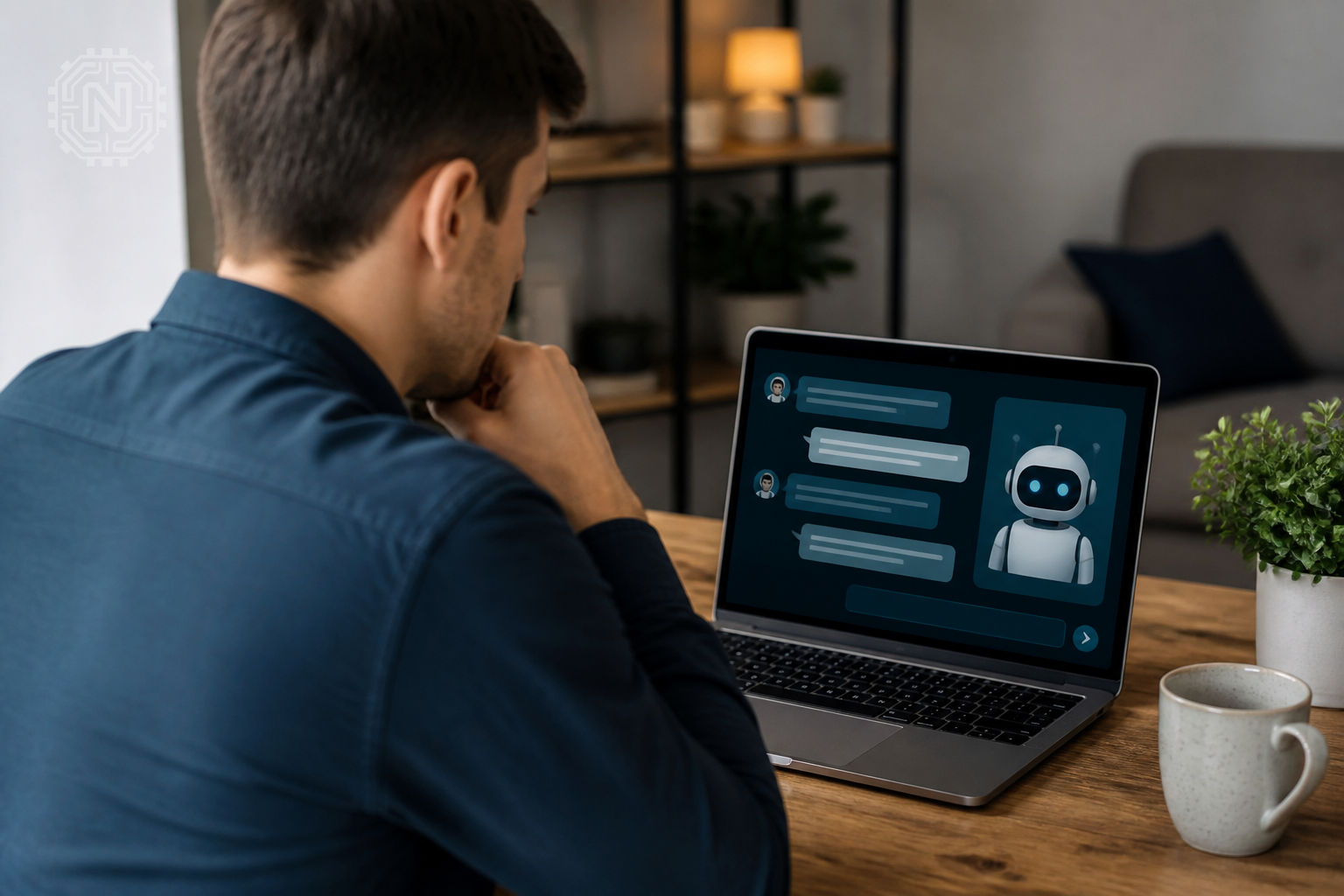
Chatbots now learn from every interaction, continuously improving their responses. This ongoing learning process allows them to adapt quickly to new products, policies, or customer behaviors, keeping support relevant and effective.
Additionally, the integration of AI with voice assistants like Alexa and Google Assistant has expanded their role in omnichannel support, enabling seamless customer experiences across devices and platforms.
Why AI Chatbots Matter in 2026
- They reduce operational costs by automating routine tasks.
- Enhance customer satisfaction through quick, personalized responses.
- Provide 24/7 support, improving global accessibility.
- Help gather valuable customer data for business insights.
"The evolution of conversational AI in 2026 means businesses can now offer support that feels truly human."
Tech Industry Expert
How Do AI Chatbots Work? The Core Mechanics Explained
Modern AI chatbots rely on a combination of NLP, machine learning, and real-time data processing. When a user inputs a query, the system analyzes intent, extracts relevant information, and generates an appropriate response.
Behind the scenes, models like GPT-4 and beyond process language patterns learned from extensive datasets. They predict the most relevant reply based on context, tone, and user history.
To improve accuracy and personalization, AI chatbots are integrated with company databases, CRM systems, and knowledge bases, enabling them to provide tailored answers and proactive support.
For technical details, see our guide on latest AI developments.
Core Mechanics of AI Chatbots
- Utilize NLP to interpret user inputs accurately.
- Leverage machine learning for continuous improvement.
- Integrate with enterprise data for personalized responses.
- Operate across multiple channels for omnichannel support.
"The core of AI chatbots is their ability to understand and generate human-like language in real-time."
AI Developer
What Are the Practical Benefits of AI Chatbots for Business?
Implementing AI chatbots offers tangible benefits, including faster response times, reduced staffing costs, and improved customer loyalty. Companies report up to 50% reductions in support costs after deploying AI-driven solutions.
Personalization is another key advantage. Chatbots can access customer data to deliver tailored recommendations, increasing upsell opportunities and satisfaction.
Moreover, AI chatbots free human agents from routine queries, allowing them to focus on complex issues that require empathy and expertise. This shift enhances overall service quality.
For case studies on successful deployments, see our article on app cloning software.
Practical Benefits of AI Chatbots
- Reduce operational costs significantly.
- Improve response speed and accuracy.
- Enhance customer engagement and loyalty.
- Allow human agents to focus on complex tasks.
"AI chatbots are transforming customer service by making interactions faster, smarter, and more personal."
Customer Service Expert
What Are the Challenges and Limitations?
Despite their advances, AI chatbots face issues like understanding complex queries, handling ambiguous language, and ensuring data privacy. Some systems still struggle with emotional nuances, affecting user experience.
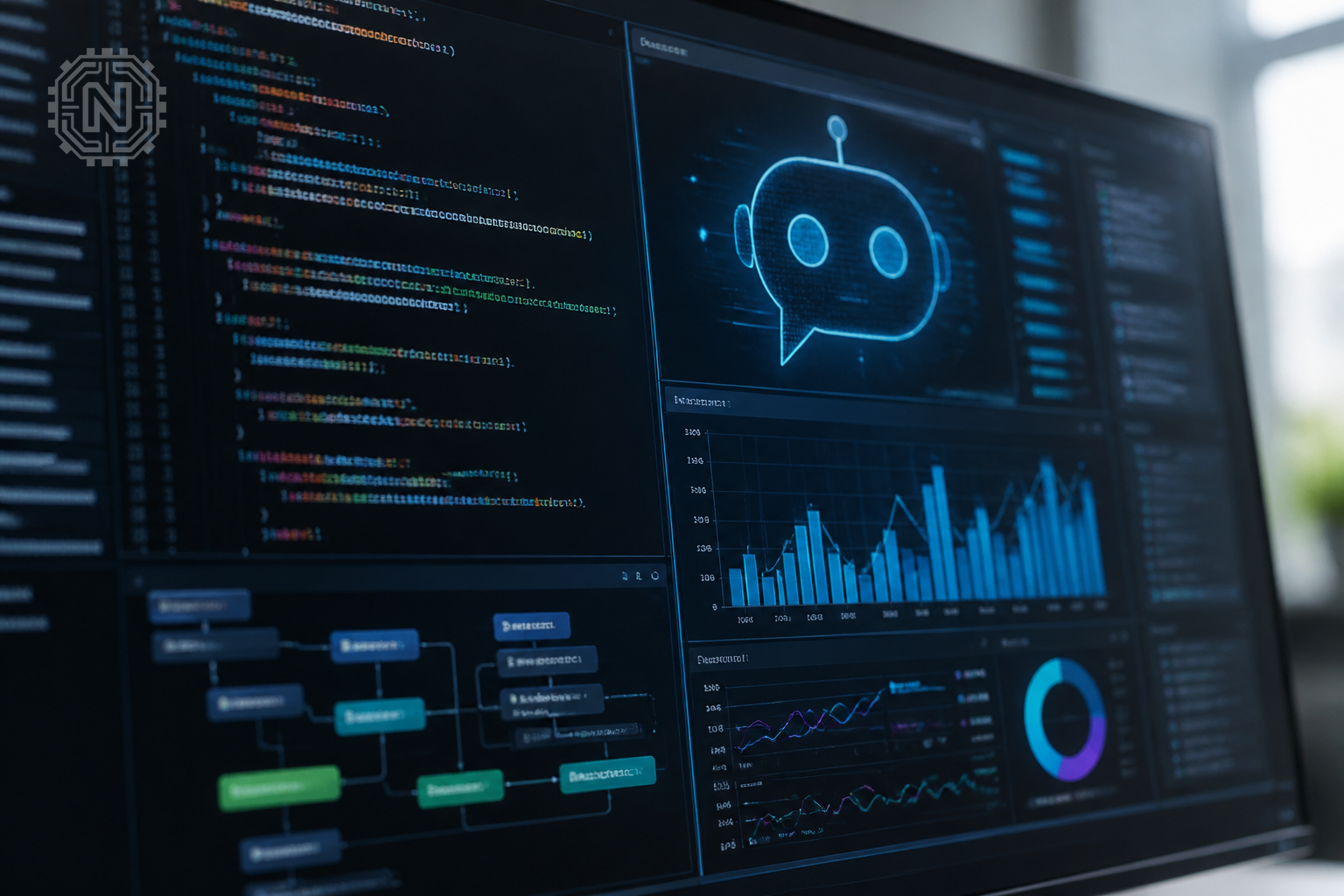
Bias in training data can lead to inappropriate responses, requiring constant monitoring and updating. Also, regulatory compliance around data security remains a concern for many organizations.
Developers are working on addressing these limitations through better training datasets, improved algorithms, and stricter privacy controls.
Learn more about cybersecurity considerations at CISA.
Challenges Facing AI Chatbots in 2026
- Difficulty understanding complex or ambiguous language.
- Potential bias from training data.
- Data privacy and security concerns.
- Limited emotional intelligence in some systems.
"Addressing AI chatbot limitations is crucial for maintaining user trust and effectiveness."
Cybersecurity Analyst
Future Outlook: What’s Next for AI Chatbots?
Looking ahead, AI chatbots will become even more integrated with enterprise systems, offering proactive support and predictive insights. Advances in artificial intelligence will enable them to anticipate customer needs before they arise.
Emerging trends include multimodal AI, emotional recognition, and more personalized experiences across devices. Companies like Microsoft are investing heavily in these innovations.
Regulators are also starting to set standards for AI transparency and fairness, shaping how future chatbots will operate ethically and securely.
To stay ahead, businesses should monitor developments in AI research and consider early adoption strategies.
Future of AI Chatbots
- More proactive, predictive customer support.
- Deep integration with business systems.
- Enhanced emotional intelligence capabilities.
- Stricter regulations for transparency and fairness.
Editorial Sources
Conclusion
AI chatbots in 2026 are transforming customer service by providing smarter, faster, and more personalized support. As technology continues to evolve, businesses that adopt these solutions early will gain a competitive edge, improving customer loyalty and operational efficiency.
Frequently Asked Questions
How do AI chatbots improve customer service?
They provide faster, 24/7 support, personalized responses, and handle routine queries, freeing human agents for complex issues.
What technologies power AI chatbots in 2026?
Primarily natural language processing, deep learning, and integration with enterprise systems for real-time, context-aware responses.
Are AI chatbots safe for customer data?
When properly secured and compliant with privacy laws, they can protect customer data, but ongoing monitoring is essential.
Can AI chatbots understand emotions?
Some advanced chatbots incorporate emotional recognition, but their understanding of nuanced human emotions is still developing.
What are the main challenges with AI chatbots?
Understanding complex language, avoiding biases, ensuring data privacy, and handling emotional nuances are key challenges.
What’s the future of AI chatbots?
They will become more proactive, integrated, and emotionally intelligent, with stricter standards for transparency and fairness.
How much do AI chatbots cost to implement?
Costs vary widely based on complexity, but enterprise solutions typically range from thousands to millions annually.
Are AI chatbots replacing human agents?
They complement human agents by handling routine inquiries, allowing humans to focus on complex or sensitive issues. For more on Apps & Software, explore Newtechzy. You can also review our Privacy Policy and Cookie Policy, or learn more About us.
Related Topics
Explore how AI chatbots can transform your customer support today. Contact us for tailored solutions and expert advice.
Start Your Journey Today!


