


Quick Summary
- AI-driven app discovery accelerates in 2026, changing how users find apps.
- Major app stores integrate personalized recommendations and smarter search.
- Marketplace dynamics shift with new policies favoring smaller developers.
- Security and privacy protocols tighten amid increasing regulatory scrutiny.
- Global markets see diverse app store strategies influencing local ecosystems.
- Future outlook suggests continued AI integration and marketplace consolidation.
The app store 2026 landscape is experiencing a seismic shift driven by AI, market consolidation, and new developer policies. As app marketplaces evolve, both users and developers face new opportunities and challenges. This article explores the core changes shaping app discovery and distribution today. Explore more Apps & Software coverage on Newtechzy.
With the rise of AI-powered recommendation engines and marketplace innovations, understanding these shifts is crucial for anyone involved in mobile app development or usage. From Apple and Google to emerging regional stores, the ecosystem is more competitive and complex than ever.
App store 2026: The evolving landscape of app discovery and distribution
In 2026, app stores are no longer just repositories for downloads; they’re personalized ecosystems driven by artificial intelligence. Major players like Google Play and Apple App Store have integrated advanced algorithms that tailor app recommendations based on user behavior, location, and preferences.
This shift aims to improve user engagement and retention but also raises questions about discoverability fairness and market dominance. Smaller developers now face both opportunities and hurdles as algorithms favor established or highly optimized apps.
Official statements from Apple and Google emphasize their commitment to transparency and fairness, with updates to their developer policies and marketplace algorithms. For instance, Google’s developer guidelines now explicitly promote diversity and inclusion in app recommendations. Meanwhile, regional app stores are gaining traction by tailoring their offerings to local markets, expanding the global app ecosystem.
For developers, understanding how app discovery works in 2026 is essential. Optimizing app metadata, leveraging AI-based marketing tools, and engaging with platform-specific policies can make or break an app’s success on these evolving marketplaces.
Key Facts About App Store 2026
- AI personalization now influences over 80% of app recommendations.
- Major stores introduced new policies to support indie developers.
- Regional app stores are expanding in Asia, Africa, and Latin America.
- Security protocols include stricter privacy controls and vetting processes.
- Marketplace consolidation favors large tech companies but opens opportunities for niche players.
How AI is reshaping app discovery and user engagement
AI’s role in app stores has grown exponentially in 2026. Recommendation engines analyze user data in real-time, delivering highly personalized app suggestions. This means users see fewer irrelevant apps and more content aligned with their interests.

Deep learning models also power search functionalities, making app discovery faster and more accurate. Voice-activated search and visual recognition are now common, reducing friction for users seeking specific apps or functionalities.
According to industry analyst reports, these AI enhancements have increased app engagement rates by over 25% in the last year alone. Developers who adapt their metadata and leverage AI-driven marketing tools tend to see higher visibility and download rates.
For users, this means a more intuitive experience, with less time spent searching and more time using apps that truly fit their needs. However, it also raises concerns about data privacy and algorithmic bias, which regulators are scrutinizing more closely.
"AI-driven app discovery is making the marketplace more user-centric and competitive."
Tech Industry Analyst
Impacts of marketplace consolidation and regional strategies
The landscape of app stores in 2026 is marked by significant consolidation, with big tech firms acquiring smaller platforms or integrating their stores into broader ecosystems. This trend streamlines user experience but raises antitrust concerns.
At the same time, regional app stores are gaining prominence by customizing their offerings to local languages, payment methods, and regulatory requirements. These stores often provide a lifeline for small developers to reach underserved markets.
For example, the African app market sees growth through stores like Aptoide and local variants of Google Play, while in India, regional stores are competing fiercely with global giants. Such diversity fosters innovation but complicates app discoverability and monetization strategies for developers.
Official responses from regulatory bodies, including the EU and US FTC, indicate increased scrutiny of dominant app store practices, pushing for more open ecosystems and fair competition.
Marketplace Consolidation and Regional Strategies
- Pros: More streamlined user experience and increased market reach for developers.
- Cons: Reduced competition may lead to higher fees and less innovation.
- Regional stores enable local monetization and language support.
- Global giants may dominate, limiting diversity in app ecosystems.
Security and privacy in the app store 2026 era
Security remains a core concern as app stores expand their capabilities. In 2026, stricter vetting processes and privacy controls are standard, aimed at protecting users from malicious apps and data breaches.
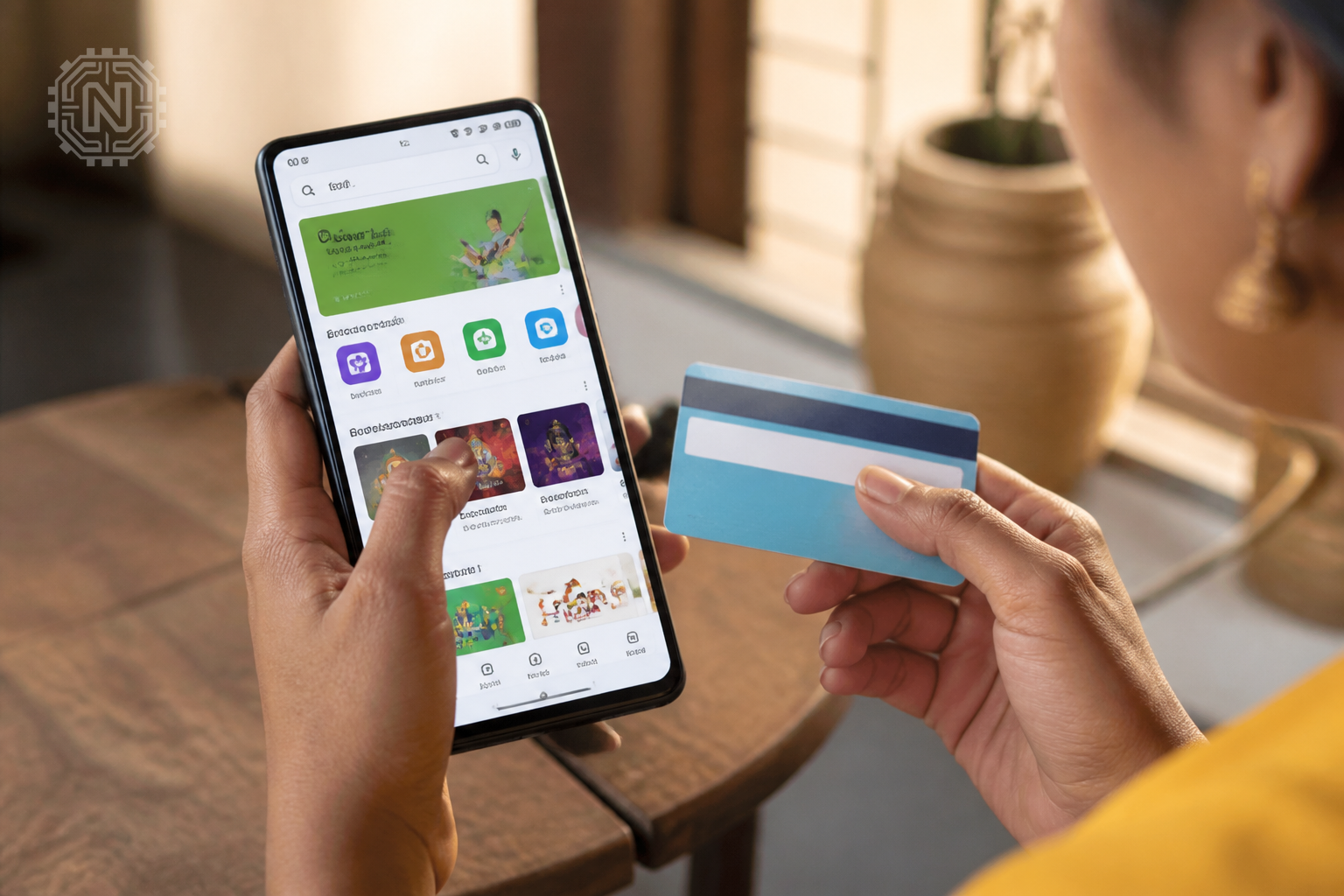
Apple’s App Store and Google Play have introduced automated malware scanning and transparency reports, revealing the number of apps rejected or flagged each month. User data privacy laws, such as GDPR and CCPA, are enforced more rigorously within app marketplaces.
Despite these measures, vulnerabilities persist. Researchers have identified new attack vectors exploiting app permissions and third-party SDKs. As a result, both stores are investing heavily in security tools and developer education.
Experts recommend users review app permissions regularly and stick to trusted sources. Developers should prioritize security and privacy compliance to avoid rejection or removal from the store.
"Enhanced security protocols are critical for maintaining trust in app marketplaces."
Cybersecurity Expert
Future outlook: What’s next for app stores in 2026 and beyond
The future of app stores is set to be shaped by even deeper AI integration, with predictive analytics and contextual recommendations becoming standard. Blockchain-based transactions and decentralized app stores may also emerge as alternatives.
Market analysts predict further consolidation, with fewer dominant players controlling most of the app ecosystem. At the same time, regional stores will continue to grow, fostering local innovation and competition.
Regulatory pressures could lead to more open platforms, forcing giants to share revenue models and access. For developers, this means new monetization opportunities but also increased compliance burdens.
Overall, the app store landscape in 2026 and beyond promises a more personalized, secure, and competitive environment, with technology and regulation working hand-in-hand to shape its evolution.
Editorial Sources
Conclusion
The app store landscape in 2026 is marked by rapid innovation, AI-driven personalization, and evolving regulatory environments. Developers and users must stay informed and adaptable to thrive amid these changes, as the ecosystem continues to reshape itself in profound ways.
Frequently Asked Questions
How is AI changing app discovery in 2026?
AI personalizes recommendations and improves search accuracy, making it easier for users to find relevant apps quickly.
Are regional app stores gaining popularity?
Yes, regional stores are expanding, offering localized content and payment options, especially in underserved markets like Africa and India.
What security measures are in place in 2026?
Enhanced malware scanning, transparency reports, and stricter privacy enforcement protect users from malicious apps.
Can small developers compete in the new app marketplace?
Yes, with optimized metadata and AI marketing tools, smaller developers can improve visibility and reach niche markets.
What regulatory challenges do app stores face?
Authorities scrutinize dominant platforms for anti-competitive practices, pushing for more open ecosystems.
What does the future hold for app stores beyond 2026?
Expect deeper AI integration, blockchain transactions, and possibly decentralized app marketplaces.
How can users protect their privacy in app stores?
Review app permissions regularly, stick to trusted sources, and stay updated on privacy policies.
Are new app discovery methods emerging?
Yes, including voice search, visual recognition, and AI-powered content curation. For more on Apps & Software, explore Newtechzy. You can also review our Privacy Policy and Cookie Policy, or learn more About us.
Related Topics
Stay ahead of the curve by exploring our detailed guides on app development and marketplace trends. Contact us for expert insights and support.
Start Your Journey Today!


