

Quick Summary
- Supply chain cyberattacks increased 45% in 2026, impacting global businesses.
- Recent incidents highlight vulnerabilities in third-party vendors.
- Organizations must adopt comprehensive third-party risk management.
- Zero Trust models are becoming essential for supply chain protection.
- Cybersecurity regulations for supply chains are tightening worldwide.
- Proactive monitoring and threat intelligence are critical defenses.
In 2026, supply chain cybersecurity remains a top concern as cybercriminals target vulnerabilities in third-party vendors and logistics networks. Recent high-profile breaches underscore how attackers exploit weak links to infiltrate major corporations.
Understanding the evolving risks and deploying effective strategies is vital for organizations aiming to secure their supply chains against sophisticated cyber threats.
The Growing Threat of Supply Chain Cybersecurity Risks in 2026
Supply chain cyber risks have surged dramatically this year, with attacks increasing by 45% globally, according to recent reports. Cybercriminals often target less secure third-party vendors to gain access to larger networks, making supply chain security a top priority.
High-profile breaches, such as the 2026 attack on a major logistics provider, exposed vulnerabilities in vendor security practices. These incidents highlight the need for organizations to reassess their supply chain cybersecurity posture and implement more resilient defenses.
Learn more about supply chain security strategies and how to protect your organization from emerging threats.
Key Supply Chain Cybersecurity Facts
- Supply chain attacks increased by nearly half in 2026.
- Third-party vendors are the primary attack vectors.
- Many organizations lack full visibility into their supply chain risks.
- Regulatory pressure is intensifying on supply chain security.
- Zero Trust frameworks are becoming standard practice.
"Organizations must adopt proactive, layered security measures to defend against increasingly sophisticated supply chain cyber threats."
Cybersecurity Expert
How Attackers Exploit Supply Chain Vulnerabilities in 2026
Cybercriminals leverage a range of tactics, including malware-infected updates, phishing campaigns targeting vendor staff, and exploiting weak access controls. Recent attacks show a trend toward supply chain malware injections that compromise entire networks.

For example, the 2026 malware attack on a pharmaceutical supplier involved a compromised software update, which then spread to multiple downstream partners. Such incidents emphasize the importance of verifying software integrity and monitoring supply chain activities.
Organizations should implement strict vendor vetting, continuous monitoring, and incident response plans tailored to supply chain threats. More on this can be found in latest threat reports.
Did You Know?
- Many supply chain breaches go undetected for months.
- Over 60% of attacks originate from third-party vendors.
- Attackers often exploit outdated vendor systems.
"Securing supply chains requires a shift from reactive to proactive defense, emphasizing continuous monitoring and vendor risk management."
Industry Analyst
Effective Strategies for Supply Chain Cybersecurity in 2026
Implementing a Zero Trust architecture is now essential for supply chain security, ensuring that every access request is verified regardless of location. This approach minimizes the risk of lateral movement within networks.
Organizations should also conduct regular third-party risk assessments, enforce strict security standards, and leverage advanced threat intelligence platforms. These measures help identify vulnerabilities before they can be exploited.
Learn more about Zero Trust strategies and how they can be tailored for supply chain environments.
Zero Trust in Supply Chain Security
- Pros: Reduces attack surface, enhances visibility, enforces strict controls.
- Cons: Implementation complexity, requires ongoing management.
"Zero Trust models are no longer optional; they are critical for defending complex supply chains in 2026."
Cybersecurity Consultant
The Role of Regulation and Compliance in 2026 Supply Chain Security
Global regulators are tightening cybersecurity standards for supply chains, requiring organizations to demonstrate robust vendor security and incident response capabilities. The EU's NIS 2 directive and similar policies are setting new benchmarks.
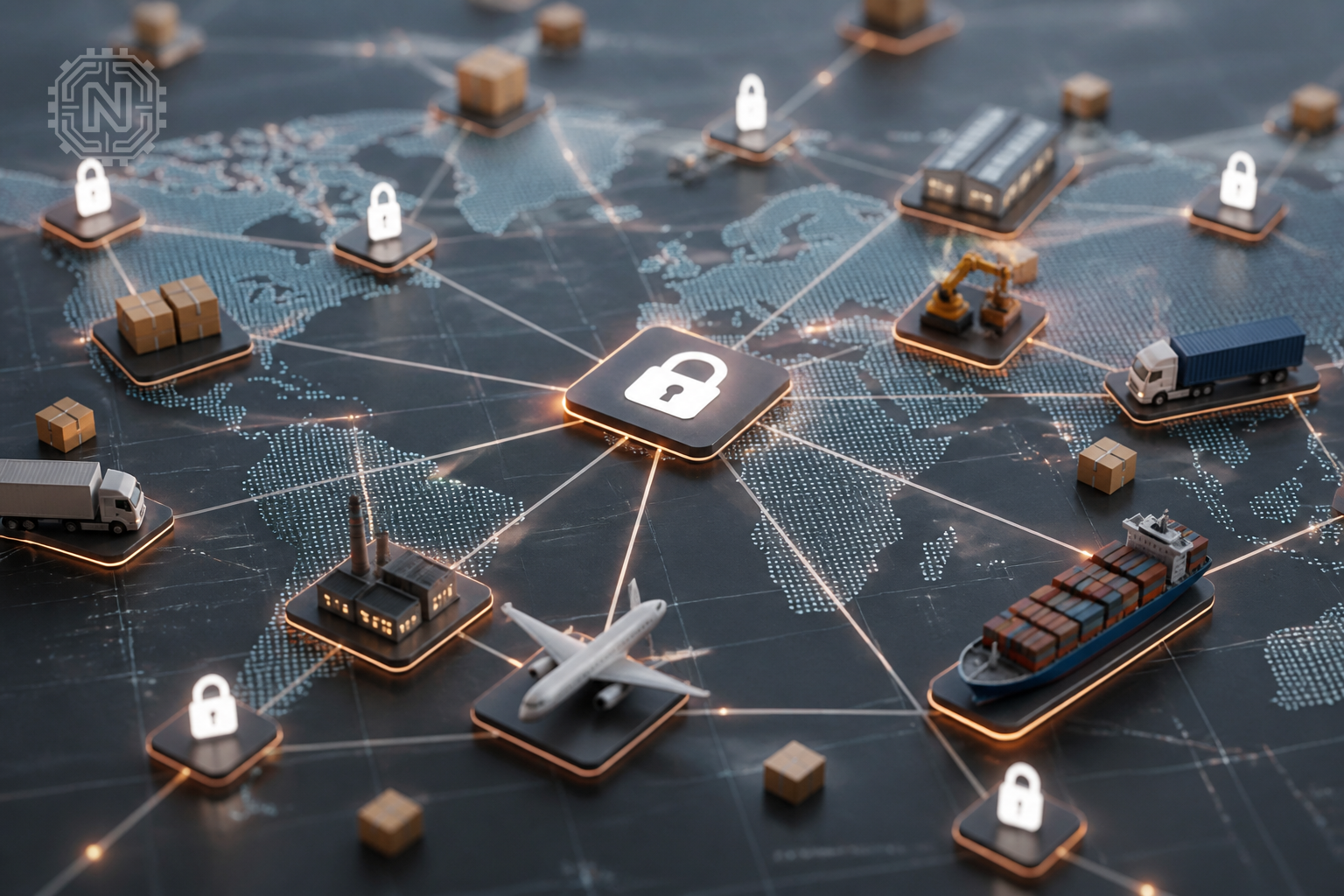
Companies must now conduct comprehensive risk assessments, maintain detailed audit logs, and ensure compliance with evolving standards to avoid penalties and reputational damage.
For more insights, see our coverage on supply chain regulation updates.
Regulatory Impact on Supply Chain Security
- Regulations are demanding greater transparency from vendors.
- Non-compliance can result in hefty fines and bans.
- Organizations are investing more in compliance tools.
"Regulatory frameworks are a catalyst for improving supply chain cybersecurity maturity."
Legal Expert
Future Outlook: What's Next for Supply Chain Cybersecurity?
As cyber threats continue to evolve, supply chain cybersecurity strategies will become more automated and intelligence-driven. AI and machine learning are increasingly used to detect anomalies and predict attacks before they happen.
Emerging trends include greater collaboration among organizations for threat sharing and a move toward more resilient, self-healing supply networks. Staying ahead requires continuous investment in innovation and talent.
Stay updated with latest cybersecurity news and prepare for the challenges ahead.
Why Supply Chain Security Matters in 2026
- Protects revenue and brand reputation.
- Prevents costly disruptions and data breaches.
- Ensures compliance with global standards.
"The future of supply chain cybersecurity hinges on proactive, adaptive defenses that evolve with the threat landscape."
Cybersecurity Futurist
Editorial Sources
- Google Security Blog
- European Union Agency for Cybersecurity (ENISA)
- U.S. Cybersecurity & Infrastructure Security Agency (CISA)
- Supply Chain Security in 2026: Key Strategies and Risks
- Supply Chain Cybersecurity in 2026: Risks & Strategies
- Zero Trust Security in 2026: Strategies for Protection
- Cybersecurity Threats 2026: What to Watch
Conclusion
Supply chain cybersecurity in 2026 presents complex challenges but also opportunities for organizations to strengthen their defenses. Embracing innovative strategies like Zero Trust, continuous monitoring, and regulatory compliance is essential for staying ahead of cybercriminals. Proactive investment now will safeguard supply networks for years to come.
Frequently Asked Questions
What are the main supply chain cybersecurity risks in 2026?
The main risks include third-party vendor vulnerabilities, malware-infected updates, and supply chain malware injections.
How can organizations improve supply chain security?
Implementing Zero Trust models, continuous monitoring, and rigorous vendor assessments are key steps.
Why is third-party vendor security so critical?
Because most supply chain breaches originate from compromised or insecure third-party vendors.
Are new regulations affecting supply chain cybersecurity?
Yes, global standards like EU's NIS 2 are increasing compliance requirements for organizations.
What technologies are used to defend supply chains?
AI, machine learning, and threat intelligence platforms are increasingly used for proactive defense.
How often should supply chain risk assessments be conducted?
Regular assessments—at least quarterly—are essential to stay ahead of evolving threats.
What role does regulation play in supply chain cybersecurity?
Regulations enforce standards that improve transparency, security practices, and incident response.
Is Zero Trust effective for supply chain security?
Yes, Zero Trust minimizes attack surfaces by verifying all access, regardless of location. For more on Cybersecurity, explore Newtechzy. You can also review our Privacy Policy and Cookie Policy, or learn more About us.
Related Topics
Explore our detailed guides on supply chain security and get expert advice to protect your organization. Stay one step ahead of cyber threats today.
Start Your Journey Today!


