

Quick Summary
- AI productivity apps automate routine tasks, saving time.
- New AI features improve team collaboration and communication.
- Major tech firms launched innovative AI tools in late 2025.
- AI integration is now standard in enterprise productivity suites.
- Future trends point to deeper AI automation and smarter workflows.
In 2026, AI-powered productivity apps are transforming how businesses operate daily. These tools automate tasks, enhance collaboration, and provide insights that were once impossible, making work faster and more efficient.
With giants like Microsoft, Google, and startups racing to embed AI into their productivity suites, understanding the latest developments is crucial for staying competitive and optimizing workflows.
AI-powered productivity apps in 2026: What’s new and why it matters
AI-driven productivity tools now feature advanced natural language processing, allowing users to create, edit, and manage documents with minimal effort. Integration with voice assistants and real-time data analysis has become commonplace, streamlining complex workflows.
Major updates from Microsoft 365, Google Workspace, and Notion introduced AI features that automatically summarize meetings, suggest task priorities, and even generate content drafts, significantly reducing manual input.
These innovations matter because they directly impact workplace efficiency, reduce operational costs, and free up human resources for more strategic work. As AI becomes more embedded, organizations that adopt early will gain a competitive edge.
For a detailed comparison of AI features across leading platforms, visit our latest coverage on app ecosystem shifts.
Key Facts About AI Productivity Apps 2026
- Most apps now incorporate machine learning for predictive insights.
- Automation reduces manual task time by up to 40%.
- Real-time collaboration is enhanced with smart suggestions.
- Integration with enterprise tools is seamless and secure.
"AI-powered productivity apps are now essential for competitive, agile workplaces."
Tech Industry Analyst
How do AI-powered productivity apps work in 2026?
These apps leverage deep learning models trained on vast datasets to understand user intent and context. They automate repetitive tasks like scheduling, email triage, and document drafting, freeing up human time.

Backend AI engines connect with cloud services, enabling real-time updates and collaboration. For example, AI can suggest project priorities based on deadlines and team workload, making decision-making faster and more accurate.
Security and privacy remain top priorities, with encryption and compliance embedded into the AI systems. Companies like Google and Microsoft have published detailed security protocols for their AI tools.
Developers are also using APIs and SDKs to embed AI functionalities into existing apps, creating a more integrated experience. Check out our latest AI app marketplace insights for more details.
Advantages and Challenges of AI Productivity Apps
- Advantages: Increased efficiency, smarter workflows, better data insights.
- Challenges: Privacy concerns, reliance on AI accuracy, integration complexity.
Official reactions and industry response to AI productivity growth
Leading companies have expressed strong support for AI integration, emphasizing productivity gains and innovation. Microsoft’s CEO highlighted AI’s role in transforming enterprise workflows during the latest earnings call.
However, some industry voices caution about over-reliance on AI, citing potential security risks and the need for robust oversight. Regulatory bodies are also beginning to draft guidelines for AI transparency and accountability.
For official statements, visit the Microsoft Blog and Google Blog.
"The industry sees AI-powered productivity apps as key to future workplace innovation."
Senior Industry Analyst
Implications for workers and businesses in 2026
AI productivity apps are drastically reducing routine manual work, allowing employees to focus on creative and strategic tasks. This shift demands new skills, such as AI literacy and data analysis.
Businesses adopting these tools report faster project turnaround times and improved decision-making. However, they also face challenges in change management and ensuring equitable AI access across teams.
For practical advice on implementation, see our guide to AI adoption in workplaces.
Why AI Productivity Apps Are Critical in 2026
- They enable faster decision-making and agile workflows.
- Help organizations stay competitive in digital markets.
- Require upskilling and change management efforts.
Comparison: AI productivity apps vs traditional tools
Compared to traditional productivity software, AI-powered apps offer automation, predictive insights, and smarter collaboration features. They adapt to user behavior, making workflows more personalized and efficient.
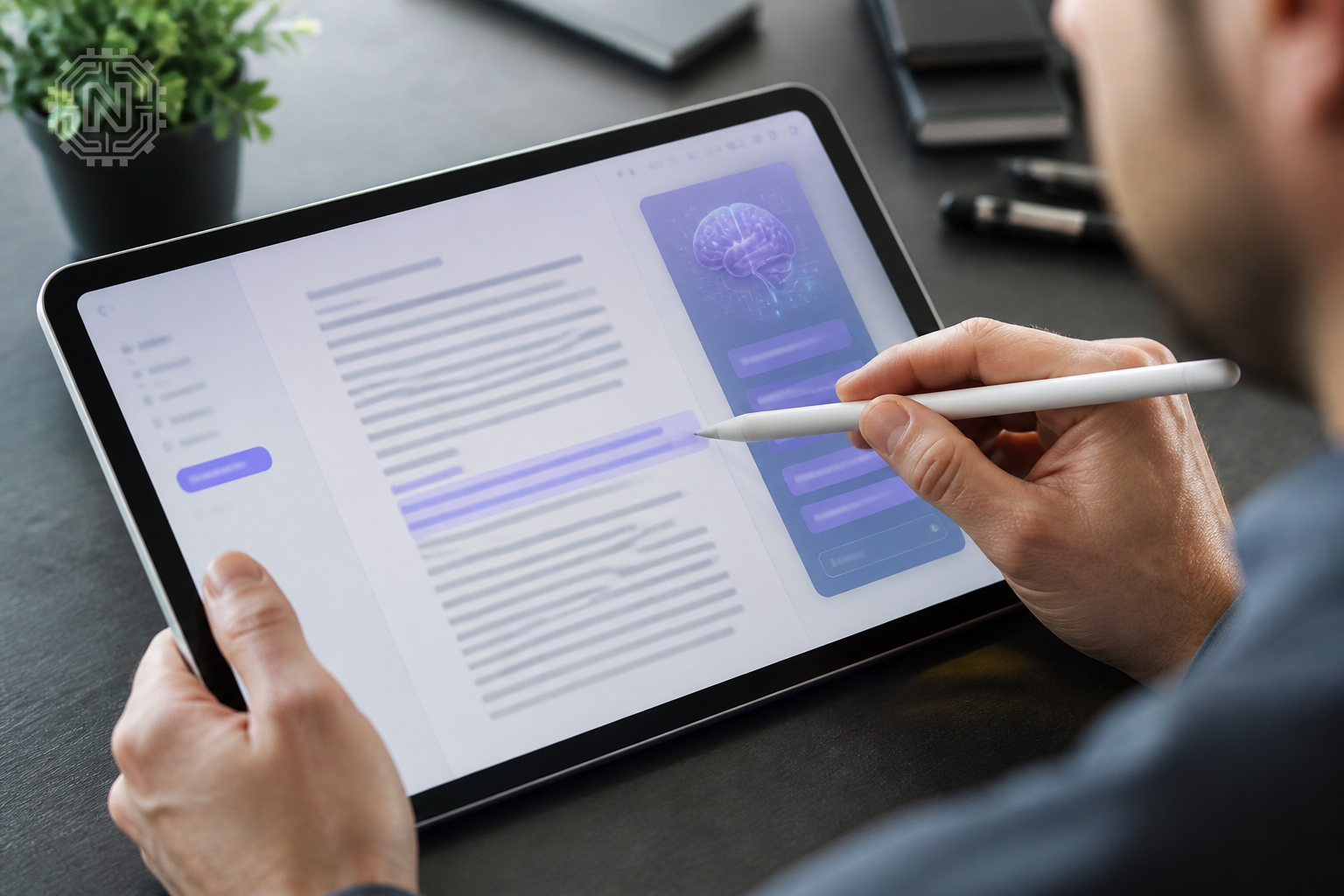
For example, an AI-enabled document editor can suggest content improvements, while a traditional one relies solely on user input. This difference significantly impacts productivity and quality of output.
| Feature | Traditional Apps | AI-powered Apps |
|---|---|---|
| Automation | Limited | Extensive |
| Content Suggestions | Rare | Frequent |
| Data Insights | Manual | Real-time |
| Collaboration | Basic | Smart & predictive |
| Customization | Limited | Adaptive |
"AI transforms productivity by making workflows smarter and more adaptive."
Tech Futurist
Future outlook: What’s next for AI in productivity software?
Expect AI to become more embedded in everyday tools, with deeper integration into enterprise systems, IoT devices, and even augmented reality interfaces. Personalization will reach new heights, tailoring workflows to individual preferences.
Emerging trends include AI-driven project management, predictive analytics for resource allocation, and autonomous decision-making in routine tasks. Companies are investing heavily to stay ahead.
Regulatory developments and ethical standards will shape how AI evolves, emphasizing transparency and user control. Staying informed on these trends is vital for businesses planning their digital future.
Future Trends in AI Productivity Apps
- Deeper integration with IoT and smart devices.
- Enhanced personalization and adaptive workflows.
- More autonomous decision-making capabilities.
- Stricter regulations on AI transparency and ethics.
Editorial Sources
Conclusion
AI-powered productivity apps are now central to modern workflows, offering automation, smarter collaboration, and data-driven insights. As these tools evolve, businesses and workers who embrace AI early will unlock new levels of efficiency and innovation.
Frequently Asked Questions
What are AI-powered productivity apps in 2026?
They are tools integrated with AI that automate tasks, enhance collaboration, and provide insights to improve workplace efficiency.
How do AI apps improve team collaboration?
AI apps suggest task priorities, automate scheduling, and facilitate real-time communication, making teamwork smoother and faster.
Are AI productivity apps secure and privacy-compliant?
Major apps incorporate encryption, compliance standards, and privacy controls to protect user data in 2026.
What skills are needed to work with AI productivity tools?
Skills include AI literacy, data analysis, and adaptability to new workflows driven by AI automation.
How do AI apps compare with traditional productivity tools?
AI apps offer automation, predictive insights, and smarter collaboration, unlike traditional tools that rely on manual input.
What are the main challenges of adopting AI in workplaces?
Challenges include privacy concerns, integration complexity, and ensuring equitable AI access across teams.
What future developments are expected in AI productivity software?
Expect deeper integration with IoT, enhanced personalization, and more autonomous decision-making capabilities.
Who supports the growth of AI in workplaces?
Tech giants like Microsoft and Google, along with industry analysts, advocate for AI-driven productivity solutions. For more on Apps & Software, explore Newtechzy. You can also review our Privacy Policy and Cookie Policy, or learn more About us.
Related Topics
Explore our full guide on integrating AI into your workplace and stay ahead in 2026. Contact us for tailored solutions.
Start Your Journey Today!


