


Quick Summary
- AI app stores are growing rapidly in 2026, expanding developer reach.
- They streamline AI app discovery for users, increasing engagement.
- Major players include Google, Apple, and emerging startups.
- New monetization models are emerging alongside traditional app sales.
- Open platforms are fostering innovation and competition.
- Regulatory and security concerns are shaping the ecosystem.
The rise of AI app stores in 2026 is fundamentally changing how developers distribute AI tools and how users find them. These marketplaces are not just app repositories; they’re evolving into ecosystems that drive innovation and user engagement.
With major tech giants like Google and Apple expanding their AI marketplaces, the landscape is more competitive and dynamic than ever. This shift impacts everything from app discovery to monetization strategies, making it crucial for developers and users to understand what’s happening now.
AI app store in 2026: The future of AI app distribution
The AI app store phenomenon in 2026 is reshaping how AI tools are distributed and consumed. Unlike traditional app stores, these platforms focus on AI-specific functionalities, often integrated with cloud services or embedded directly into operating systems. Major players like Google’s Google AI Marketplace and Apple’s AI integrations are setting the tone for the industry.
These stores are designed to facilitate discovery of AI models, APIs, and tools, emphasizing ease of use and seamless integration. They also serve as hubs for developers to showcase innovative AI solutions, with monetization models evolving beyond simple sales to subscriptions, licensing, and revenue sharing.
Official statements from companies highlight their commitment to democratizing AI access, with platforms offering curated content, security vetting, and developer support. The ecosystem is also attracting startups aiming to challenge established giants, pushing the boundaries of what AI app stores can do.
For more on the broader AI ecosystem, see Artificial Intelligence and AI App Marketplaces in 2026.
Key Facts About AI App Stores in 2026
- Major tech firms dominate the market, but startups are gaining ground.
- Discovery algorithms prioritize personalization and relevance.
- Security and ethical standards are central to platform policies.
- Integration with cloud services enhances app functionality.
- Revenue models include subscriptions, licensing, and ads.
"AI app stores are becoming the central hub for AI innovation, making it easier for developers to reach users and for users to access powerful tools."
Industry Analyst
How do AI app stores work in 2026?
AI app stores in 2026 operate similarly to traditional marketplaces but with a focus on AI-specific functionalities. Developers submit their AI models, APIs, or tools, which are then vetted for security, compliance, and quality. These apps are often integrated directly into operating systems or cloud platforms, enabling instant deployment.

Discovery relies heavily on personalized recommendation engines powered by machine learning, which analyze user preferences, past behavior, and trending AI solutions. This makes finding relevant AI tools faster and more efficient than ever before.
Monetization varies: some platforms charge developers a fee, others take a cut of subscription revenue, and some promote free tools supported by ads or data sharing. Open platforms are encouraging innovation, allowing third-party developers to contribute freely.
For detailed mechanics, see AI-powered code assistants in 2026 and Best Note-Taking Apps for 2026.
Pros and Cons of AI App Stores
- Pros: Easier discovery, faster deployment, increased innovation.
- Cons: Security risks, platform dependency, potential for misuse.
Official reactions and industry responses
Major companies have publicly supported the growth of AI app stores, emphasizing their role in democratizing AI access. Google’s AI Marketplace and Apple’s AI integration initiatives have been praised for their ease of use and security measures.
However, concerns remain about data privacy, security vulnerabilities, and potential monopolistic behaviors. Regulators are beginning to scrutinize these platforms, aiming to establish fair standards and protect consumer interests.
Industry experts suggest that transparency and open standards will be crucial for the long-term success of AI app stores. Ongoing dialogue between regulators, developers, and platform owners is expected to shape future policies.
For more on regulatory impacts, visit Google Support and Apple’s official site.
"The growth of AI app stores hinges on balancing innovation with security and fairness."
Tech Industry Expert
Implications for developers and users in 2026
Developers now have a direct route to global audiences, significantly reducing distribution costs and barriers. Platforms offer tools for easy deployment, analytics, and monetization, making it easier than ever to launch AI solutions.
Users benefit from curated, relevant AI tools that integrate seamlessly into their workflows, boosting productivity and creativity. Personalized recommendations help users discover new AI capabilities aligned with their interests.
However, the ecosystem’s growth also raises concerns about data privacy, AI ethics, and platform control. Developers must navigate complex compliance requirements, while users need to stay vigilant about security and data sharing.
For practical tips, see Tech News and Cybersecurity.
Why AI App Stores Matter in 2026
- They democratize access to advanced AI tools.
- They accelerate innovation by providing developers a global platform.
- They influence AI ethics and security standards.
- They are shaping the future of app discovery and monetization.
Comparing AI app stores: Who leads in 2026?
Leading platforms include Google’s AI Marketplace, Apple’s AI ecosystem, and emerging startups like Hugging Face. Each offers unique features: Google emphasizes enterprise integrations, Apple focuses on privacy, and startups prioritize open models.
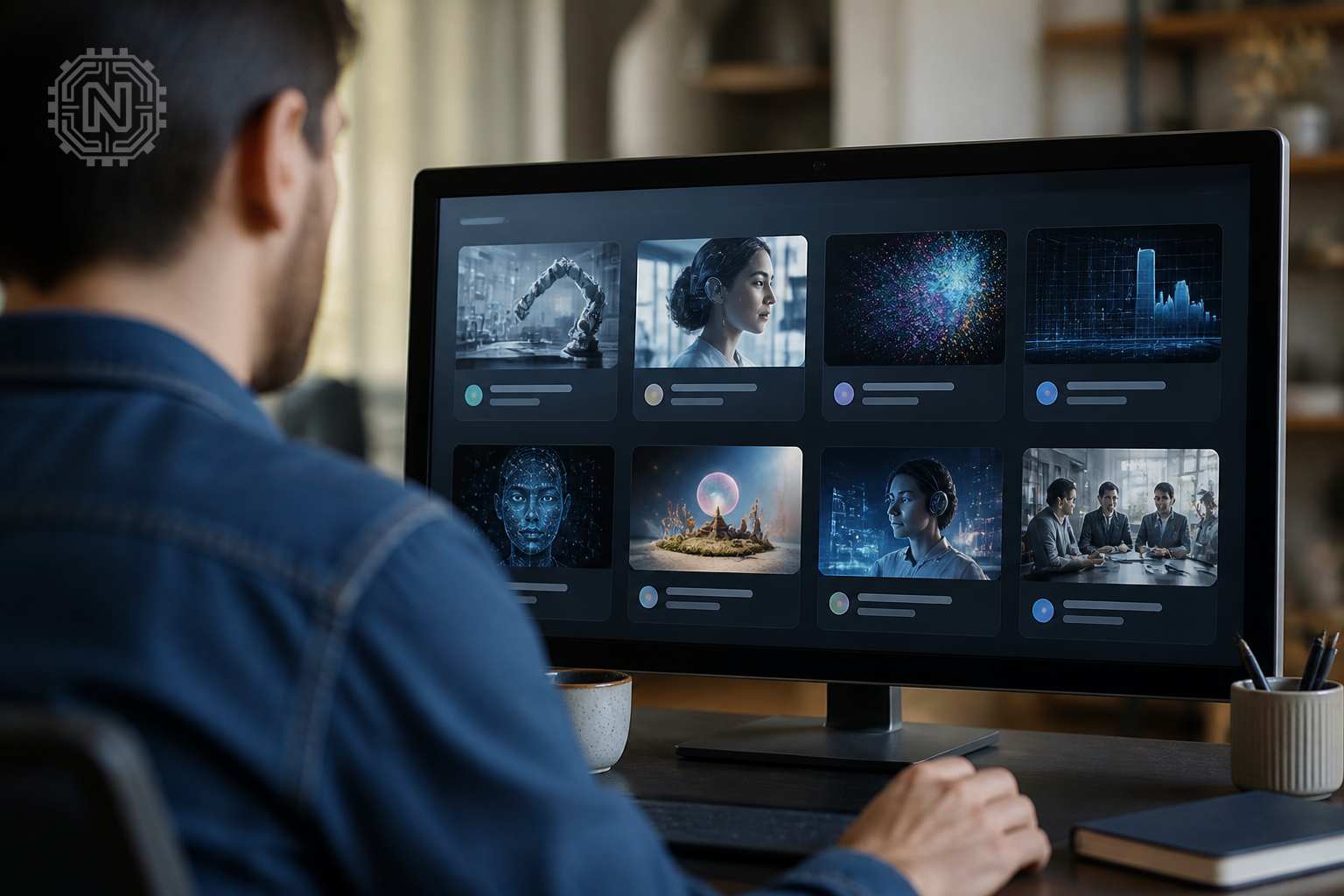
Major differences lie in their monetization models, security policies, and developer support. For example, Google’s platform is heavily integrated with cloud services, while Apple’s emphasizes privacy and user control.
New entrants are challenging incumbents by offering niche AI solutions, such as specialized AI for healthcare or finance. The competitive landscape is rapidly evolving, with no single platform dominating yet.
To compare options, see Apps & Software.
AI App Store Leaders in 2026
- Google AI Marketplace: Focus on enterprise AI solutions.
- Apple AI Ecosystem: Privacy-centric AI tools.
- Hugging Face: Open-source AI models and community.
- Startups: Niche AI solutions for specific industries.
Future outlook: What’s next for AI app stores?
The future of AI app stores looks promising, with continuous innovation in personalization, security, and integration. Expect more open standards, cross-platform compatibility, and enhanced developer tools.
Regulatory developments will shape platform policies, especially around data privacy and AI ethics. We might see new governance frameworks to ensure fair competition and consumer protection.
Emerging trends include decentralized AI marketplaces, more AI-powered discovery tools, and increased collaboration between platforms and academia. Staying ahead requires adaptability and focus on trust and transparency.
For insights on AI trends, see Tech News and AI App Marketplaces in 2026.
Did You Know?
- AI app stores are expanding into new industries like healthcare and finance.
- Cross-platform AI marketplaces are on the horizon.
- Security standards are evolving rapidly to protect users.
Editorial Sources
Conclusion
AI app stores in 2026 are fundamentally changing how AI solutions are distributed and discovered. They offer unprecedented opportunities for developers and users but also bring new challenges around security and regulation. Staying informed and adaptable is key to thriving in this dynamic environment.
Frequently Asked Questions
What is an AI app store?
An AI app store is a digital marketplace dedicated to AI models, tools, and APIs, enabling easy discovery and deployment for developers and users.
How do AI app stores differ from regular app stores?
They focus specifically on AI solutions, often offering integrations with cloud platforms and emphasizing AI-specific features like model sharing and customization.
Are AI app stores secure for developers and users?
Security varies; reputable platforms implement vetting, compliance checks, and privacy standards, but users should remain cautious and verify app credibility.
Can small developers succeed in AI app stores?
Yes, open platforms and flexible monetization models allow small developers to reach global audiences and monetize their AI innovations effectively.
What are the main challenges facing AI app stores?
Security risks, platform monopolies, ethical concerns, and regulatory compliance are key challenges impacting growth and trust.
What’s next for AI app marketplaces?
Expect increased interoperability, open standards, decentralized platforms, and tighter security measures shaping the future landscape.
How can developers get started with AI app stores?
They should focus on creating secure, compliant AI solutions, understand platform policies, and leverage developer support tools.
Are AI app stores available globally?
Most major platforms operate globally, but regional regulations and language support can affect availability and access. For more on Apps & Software, explore Newtechzy. You can also review our Privacy Policy and Cookie Policy, or learn more About us.
Related Topics
Explore more about AI app ecosystems and how they can benefit your projects. Stay updated on the latest trends and best practices in AI development.
Start Your Journey Today!


