

Quick Summary
- AI productivity apps are automating routine tasks, saving time.
- New tools improve team collaboration with AI insights.
- Major vendors launched innovative AI features in 2026.
- AI-driven apps are becoming essential for remote work.
- These tools increase efficiency but raise data privacy concerns.
- Future developments will focus on integration and smarter AI.
AI-powered productivity apps are reshaping how businesses and individuals manage tasks and collaborate in 2026. These tools leverage advanced AI to automate routine work, provide intelligent insights, and streamline workflows, making them indispensable for modern work environments.
As remote work continues to grow, the demand for smarter, AI-driven apps that enhance productivity and foster collaboration has surged. Companies like Microsoft, Google, and new startups are racing to embed AI into their core productivity suites, signaling a significant shift in workplace technology.
How AI-powered productivity apps are transforming work in 2026
In 2026, AI-powered productivity apps have become foundational to daily workflows across industries. They automate mundane tasks such as scheduling, email filtering, and data entry, freeing up time for strategic work. Major platforms like apps & software now feature AI assistants that adapt to user habits, providing personalized suggestions.
What are the core features of AI productivity apps today?
- Automated task prioritization and scheduling
- Real-time collaboration with AI insights
- Natural language processing for communication
- Data analysis and reporting automation
These features are driven by advancements in natural language understanding, machine learning, and integration capabilities, allowing apps to act more like intelligent partners than simple tools. Companies like Microsoft and Google have integrated these AI features into their productivity suites.
Key facts about AI productivity apps 2026
- Most apps now include AI assistants that learn user preferences.
- Automation saves up to 30% of work hours in some cases.
- AI improves collaboration by providing contextual suggestions.
- Security and privacy are major concerns with AI data processing.
"AI-driven productivity apps are fundamentally changing the way we work, making processes faster and more intuitive."
Industry Analyst
Deep dive: How do AI productivity apps work?
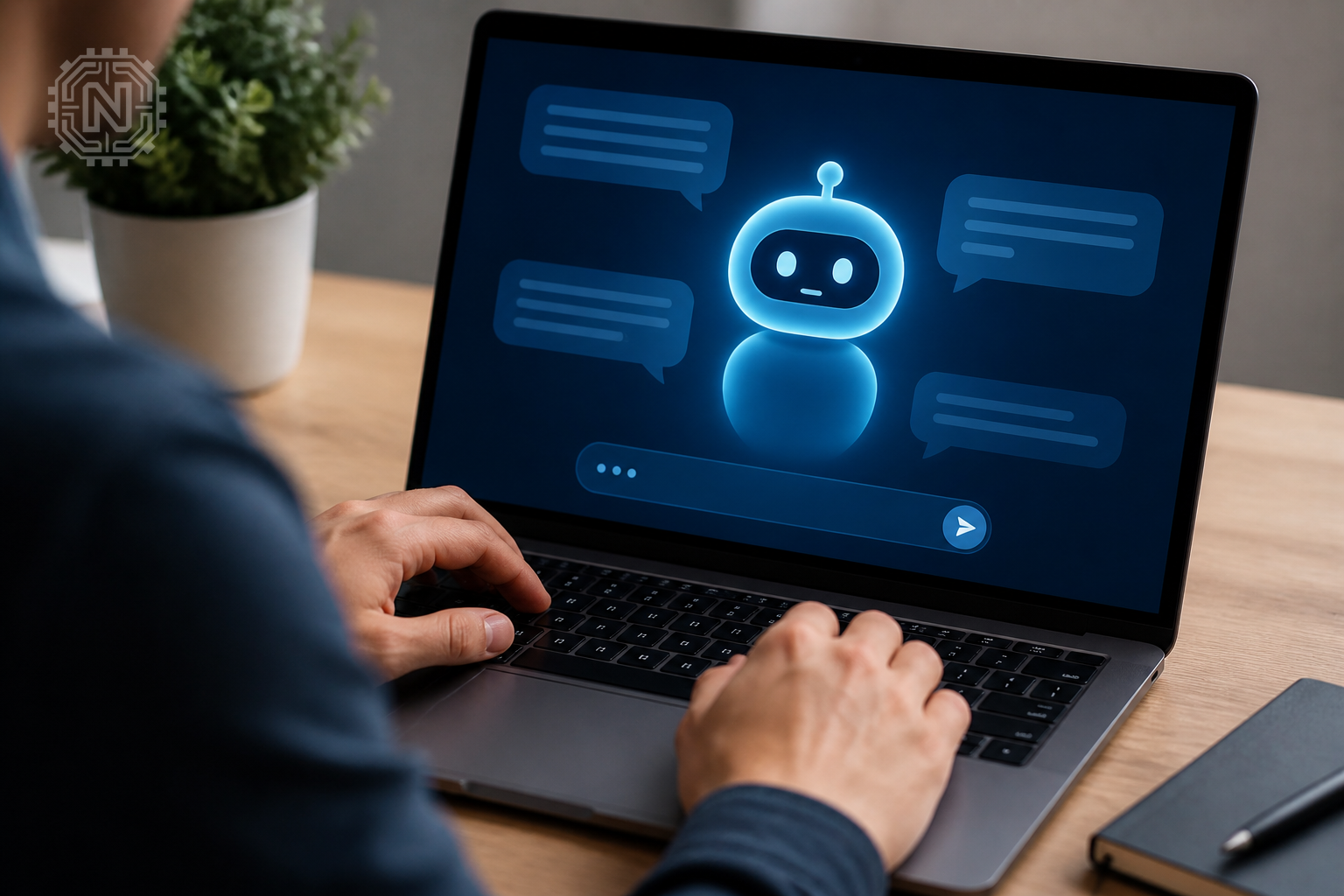
At their core, these apps use machine learning models trained on vast datasets to understand user behavior and preferences. They analyze patterns to automate routine tasks and offer predictive suggestions. For example, AI chatbots integrated into email platforms can draft responses or schedule meetings without user intervention.
What technologies power these apps?
- Natural language processing (NLP) for understanding communication
- Machine learning models for personalization
- Data integration APIs for seamless workflows
- Cloud computing for scalability and real-time updates
Developers leverage APIs from cloud providers like Google Cloud and Microsoft Azure to embed AI into productivity tools, enabling continuous learning and adaptation.
Pros and cons of AI productivity apps
- Pros: Automates routine tasks, improves efficiency, enhances collaboration.
- Cons: Data privacy concerns, dependency on AI accuracy, potential job displacement.
"The core mechanics of AI apps involve complex models that need constant training and updating to stay effective."
Tech Industry Expert
What companies are leading AI productivity innovations in 2026?
Major players like Microsoft, Google, and Apple continue to lead with new AI features in their office suites. Microsoft 365 introduced Copilot AI, which now handles complex document editing and project planning. Google Workspace’s Smart Compose and Smart Reply have seen significant improvements.
Are startups making waves in this space?
- Yes, startups like Notion AI and Otter.ai are pushing boundaries with niche AI tools for note-taking and transcription.
- They focus on hyper-personalized solutions that integrate with existing platforms.
These innovations are often driven by open-source AI models and cloud services, making advanced features accessible to smaller companies. For more on this, see AI app marketplaces in 2026.
Why AI productivity apps matter in 2026
- They increase work efficiency significantly.
- Support remote and hybrid work models.
- Raise new privacy and security challenges.
- Drive competitive advantage for early adopters.
"Leading companies are embedding AI deeply into their productivity tools, setting new standards for workplace automation."
Tech Industry Analyst
Implications and challenges of AI productivity tools
While these apps boost efficiency, they also introduce concerns around data security, privacy, and job displacement. Regulations are catching up, with governments proposing stricter rules on AI data handling and transparency.

How can users protect their data?
- Use encryption and secure authentication methods.
- Limit data sharing permissions.
- Stay informed about privacy policies.
Businesses need to balance AI benefits with ethical considerations, ensuring compliance with regulations like GDPR and CCPA. For a detailed overview, see GDPR official site.
Data privacy in AI productivity apps
- AI apps process sensitive data, raising privacy concerns.
- Regulations require transparency and user consent.
- Security breaches could expose confidential information.
"Adopting AI in productivity tools demands careful attention to data privacy and security."
Cybersecurity Expert
Future outlook: What’s next for AI productivity apps?
Expect even deeper integration of AI into daily workflows, with more context-aware assistants and smarter automation. Companies are investing heavily in AI research, aiming for fully autonomous work environments by 2030.
Will AI replace human roles entirely?
- Unlikely in the near term; AI will augment, not replace, human workers.
- Focus will shift to managing AI tools and interpreting their outputs.
Emerging trends include AI-driven decision support and personalized learning within productivity platforms. Stay updated via industry reports and official announcements from tech giants like Google AI Blog.
Future of AI productivity apps
- Pros: More automation, better insights, personalized workflows.
- Cons: Increased reliance on AI, potential job shifts, privacy risks.
"The trajectory of AI in productivity apps points toward increasingly autonomous and intelligent work environments."
Future Tech Analyst
Editorial Sources
Conclusion
AI-powered productivity apps are fundamentally transforming workplaces in 2026, offering smarter automation and collaboration. While they bring immense benefits, addressing privacy and security remains critical as adoption accelerates. Staying informed and cautious will ensure these tools serve us well into the future.
Frequently Asked Questions
What are AI-powered productivity apps?
They are tools that use artificial intelligence to automate tasks and improve efficiency in work environments.
How do AI productivity apps improve collaboration?
They provide real-time insights, smart suggestions, and automate communication, making teamwork more seamless.
Are AI productivity apps secure to use?
Security varies; users should ensure apps have strong encryption and follow privacy best practices.
Can AI apps replace human workers?
They are designed to augment human work, not replace people entirely, especially for complex, creative tasks.
What are the best AI productivity apps in 2026?
Major platforms like Microsoft 365 Copilot and Google Workspace Smart Compose lead the market.
How much do AI productivity apps cost?
Pricing varies; many offer freemium models, with premium features priced in the enterprise range.
Will AI apps learn my work habits?
Yes, most are designed to adapt and personalize suggestions based on user behavior.
What are common privacy concerns with AI productivity apps?
They process sensitive data, raising concerns about data breaches and misuse if not properly managed. For more on Apps & Software, explore Newtechzy. You can also review our Privacy Policy and Cookie Policy, or learn more About us.
Related Topics
Explore the latest AI productivity tools and learn how they can boost your work efficiency today. Stay ahead with our in-depth coverage and expert insights.
Start Your Journey Today!


