

Quick Summary
- NFTs are a booming market for digital artists in 2026.
- Creating an NFT involves choosing a platform, minting, and listing.
- This guide covers tools, costs, and best practices.
- NFT creation can generate new revenue streams for artists.
- Understanding the blockchain and marketplace is crucial.
- Future trends suggest more mainstream adoption in 2026.
Non-fungible tokens (NFTs) remain a hot topic in 2026, with artists and creators eager to monetize their digital work. If you're wondering how to create an NFT, this comprehensive guide breaks down the process step-by-step, from selecting platforms to minting and listing your digital art.
As the market matures, understanding the technical and practical aspects of NFT creation becomes essential. Whether you're a seasoned digital artist or just starting, knowing the latest tools and best practices will help you succeed in this evolving space.
NFT Creation Guide 2026: How to Make Your Digital Art
Creating an NFT today involves more than just uploading art to a marketplace. It requires understanding blockchain technology, choosing the right platform, and navigating costs and legal considerations. This guide aims to demystify the process, making it accessible for beginners and experienced creators alike.
What is an NFT and How Does It Work?
- An NFT (non-fungible token) is a unique digital asset stored on a blockchain, certifying ownership of a specific piece of digital content.
- Unlike cryptocurrencies, NFTs are not interchangeable, making each one a distinct collectible or artwork.
- They are typically created through a process called 'minting,' which registers the digital item on a blockchain like Ethereum or Solana.
Understanding the underlying blockchain is crucial, as it impacts the NFT's security, transferability, and marketplace compatibility. For more details, visit Ethereum's official site.
Key Facts About NFT Creation in 2026
- Most NFTs are minted on Ethereum, Solana, or Polygon.
- Minting costs vary from $10 to $100+ depending on the network congestion and platform.
- Artists retain copyright but transfer ownership rights via the blockchain.
- Marketplaces like OpenSea, Rarible, and Mintable dominate the space.
- Creating NFTs requires digital wallets such as MetaMask or Phantom.
"NFT creation has become more accessible thanks to user-friendly platforms and lower minting costs, opening new opportunities for artists worldwide."
Digital Art Analyst
How to Choose the Right Platform for NFT Minting in 2026
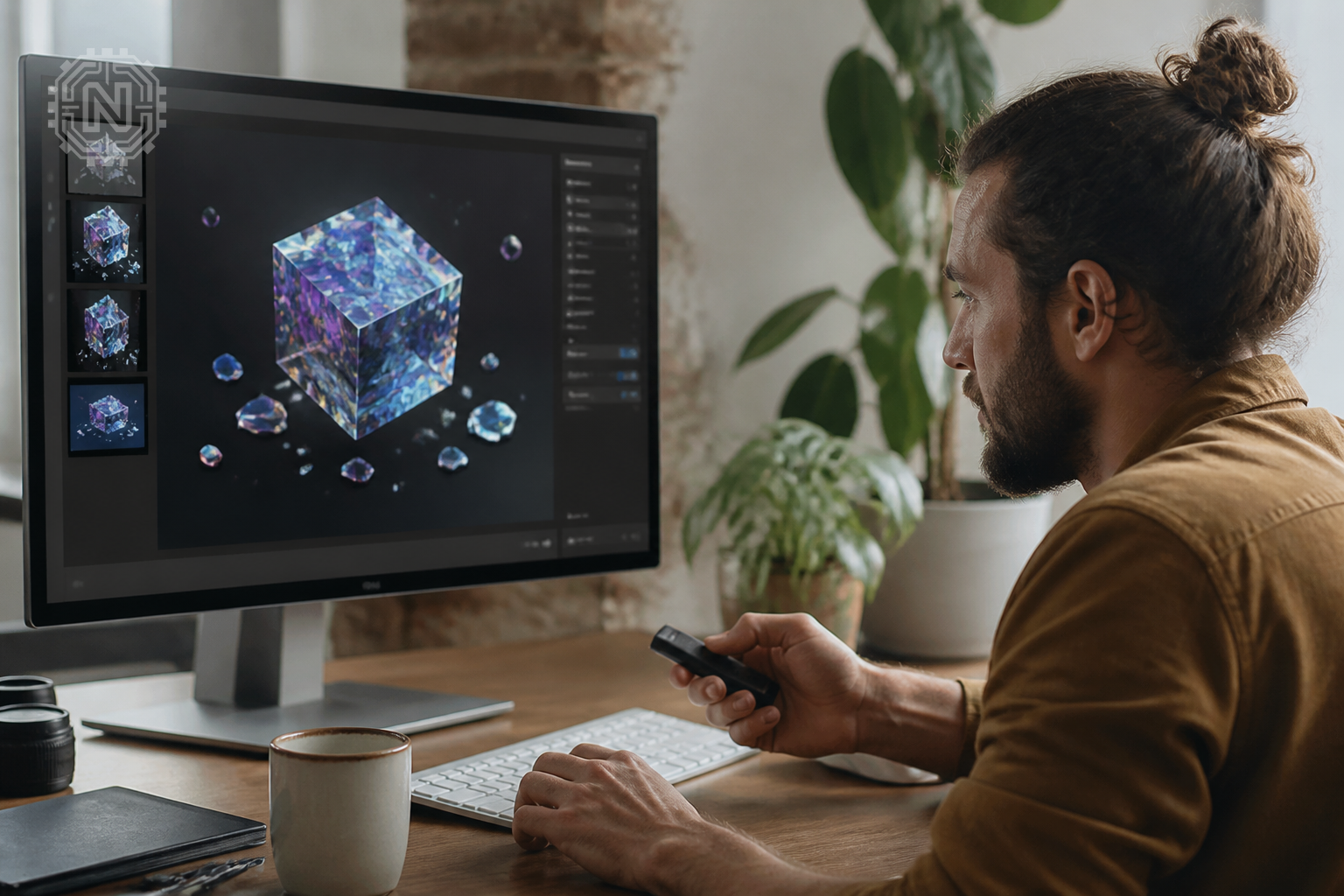
Picking the right platform is vital for a successful NFT launch. Popular options include OpenSea, Rarible, and Mintable, each offering different features, fee structures, and blockchain support.
What Are the Best NFT Marketplaces in 2026?
- OpenSea remains the largest and most versatile marketplace for various digital assets.
- Rarible offers community governance and lower fees for creators.
- Mintable provides integrated minting tools with no upfront costs on certain blockchains.
Compare platform fees, supported blockchains, and user interface to select the best fit for your needs. For detailed comparisons, see our marketplace review.
Pros and Cons of Major NFT Platforms
- OpenSea: Large user base, versatile, but higher fees.
- Rarible: Community-driven, lower fees, but smaller audience.
- Mintable: Easy minting, some free options, limited customization.
What Are the Costs and Technical Requirements for Minting NFTs?
Minting an NFT involves costs such as gas fees, which fluctuate based on network congestion. Expect to pay anywhere from $10 to $100+ per minting session.
What Software and Wallets Do You Need?
- Popular digital wallets include MetaMask, Coinbase Wallet, and Phantom.
- Software options range from browser-based tools to dedicated NFT creation apps like Adobe Photoshop with plugins.
Ensure your digital wallet is secured with strong authentication, and understand the transaction fees before minting. For wallet setup guides, visit our wallet setup tutorial.
"Cost management and choosing the right platform are key to maximizing profits when creating NFTs."
NFT Market Expert
How to Mint Your Digital Art as an NFT in 2026
Minting involves uploading your digital file, entering metadata, and paying the associated gas fees. Follow platform-specific instructions carefully to ensure your NFT is properly registered on the blockchain.
Step-by-Step Minting Process
- Create or connect your digital wallet.
- Select the platform and click 'Create' or 'Mint.'
- Upload your digital art file.
- Enter title, description, and other metadata.
- Set sale options, such as fixed price or auction.
- Review transaction fees and confirm the minting.
After minting, your NFT will appear in your profile and be available for listing. For tips on optimizing your listing, see our listing optimization guide.
What Are the Legal and Copyright Considerations in NFT Creation?
Artists generally retain copyright of their work but transfer ownership rights when selling NFTs. Clarify licensing terms and consider legal advice to avoid disputes.
Are NFTs Legally Protected?
- Copyright remains with the creator unless explicitly transferred.
- Legal frameworks vary by country, so local laws impact NFT transactions.
- Always document your rights and licensing conditions before minting.
Consult a legal expert for contracts and licensing, especially if you plan to sell NFTs widely. For more, see WIPO’s copyright resources.
Did You Know?
- Many artists use NFTs to supplement traditional art sales.
- Smart contracts can automate royalty payments for secondary sales.
What’s Next for NFT Creation and Market Trends in 2026?
The NFT space is expected to grow further with mainstream adoption, more user-friendly tools, and lower minting costs. Integration with virtual worlds and metaverse platforms is also on the rise.
Future Outlook and Opportunities
- More platforms will offer zero-cost minting options.
- NFTs will increasingly be used in gaming, virtual events, and brand collaborations.
- Legal frameworks will evolve to protect creators and consumers.
Staying updated on platform policies and blockchain developments will help creators leverage new opportunities. For ongoing updates, follow our tech news section.
Editorial Sources
Conclusion
Creating NFTs in 2026 is more accessible than ever, with a range of platforms, tools, and markets to suit every artist’s needs. Understanding the technical, legal, and market aspects ensures you can successfully launch your digital art and explore new revenue streams in the booming NFT space.
Frequently Asked Questions
What is the easiest way to create an NFT in 2026?
Use user-friendly platforms like Mintable or OpenSea that offer guided minting processes and no upfront costs.
How much does it cost to mint an NFT today?
Minting costs vary but generally range from $10 to over $100 depending on network congestion and platform fees.
Can I retain copyright of my digital art after creating an NFT?
Yes, artists typically keep copyright but transfer ownership rights upon sale, so clarify licensing terms beforehand.
Which blockchain is best for NFT creation in 2026?
Ethereum remains dominant, but Solana and Polygon are popular due to lower fees and faster transactions.
Are NFTs legal to sell and buy globally?
Legal considerations vary by country; always ensure compliance with local laws and retain documentation of rights.
What tools do I need to start creating NFTs?
A digital wallet (like MetaMask), compatible software for art creation, and access to an NFT marketplace.
How do I ensure my NFT listing is successful?
Optimize metadata, set fair prices, and promote your work on social media and within NFT communities.
What are the risks of creating NFTs?
Market volatility, copyright issues, and high transaction fees can impact profitability and security. For more on How-To, explore Newtechzy. You can also review our Privacy Policy and Cookie Policy, or learn more About us.
Related Topics
Ready to turn your digital art into NFTs? Explore our full guide for tips, platform reviews, and expert insights to get started today.
Start Your Journey Today!


