


Quick Summary
- Loot box regulations are tightening globally in 2026.
- Transparency efforts aim to reduce player exploitation.
- Industry shifts focus toward ethical monetization.
- Players demand clearer odds and fairer systems.
- Legal battles highlight ongoing controversy.
- Future trends include alternative reward systems.
Loot boxes have long been a fixture in digital gaming, blending chance-based rewards with ongoing monetization strategies. In 2026, the landscape is shifting dramatically as regulators clamp down and developers seek more transparent, player-friendly models. This article explains what’s changing in gaming loot boxes and why it matters for players and the industry alike.
With legal battles, new laws, and industry reforms, loot boxes are at a crossroads. Understanding these developments helps gamers navigate a more transparent, fairer gaming environment. We’ll cover regulatory updates, industry responses, and what the future holds for loot-based monetization.
Gaming Loot Boxes 2026: How Regulations Are Reshaping Play
The core issue with loot boxes has always been their chance-based nature, often resembling gambling. In 2026, regulators across the EU, US, and Asia are imposing stricter rules. The European Union’s new Digital Gambling Directive now classifies many loot boxes as gambling, requiring operators to hold licenses and disclose odds.
In the US, several states are considering legislation that mandates transparency on odds and limits on spending. Meanwhile, countries like South Korea and Japan are enforcing age restrictions and banning certain loot box mechanics altogether. These changes aim to curb exploitative practices and protect vulnerable players.
Industry reactions vary. Major publishers like Electronic Arts and Activision Blizzard are updating their systems to include clear odds disclosures and spending caps. Smaller studios are exploring alternative reward systems to avoid regulatory scrutiny. For more on how game developers adapt, see our coverage of AI in gaming.
Key Regulatory Changes in 2026
- European Union classifies loot boxes as gambling, requiring licenses.
- US states introduce laws mandating transparency on odds and spending limits.
- South Korea bans certain loot box mechanics for minors.
- Japan enforces age restrictions and disclosure rules.
- Developers shift toward transparent reward systems to avoid legal issues.
"Regulatory crackdowns are forcing the industry to rethink how loot boxes are integrated into games."
Gaming Industry Analyst
What Are the New Mechanics of Loot Boxes in 2026?
Developers are experimenting with new reward systems to replace traditional loot boxes. Some are adopting direct purchase options with fixed prices, eliminating chance altogether. Others are introducing 'guaranteed' loot after a certain number of purchases, reducing randomness.
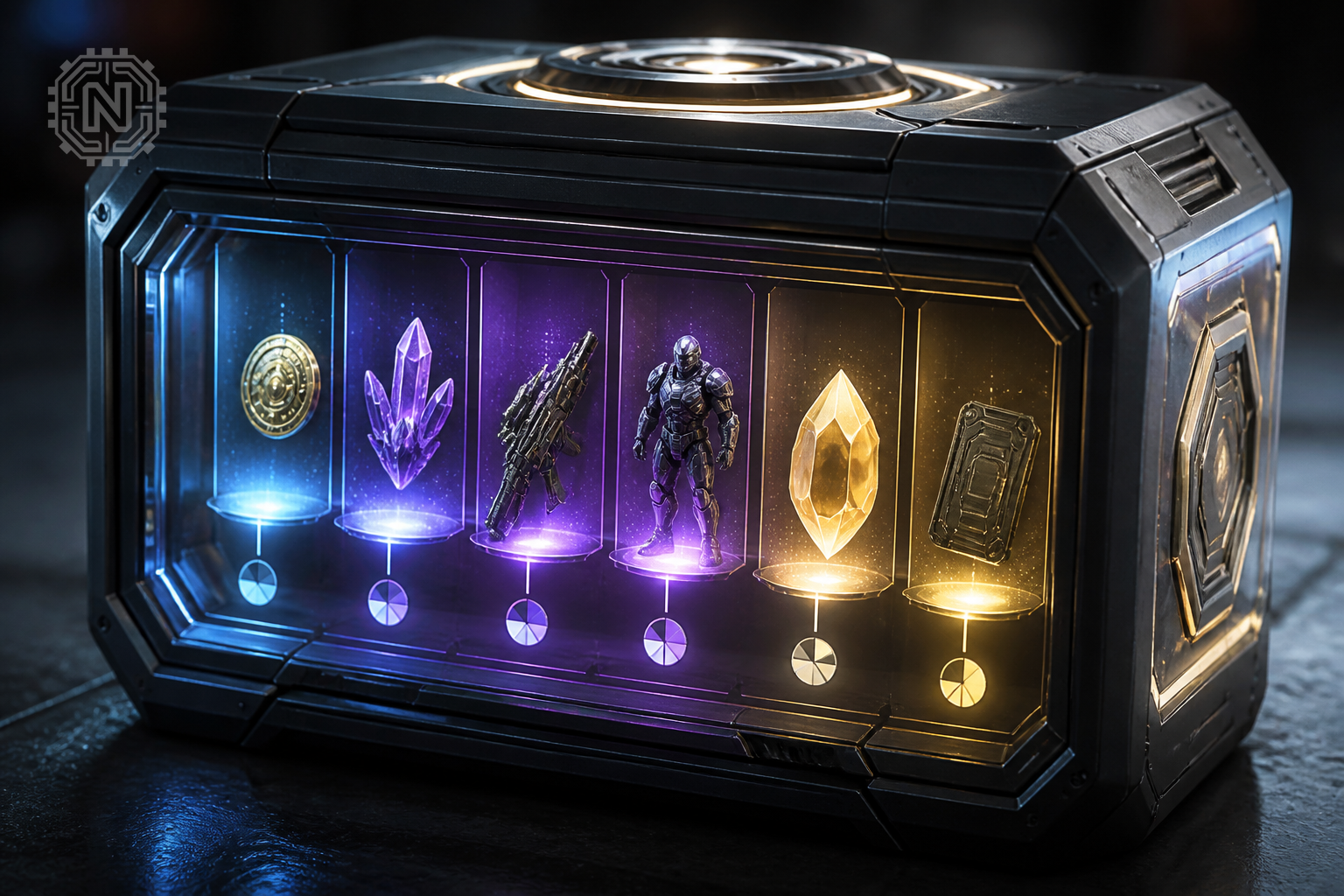
Another trend is the use of 'ethical' loot boxes—where odds are transparent, and players can see their chances before buying. Some games now feature 'loot pools' with clear item probabilities, giving players more control and reducing feelings of exploitation.
These changes aim to balance monetization with player trust. For instance, subscription models are gaining popularity as an alternative to loot boxes, offering predictable costs and rewards.
Loot Box Mechanics in 2026: Pros and Cons
- Pros: More transparency builds trust, reduces legal risks.
- Cons: Still encourages spending, some players see it as gambling.
- Pros: Alternative reward systems can be fairer.
- Cons: May reduce excitement for players who enjoy chance-based rewards.
"The industry’s shift toward transparent reward mechanics reflects both regulatory pressure and consumer demand."
Gaming Industry Expert
How Do These Changes Affect Players and Developers?
For players, increased transparency means clearer odds and safer spending. Many gamers welcome the move away from opaque loot box systems that obscure chances of getting rare items.
Developers face a balancing act: maintaining monetization while complying with new laws. Some are redesigning their reward structures, incorporating more skill-based or guaranteed loot to stay within legal boundaries.
Legal battles are ongoing, and some countries are considering outright bans on loot boxes. This pushes developers to innovate with new monetization strategies, such as cosmetic-only purchases or subscription services. For more insights, see our analysis of digital collectibles in gaming.
Why Loot Box Reforms Matter in 2026
- Protects vulnerable players from exploitative practices.
- Encourages industry transparency and fair play.
- Stimulates innovation in reward systems.
- Reduces legal risks for publishers.
"The shift toward fairer loot systems is a positive step for the gaming community."
Senior Gaming Analyst
What’s Next for Loot Boxes and Game Monetization?
Looking ahead, expect more regulation and industry innovation. Developers are exploring non-gambling reward models like battle passes, skill-based loot, and direct purchases with visible odds.

Emerging markets and regions with strict laws will push the industry toward more ethical monetization. Meanwhile, players are demanding greater transparency and control over their spending.
Technologies like blockchain and AI are also being tested to provide verifiable odds and personalized rewards, potentially transforming loot systems further. To see how AI is shaping the future, visit our AI in gaming coverage.
Future Trends in Loot Box Mechanics
- More transparent, skill-based reward systems.
- Use of blockchain for verifiable odds.
- Shift toward ethical monetization models.
- Regional laws will continue to influence game design.
"The future of loot boxes hinges on balancing monetization with player trust and legal compliance."
Gaming Industry Futurist
Editorial Sources
Conclusion
As 2026 unfolds, the gaming industry’s approach to loot boxes is fundamentally changing. Increased regulation, transparency, and innovation are creating a more accountable and fair environment for players. Developers who adapt quickly will thrive, while players gain more control and confidence in their in-game spending.
Frequently Asked Questions
Are loot boxes considered gambling in 2026?
Many regions now classify loot boxes as gambling, requiring licensing and transparency, but laws vary by country.
What are the new regulations for loot boxes in 2026?
Regulations include mandatory odds disclosure, spending caps, age restrictions, and sometimes outright bans.
How are developers changing loot box mechanics?
They're adopting transparent odds, fixed-price rewards, or replacing chance-based systems with direct purchases.
Do these changes impact game prices or monetization?
Yes, many games shift towards ethical monetization, like battle passes or cosmetic-only purchases.
Are players happier with the new loot box systems?
Generally, yes; increased transparency and fairness improve trust and reduce exploitative feelings.
Will loot boxes disappear completely?
Not entirely; many are evolving into more regulated, transparent reward systems.
What future technologies could influence loot box design?
Blockchain and AI are being explored to verify odds and personalize rewards.
How can players protect themselves from exploitative loot boxes?
Look for games with transparent odds, set spending limits, and avoid impulsive purchases. For more on Gaming, explore Newtechzy. You can also review our Privacy Policy and Cookie Policy, or learn more About us.
Related Topics
Stay informed on gaming trends and legal changes. Subscribe to our newsletter or contact us to learn more about the future of gaming monetization.
Start Your Journey Today!


