


Quick Summary
- AI integration in gaming has accelerated significantly in 2026.
- Smarter NPCs and adaptive difficulty improve immersion.
- AI-driven personalization tailors experiences to players.
- Industry reactions highlight AI's role in future game design.
- New tools for developers make AI more accessible.
- AI's impact extends across genres, from shooters to RPGs.
Gaming AI in 2026 is fundamentally reshaping how developers and players interact with virtual worlds. Smarter NPCs, dynamic environments, and personalized gameplay are now powered by advanced artificial intelligence, making games more immersive and responsive than ever before.
This shift isn’t just about better graphics or faster hardware; it’s about AI algorithms that learn and adapt in real time, changing the rules of engagement and how narratives unfold. As AI becomes more integrated into game engines, the industry is witnessing a new era of interactive storytelling and player agency.
How Gaming AI in 2026 Is Changing Player Interactions
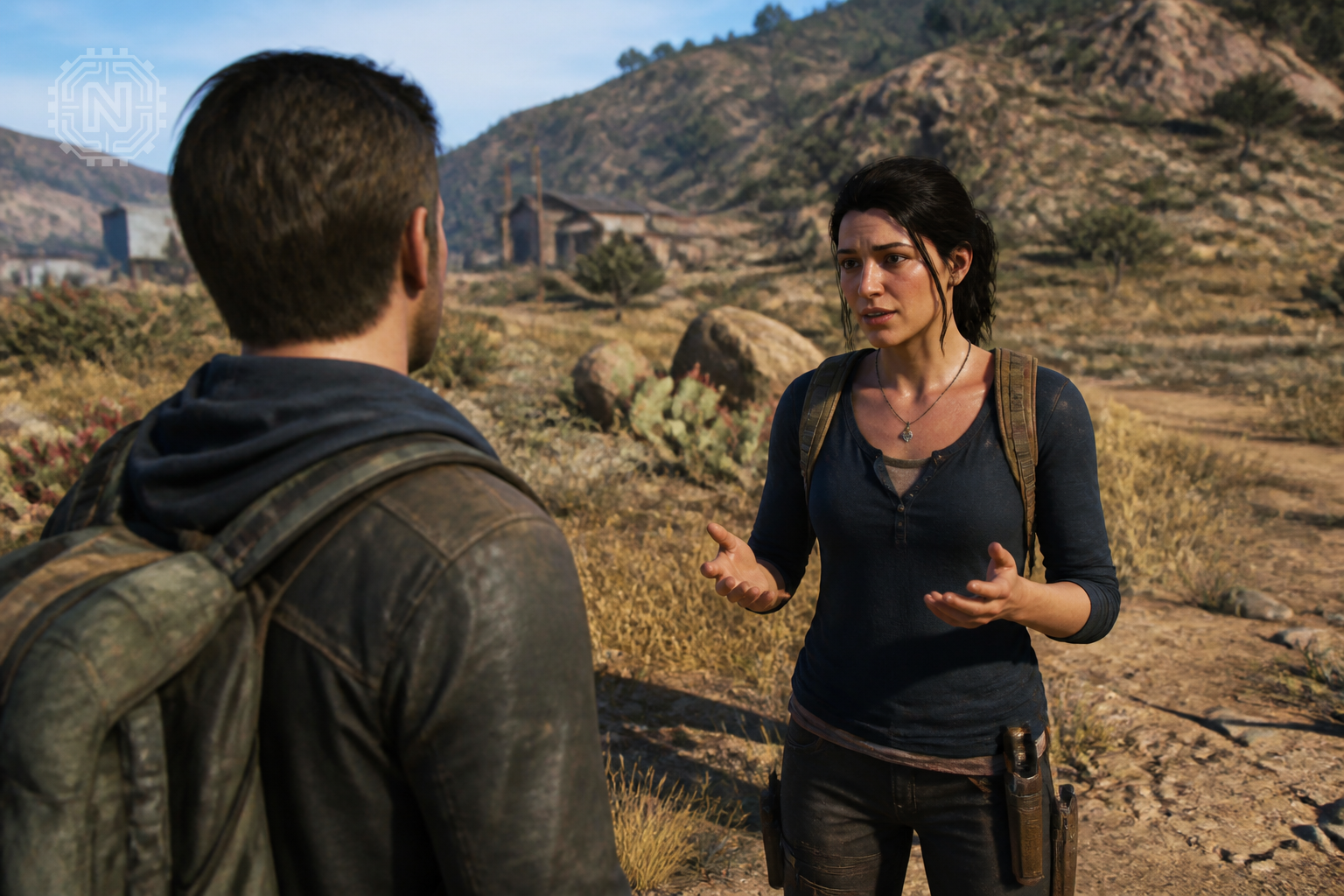
In 2026, gaming AI has moved beyond scripted behaviors, enabling NPCs to react with human-like unpredictability. This evolution is driven by advances in machine learning, deep neural networks, and natural language processing, which allow characters to hold conversations, exhibit complex emotions, and adapt to player strategies.
For example, open-world games now feature NPCs that remember past interactions, influencing their future responses. This creates a more authentic, living game environment, where player choices have meaningful consequences, and no two playthroughs are exactly alike.
Developers are also leveraging AI to generate content on the fly, such as quests, dialogues, and even entire landscapes, reducing development time and increasing replayability. This approach helps create expansive, varied worlds that feel alive and reactive.
Read more about how AI enhances game performance and the hardware behind these innovations.
Key Facts About Gaming AI 2026
- NPCs now exhibit human-like behaviors using deep learning.
- Procedural content generation is more prevalent.
- Real-time adaptation improves difficulty balancing.
- AI-driven personalization tailors gameplay to individual players.
- Tools for developers have become more accessible.
"AI-driven NPCs are making games more immersive and unpredictable, offering a richer player experience."
Industry Analyst
The Mechanics Behind AI-Enhanced Gaming in 2026
At the core of gaming AI in 2026 are complex algorithms that process vast amounts of player data. Neural networks trained on millions of gameplay hours enable NPCs to learn and adapt, creating more believable interactions.
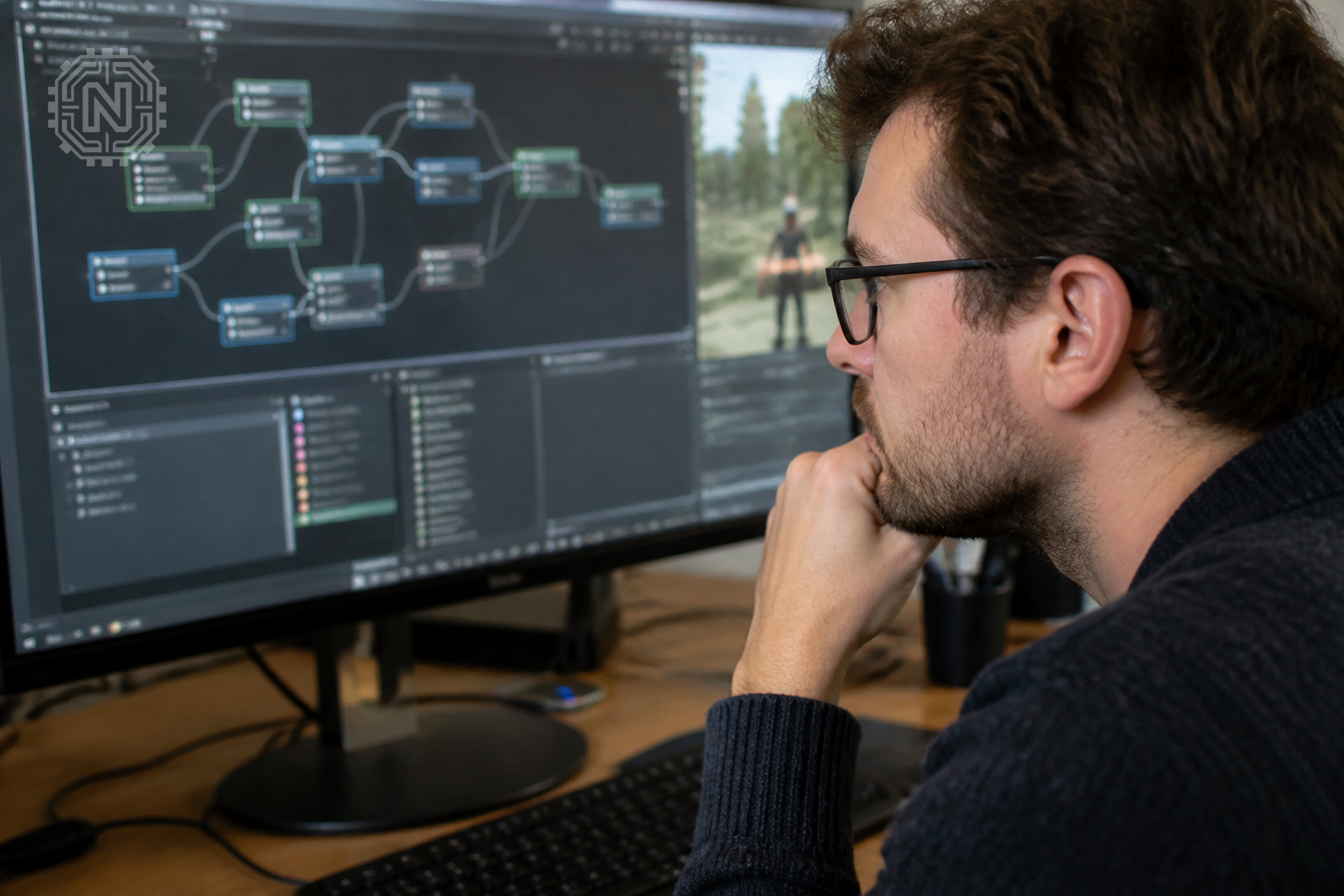
Deep reinforcement learning allows NPCs to improve their tactics over time, making encounters more challenging and less predictable. Developers also use natural language processing to enable realistic conversations, elevating storytelling beyond static scripts.
Game engines now integrate AI modules that analyze player behavior in real time, adjusting difficulty levels seamlessly. This prevents frustration for casual players and provides a challenge for veterans, balancing fun and engagement.
For a deeper understanding, check out Wikipedia's deep reinforcement learning overview.
Pros and Cons of Gaming AI in 2026
- Pros: More immersive experiences, personalized gameplay, dynamic worlds.
- Cons: Increased development complexity, potential for unpredictable behaviors.
"Real-time AI adaptation is making games feel more alive and personalized."
Game Developer
Official Statements and Industry Reactions
Major industry players, including Electronic Arts and Ubisoft, have publicly emphasized AI’s role in future game development. They highlight that AI will be central to creating more engaging, lifelike worlds.
According to Game Informer, AI advancements are enabling developers to craft narratives that adapt to player choices in unprecedented ways, blurring the line between scripted storylines and emergent gameplay.
Why Gaming AI in 2026 Matters
- Enhances player engagement through personalized experiences.
- Reduces content creation costs via procedural generation.
- Creates more realistic, believable game worlds.
- Challenges developers to manage complex AI behaviors.
"AI is the backbone of next-generation game design, making worlds more reactive and stories more personal."
Senior Game Designer
Implications for Developers and Players
For developers, integrating AI means rethinking design workflows and investing in new tools. AI-powered engines like Unity and Unreal Engine now include built-in AI modules that simplify this process.
Players benefit from more immersive, unpredictable experiences that adapt to their skill level and preferences. However, there’s also concern about AI’s potential to create unfair advantages or unpredictable bugs, which developers must address.
In practice, AI’s role in game balancing and content creation is expected to grow, making titles more engaging and extending their lifecycle. The industry is also exploring ethical considerations, such as AI transparency and player data privacy.
Learn more about how AI is improving in-game communication and cheat code evolution with AI.
What Developers and Players Need to Know
- AI tools are more accessible for indie devs.
- Personalization enhances user retention.
- Managing AI complexity is a key challenge.
"AI is enabling a new era of game design that’s more flexible and player-centric."
AI Technology Expert
Comparison: Traditional vs AI-Driven Games in 2026
| Feature | Traditional Games | AI-Driven Games |
|---|---|---|
| NPC Behavior | Scripted, predictable | Adaptive, human-like |
| Content Generation | Manual, static | Procedural, dynamic |
| Difficulty Adjustment | Pre-set, static | Real-time, seamless |
| Storytelling | Linear, fixed | Branching, personalized |
| Player Experience | Uniform, limited | Unique, tailored |
Future Outlook: What’s Next for Gaming AI?
Looking ahead, AI in gaming will likely become more autonomous, with self-learning systems that continuously evolve. Cloud-based AI processing will enable even more complex interactions, bringing about truly intelligent, open-ended worlds.
Emerging trends include AI-driven virtual influencers, personalized story arcs, and smarter multiplayer interactions. As hardware and algorithms improve, the line between game and reality will blur further.
Developers should prepare for an era where AI is an integral part of game design, requiring new skills and tools. Players can expect more immersive, unpredictable adventures that respond to their every move.
Editorial Sources
Conclusion
Gaming AI in 2026 is transforming how developers craft worlds and how players experience them. Smarter NPCs, adaptive challenges, and personalized narratives are making games more engaging and lifelike. As the technology matures, both players and creators will need to adapt to a new standard of interactive entertainment.
Frequently Asked Questions
How is AI used in gaming in 2026?
AI in 2026 powers smarter NPCs, procedural content, and adaptive difficulty, making gameplay more immersive and personalized.
Are AI-driven games more challenging?
Yes, AI enables real-time difficulty adjustments, providing a tailored challenge for each player.
What tools do developers use for gaming AI?
Developers leverage engines like Unity and Unreal, which now include built-in AI modules.
Will AI replace human game designers?
AI complements designers by automating content creation but won't replace human creativity.
How does AI improve storytelling in games?
AI allows for branching, personalized narratives that adapt to player choices, enhancing engagement.
Are there ethical concerns with gaming AI?
Yes, including transparency, data privacy, and ensuring AI doesn't create unfair advantages.
Can gaming AI be hacked or exploited?
Potentially, if security isn't prioritized; developers must implement safeguards.
What’s the future of AI in multiplayer games?
Smarter matchmaking, adaptive AI teammates, and more realistic virtual worlds are on the horizon. For more on Gaming, explore Newtechzy. You can also review our Privacy Policy and Cookie Policy, or learn more About us.
Related Topics
Explore more about AI in gaming and stay ahead of the curve. Join our community for updates and insights into the future of game development.
Start Your Journey Today!


