


Quick Summary
- Cloud gaming adoption surged in 2026, reducing hardware barriers.
- Major platforms like Xbox Cloud and NVIDIA GeForce Now expanded.
- Latency and bandwidth remain critical for smooth gameplay.
- Developers adapt to cloud infrastructure for new game releases.
- Industry analysts see cloud gaming as a key growth driver.
- Future improvements depend on network infrastructure upgrades.
In 2026, gaming cloud streaming has become a dominant force, allowing players to access high-end titles without investing in expensive hardware. This shift is disrupting traditional game distribution and hardware sales, making gaming more accessible than ever before.
With major players like Xbox Cloud Gaming and NVIDIA GeForce Now expanding their reach, cloud streaming is reshaping how and where gamers play, emphasizing convenience and instant access over local processing power.
What is gaming cloud streaming and why it matters in 2026
Gaming cloud streaming lets players run games on remote servers and stream the video output to their devices, effectively turning any internet-connected device into a gaming console. As of 2026, services like Xbox Cloud, NVIDIA GeForce Now, and Sony's PlayStation Plus Cloud Gaming have made this technology mainstream.
How does cloud gaming work technically?
- Games run on powerful data centers equipped with high-performance GPUs and CPUs.
- Video output is compressed and streamed to the player's device via internet.
- Inputs from the player are sent back to the server with minimal latency.
Latency is critical; services invest heavily in infrastructure to minimize delay, which is why connection quality remains a key factor for players.
For more on how cloud tech impacts gaming, see Gaming Performance in 2026.
Key Cloud Gaming Facts in 2026
- Major platforms have over 50 million active users combined.
- Latency under 20ms is standard for optimal experience.
- Bandwidth requirements typically exceed 15 Mbps for HD streaming.
- Cloud gaming reduces hardware costs for consumers.
- Developers increasingly optimize games for streaming.
"Cloud gaming is closing the gap between high-end PC gaming and console affordability."
Industry Analyst
Major players and new entrants shaping the cloud gaming landscape
Leading platforms like Xbox Cloud Gaming, NVIDIA GeForce Now, and Sony's PlayStation Plus Cloud Gaming have expanded their server networks and game libraries. New entrants like Amazon Luna and Google Stadia's evolving services are also influencing market dynamics.
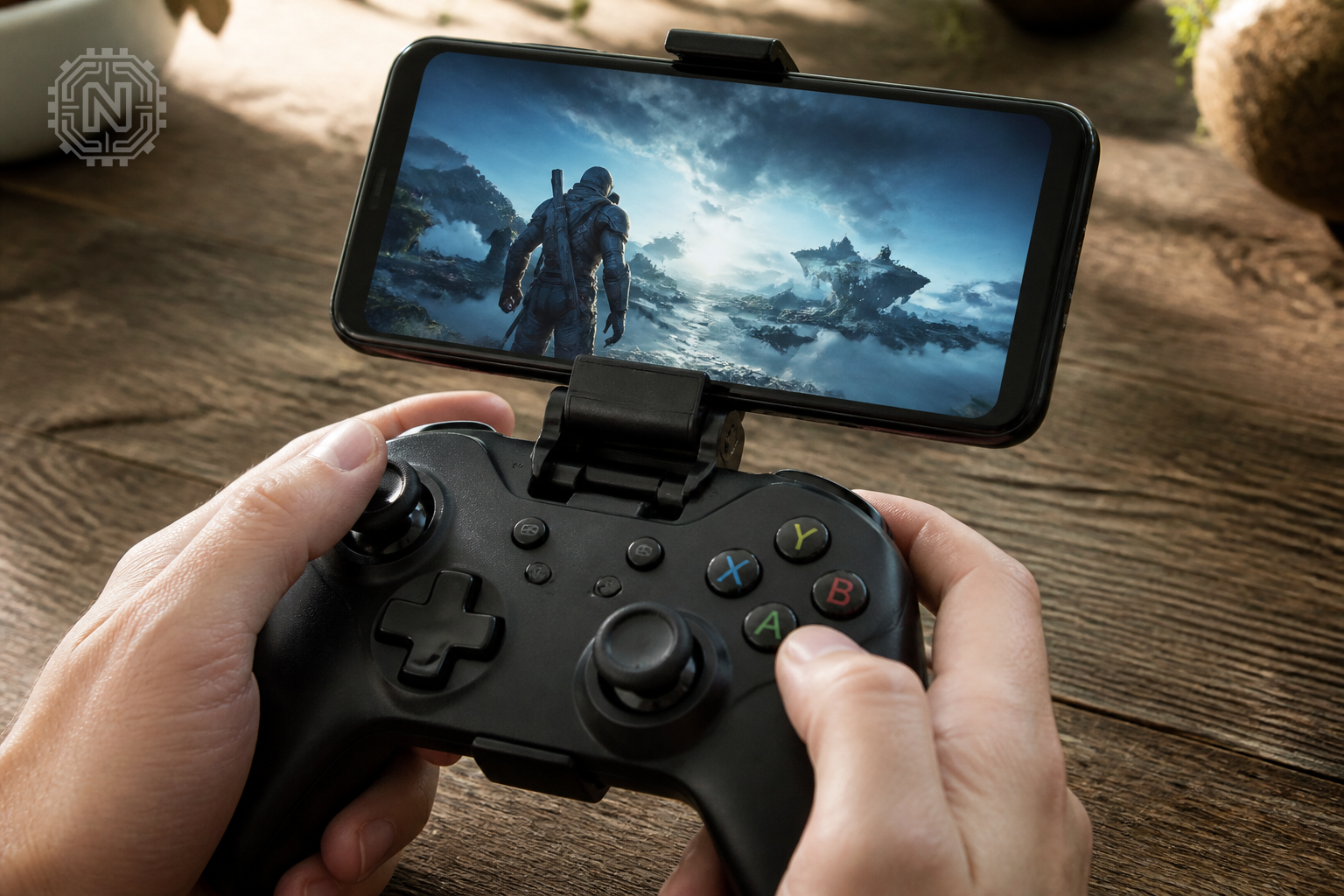
Microsoft's Xbox Cloud, for example, now offers over 300 titles accessible on smartphones, tablets, and smart TVs. NVIDIA's GeForce Now supports ray tracing and 4K streaming, pushing quality boundaries.
Industry insiders note that these services are increasingly integrated with existing ecosystems, providing seamless experiences for subscribers. For detailed comparisons, see Gaming Subscription Services 2026.
Pros and Cons of Cloud Gaming in 2026
- Pros: No expensive hardware needed, instant access, cross-platform play.
- Cons: Latency issues, bandwidth dependency, game ownership rights.
"The growth of cloud gaming is shifting industry power towards service providers."
Tech Industry Expert
Technical challenges and solutions in cloud gaming
Latency, bandwidth, and server capacity are ongoing challenges for cloud gaming providers. Advances in 5G, edge computing, and compression algorithms are helping mitigate these issues.
Edge servers bring computation closer to players, reducing latency. Compression techniques like H.265 and AV1 improve streaming quality at lower bandwidths.
According to Wikipedia's edge computing article, these developments are critical for scalable cloud gaming.
Why Cloud Gaming Challenges Matter
- Latency affects gameplay responsiveness and user satisfaction.
- Bandwidth limits restrict access in rural or congested areas.
- Server capacity impacts game availability and quality.
"Continued infrastructure investment is vital for cloud gaming to reach its full potential."
Network Technology Analyst
Impacts on gamers, developers, and the industry
For gamers, cloud streaming offers access to AAA titles without high-end hardware, broadening the audience. Developers now optimize for cloud platforms, sometimes designing games specifically for streaming.

The industry sees a shift in sales models, with subscription services replacing traditional ownership. This change could influence game design, monetization, and distribution strategies.
For insights on how developers adapt, visit Gaming Performance in 2026.
Industry Shifts Driven by Cloud Gaming
- Increased accessibility attracts new demographics.
- Subscription models grow, impacting sales and revenue.
- Game design increasingly considers streaming constraints.
"Cloud gaming is democratizing access and changing revenue streams."
Gaming Industry Analyst
Future outlook: what’s next for cloud gaming in 2026 and beyond
Looking ahead, 2026 marks a pivotal year with ongoing investments in 5G, edge computing, and AI-driven optimization. These advancements promise to further reduce latency and improve quality.
Industry forecasts suggest cloud gaming will surpass traditional console and PC sales within the next five years, emphasizing service innovation and global expansion.
For a broader industry perspective, see Gaming AI 2026.
Future of Cloud Gaming
- Global 5G coverage will enhance access.
- AI will optimize game streaming dynamically.
- Hardware boundaries will become less relevant.
"The next wave of cloud gaming will redefine how games are created and played."
Futurist and Industry Expert
Editorial Sources
Conclusion
As cloud gaming continues to mature in 2026, its influence on the gaming industry becomes undeniable. Reduced hardware costs, broader access, and technological innovations are transforming player experiences and market dynamics alike. Staying informed about these shifts is essential for gamers and developers alike.
Frequently Asked Questions
What is cloud gaming and how does it work?
Cloud gaming streams games from remote servers, allowing play on any device with internet, reducing hardware needs.
Is cloud gaming worth it in 2026?
Yes, especially for gamers seeking access to high-quality titles without expensive hardware investments.
What are the main challenges of cloud gaming today?
Latency, bandwidth limits, and server capacity are the biggest hurdles for smooth gameplay.
Which platforms lead in cloud gaming in 2026?
Xbox Cloud, NVIDIA GeForce Now, and Sony's PlayStation Plus dominate the market.
How does 5G improve cloud gaming?
5G reduces latency and increases bandwidth, enabling more responsive and higher-quality streams.
Can cloud gaming replace consoles entirely?
It's possible in the future as infrastructure improves, but traditional consoles still hold advantages for some gamers.
What does the future hold for cloud gaming?
Advancements in AI, edge computing, and network tech will make it faster, more reliable, and more accessible.
How does cloud gaming affect game developers?
Developers now optimize games for streaming, influencing design, monetization, and distribution. For more on Gaming, explore Newtechzy. You can also review our Privacy Policy and Cookie Policy, or learn more About us.
Related Topics
Explore more about how cloud gaming is shaping the future of play and stay ahead in this rapidly evolving industry. Reach out or subscribe for the latest updates.
Start Your Journey Today!


