


Quick Summary
- Subscription services now dominate game access in 2026.
- Major platforms offer extensive libraries and cloud features.
- Pricing varies from budget to premium tiers.
- Competition drives better value and exclusive titles.
- Gamers face more choices but need to compare features.
- Future trends point toward integrated gaming ecosystems.
In 2026, gaming subscription services are more vital than ever, offering gamers access to hundreds of titles for a flat monthly fee. These platforms have become the primary way players discover new games and revisit classics, shifting the industry away from individual purchases.
With giants like Xbox Game Pass, PlayStation Plus, and new entrants, the landscape is crowded but competitive. This article explores the top subscription platforms, their features, and what gamers should consider when choosing a service in 2026.
Gaming Subscription Services 2026: How They Work and What’s New
Subscription services in 2026 offer a mix of game libraries, cloud streaming, and exclusive content. Major players like Xbox Game Pass Ultimate, PlayStation Plus Premium, and Nvidia GeForce NOW continue to evolve, adding more titles and features.
For example, Xbox Game Pass now includes cloud gaming, allowing players to stream games directly to smartphones and smart TVs without downloads. Meanwhile, PlayStation’s service emphasizes classic titles alongside new releases, appealing to nostalgic gamers.
These platforms operate on tiered pricing, with basic access typically starting around $10/month and premium plans reaching up to $20/month or more. The key differentiators include library size, streaming quality, and additional perks like exclusive discounts or early access.
To understand how these services compare, check our detailed gaming category for reviews and updates on the latest offerings. The shift toward cloud-based play is a defining feature, reducing hardware dependencies and expanding accessibility.
Key Facts About Gaming Subscriptions 2026
- Major services offer 100+ games in their libraries.
- Cloud streaming is now standard on all premium plans.
- Pricing varies from $10 to $20+ per month depending on features.
- Exclusive titles and early releases are common perks.
- Subscription overlap exists, but each platform targets different niches.
"Subscription services are transforming how gamers access titles, emphasizing convenience and variety over ownership."
Industry Analyst
What Are the Top Gaming Subscription Platforms in 2026?
Leading platforms include Xbox Game Pass, PlayStation Plus, and Nvidia GeForce NOW, each with unique strengths. Xbox remains the market leader with its extensive library and integrated ecosystem.
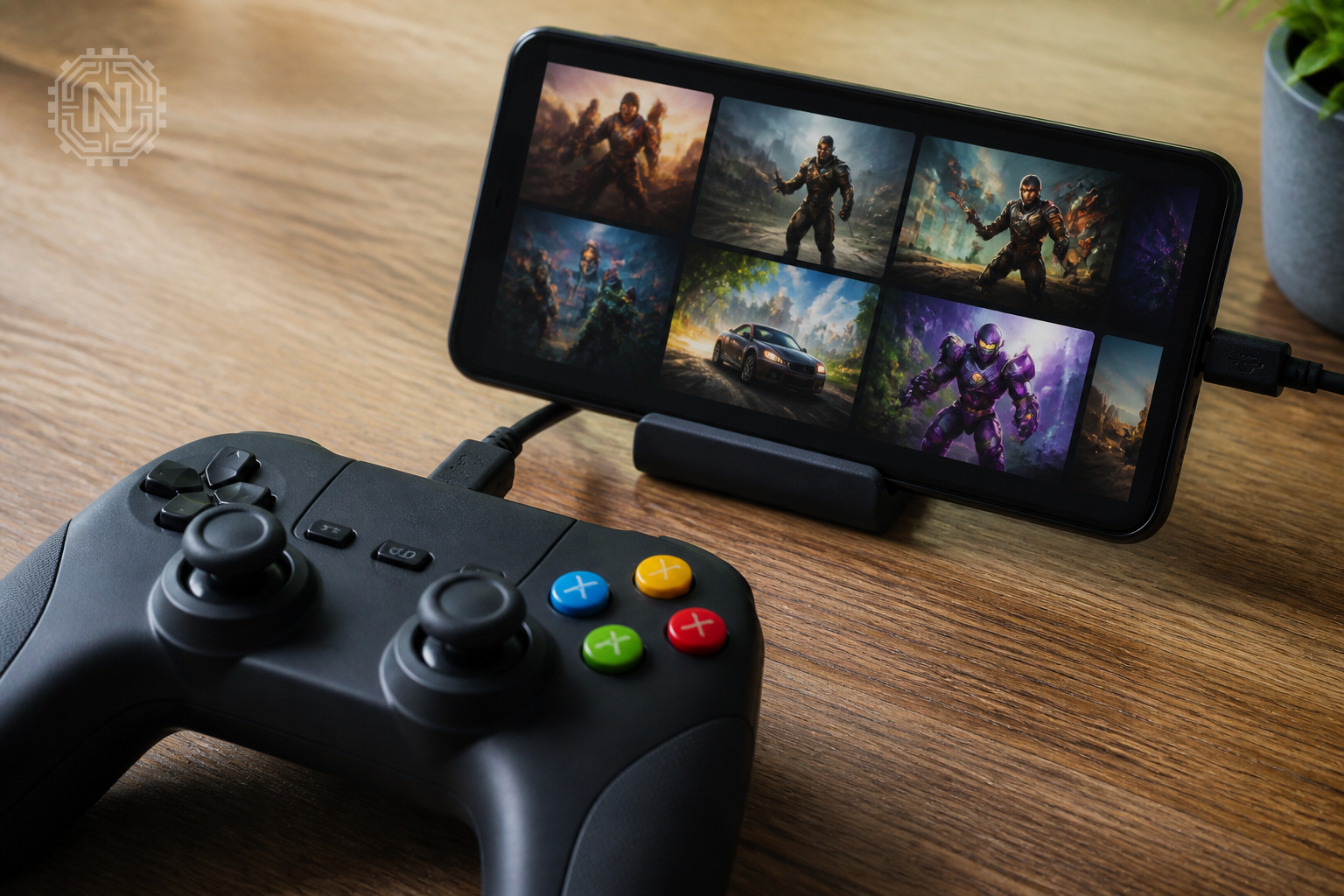
PlayStation Plus continues to appeal to console gamers with a focus on classic titles and exclusive content, while Nvidia’s service stands out for high-performance cloud gaming, appealing to PC enthusiasts.
New entrants like Amazon Luna and Steam Deck’s subscription options are also gaining traction, offering more choices for gamers seeking flexibility and affordability.
Comparing these platforms involves examining their game libraries, streaming quality, device compatibility, and pricing plans. For more insights, visit our dedicated product reviews.
Pros and Cons of Leading Gaming Subscriptions
- Xbox Game Pass offers the largest library and day-one releases.
- PlayStation Plus has strong exclusives and classic titles.
- Nvidia GeForce NOW excels in high-quality cloud gaming.
- Subscription overlap can cause confusion for consumers.
- Some platforms have limited device support.
- Pricing tiers can be complex and vary by region.
Why Gaming Subscription Services Matter in 2026
These services have reshaped gaming by making vast libraries accessible for a fixed monthly fee. They lower the barrier to entry, allowing players to try new genres without significant investment.
Additionally, the rise of cloud gaming means gamers can now play high-end titles on older hardware or mobile devices, broadening the reach of gaming as a form of entertainment.
For developers, subscription models offer steady revenue streams and a way to reach larger audiences. However, concerns about revenue sharing and game discoverability persist.
Looking ahead, integration of subscription services with emerging AR/VR tech promises even more immersive experiences, making these platforms more crucial than ever.
"Subscription services are the backbone of modern gaming, enabling instant access and fostering community growth."
Gaming Industry Expert
How Do Gaming Subscription Services Compare to Traditional Game Purchases?
Unlike buying individual titles, subscriptions offer access to hundreds of games for a predictable monthly fee. This model suits casual players and those wanting variety.
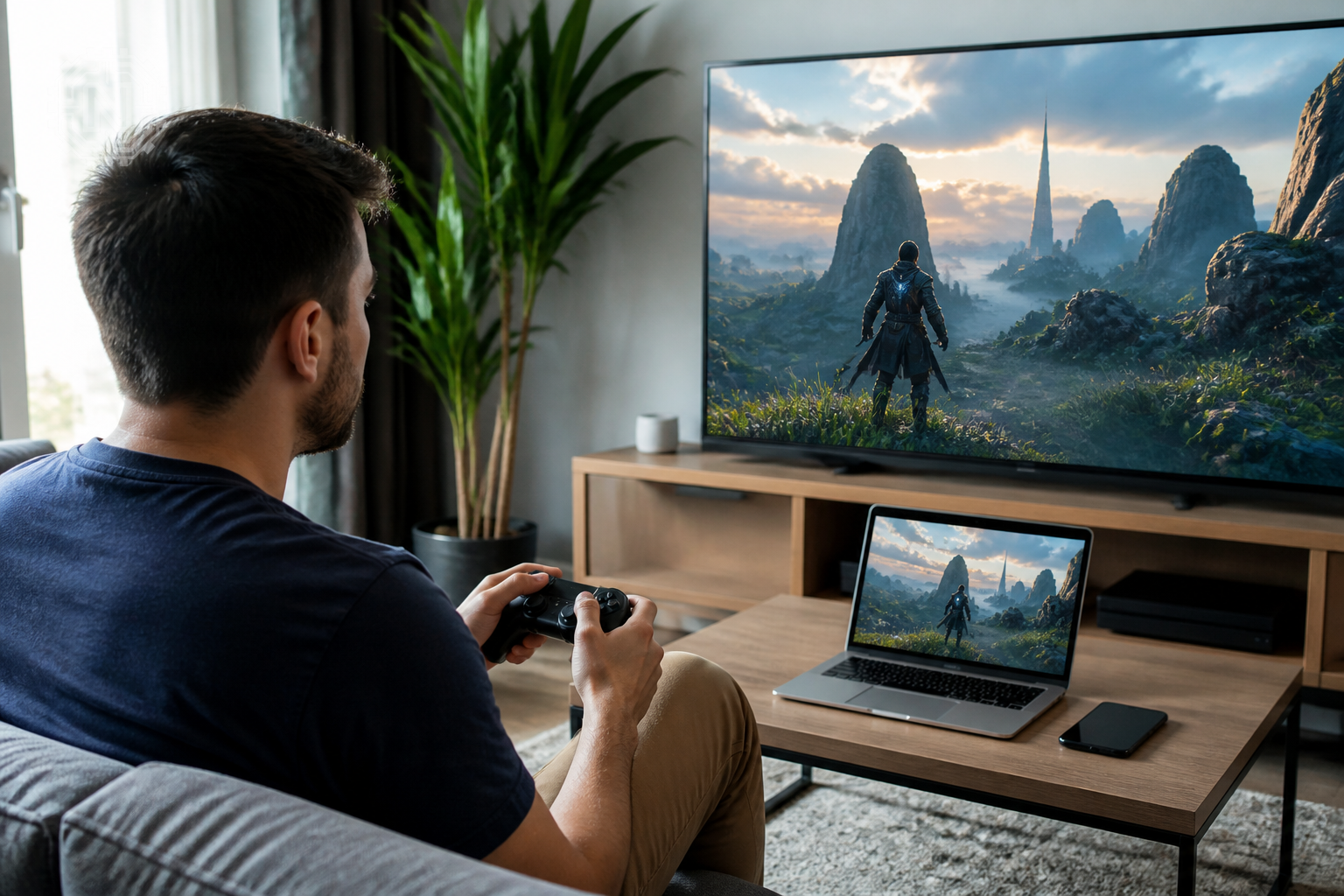
On the other hand, dedicated gamers who prefer owning specific titles might find subscriptions limiting or less cost-effective long-term.
Some services allow game purchases or add-ons, blending ownership with subscription access. For detailed comparisons, see our AI in gaming article for insights into evolving monetization strategies.
What’s Next for Gaming Subscription Services?
The future points toward deeper integration with AR/VR, AI-driven personalized recommendations, and more seamless cross-platform experiences.
Emerging trends include subscription bundles that combine gaming with other digital services, and the expansion of cloud gaming to even more devices and regions.
Industry insiders predict increased competition, leading to better prices and more exclusive content, making subscriptions even more appealing.
For ongoing updates, follow our tech news coverage on gaming industry developments.
Future Trends in Gaming Subscriptions
- AR/VR integration will deepen user immersion.
- AI personalization will tailor game suggestions.
- Cross-platform subscriptions will become standard.
- Bundled services will combine gaming with streaming and social.
Editorial Sources
Conclusion
Gaming subscription services in 2026 continue to reshape how players access and experience games. With expanding libraries, cloud capabilities, and competitive pricing, they offer both convenience and variety. As the industry evolves, staying informed about these platforms helps gamers make smarter choices and prepare for future innovations.
Frequently Asked Questions
How much do gaming subscription services cost in 2026?
Prices range from about $10 to $20+ per month, depending on features and library size.
Are gaming subscriptions worth it for casual players?
Yes, they offer access to many titles for a low monthly fee, ideal for trying new games without buying each one.
Can I play subscription games on any device?
Most services support multiple devices, including consoles, PCs, and smartphones, especially with cloud streaming options.
What are the main differences between major platforms?
Library size, streaming quality, device compatibility, and pricing tiers are key differences among services.
Are there any risks or downsides to gaming subscriptions?
Limited ownership, potential service discontinuation, and regional restrictions are common concerns.
What trends are shaping the future of gaming subscriptions?
AR/VR integration, AI personalization, and cross-platform bundles are upcoming trends.
How do subscriptions impact game developers and publishers?
They provide steady revenue but can affect game sales and discoverability.
Is cloud gaming as good as local gaming?
Cloud gaming quality varies but is improving, offering convenience and access to high-end titles on older hardware. For more on Gaming, explore Newtechzy. You can also review our Privacy Policy and Cookie Policy, or learn more About us.
Related Topics
Explore our detailed reviews and updates on the best gaming subscription platforms for 2026. Stay ahead in gaming by choosing the right service for you.
Start Your Journey Today!


