


Quick Summary
- Smart home automation simplifies daily routines and enhances security.
- Choosing compatible devices is crucial for a smooth setup.
- Wireless protocols like Zigbee and Z-Wave are popular in 2026.
- Automation routines can be customized for individual needs.
- Integration with voice assistants is key for ease of use.
- Future updates will expand device compatibility and features.
Smart home automation continues to grow rapidly in 2026, with more households seeking ways to streamline their daily routines. Setting up a reliable system might seem daunting, but with the right knowledge, anyone can automate their home effectively. This article covers everything you need to know to get started with smart home automation today.
From selecting the right devices to configuring routines and ensuring security, you'll learn practical steps to create a connected home that adapts to your lifestyle. Whether you're a tech novice or a seasoned enthusiast, this guide will help you navigate the essentials of smart home setup.
How to set up smart home automation in 2026
Smart home automation involves connecting devices like lights, thermostats, locks, and security cameras to create a unified, controllable system. The core of a successful setup lies in choosing the right hardware, understanding wireless protocols, and configuring routines that match your daily habits. For beginners, starting with a central hub or voice assistant can simplify the process. Learn more about smart home security in 2026 to ensure your automation is safe and reliable.
What are the best devices for smart home automation in 2026?
- Smart speakers and hubs like Amazon Echo or Google Nest Hub
- Wi-Fi-enabled smart bulbs and switches
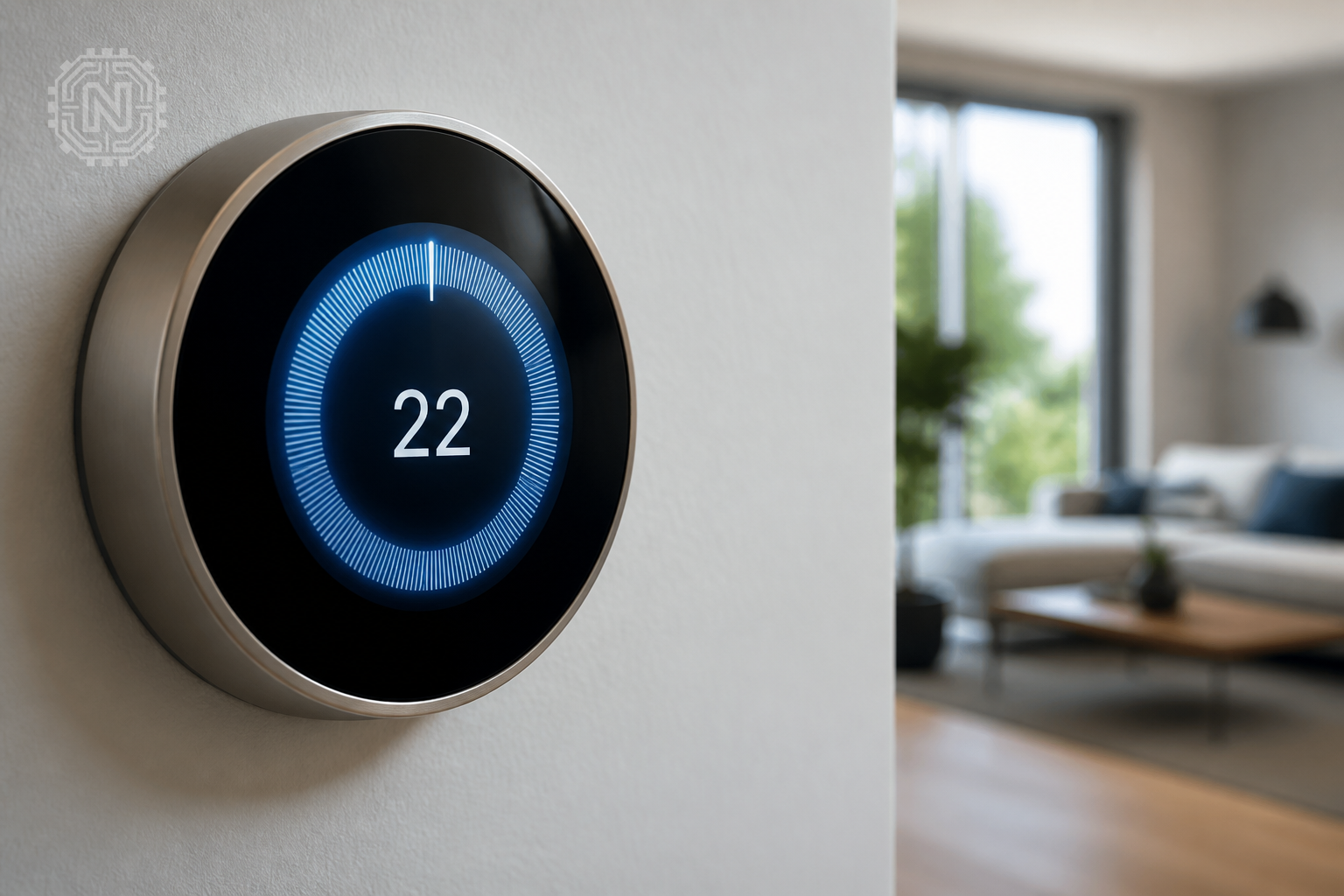
- Smart thermostats such as Nest or Ecobee
- Connected locks and doorbells
- Security cameras with AI features
Which wireless protocols are most reliable for smart home devices?
Zigbee and Z-Wave remain dominant in 2026, offering low power consumption and broad device compatibility. Wi-Fi is also common, especially for high-bandwidth devices like cameras. Bluetooth is useful for short-range control. Choosing devices that support multiple protocols can maximize flexibility and future-proof your setup.
Key Facts About Smart Home Protocols
- Zigbee and Z-Wave are preferred for low-power, reliable connectivity.
- Wi-Fi offers high bandwidth but consumes more power.
- Compatibility across protocols ensures smoother integration.
"A well-planned smart home setup can save time, improve security, and even reduce energy bills."
Home Automation Expert
How do I configure routines and automation in 2026?
Once devices are installed, creating routines involves setting triggers and actions. Most systems allow you to automate lighting, climate, and security based on time, occupancy, or sensor data. Using voice commands or mobile apps simplifies management. For advanced users, integrating AI routines can enhance responsiveness and personalization.
What are common automation scenarios?
- Turning on lights at sunset or when entering a room
- Adjusting thermostat based on occupancy or weather
- Locking doors automatically at bedtime
- Receiving security alerts when unusual activity is detected
Why Automate Your Home in 2026?
- Increases convenience by automating routine tasks.
- Enhances security through integrated surveillance.
- Reduces energy costs with optimized climate control.
- Creates a personalized living environment.
What are the security considerations for smart home automation?
Security remains a top concern in home automation. Protect your network with strong passwords, enable two-factor authentication, and keep firmware updated. Avoid using default settings and segment your smart devices on a separate network to prevent breaches.
How vulnerable are smart home systems to hacking?
While most devices incorporate security measures, vulnerabilities can exist if devices are outdated or misconfigured. Regular updates and choosing reputable brands help mitigate risks. For detailed security practices, see Google's security guidelines.
"Security should be integrated into every step of your smart home setup to prevent unauthorized access."
Cybersecurity Specialist
Future outlook: What’s next for smart home automation?
Expect continued expansion of device compatibility, greater AI-driven automation, and improved energy efficiency. Industry standards are evolving to support more seamless integration across brands. As 2026 progresses, smart homes will become more intuitive and adaptive, reducing manual control further.

Will smart home tech become more affordable?
Prices are expected to decrease as manufacturing scales up and new standards emerge, making advanced automation accessible to more households. Entry-level kits will likely become more capable, enabling broader adoption.
Pros and Cons of Smart Home Automation
- Pros: Convenience, security, energy savings, customization.
- Cons: Initial setup cost, privacy concerns, potential technical issues.
Editorial Sources
Conclusion
Setting up smart home automation in 2026 is more accessible than ever, thanks to a wide range of compatible devices and user-friendly platforms. By understanding the core components, protocols, and security best practices, you can create a connected home that enhances comfort and safety. Start small, expand gradually, and enjoy the benefits of a smarter living space.
Frequently Asked Questions
How do I choose the right smart home devices for 2026?
Select devices that support common protocols like Zigbee or Z-Wave and are compatible with your preferred hub or voice assistant.
Is smart home automation secure in 2026?
Yes, if you follow best practices like strong passwords, regular updates, and network segmentation to protect against hacking.
Can I automate lighting and climate control easily?
Absolutely, most systems offer simple app-based or voice command controls for routine automation.
What is the cost of setting up a smart home in 2026?
Costs vary widely, but entry-level setups can start around a few hundred dollars, with advanced systems costing more.
Are there privacy risks with smart home devices?
Yes, devices collect data that could be sensitive; choosing reputable brands and securing your network mitigates this risk.
How reliable are smart home routines?
With proper setup and compatible devices, routines are highly reliable, though occasional glitches can occur.
What future features are expected in smart home tech?
Expect more AI-driven automation, better energy efficiency, and broader device interoperability.
How do I troubleshoot common smart home issues?
Check device firmware, ensure network stability, and consult manufacturer support for persistent problems. For more on How-To, explore Newtechzy. You can also review our Privacy Policy and Cookie Policy, or learn more About us.
Related Topics
Ready to upgrade your home with smart automation? Explore our detailed guides and get expert tips to make your setup seamless. Contact us for personalized advice or support.
Start Your Journey Today!


