


Quick Summary
- AI chatbots collect vast amounts of personal data, raising privacy risks.
- Recent incidents highlight vulnerabilities in chatbot data handling.
- Regulators are introducing new rules to protect user privacy.
- Users should understand data collection practices and rights.
- Tech companies are updating privacy policies in response.
- Future developments aim to improve data security and transparency.
As AI chatbots become more embedded in everyday services, privacy concerns are surging in 2026. Recent incidents involving data leaks and misuse have brought these issues into sharper focus, prompting both users and regulators to demand greater transparency and safeguards.
With billions of interactions daily, AI-powered conversational agents handle sensitive information, making privacy a top priority. This article examines the core issues, recent developments, and practical steps users can take to protect themselves.
AI chatbot privacy concerns 2026: The evolving landscape and core issues
AI chatbots, from virtual assistants to customer service bots, now process massive amounts of personal data. Recent incidents involving unauthorized data access underscore the need to understand privacy risks. Major players like Google and Microsoft are under pressure to improve data protections.
What happened recently in AI chatbot privacy?
- In early 2026, a data breach at a leading chatbot provider exposed millions of conversations.
- Several companies faced scrutiny over opaque data collection policies.
- Regulators began investigations into compliance with emerging privacy laws.
Incidents like these highlight the importance of understanding how chatbots handle data and what protections are in place. For more on recent privacy issues, see AI chatbot privacy concerns 2026.
Key Privacy Facts in 2026
- Most chatbots store conversations for model improvement.
- Data leaks can expose sensitive personal information.
- Regulations are evolving rapidly to address these issues.
- Users often unaware of what data is collected or stored.
"Privacy breaches in AI chatbots could undermine user trust and lead to stricter regulations."
Cybersecurity Expert
How do AI chatbots collect and use data in 2026?
Modern chatbots gather data through interactions, voice commands, and sometimes even background data from connected devices. This information is used to improve AI models, personalize experiences, and deliver targeted advertising.
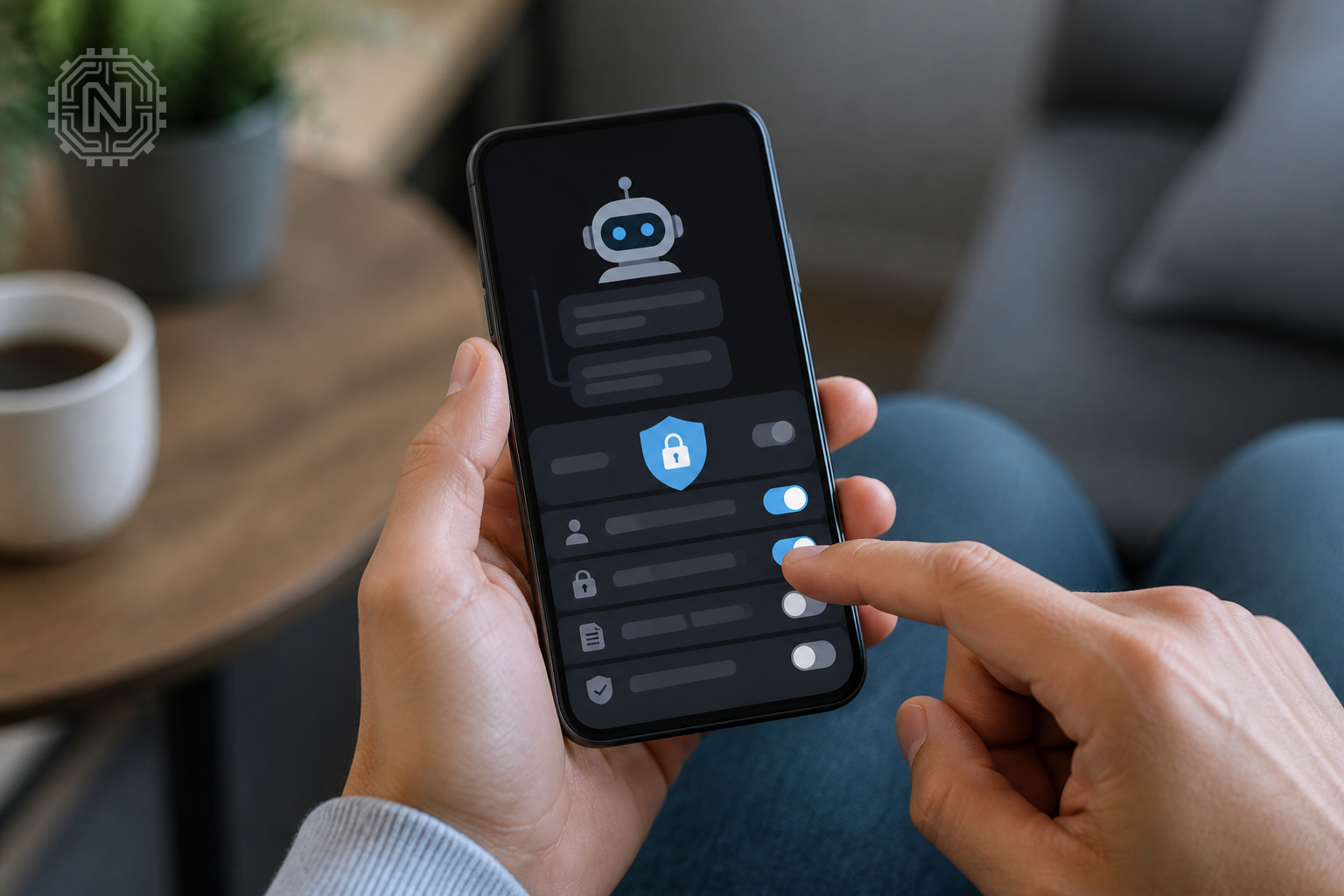
However, the mechanics of data collection often remain opaque to users. Many companies retain conversations for months or even years, raising privacy concerns. For a deeper understanding, visit AI Chip Market 2026.
What are the main data types collected?
- Text and voice transcripts
- Personal identifiers
- Location data
- Device information
Did You Know?
- Many chatbots share data with third-party analytics firms.
- Some companies retain user data even after account deletion.
"Transparency in data collection is crucial for maintaining user trust in AI chatbots."
Privacy Advocate
What are the latest regulations impacting AI chatbot privacy in 2026?
Governments worldwide are rolling out new laws to regulate AI data practices. The European Union’s GDPR continues to evolve, while the US is considering comprehensive AI privacy legislation.
These laws mandate explicit user consent, data minimization, and transparency. Companies failing to comply face hefty fines, prompting a shift toward more privacy-conscious AI development.
How are companies responding?
- Updating privacy policies
- Implementing stronger data encryption
- Offering users more control over their data
Why Privacy Regulations Matter in 2026
- They protect user data from misuse and breaches.
- Ensure companies are transparent about data handling.
- Encourage development of privacy-first AI technologies.
"Regulations are pushing AI developers to prioritize user privacy and security."
Legal Analyst
Practical steps to protect your privacy while using AI chatbots
Users can take several measures to safeguard their data. Start by reviewing privacy policies and opting out of unnecessary data collection when possible.

Use strong, unique passwords for chatbot accounts and enable two-factor authentication. Be cautious about sharing sensitive information during interactions.
What should I look for in privacy settings?
- Options to delete stored conversations
- Control over data sharing with third parties
- Ability to limit location and device data collection
Stay informed about updates to privacy policies by following official channels and news. For more tips, see AI chatbot privacy concerns 2026.
Privacy Tips for Chatbot Users
- Regularly review privacy settings.
- Be cautious sharing personal info.
- Use privacy-focused browser extensions.
"Being proactive about privacy can significantly reduce risks when using AI chatbots."
Cybersecurity Specialist
Why AI chatbot privacy still matters in 2026 and beyond
As AI chatbots become more sophisticated, so do the privacy risks. Advances in natural language understanding mean they can infer sensitive information even from vague inputs.
Protecting user data is now a key part of ethical AI development. Companies that neglect privacy risk losing user trust and facing regulatory penalties.
What’s next for AI privacy?
- Enhanced privacy-preserving AI techniques
- Stricter global regulations
- Greater user control over data
Future of AI Privacy
- More transparent data practices expected.
- AI models will incorporate privacy-by-design principles.
- Users will gain more control over their personal data.
"Maintaining privacy in AI chatbots is essential for sustainable AI growth."
AI Ethics Researcher
Editorial Sources
Conclusion
As AI chatbots continue to evolve in 2026, understanding and managing privacy risks remains vital. Users should stay informed, exercise control over their data, and demand transparency. Companies that prioritize privacy will build stronger trust and comply with emerging regulations, shaping a safer AI future.
Frequently Asked Questions
What are the main privacy risks with AI chatbots in 2026?
AI chatbots can collect and store sensitive data, risking leaks, misuse, and unauthorized sharing.
Are AI chatbots regulated by law in 2026?
Yes, new laws like GDPR updates and proposed US legislation aim to regulate data collection and privacy practices.
How can I protect my data when using chatbots?
Review privacy settings, avoid sharing sensitive info, and use strong passwords with two-factor authentication.
Do chatbots share data with third parties?
Many do, often for analytics or advertising, which raises privacy concerns if transparency isn’t clear.
What should I look for in a chatbot’s privacy policy?
Clear info on data collection, storage duration, sharing practices, and options to delete or control your data.
Will AI privacy improve in the future?
Yes, future AI models will incorporate privacy-by-design features and give users more control over their data.
What are privacy-preserving AI techniques?
Methods like federated learning and differential privacy help protect user data during AI training.
Is it safe to share personal info with chatbots in 2026?
It’s best to limit sharing sensitive details and use privacy controls to minimize risks. For more on Tech News, explore Newtechzy. You can also review our Privacy Policy and Cookie Policy, or learn more About us.
Related Topics
Stay ahead of privacy concerns by reviewing your chatbot settings today. Learn more about protecting your data and ensuring safe AI interactions.
Start Your Journey Today!


