


Quick Summary
- AI chip market surpasses $50 billion in 2026.
- Major players include NVIDIA, AMD, Intel, and startups.
- AI chips are critical for data centers, autonomous vehicles.
- Advancements focus on efficiency, speed, and edge deployment.
- Supply chain issues impact chip availability and prices.
- Future growth driven by AI, 5G, and IoT expansion.
The AI chip market in 2026 is experiencing unprecedented growth, fueled by demand from cloud data centers, autonomous vehicles, and edge devices. Leading companies like NVIDIA and AMD are pushing the boundaries of AI hardware performance, making AI chips essential components of modern computing infrastructure.
This surge in AI chip adoption reflects broader trends in AI development, with hardware becoming more specialized and efficient. As AI applications become more complex, the need for powerful, energy-efficient chips intensifies, shaping the future of AI technology and its integration into everyday devices.
AI chip market 2026: background and core trends
The AI chip market has evolved rapidly over the past five years, transitioning from niche applications to mainstream computing essentials. The market was valued at around $25 billion in 2021 and has more than doubled by 2026, driven by AI's integration into cloud, automotive, and edge sectors.
Key trends include specialization of AI chips for specific tasks, such as neural network processing or edge inference. Companies like NVIDIA with its A100 and H100 GPUs, and AMD with MI300 series, dominate the market, but a rising wave of startups is also disrupting the space.
Supply chain disruptions caused by geopolitical tensions and chip manufacturing bottlenecks have temporarily constrained growth, but overall, demand remains robust. This environment pushes chip designers to innovate on efficiency, cost, and scalability.
For a deeper look at how these trends compare, see our detailed AI chip advancements report. The importance of these chips extends beyond data centers to include AI-enabled smartphones, IoT devices, and automotive systems.
Key Facts About AI Chips 2026
- Market value exceeds $50 billion in 2026.
- NVIDIA leads with 60% market share among AI hardware providers.
- Edge AI devices now account for 30% of total sales.
- AI chips are more energy-efficient, reducing power consumption by 40%.
- Major investments from semiconductor giants and startups alike.
"AI chips are becoming the backbone of next-generation computing infrastructure."
Industry Analyst
How are AI chips evolving in 2026?
AI chips are increasingly tailored for specific workloads, with custom architectures that optimize for speed and power efficiency. Companies like NVIDIA and AMD are pushing beyond traditional GPU designs to develop AI-specific processing units, often called AI accelerators.
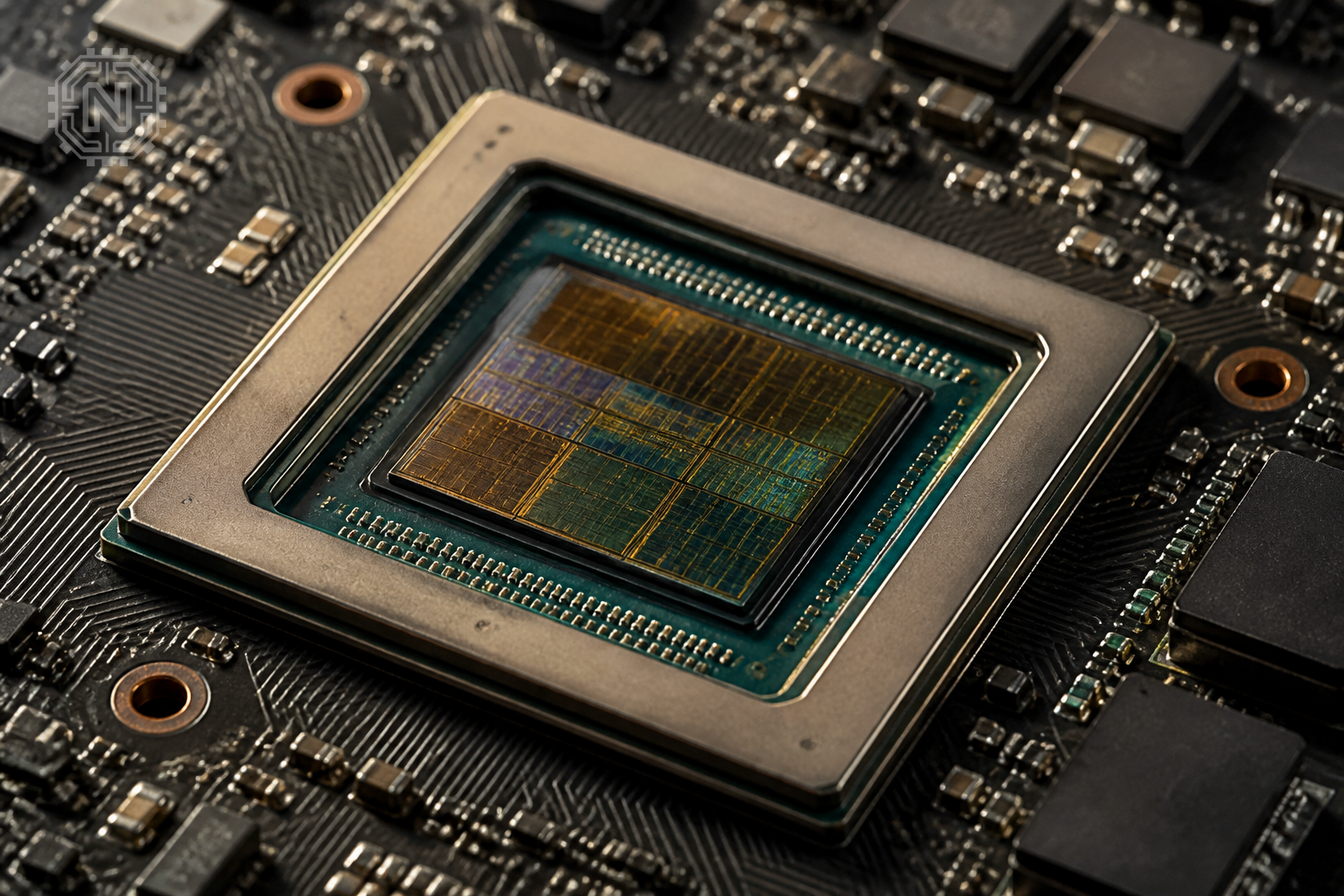
New architectures focus on parallel processing, reduced latency, and lower energy use. For example, Google’s TPU v4 and Graphcore’s IPU are designed to outperform general-purpose GPUs in neural network training and inference tasks.
Manufacturing innovations, such as advanced 3nm process nodes, enable higher transistor densities, which translate into faster, more efficient chips. This technological leap supports the increasing complexity of AI models, including large language models and multimodal systems.
To understand how these developments compare, see our latest AI chip advancements. The trend toward specialization is reshaping the industry, with a growing emphasis on edge AI chips for real-time processing in autonomous vehicles and IoT devices.
Pros and Cons of Current AI Chips
- High performance for AI workloads
- Lower power consumption than previous generations
- Increased flexibility with programmable architectures
- Supply chain and production bottlenecks
- Higher costs for cutting-edge manufacturing processes
"Specialized AI hardware is critical for scaling next-gen AI applications."
Tech Industry Expert
What are the implications for AI hardware supply chains?
The global supply chain for AI chips faces ongoing challenges, including shortages of advanced semiconductors and geopolitical tensions. Countries like the US, China, and South Korea are competing for chip manufacturing dominance, affecting availability and pricing.
Recent export restrictions and tariffs have slowed production and increased costs, impacting data centers and OEMs. Companies are investing heavily in domestic fabs and alternative manufacturing methods to mitigate risks.
These disruptions could slow down the deployment of AI-powered services or increase costs for consumers and enterprise buyers. However, the industry is also exploring more resilient architectures and regional supply hubs.
For a detailed analysis, see our AI chip market outlook. The resilience of the supply chain will be a key factor in the market's growth trajectory over the next few years.
Supply Chain Challenges in 2026
- Global chip shortages persist, affecting AI hardware supply.
- US and China ramp up domestic chip fabrication efforts.
- Prices for high-end chips have increased by 25% YoY.
- Regional hubs are emerging to reduce dependency on single sources.
- Industry invests billions into new manufacturing plants.
"Supply chain resilience will determine the pace of AI hardware deployment."
Supply Chain Analyst
Why does the AI chip market matter?
The growth of the AI chip market is fundamental to the future of AI-driven innovation across industries. From autonomous cars to personalized medicine, AI hardware underpins the capabilities of next-gen systems.
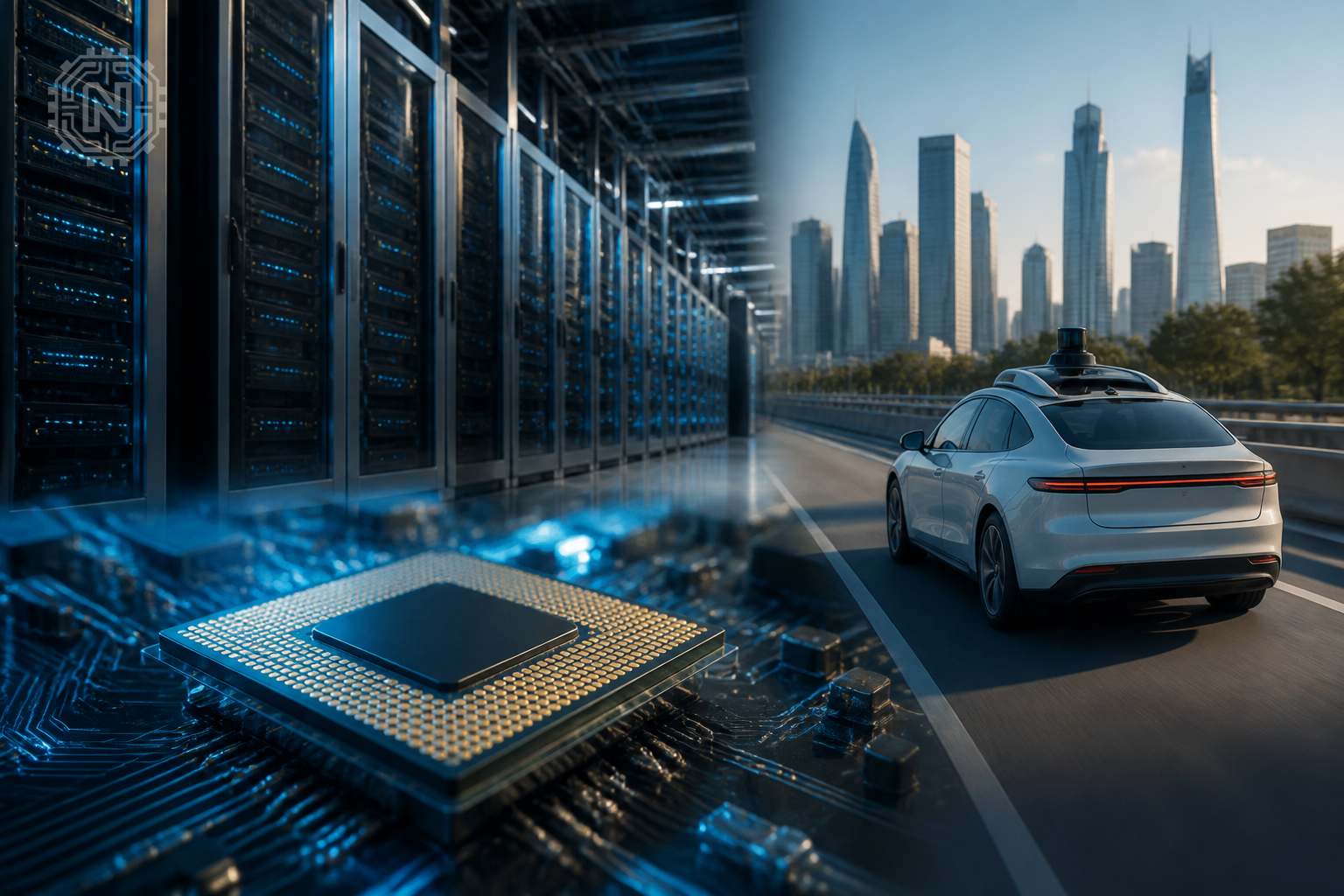
It also influences the broader semiconductor industry, prompting investments and technological breakthroughs. The ripple effects extend to software, cloud services, and consumer electronics, shaping the digital economy.
Understanding these trends helps businesses prepare for shifts in hardware costs, availability, and performance. For consumers, it means smarter devices and faster services.
For more context, explore our market analysis and how it compares globally. The AI hardware race is a key indicator of AI's trajectory in the coming decade.
Why the AI Chip Market Matters
- Enables next-generation AI applications
- Drives innovation in tech industries
- Impacts global supply chains
- Influences hardware costs and availability
- Supports AI-powered consumer and enterprise products
"The AI chip industry is shaping the future of digital technology."
Tech Market Analyst
Future outlook: what’s next for AI chips?
Looking ahead, AI chip development will focus on further efficiency gains, scaling to support larger models, and expanding into new markets like IoT and robotics. Companies are investing heavily in R&D to push these boundaries.
Emerging technologies such as quantum computing and neuromorphic chips could eventually redefine AI hardware, offering unprecedented speeds and energy efficiency.
Regulatory factors and geopolitical tensions will also influence the market’s evolution, potentially accelerating domestic manufacturing initiatives and regional alliances.
To stay ahead, industry players must balance innovation with supply chain resilience. Keep an eye on upcoming product launches and technological breakthroughs that will shape the AI hardware landscape.
Future Trends in AI Hardware
- Continued focus on energy efficiency and speed
- Growth in edge AI and autonomous systems
- Emergence of neuromorphic and quantum AI chips
- Increased investment in regional manufacturing
- Potential breakthroughs in chip design and materials
"The next phase of AI hardware will unlock capabilities we can't yet imagine."
Future Tech Expert
Editorial Sources
Conclusion
The AI chip market's explosive growth in 2026 underscores its vital role in powering AI across all sectors. As companies innovate and supply chains adapt, the coming years will likely see even more specialized, efficient, and accessible AI hardware transforming industries worldwide.
Frequently Asked Questions
What is the current size of the AI chip market?
The AI chip market is valued at over $50 billion in 2026, driven by demand from data centers, automotive, and edge devices.
Who are the leading companies in AI chip manufacturing?
NVIDIA, AMD, Intel, and emerging startups are the top players shaping the AI hardware landscape.
What advancements are driving AI chip development?
Focus on energy efficiency, specialized architectures, and manufacturing process improvements like 3nm nodes.
How do supply chain issues affect AI chip availability?
Disruptions and geopolitical tensions have led to shortages, higher prices, and increased investment in domestic manufacturing.
What applications are most dependent on AI chips?
Data centers, autonomous vehicles, IoT devices, and edge computing systems heavily rely on advanced AI hardware.
What does the future hold for AI hardware innovation?
Expect continued efficiency improvements, expansion into new markets, and breakthroughs like neuromorphic and quantum chips.
Are AI chips becoming more affordable?
While costs are decreasing due to technological advances, high-end chips still command premium prices due to manufacturing complexity.
How does edge AI differ from cloud AI hardware?
Edge AI chips are optimized for real-time processing with lower power, while cloud AI hardware emphasizes maximum performance. For more on Tech News, explore Newtechzy. You can also review our Privacy Policy and Cookie Policy, or learn more About us.
Related Topics
Stay informed on the latest AI hardware trends and insights. Subscribe to our newsletter for updates and expert analysis.
Start Your Journey Today!


