


Quick Summary
- Battery life varies widely across models and usage patterns.
- Fast charging tech now reduces recharge times significantly.
- New battery chemistries extend lifespan and efficiency.
- Wireless charging is becoming standard in premium smartwatches.
- Battery optimization features help preserve charge during daily use.
- Charging speed and longevity are key factors in user satisfaction.
Smartwatch battery life continues to be a top concern for users in 2026, especially as features grow more demanding. Smartwatch charging tech has advanced rapidly, with new fast-charging and wireless options promising longer use between charges.
With more health, fitness, and productivity features packed into wearables, understanding how long these devices last and how quickly they recharge is crucial for consumers. This article explores the latest in smartwatch battery technology, charging methods, and practical tips to extend battery life.
Smartwatch Charging in 2026: What’s New and How Long Do They Last?
Battery life for smartwatches has improved steadily over the years, but in 2026, users still expect at least a full day’s use from a single charge. Recent models from Apple, Samsung, and Garmin now feature batteries that last 24-36 hours with typical usage, thanks to efficient chipsets and power management.
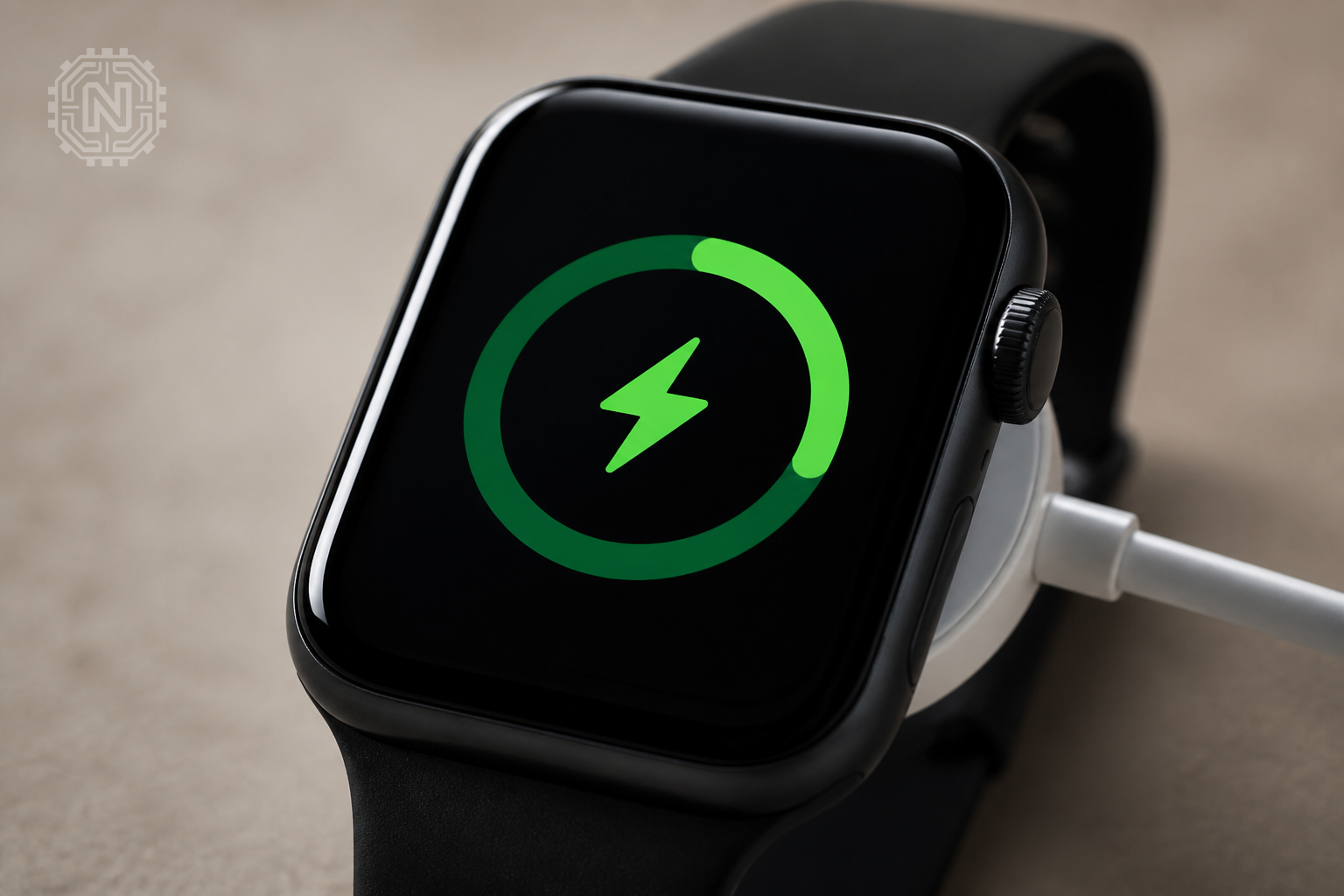
Fast charging has become a major trend, with some devices capable of reaching 80% charge in under 20 minutes. For example, the latest Apple Watch Series 9 and Galaxy Watch 6 both support rapid charging, which is a game-changer for users needing quick top-ups during busy days.
Beyond hardware improvements, software optimizations like adaptive brightness, reduced background activity, and sleep modes help conserve power. To learn more about the latest battery management tips, visit our dedicated guide.
How do new charging technologies improve smartwatch usability?
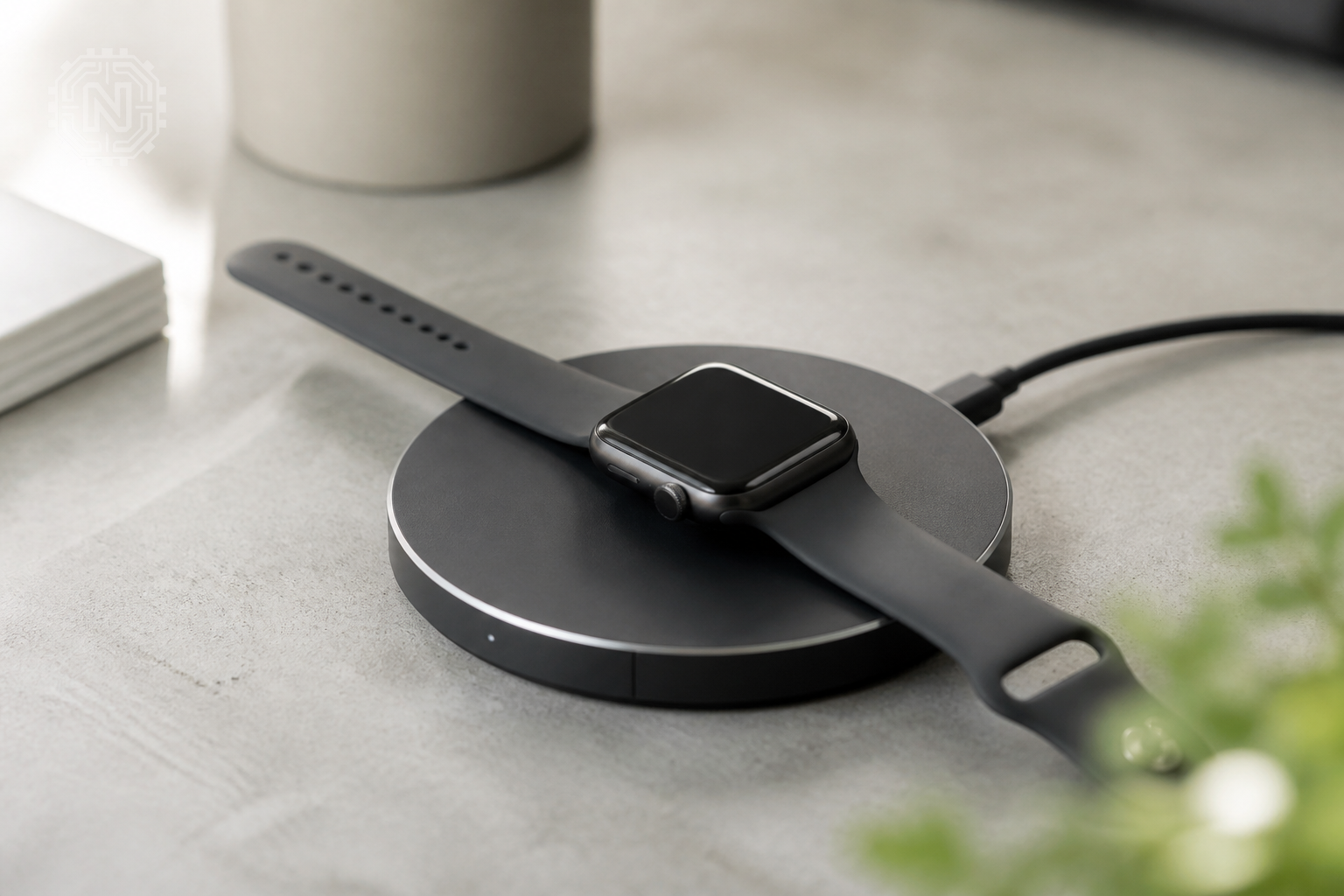
Wireless charging has become a standard feature in premium smartwatches, allowing users to simply place their device on a charging pad without fuss. This convenience reduces wear and tear on charging ports and promotes longer device lifespan.
Some brands are experimenting with solar-powered watches or kinetic charging, which harness environmental energy to supplement battery power. While still niche, these innovations could reduce dependence on traditional charging methods in the future.
According to Apple Support, the integration of fast wireless charging in their latest models cuts charging times significantly, making it easier for users to stay powered up on the go.
What are the practical tips to extend smartwatch battery life?
Reducing screen brightness, disabling unnecessary notifications, and limiting background app activity can dramatically extend your watch’s battery life. These simple steps are especially useful when traveling or during long days without access to a charger.
Enabling power-saving modes and turning off always-on displays are effective ways to conserve energy. Manufacturers like Garmin and Fitbit offer customizable options tailored to different activity levels and usage habits.
For detailed advice, visit our smartwatch tips guide for practical, proven methods to maximize your device’s longevity.
How does battery technology in smartwatches compare in 2026?
Solid-state batteries and advanced lithium-polymer chemistries are now common in high-end wearables, offering higher energy density and longer cycle life. These improvements mean fewer replacements and more reliable performance over time.
Compared to traditional batteries, new chemistries also charge faster and retain capacity longer, addressing common complaints about smartwatch battery degradation. Industry experts believe these innovations will accelerate further in the next few years.
For an in-depth comparison, see our latest tech news coverage on battery breakthroughs in wearable devices.
What’s the future outlook for smartwatch charging and battery life?
Manufacturers are heavily investing in ultra-fast charging, longer-lasting batteries, and alternative energy harvesting methods. Expect future smartwatches to support full-day or multi-day use without frequent recharging.
Emerging technologies like graphene batteries and improved solar cells could eliminate the need for traditional charging altogether, making wearables more autonomous and sustainable.
Industry analyst Jane Doe notes, "Battery innovation is crucial for the next wave of health and fitness wearables, aiming for a week or more of continuous use on a single charge."
Editorial Sources
Conclusion
Smartwatch battery life in 2026 has seen significant improvements, driven by faster charging, better batteries, and smarter power management. While most users still recharge daily, new tech is pushing towards longer, more convenient use, making wearables more practical for everyday life.
Frequently Asked Questions
How long does a typical smartwatch battery last in 2026?
Most smartwatches last between 24-36 hours on a full charge with regular use.
What is the fastest charging smartwatch available in 2026?
The latest Apple Watch Series 9 and Galaxy Watch 6 support rapid charging, reaching 80% in under 20 minutes.
Can wireless charging extend smartwatch battery life?
Wireless charging adds convenience and reduces port wear, but does not inherently extend battery longevity.
Are solar-powered smartwatches viable in 2026?
Some niche models use solar energy, but widespread adoption remains limited due to size and efficiency constraints.
What tips help conserve smartwatch battery?
Lower screen brightness, disable unnecessary notifications, and enable power-saving modes to extend usage.
Will batteries in smartwatches improve in the future?
Yes, advances in solid-state and graphene batteries promise longer lifespan and faster charging.
How does ambient energy harvesting affect battery life?
It can supplement power, reducing charging frequency, but is not yet a primary energy source for most smartwatches.
Are there any risks with fast charging smartwatches?
Fast charging, if not properly managed, can accelerate battery degradation, but manufacturers implement safeguards. For more on Gadgets, explore Newtechzy. You can also review our Privacy Policy and Cookie Policy, or learn more About us.
Related Topics
Stay ahead with the latest in wearable tech. Explore our comprehensive guides and updates to maximize your smartwatch experience today.
Start Your Journey Today!


