


Quick Summary
- Major AI chip breakthroughs announced at CES 2026.
- New architectures improve AI task efficiency and speed.
- Leading companies like NVIDIA and AMD unveil new AI processors.
- Industry analysts see a 30% performance boost over 2025 models.
- These advancements will impact autonomous vehicles, data centers.
- Market growth driven by demand for smarter AI hardware.
In 2026, AI chip advancements are making headlines as industry leaders release hardware that dramatically boosts AI processing power and efficiency. These innovations are set to redefine what’s possible in AI applications across sectors.
With new architectures and manufacturing processes, the AI hardware landscape is evolving quickly, impacting everything from autonomous vehicles to cloud data centers. Understanding these changes helps grasp the future of AI technology and industry growth.
AI chip advancements in 2026: Background and core details
The AI chip market has seen rapid evolution over the past few years, driven by increasing demand for faster, more efficient AI processing. In 2026, major players like NVIDIA, AMD, and Intel have introduced groundbreaking hardware designed specifically for AI workloads.
At CES 2026, NVIDIA announced the GeForce RTX 5090, featuring an upgraded neural processing unit (NPU) that offers up to 50% more throughput than its predecessor. AMD launched the MI300X, a compute accelerator optimized for large language models and deep learning tasks.
These new chips leverage advanced manufacturing nodes—like 3nm processes—and incorporate specialized architectures such as tensor cores and AI accelerators. These innovations significantly reduce latency and power consumption, enabling real-time AI applications at scale.
Industry reactions have been overwhelmingly positive, with analysts predicting a 30% performance increase across the board. The focus remains on balancing power efficiency with raw processing capability to meet enterprise and consumer needs.
To learn more about how these chips compare, see our detailed tech news coverage. The evolution of AI hardware is closely tied to advancements in semiconductor manufacturing and software optimization.
Key facts about 2026 AI chip innovations
- Major hardware launches at CES 2026 introduced new AI processors.
- Performance boosts of up to 50% over 2025 models.
- Use of 3nm manufacturing nodes for better efficiency.
- Focus on real-time processing for autonomous and cloud AI.
- Market projected to grow by 25% in the next year.
"These hardware advancements are setting new standards for AI performance and efficiency, enabling smarter, faster AI systems across industries."
Industry Analyst
How do new AI chips work and what makes them different?
Modern AI chips are designed with architectures tailored for deep learning and neural network computations. They incorporate tensor cores, high-bandwidth memory, and specialized AI accelerators to optimize performance.
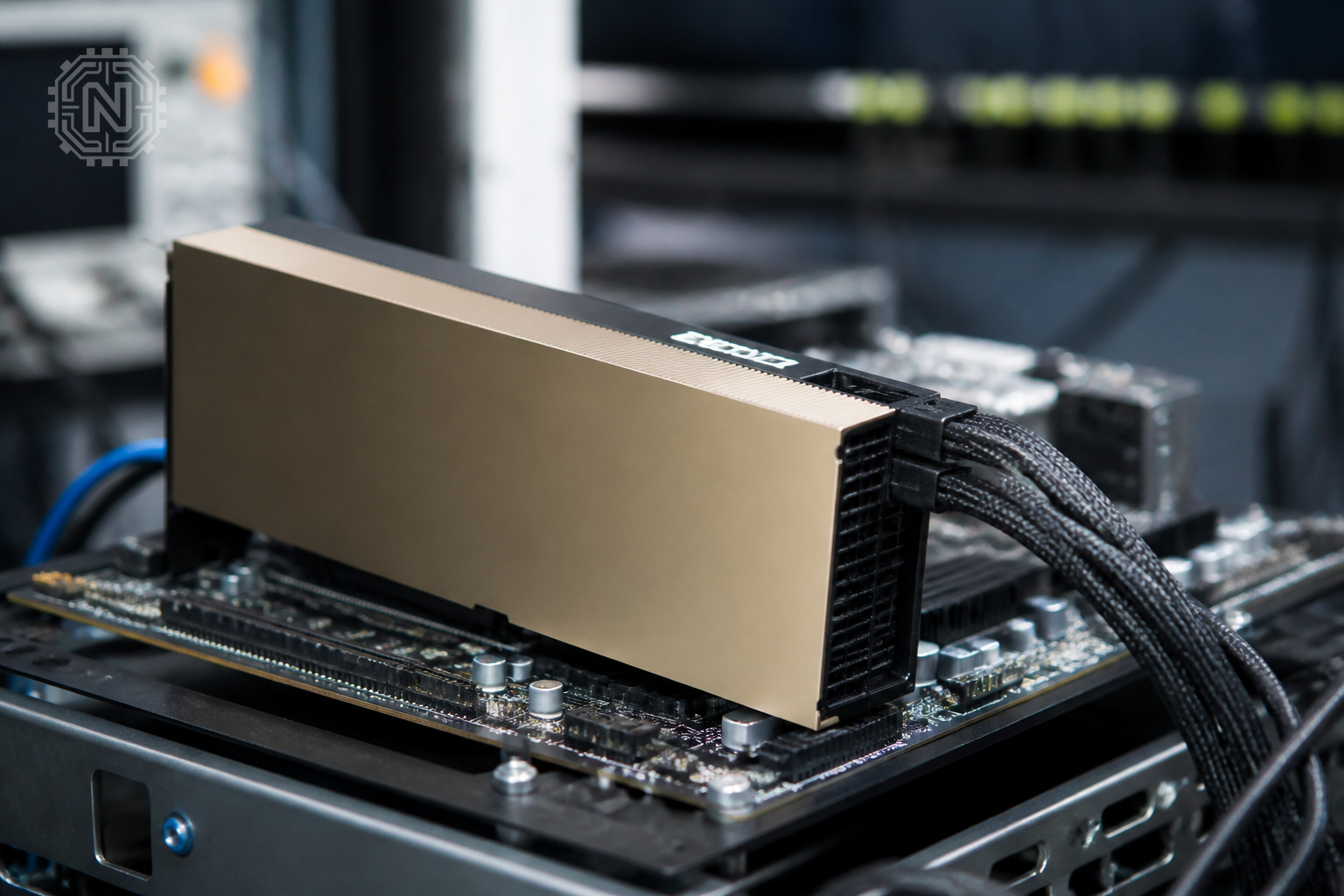
Compared to traditional CPUs, these chips handle parallel processing more efficiently, significantly reducing training and inference times. They also integrate advanced cooling and power management features to sustain high workloads.
For example, NVIDIA’s latest H100 Tensor Core GPU uses a new DPX architecture that accelerates matrix operations fundamental to AI. AMD’s MI300X combines CPU and GPU cores on a single package, enabling seamless data transfer.
These innovations mean AI models can be trained faster, with lower energy costs, and deployed in real-time scenarios like autonomous driving or personalized medicine. The shift toward domain-specific hardware is a major trend in 2026.
To explore how these chips integrate into broader AI systems, visit our apps & software section for deployment strategies.
Did you know?
- AI chips now contain billions of transistors for complex computations.
- Manufactured using 3nm tech to improve efficiency and speed.
- Some chips include integrated cooling for sustained high performance.
Official statements and reactions from industry leaders
In a press release, NVIDIA’s CEO Jensen Huang stated, "Our new AI hardware sets a new standard for performance and efficiency, empowering developers to push AI further than ever before." Similarly, AMD emphasized their focus on AI-specific architecture improvements.
Industry experts believe these advancements will accelerate AI adoption in autonomous vehicles, healthcare, and data centers. Analysts predict a doubling of AI hardware revenue in the next year.
For more insights, see our latest AI model launches coverage and official statements from key companies.
"The latest AI chip innovations are crucial for meeting the growing demand for intelligent, real-time AI applications."
Tech Industry Expert
Implications and what’s next for AI hardware in 2026
These advancements are not just incremental; they are reshaping the entire AI ecosystem. Faster chips mean more sophisticated models can run in real time, enabling breakthroughs in robotics, healthcare diagnostics, and personalized AI assistants.
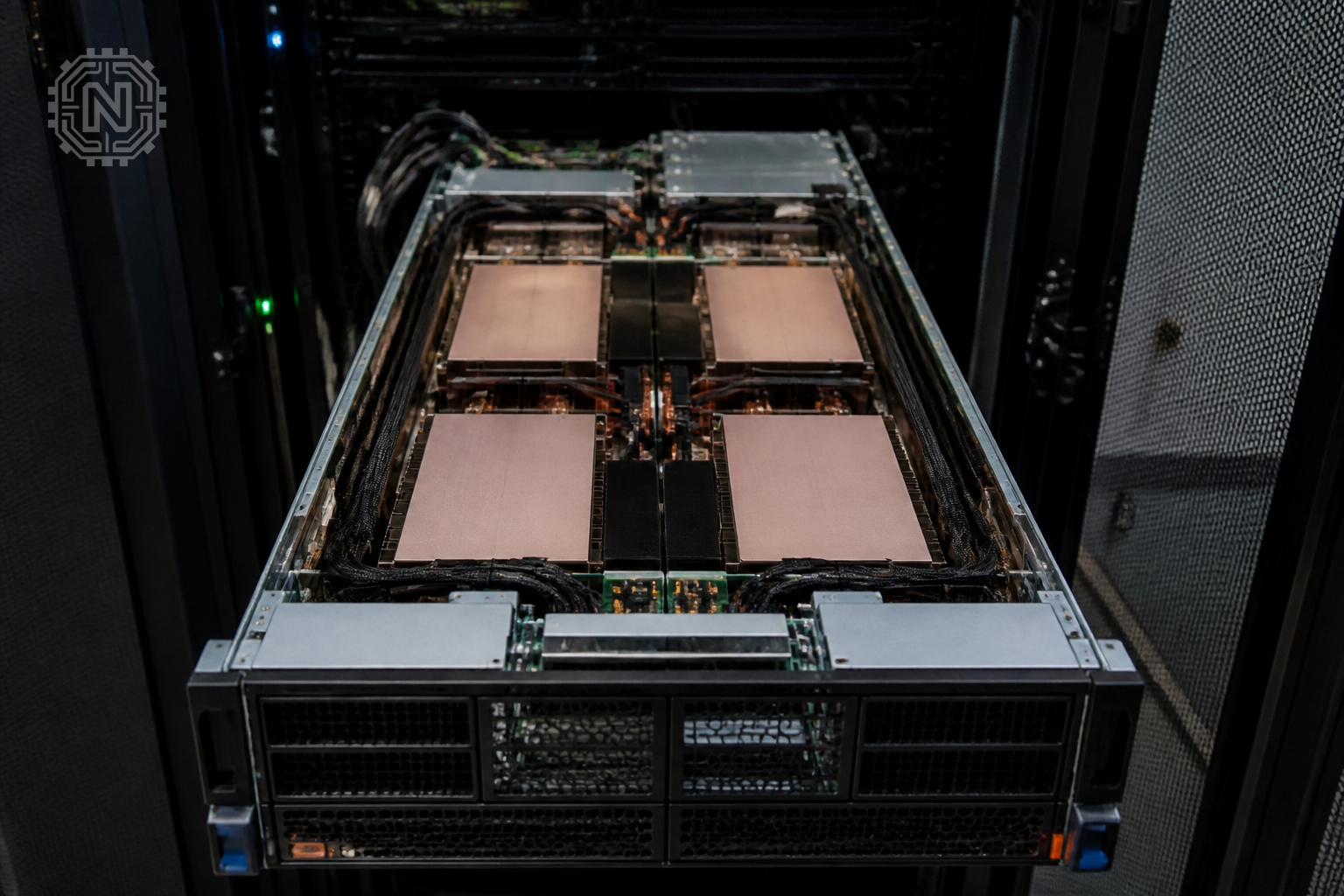
Looking ahead, expect further integration of AI hardware with cloud infrastructure and edge devices. Companies are also exploring AI chips tailored for specific tasks like natural language understanding or computer vision.
Market analysts forecast a compound annual growth rate (CAGR) of around 25% for AI hardware through 2027, driven by demand for smarter, more efficient chips.
To stay ahead, developers and companies should monitor new releases and optimize their AI models for these powerful new processors. For practical guidance, check our how-to guides.
Pros and cons of 2026 AI chip advances
- Pros: Increased processing speed, lower energy costs, real-time AI capabilities.
- Cons: High development costs, supply chain constraints, and integration complexity.
Editorial Sources
Conclusion
AI chip advancements in 2026 are propelling AI into new realms of performance and efficiency. As hardware continues to evolve, industry adoption and innovation will accelerate, shaping the future of intelligent systems across all sectors. Staying informed is key to leveraging these breakthroughs.
Frequently Asked Questions
What are the main innovations in AI chips in 2026?
Major innovations include new architectures, higher transistor densities, and specialized AI accelerators for faster processing.
How do AI chips differ from traditional processors?
AI chips are optimized for parallel processing and neural network computations, offering higher efficiency and lower latency.
Which companies lead in AI chip development in 2026?
NVIDIA, AMD, and Intel are the top contenders, each launching advanced processors tailored for AI workloads.
Are AI chips more energy-efficient than previous models?
Yes, new manufacturing processes like 3nm tech significantly improve energy efficiency.
What industries benefit most from AI chip advancements?
Autonomous vehicles, healthcare, cloud computing, and robotics are primary beneficiaries.
When will these AI chip advancements impact consumer electronics?
Expected to roll out in consumer devices by late 2026, especially in smart devices and gaming hardware.
What is the future outlook for AI hardware?
Continued growth, with more domain-specific chips and integration into edge computing and IoT devices.
How can developers optimize AI models for new chips?
By tailoring software to leverage hardware features like tensor cores and high-bandwidth memory. For more on Tech News, explore Newtechzy. You can also review our Privacy Policy and Cookie Policy, or learn more About us.
Related Topics
Explore more about AI hardware trends and how they impact your industry. Stay updated with our latest insights and expert analysis.
Start Your Journey Today!


