


Quick Summary
- Most smart home devices are vulnerable to cyber attacks in 2026.
- Proper security practices can prevent unauthorized access.
- Network segmentation is crucial for device safety.
- Regular firmware updates patch security flaws.
- Using strong, unique passwords enhances protection.
- Future threats include AI-driven hacking techniques.
As smart home devices become more prevalent in 2026, protecting them from cyber threats is critical. Smart home security involves not just installing devices but also ensuring they can't be exploited by hackers.
With the proliferation of connected gadgets, vulnerabilities grow. This article offers actionable steps to secure your smart home, from network setup to device management, helping you avoid costly breaches.
How to Secure Your Smart Home in 2026: Essential Tips for Safety
Securing your smart home starts with understanding the common vulnerabilities. Devices like smart cameras, locks, and thermostats often lack robust security features, making them targets for cybercriminals.
According to Google Support, regular updates and strong passwords are fundamental. Learn how to implement these practices effectively.
What are the main risks facing smart home devices today?
- Unauthorized access and control
- Data breaches exposing personal info
- Device hijacking for botnets
Recent reports show a rise in IoT botnets leveraging unprotected devices, emphasizing the importance of proactive security measures.
For detailed security guidelines, visit CISA, which offers official cybersecurity advice for IoT devices.
Key Facts About Smart Home Security
- Most smart devices lack built-in security features.
- Default passwords are a major vulnerability.
- Firmware updates are often overlooked.
- Network segmentation isolates devices from main networks.
"Securing smart home devices requires a layered approach, including strong passwords, updates, and network segmentation."
Cybersecurity Expert
How can I set up a secure Wi-Fi network for my smart home?
Creating a secure Wi-Fi network is the foundation of smart home security. Use WPA3 encryption, disable WPS, and change default router passwords to prevent unauthorized access.
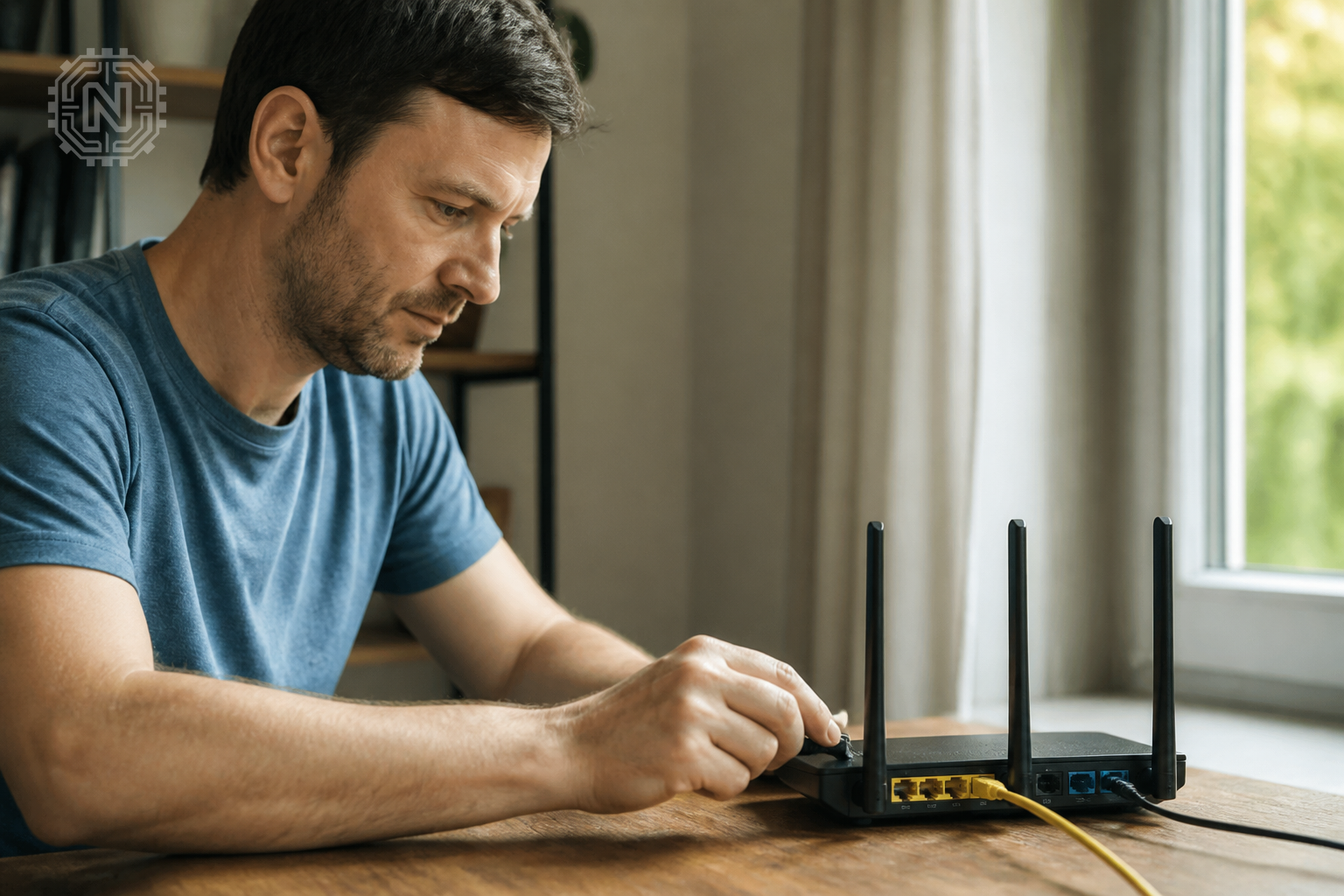
Segment your network by creating a separate SSID for IoT devices, keeping them isolated from your main computers and smartphones.
Learn more about secure network setup at CISA and ensure your home network is hardened against attacks.
Why Network Security Matters for Smart Homes
Weak networks expose all connected devices to hacking, risking privacy and control of your home environment.
What are the best practices for updating and managing smart devices?
Regular firmware updates patch security flaws and improve device resilience. Enable automatic updates whenever possible.
Remove unused devices from your network and review device permissions periodically.
Check manufacturer websites for security advisories and update instructions. For trusted brands, visit Samsung Support or similar.
"Keeping firmware up-to-date is one of the simplest yet most effective ways to prevent exploits."
Cybersecurity Analyst
How do I choose secure smart home devices in 2026?
Select devices from reputable brands that prioritize security, offer regular updates, and have strong authentication features.
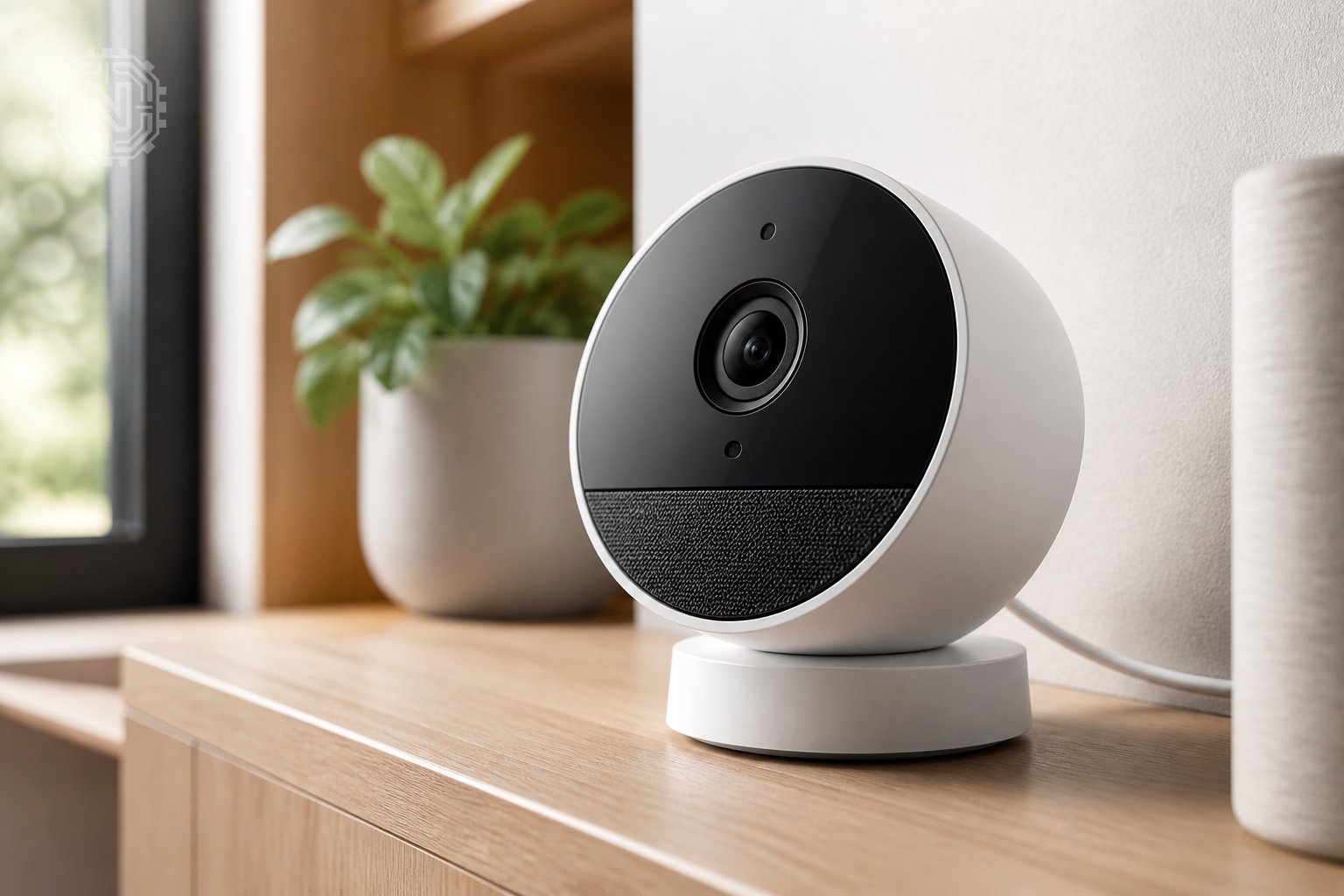
Read reviews and check security certifications before purchasing. Avoid devices with default passwords or no security documentation.
Compare features at TechRadar for the latest security-rated gadgets.
Pros and Cons of Popular Smart Home Devices
- High-end brands often provide better security.
- Cheaper devices may lack updates and security features.
What future threats should smart home owners prepare for?
Emerging risks include AI-powered hacking, device spoofing, and sophisticated malware targeting IoT infrastructure.
Staying ahead involves monitoring cybersecurity news and updating your security protocols regularly.
Follow updates from US-CERT for the latest threat intelligence and mitigation strategies.
Editorial Sources
Conclusion
Securing your smart home in 2026 requires ongoing vigilance and proactive measures. Regular updates, strong passwords, and network segmentation are essential. Staying informed about emerging threats helps you maintain control and protect your privacy in an increasingly connected world.
Frequently Asked Questions
How can I prevent my smart home devices from being hacked?
Use strong, unique passwords, enable two-factor authentication, and keep firmware updated regularly.
Are smart home devices safe to buy in 2026?
Choose reputable brands with a track record of security updates and certifications to ensure safety.
What is network segmentation and why is it important?
It isolates IoT devices from main networks, reducing the risk of widespread breaches if one device is compromised.
How often should I update my smart home devices?
Check for firmware updates monthly and enable automatic updates where available.
Can I secure my Wi-Fi for smart devices without buying new hardware?
Yes, by enabling WPA3, changing default passwords, disabling WPS, and creating a separate network for IoT devices.
What are common vulnerabilities in smart home security?
Default passwords, outdated firmware, lack of encryption, and poor network segmentation.
How do I choose secure smart home gadgets?
Select products from trusted brands with security features, regular updates, and positive reviews.
What future threats should I watch out for?
AI-driven hacking, device spoofing, and malware targeting IoT infrastructure. For more on How-To, explore Newtechzy. You can also review our Privacy Policy and Cookie Policy, or learn more About us.
Related Topics
Explore our complete guide on smart home security to stay ahead of cyber threats. Protect your devices and privacy today.
Start Your Journey Today!


