


Quick Summary
- Fed announces first rate hike since 2023 to curb inflation.
- Immediate backlash from President Trump and critics.
- Market reactions include volatility and investor concern.
- Move signals shift in U.S. monetary policy stance.
- Impacts on borrowing costs and consumer loans.
- Future rate decisions likely to follow inflation trends.
The U.S. Federal Reserve announced its first interest rate hike since 2023, targeting stubborn inflation that has persisted despite previous efforts. This move marks a significant shift in monetary policy, aiming to temper inflation without derailing economic growth.
President Trump quickly criticized the decision, calling it premature and harmful to consumers and businesses. The immediate market response was mixed, with some investors fearing tighter financial conditions while others saw it as a necessary step towards stability.
Interest Rate Hike and Its Background in 2026
The Federal Reserve's decision to increase interest rates in 2026 comes after a prolonged period of low borrowing costs. Inflation has remained above the Fed's target of 2% for over a year, driven by supply chain disruptions and rising commodity prices.
Historically, rate hikes are used to cool down overheating economies. In this context, the Fed's move is an attempt to prevent inflation from spiraling further, which could undermine long-term growth prospects. This is a departure from the ultra-loose policies of the previous two years.
For more on recent monetary policy shifts, see our analysis of latest policy updates and their impacts.
Key Facts About the Rate Hike
- The Fed raised rates by 0.25% in September 2026.
- This is the first hike since 2023, ending a prolonged pause.
- The move aims to tame inflation above 3%.
- Market volatility increased immediately after the announcement.
- Future hikes depend on inflation trajectory and economic data.
"The Fed's rate hike signals a cautious approach to inflation but risks slowing economic momentum."
Economist, Financial Markets Analyst
How Does the Interest Rate Hike Work and Its Mechanics
When the Fed raises interest rates, borrowing costs for consumers and businesses increase. This often leads to reduced spending and investment, helping to slow inflation.
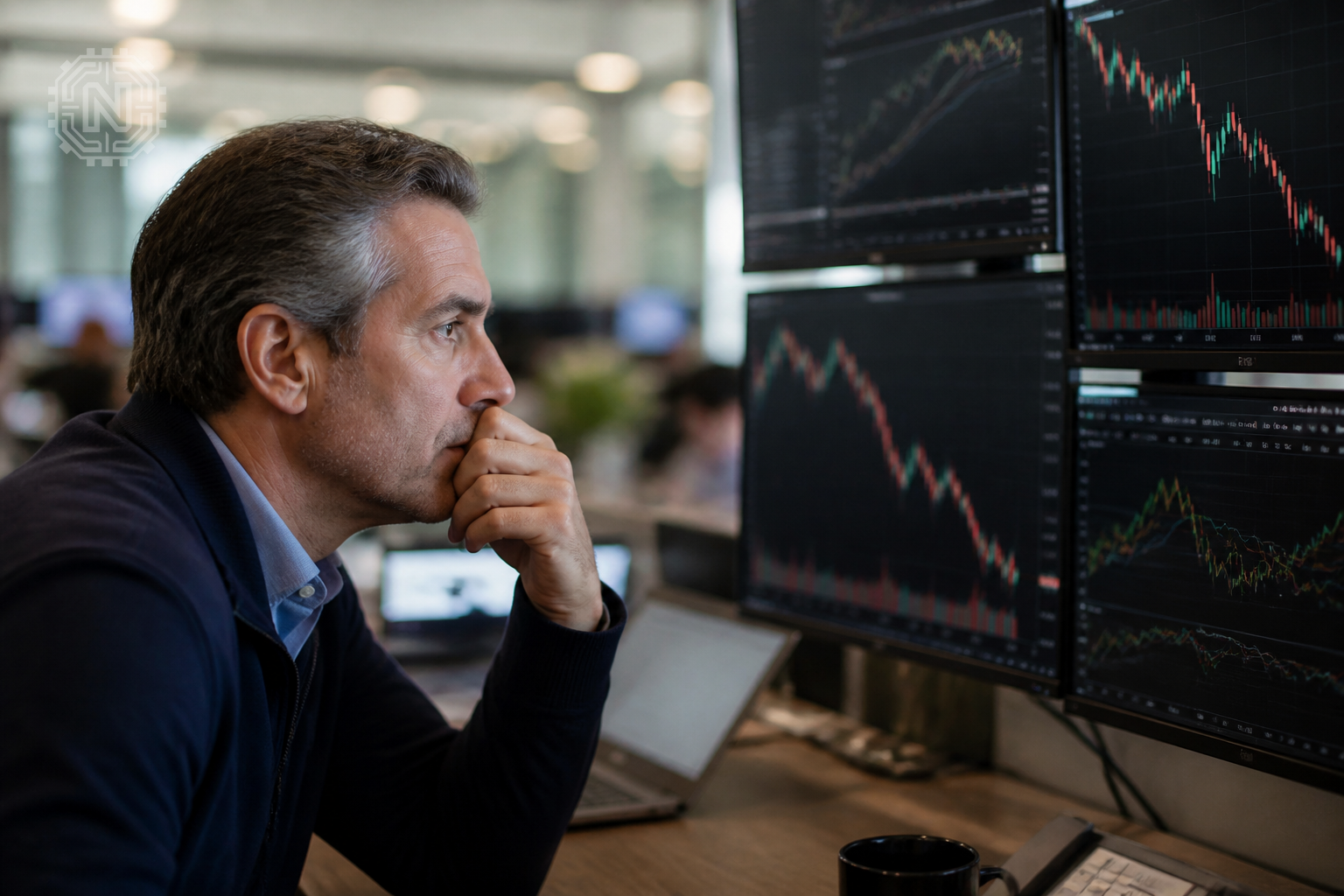
The rate hike affects various financial instruments, including mortgage rates, credit cards, and business loans. Higher rates tend to strengthen the dollar but can also dampen economic growth if applied aggressively.
For a detailed breakdown of how monetary policy tools work, visit our guide on monetary policy tools.
Pros and Cons of Rate Hikes
- Pros: Helps control runaway inflation, stabilizes currency.
- Cons: Can slow economic growth, increase unemployment.
- Affects borrowing costs for consumers and companies.
- Potential to trigger market volatility in the short term.
Official Reactions and Political Criticism in 2026
The Federal Reserve's chair issued a statement emphasizing the need to address inflation risks while maintaining economic stability. However, President Trump swiftly criticized the move, arguing it would hinder growth and burden consumers.
Trump's criticism centered on the timing and magnitude of the hike, claiming it was unnecessary at this stage. Some economists agree that political interference in monetary policy can create uncertainty.
For more on political reactions to Fed policies, see our coverage of political influence on monetary policy.
"The Fed's decision reflects a delicate balancing act between controlling inflation and supporting growth."
Senior Economic Analyst
Implications for Markets and Consumers
The immediate market reaction was mixed, with stocks experiencing volatility and bond yields rising. Investors are weighing the prospects of tighter monetary policy against ongoing economic growth.

Consumers may face higher borrowing costs, affecting mortgage rates, credit cards, and auto loans. Small businesses could see increased financing expenses, impacting hiring and expansion plans.
For practical advice, see our guide on managing rising interest rates.
Did You Know?
- Interest rate hikes can slow inflation but may also reduce job growth.
- Higher rates typically lead to a stronger dollar.
Why It Matters and Future Outlook for 2026
This rate hike signals a shift in the Fed's stance, prioritizing inflation control amid economic uncertainties. It could set the tone for the remainder of 2026, with future hikes contingent on inflation and economic growth data.
Analysts warn that aggressive tightening could risk tipping the economy into recession, but delaying action might let inflation become entrenched. The coming months will reveal how policymakers navigate this balance.
Stay tuned for updates on future Fed policy decisions and their economic impact.
"The next few months will be critical in determining whether the Fed's rate hike successfully curbs inflation without harming growth."
Economic Policy Expert
Editorial Sources
Conclusion
The Fed's first interest rate hike since 2023 marks a pivotal moment in U.S. monetary policy, with immediate market reactions and political criticism highlighting its significance. While aimed at controlling inflation, the move raises questions about its long-term impact on growth and consumer costs. Watching how markets and policymakers respond in the coming months will be crucial for understanding the full effect of this decision.
Frequently Asked Questions
Why did the Fed decide to raise interest rates in 2026?
The Fed increased rates to combat persistent inflation, which has remained above target levels for over a year.
How does a rate hike affect everyday consumers?
Higher interest rates increase borrowing costs for mortgages, credit cards, and auto loans, impacting household budgets.
Will the Fed raise rates again soon?
Future hikes depend on inflation trends and economic data; analysts expect more increases if inflation remains high.
What are the risks of raising interest rates?
Raising rates can slow economic growth, increase unemployment, and cause market volatility.
How do market reactions reflect the rate hike?
Markets often experience volatility, with stock prices fluctuating and bond yields rising as investors reassess economic outlooks.
What was President Trump’s response to the rate hike?
Trump criticized the move, claiming it was unnecessary and harmful to economic growth.
How does the interest rate hike influence the dollar?
Higher rates tend to strengthen the dollar, making U.S. exports more expensive and imports cheaper.
What are the long-term implications of this rate hike?
It could help control inflation but might also slow growth and impact employment if sustained. For more on How-To, explore Newtechzy. You can also review our Privacy Policy and Cookie Policy, or learn more About us.
Related Topics
Stay informed about the latest economic policies and market trends. Subscribe for updates and expert analysis to navigate these challenging times.
Start Your Journey Today!


