


Quick Summary
- Latest high-performance components for 2026 are covered.
- Step-by-step assembly instructions for beginners and enthusiasts.
- Tips on optimizing gaming performance and cooling.
- Component compatibility and upgrade paths explained.
- Cost considerations and where to buy parts in 2026.
Building a gaming PC in 2026 is more accessible than ever, thanks to advancements in hardware and affordability. Whether you're upgrading or starting fresh, this guide provides all the essential steps to assemble a high-performance gaming rig from scratch.
With the right parts and a clear plan, you can create a gaming PC tailored to your needs, capable of running the latest titles at high settings. We'll cover component selection, assembly tips, and optimization tricks to ensure your build is both powerful and reliable.
How to build a gaming PC in 2026: background and essentials
In 2026, building a gaming PC involves selecting cutting-edge components like the latest CPUs from AMD and Intel, high-speed DDR5 RAM, and next-gen GPUs such as NVIDIA's RTX 5090 or AMD's Radeon RX 8900XT. The trend toward modular, user-friendly cases and improved cooling solutions makes assembly more straightforward.
Understanding compatibility is crucial. Components like the motherboard, CPU socket, and power supply must match. For example, the new PCIe 5.0 standard supports faster SSDs and GPUs, which enhances overall performance.
Popular online stores like Tech News and official manufacturer sites offer a wide array of parts. Always verify specifications and reviews before purchase. For detailed component guides, visit Gadgets.
Key Hardware Trends in 2026
- Next-gen CPUs offer improved multi-threading for gaming and streaming.
- GPU advancements deliver higher frame rates at 4K resolutions.
- DDR5 RAM now standard, with speeds exceeding 8000 MHz.
- Storage options include NVMe SSDs with PCIe 5.0 support.
- Power supplies now feature higher efficiency ratings and modular designs.
"Building a gaming PC in 2026 means choosing components that deliver exceptional performance and future-proofing."
Hardware Analyst
What are the core components needed for a gaming PC?
The essential parts include a high-performance CPU, a powerful GPU, sufficient RAM, fast storage, a reliable motherboard, a quality power supply, and a good cooling system. Each component plays a vital role in gaming performance and stability.
The CPU acts as the brain, with options like AMD Ryzen 9 7950X3D or Intel Core i9-13900K. The GPU, such as NVIDIA RTX 5090, handles graphics rendering. For memory, 32GB of DDR5 RAM is typical for 2026 gaming setups.
For storage, NVMe SSDs like Samsung 990 Pro provide quick load times. The motherboard must support PCIe 5.0 and DDR5, with features like Wi-Fi 6E and multiple M.2 slots. Power supplies should be rated at least 80 Plus Gold for efficiency.
Cooling is critical; high-performance air coolers or liquid cooling systems keep temperatures low during intense gaming sessions. Case selection impacts airflow and noise levels.
Core Components Breakdown
- CPU: AMD Ryzen 9 7950X3D or Intel Core i9-13900K
- GPU: NVIDIA RTX 5090 or AMD Radeon RX 8900XT
- RAM: 32GB DDR5, 8000 MHz+
- Storage: PCIe 5.0 NVMe SSDs
- Motherboard: Supports PCIe 5.0, DDR5, Wi-Fi 6E
- Power Supply: 750W+ 80 Plus Gold
- Cooling: High-performance air or liquid cooling
How to assemble a gaming PC step-by-step
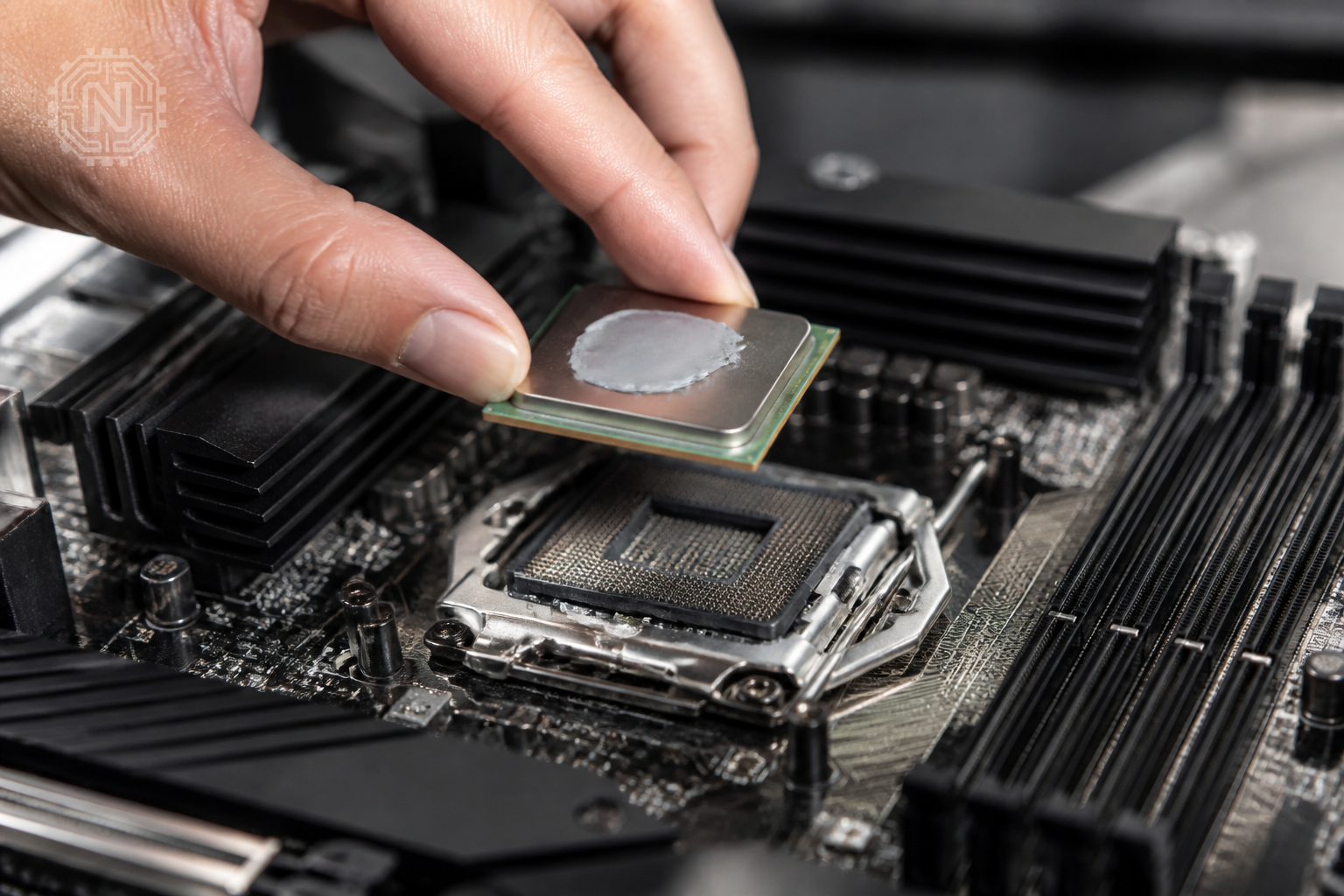
Start by installing the CPU onto the motherboard, ensuring correct orientation and applying thermal paste. Mount the CPU cooler, whether air or liquid, following manufacturer instructions.
Insert RAM modules into the motherboard slots, then install the motherboard into the case, securing it with screws. Connect the power supply cables to the motherboard and GPU.
Install the NVMe SSD into the M.2 slot on the motherboard, and connect all necessary power and data cables. Double-check connections for security and proper placement.
Place the assembled motherboard into the case, attach the GPU in the PCIe slot, and connect display and peripheral cables. Power on and enter BIOS to verify component detection and configure settings.
"Careful handling of components and following the motherboard manual ensures a smooth build process."
PC Building Expert
How to optimize gaming performance after building
Update all drivers, especially GPU and motherboard BIOS, to the latest versions for maximum compatibility and performance. Adjust in-game settings to balance visuals and frame rates.
Enable features like DLSS or FSR to improve frame rates at high resolutions. Overclocking GPU and CPU can boost performance but requires careful temperature monitoring.
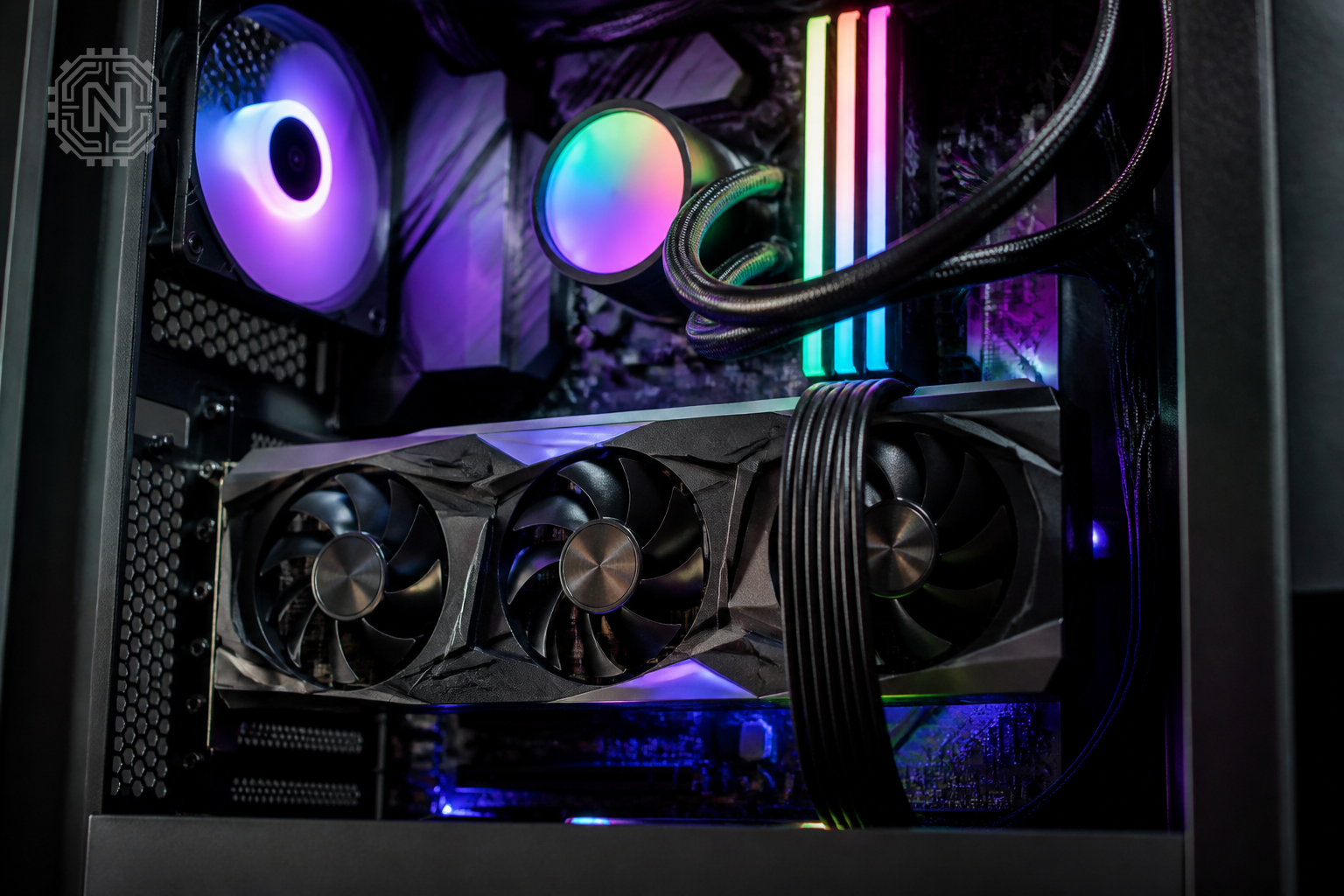
Improve cooling by cleaning filters and ensuring proper airflow within the case. Consider aftermarket cooling solutions for higher overclocking potential.
Regularly maintain your system by cleaning dust, updating software, and monitoring temperatures to sustain peak gaming performance over time.
Why Building Your Own Gaming PC Matters
- Custom builds offer better performance for specific games and settings.
- You gain knowledge and control over hardware choices.
- Upgradability extends the lifespan of your PC.
- Cost-effective compared to prebuilt gaming rigs.
Future outlook for gaming PC hardware in 2026 and beyond
Expect continued improvements in GPU and CPU performance, with AI-driven optimization and faster memory standards becoming standard. Modular designs will make upgrades easier, and new cooling technologies will support higher overclocking.
Emerging trends like integrated AI accelerators and enhanced ray tracing will push gaming visuals even further. The shift toward more energy-efficient components will also influence future builds.
Manufacturers are focusing on sustainability, with more eco-friendly materials and power-efficient designs. As hardware becomes more powerful and accessible, building a custom gaming PC will remain a popular choice for enthusiasts.
"The future of gaming PCs lies in modular, customizable systems that adapt to evolving technology and gaming demands."
Industry Analyst
Editorial Sources
Conclusion
Building a gaming PC in 2026 requires careful selection of high-performance components and a methodical assembly process. With the right hardware and some patience, you can create a machine that delivers top-tier gaming experiences and future-proofing. This guide equips you with the knowledge to start your custom build today.
Frequently Asked Questions
How much does it cost to build a gaming PC in 2026?
Expect to spend between $1,200 and $3,000 depending on component choices and performance goals.
Is it safe to overclock my gaming PC components?
Overclocking can boost performance but risks overheating and instability; proper cooling and gradual adjustments are essential.
What is the best GPU for gaming in 2026?
The NVIDIA RTX 5090 and AMD Radeon RX 8900XT are among the top choices for high-end gaming performance.
Can I upgrade my gaming PC later?
Yes, building a modular system allows for future upgrades like additional RAM, storage, or a more powerful GPU.
How do I ensure compatibility of parts?
Check socket types, PCIe versions, and power requirements; use compatibility tools from manufacturers or build guides.
What tools do I need for assembly?
A set of screwdrivers, anti-static wrist strap, thermal paste, and cable management accessories are recommended.
How long does it take to build a gaming PC?
Typically, assembling a gaming PC takes 2 to 4 hours, depending on experience and component complexity.
What are common mistakes to avoid?
Incorrect component installation, poor cable management, and neglecting BIOS updates can cause issues. For more on How-To, explore Newtechzy. You can also review our Privacy Policy and Cookie Policy, or learn more About us.
Related Topics
Ready to build your dream gaming PC? Explore our detailed component guides and get started on your custom setup now. For expert advice, contact our support team or visit our community forums.
Start Your Journey Today!


