


Quick Summary
- Gaming AI advances are enhancing realism and interactivity.
- AI-driven personalization boosts player engagement.
- Industry sees increased adoption of AI in development.
- AI tools are streamlining testing and quality assurance.
- Latest AI models adapt dynamically to player behavior.
- Future of gaming heavily relies on AI innovations.
In 2026, gaming AI is no longer just a buzzword but a core component of game development and player interaction. Recent breakthroughs in machine learning and neural networks are enabling more responsive, intelligent NPCs and personalized experiences that were once science fiction.
This surge in AI capabilities is reshaping the industry, making games more immersive and tailored to individual players while also reducing development costs and time. As AI continues to mature, understanding its current role and future potential becomes essential for gamers and developers alike.
Gaming AI 2026: How Artificial Intelligence Is Reshaping Game Development and Play
AI's role in gaming has expanded from simple NPC behaviors to complex, adaptive systems that learn and evolve during gameplay. This year, developers are leveraging advanced AI models to craft more believable characters and dynamic environments.
For example, titles like multiplayer co-op games now feature AI that personalizes quests and challenges based on individual player styles, increasing replayability and engagement. This shift is driven by breakthroughs in deep learning, which enable AI to analyze vast amounts of gameplay data in real-time.
How does AI influence game design and player experience in 2026?
- AI creates more realistic NPCs that respond naturally to player actions.
- Procedural generation powered by AI produces unique worlds and content.
- Player behavior analysis allows for customized difficulty and storylines.
According to industry reports, AI-driven personalization is now a key factor in player retention. Games like Unity's AI tools enable developers to implement these features without extensive coding.
Key Facts About Gaming AI 2026
- AI systems now learn from millions of gameplay hours.
- Adaptive AI adjusts difficulty in real-time for each player.
- AI enhances non-combat interactions for richer storytelling.
- Game testing is faster with AI-powered bug detection.
- Industry investment in gaming AI exceeds $2 billion annually.
"AI-driven game design is creating more immersive, personalized experiences than ever before."
Gaming Industry Analyst
What are the core technical advancements in gaming AI this year?
Recent advancements include the deployment of large language models (LLMs) to NPC dialogues and decision-making, making interactions more natural. Reinforcement learning algorithms are now used to teach AI characters to adapt and strategize during gameplay.
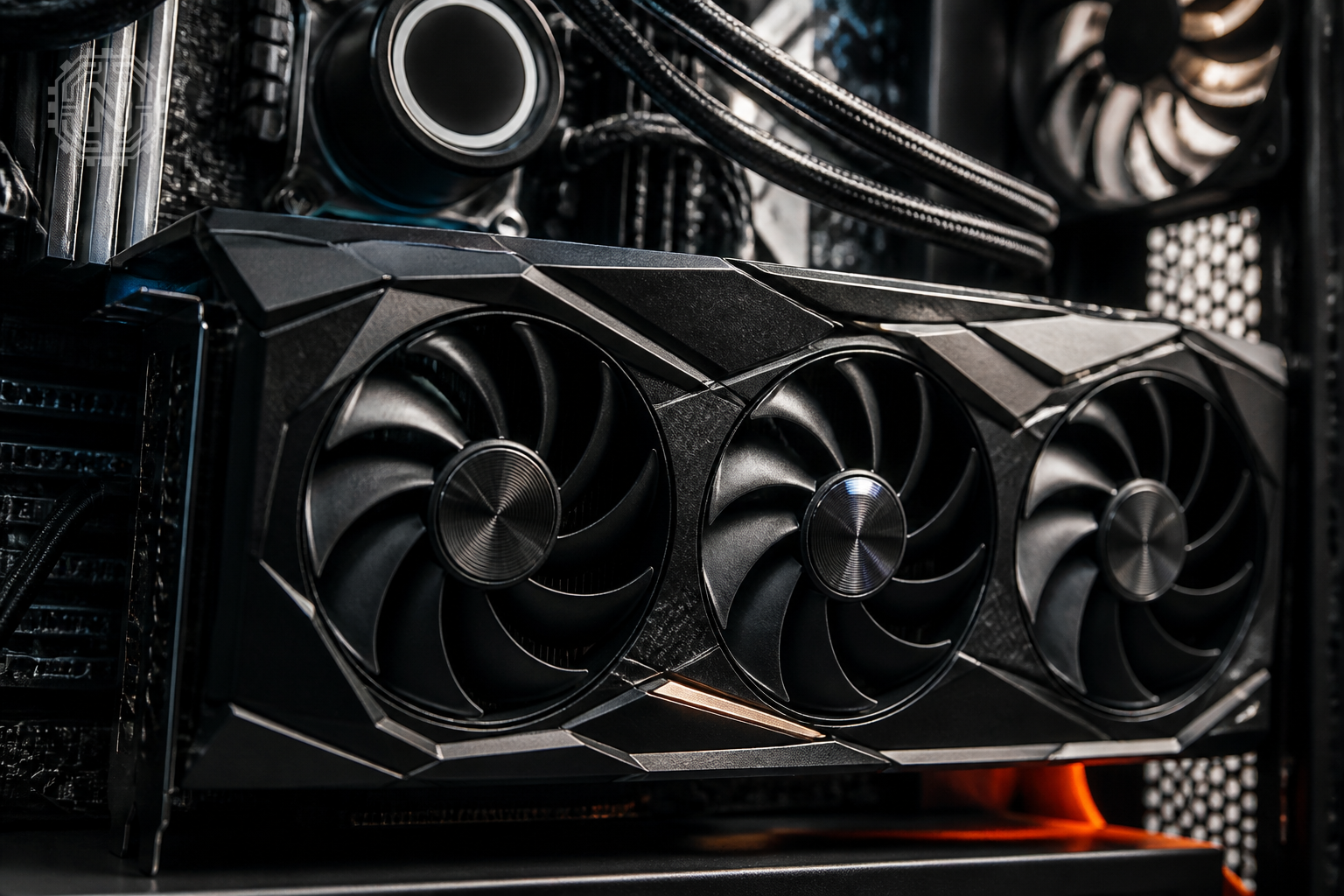
These innovations are supported by improved hardware, like high-performance GPUs and dedicated AI chips, which allow real-time processing of complex AI models. Companies like NVIDIA and AMD are releasing new graphics cards optimized for AI workloads, boosting game performance and AI responsiveness.
How do these technical improvements impact game development?
- Reduce time and costs in creating believable NPCs.
- Enable more complex, open-world environments.
- Allow for real-time AI adjustments based on player actions.
According to NVIDIA, their latest RTX 40 series GPUs significantly accelerate AI workloads, making these innovations feasible for mainstream developers.
Pros and Cons of Gaming AI Advances
- Pros: More immersive experiences, personalized gameplay, faster testing.
- Cons: Higher hardware requirements, potential AI bias, ethical concerns about NPC autonomy.
How are game studios responding to AI innovations in 2026?
Major studios like Electronic Arts, Ubisoft, and Sony are investing heavily in AI research labs to incorporate these technologies into upcoming titles. Many are also partnering with AI startups to access cutting-edge tools and expertise.
Some companies are experimenting with AI-driven narrative generation, allowing for dynamically changing storylines that respond to player choices, making each playthrough unique.
What official statements have been made about AI's role in gaming?
In a recent earnings call, a Sony spokesperson highlighted AI as a key focus area, aiming to deliver more personalized gaming experiences and reduce development timelines.
"AI is becoming a strategic priority for game developers aiming to stay competitive."
Senior Game Developer at a major studio
What does the future hold for gaming AI beyond 2026?
Looking ahead, AI is expected to become even more autonomous, with self-learning NPCs and procedurally generated content that adapts over long-term play sessions. The integration of AI with virtual reality (VR) and augmented reality (AR) will push immersion to new levels.

Emerging trends include AI-driven player analytics, which can predict player churn and personalize marketing strategies, and AI-powered moderation tools to ensure safe online environments.
How will these developments influence the industry?
- Increased adoption of AI in indie and AAA titles alike.
- More personalized, adaptive, and immersive experiences.
- Potential ethical debates about AI autonomy and player data privacy.
Experts at Wired suggest that AI will continue to blur the line between human and machine-driven storytelling, making gaming more interactive than ever.
Why Gaming AI 2026 Matters
- Enhances player engagement and retention.
- Reduces development costs and time.
- Creates more realistic and dynamic worlds.
- Raises ethical questions about AI autonomy.
Editorial Sources
Conclusion
Gaming AI in 2026 is fundamentally transforming how games are designed, experienced, and developed. As these technologies mature, they promise more personalized, immersive, and efficient gaming experiences, though they also raise important ethical and technical questions that industry leaders are now actively addressing.
Frequently Asked Questions
How is AI improving NPC behavior in 2026?
AI now enables NPCs to respond more naturally and adaptively, creating more immersive interactions.
What are the biggest challenges for gaming AI today?
Hardware requirements, ethical concerns, and managing AI bias remain key challenges.
Will AI replace game developers in the future?
No, AI is a tool to augment developers' creativity, not replace them.
How does AI personalize gameplay experiences?
AI analyzes player behavior to adjust difficulty, storylines, and interactions dynamically.
Are there security concerns with gaming AI?
Yes, AI systems can be vulnerable to manipulation and bias, requiring rigorous safeguards.
What hardware is needed for advanced gaming AI?
High-performance GPUs and dedicated AI chips are essential for real-time AI processing.
How are game studios integrating AI into their workflows?
Through AI-powered tools for testing, content generation, and player analytics.
What ethical issues surround gaming AI?
Concerns include player data privacy, AI autonomy, and potential manipulation. For more on Gaming, explore Newtechzy. You can also review our Privacy Policy and Cookie Policy, or learn more About us.
Related Topics
Discover more about the future of gaming technology and how AI is shaping your play. Stay ahead with our latest updates and insights.
Start Your Journey Today!


