

Quick Summary
- AI art tools now produce high-quality images instantly.
- Artists face both competition and collaboration opportunities.
- Major platforms like Midjourney and DALL·E dominate the market.
- AI art raises questions about originality and copyright.
- Industry adoption is growing among brands and agencies.
- Future AI models will create even more realistic and complex art.
AI-generated art has become a dominant force in creative industries in 2026, with tools like Midjourney, DALL·E, and Stable Diffusion enabling anyone to craft stunning visuals in seconds. This shift is radically changing how art is made, bought, and perceived.
As AI art tools grow more sophisticated, they challenge traditional notions of creativity and copyright, prompting artists, brands, and regulators to rethink the rules of visual creation.
How AI-generated art is transforming creative design in 2026
AI-driven art platforms have democratized access to high-quality visual creation. Artists and non-artists alike now generate professional-grade images using simple prompts. This accessibility is disrupting traditional art markets and opening new revenue streams for freelance designers and agencies.
Major platforms like Midjourney, DALL·E, and Stable Diffusion have become household names, powering millions of images daily. These tools leverage advances in generative adversarial networks (GANs) and diffusion models to produce realistic and artistic visuals.
Beyond individual artists, brands now use AI art to create marketing assets, product prototypes, and even fashion designs. This shift reduces costs and accelerates creative workflows, but also raises questions about the authenticity and ownership of AI-generated content.
For more on how AI impacts creative workflows, see our article on AI in content creation.
Key Takeaways on AI-generated Art
- AI tools enable instant, high-quality image generation.
- Artists face new competition but also new collaboration opportunities.
- Major platforms dominate the AI art market in 2026.
- Copyright and originality debates intensify with AI art.
- Businesses increasingly adopt AI for marketing and design.
"AI art platforms are pushing creative boundaries and redefining what’s possible in digital design."
Industry Analyst
What are the core mechanics behind AI art generation?
AI art relies on complex machine learning models trained on vast datasets of images and styles. These models learn to generate new visuals by understanding patterns, textures, and compositions, allowing users to craft images from simple text prompts or sketches.
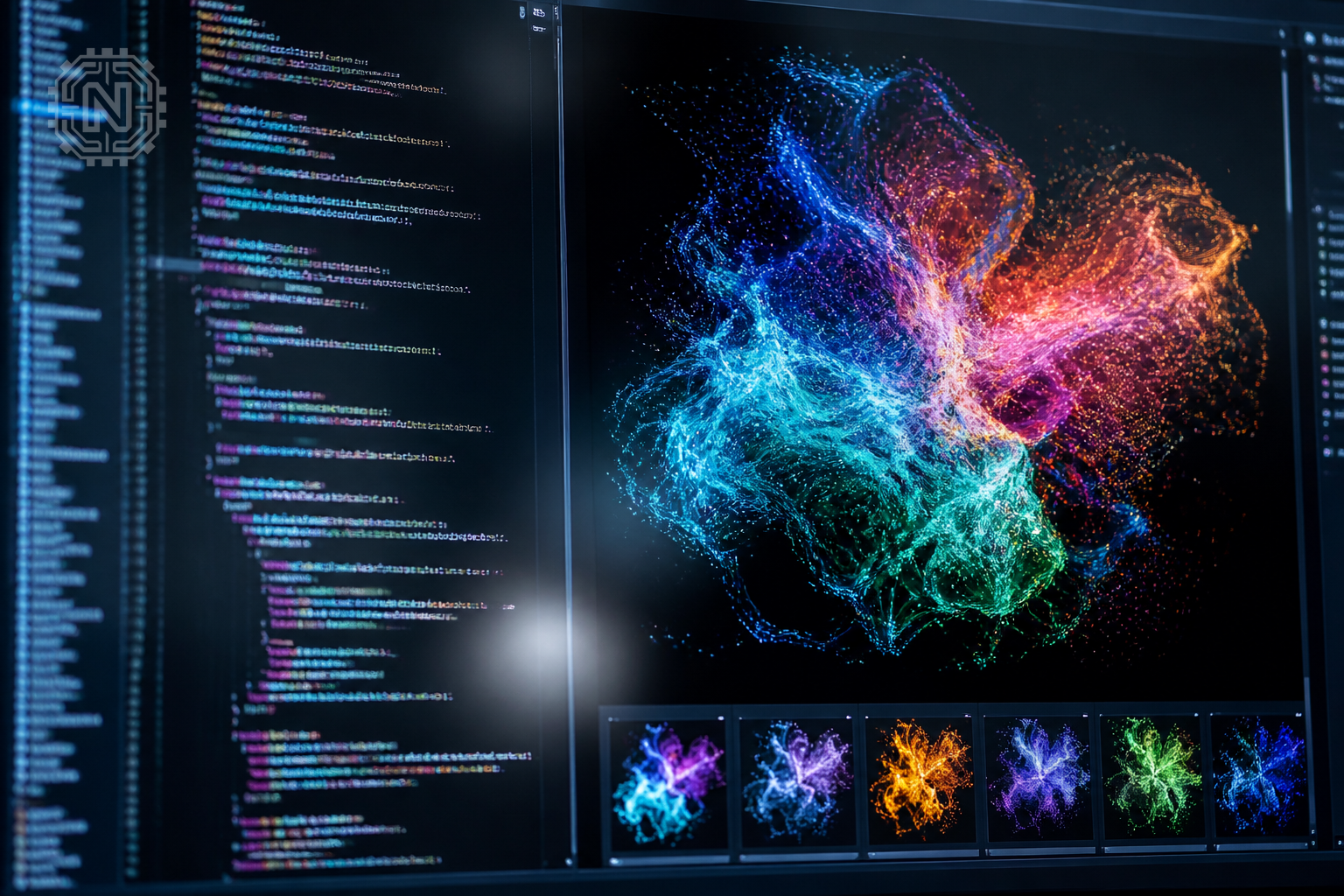
Diffusion models, such as those used by Stable Diffusion, iteratively refine noise into detailed images, mimicking artistic processes. GANs, on the other hand, pit two neural networks against each other to produce increasingly realistic results.
These models are trained on millions of images from the internet, allowing them to mimic a wide array of styles, from classical painting to modern digital art. The key innovation is the ability to generate unique images that resemble human-created art with minimal input.
Understanding these mechanics helps artists and developers optimize prompts and settings to achieve desired outcomes. For a deep dive, visit our guide on how AI creates images.
How AI Art Works
- Uses machine learning models trained on large image datasets.
- Diffusion models refine noise into detailed visuals.
- GANs generate realistic images through adversarial training.
- Models learn styles, textures, and compositions from data.
What are the main controversies surrounding AI-generated art?
Debates over copyright and ownership dominate discussions about AI art. Since models are trained on copyrighted images, artists and rights holders question whether AI-generated images infringe existing works.
Some argue AI art lacks the human touch and originality, challenging traditional notions of creative authorship. Others see it as a new form of collaboration between human and machine.
Regulators are considering new policies to address these issues, with some jurisdictions proposing restrictions on AI-generated content or requiring clear attribution. The legal landscape remains uncertain, but the trend toward regulation is clear.
For more on legal challenges, see our article on AI regulation in 2026.
"The copyright debate is shaping the future of AI art and how creators will protect their work."
Legal Expert
What practical implications does AI-generated art have for creators and brands?
For creators, AI tools reduce the barrier to entry, allowing anyone to produce professional visuals without traditional art skills. This democratization sparks innovation but also intensifies competition.
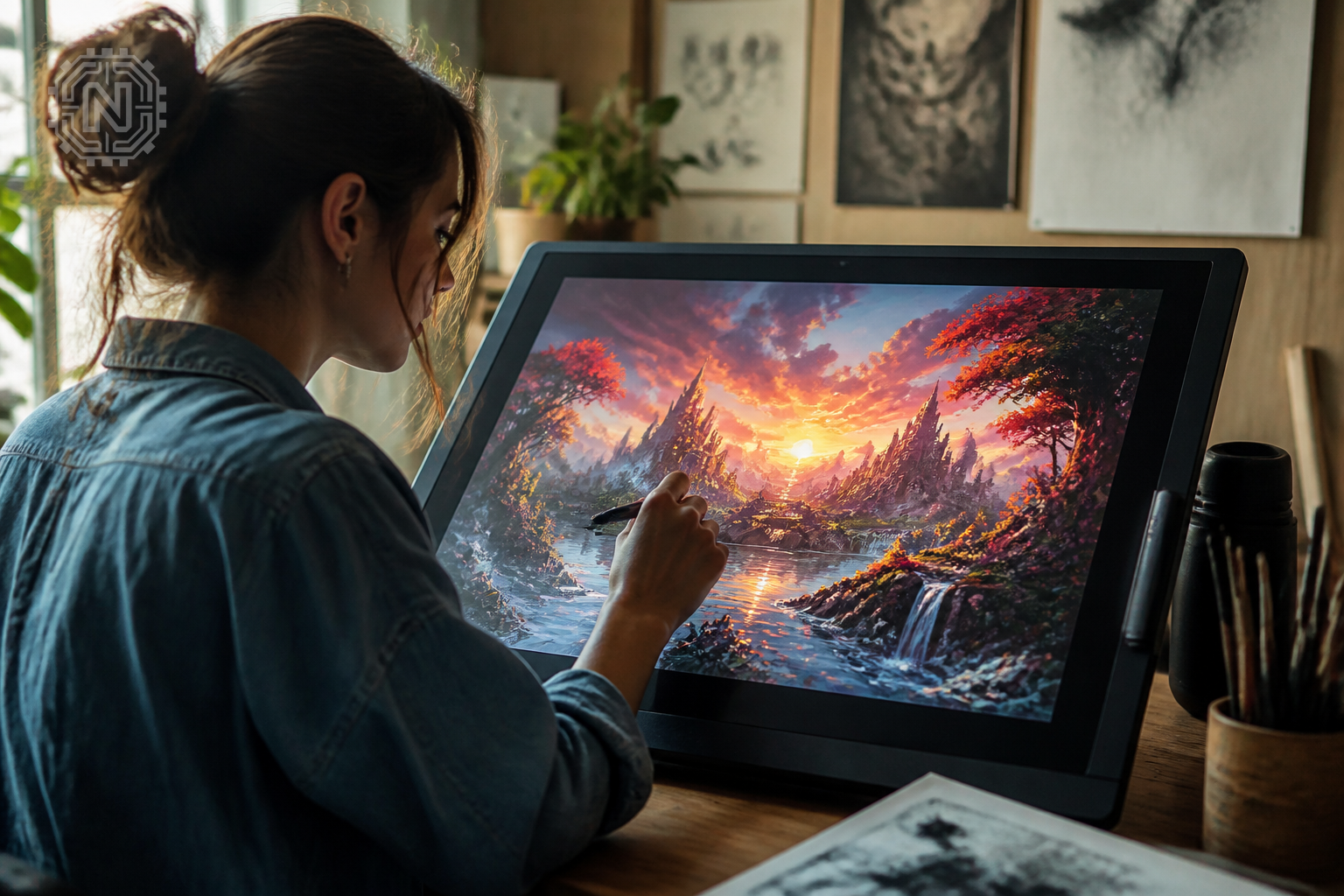
Brands benefit from rapid content production and cost savings, enabling more frequent campaigns and personalized visuals. However, they must navigate legal and ethical considerations around AI-generated content.
Artists are exploring new roles as curators and collaborators with AI, pushing the boundaries of what constitutes art. Meanwhile, collectors and galleries are beginning to showcase AI-created pieces, challenging existing valuation models.
To explore how brands integrate AI art, visit our case study on AI in marketing.
Implications for Creators and Brands
- Reduces costs and speeds up content creation.
- Democratizes art production, increasing competition.
- Raises legal and copyright questions.
- Creates new opportunities for artistic collaboration.
Why does AI-generated art matter for the future of creativity?
The rise of AI art signifies a fundamental shift in how visuals are created and consumed. It challenges traditional artistic authority and opens up new frontiers for innovation and expression.
As AI models become more sophisticated, they will produce increasingly complex and realistic artworks, blurring the line between human and machine creativity. This evolution could redefine artistic value and cultural heritage.
Understanding this shift is crucial for artists, collectors, and policymakers to shape a future where AI complements human ingenuity rather than replaces it. The ongoing debate about originality and ethics will define the art world in the coming decades.
Learn more about the future of AI and creativity in our upcoming webinar on AI and the future of art.
Editorial Sources
Conclusion
AI-generated art is reshaping creative industries in 2026, offering unprecedented opportunities and raising significant legal, ethical, and cultural questions. Artists and brands that adapt to these changes will find new avenues for innovation, but must also navigate the complex landscape of ownership and originality. The evolution continues, promising an exciting future for digital creativity.
Frequently Asked Questions
What is AI-generated art?
AI-generated art uses machine learning models to create images based on prompts or data, enabling rapid and diverse visual production.
Are AI-generated images legally protected?
Legal protection depends on jurisdiction; copyright issues arise because models are trained on copyrighted works without explicit permission.
Can AI art be considered original?
Yes, but debates exist about whether AI-generated art qualifies as original, especially since it relies on learned patterns from existing works.
What tools are popular for AI art creation?
Popular tools include Midjourney, DALL·E, Stable Diffusion, and Artbreeder, each offering unique features for visual generation.
How do artists collaborate with AI tools?
Artists use prompts, style transfers, and fine-tuning to guide AI models, blending human creativity with machine-generated outputs.
Is AI art replacing human artists?
AI is augmenting artistic workflows, but most experts see it as a collaboration rather than a replacement for human creativity.
What are the main ethical concerns with AI art?
Concerns include copyright infringement, lack of attribution, and the potential devaluation of human-created art.
How will AI-generated art evolve in the future?
Future models will produce more realistic, complex, and customizable artworks, expanding creative possibilities and industry applications. For more on Artificial Intelligence, explore Newtechzy. You can also review our Privacy Policy and Cookie Policy, or learn more About us.
Related Topics
Explore more about AI's impact on art and creativity by visiting our detailed guides and case studies. Stay ahead in the rapidly changing creative landscape—get in touch to learn how your business can leverage AI art tools today.
Start Your Journey Today!


