


Quick Summary
- Top gaming GPUs released in 2026 offer unprecedented power.
- NVIDIA and AMD dominate the high-end GPU market.
- New architectures improve ray tracing and AI features.
- Price-to-performance ratios vary widely across models.
- Gamers should consider VRAM, ray tracing, and power draw.
- Upcoming releases hint at further performance boosts.
In 2026, gaming graphics cards are more vital than ever for enthusiasts chasing ultra settings and high frame rates. The focus is on models that deliver not just raw power but also efficiency and future-proofing. Gaming graphics cards like NVIDIA's RTX 5090 and AMD's RX 8900 XT are setting new standards, pushing the boundaries of real-time ray tracing and AI-enhanced graphics.
With the latest releases and ongoing supply chain adjustments, gamers face a complex landscape when choosing their next GPU. This article breaks down the top picks, compares their features, and explains what to look for in 2026's most powerful graphics cards.
Gaming Graphics Cards 2026: The State of Play
The gaming GPU market in 2026 is marked by rapid innovation and fierce competition. NVIDIA's RTX 5090, built on the Ada Lovelace architecture, leads the charge with 24,576 CUDA cores and 48GB of GDDR6X VRAM, promising significant gains in ray tracing and AI capabilities.
AMD counters with the Radeon RX 8900 XT, based on the RDNA 3.5 architecture, featuring 20,480 stream processors and 32GB of GDDR6 memory. Both models are priced in the premium flagship range but offer different strengths depending on the gaming workload.
Supply chain constraints and scalper issues have persisted into 2026, but availability for high-end models has improved compared to previous years. Gamers now have better access to these top-tier GPUs, although prices remain elevated relative to pre-pandemic levels.
For more context on how these cards compare, see our detailed tech news overview of the latest GPU launches. The evolution of graphics hardware continues to be driven by demands for higher resolutions, faster frame rates, and immersive VR experiences.
Key Facts About 2026 Gaming GPUs
- NVIDIA RTX 5090 offers 24,576 CUDA cores and 48GB VRAM.
- AMD Radeon RX 8900 XT features 20,480 stream processors and 32GB VRAM.
- Both cards support advanced ray tracing and AI-based rendering.
- Prices remain high but are more accessible than last year.
- Power consumption varies; high-end GPUs require robust PSUs.
"The latest GPUs in 2026 push the boundaries of gaming performance, making ultra settings more accessible for mainstream gamers."
Industry Analyst
What Features Matter Most in 2026 Gaming GPUs?
Gamers should focus on VRAM capacity, ray tracing capabilities, power efficiency, and driver stability when choosing a GPU. VRAM impacts performance at higher resolutions, while ray tracing enhances visual realism.
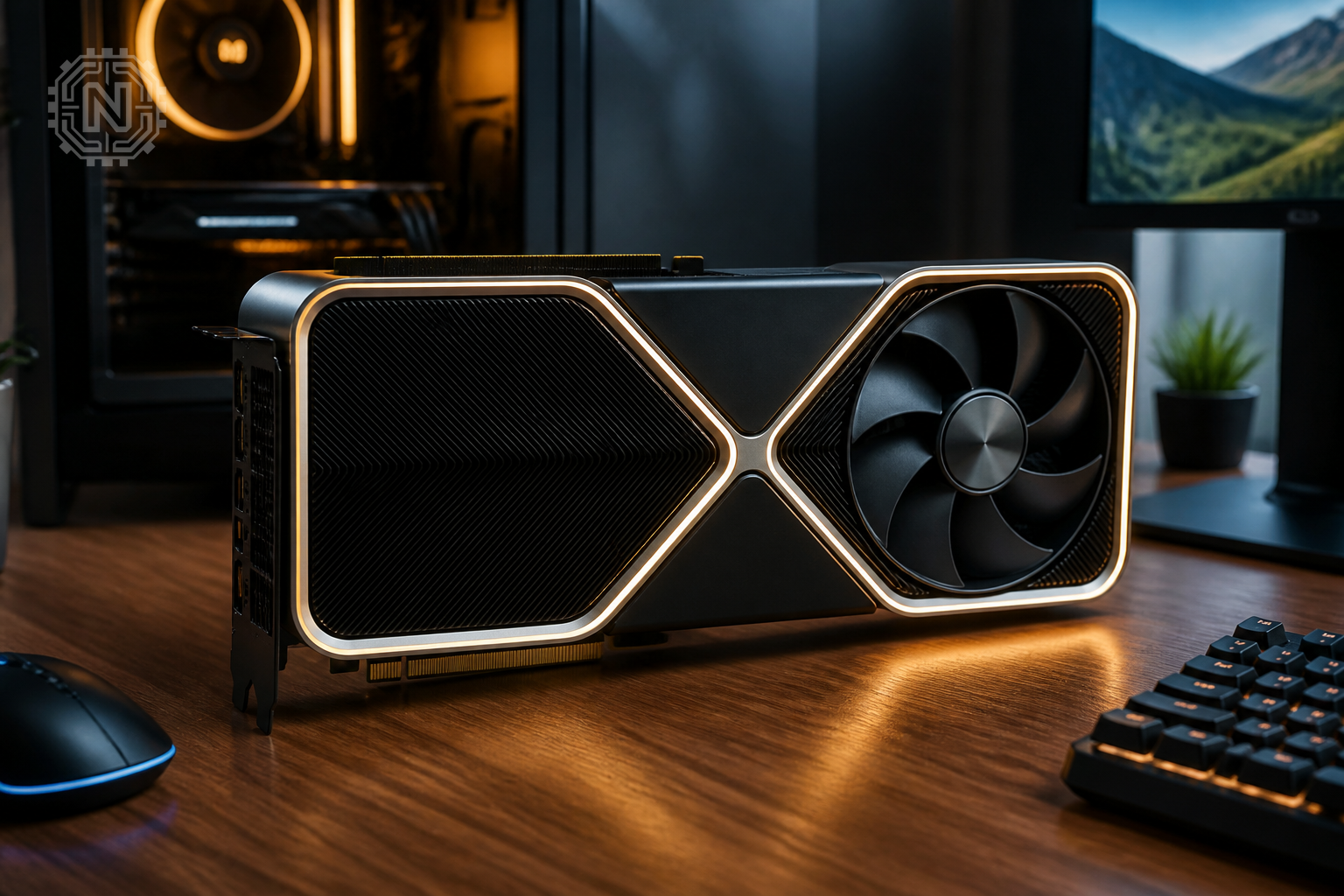
Efficiency is crucial as power draw and heat output increase with performance. The latest architectures also include AI-accelerated features like DLSS 3 and FSR 3, which upscale games for smoother visuals without taxing hardware excessively.
In terms of practical implications, a higher VRAM buffer helps future-proof your system against upcoming game demands. Both NVIDIA and AMD are pushing these features, but the best choice depends on your specific gaming setup and budget.
For a detailed comparison, visit our latest GPU benchmarks and reviews. As game developers continue to leverage real-time ray tracing and AI, having a GPU that supports these features is essential.
Pros and Cons of 2026 Gaming GPUs
- High-end models deliver exceptional performance but come at premium prices.
- Advanced ray tracing and AI features enhance visual quality.
- Power consumption and heat output are higher than previous generations.
- Availability has improved but still varies by region.
"Choosing the right GPU in 2026 depends on balancing performance, features, and budget."
Senior Hardware Analyst
How Do 2026 Gaming GPUs Compare to Previous Generations?
Compared to 2025 models, 2026 GPUs offer significant leaps in ray tracing, AI, and overall throughput. The NVIDIA RTX 5090 surpasses the RTX 4090 by nearly 50% in raw performance, thanks to architectural improvements.
AMD's RX 8900 XT also shows a notable upgrade from the RX 7900 XTX, with better power efficiency and higher clock speeds. These advancements translate into smoother gameplay at 4K and better support for VR and upcoming game engines.
However, the core challenge remains balancing cost and performance. While the latest cards are more powerful, their premium prices mean many gamers will wait for mid-range options or upcoming releases.
For a broader perspective, compare these models with previous generations through our comprehensive GPU comparison chart.
Did You Know?
- 2026 GPUs support PCIe 5.0 for faster data transfer.
- DLSS 3 and FSR 3 are standard across top models.
- New architectures improve efficiency by up to 20% over last gen.
- High VRAM models are better suited for 8K gaming.
"The evolution of GPU architecture in 2026 is a testament to rapid technological progress."
Tech Industry Expert
What’s Next for Gaming Graphics Cards?
Looking ahead, the focus will be on further efficiency gains, AI integration, and support for higher resolutions like 8K. Upcoming models are expected to feature even more cores, faster memory, and enhanced ray tracing.
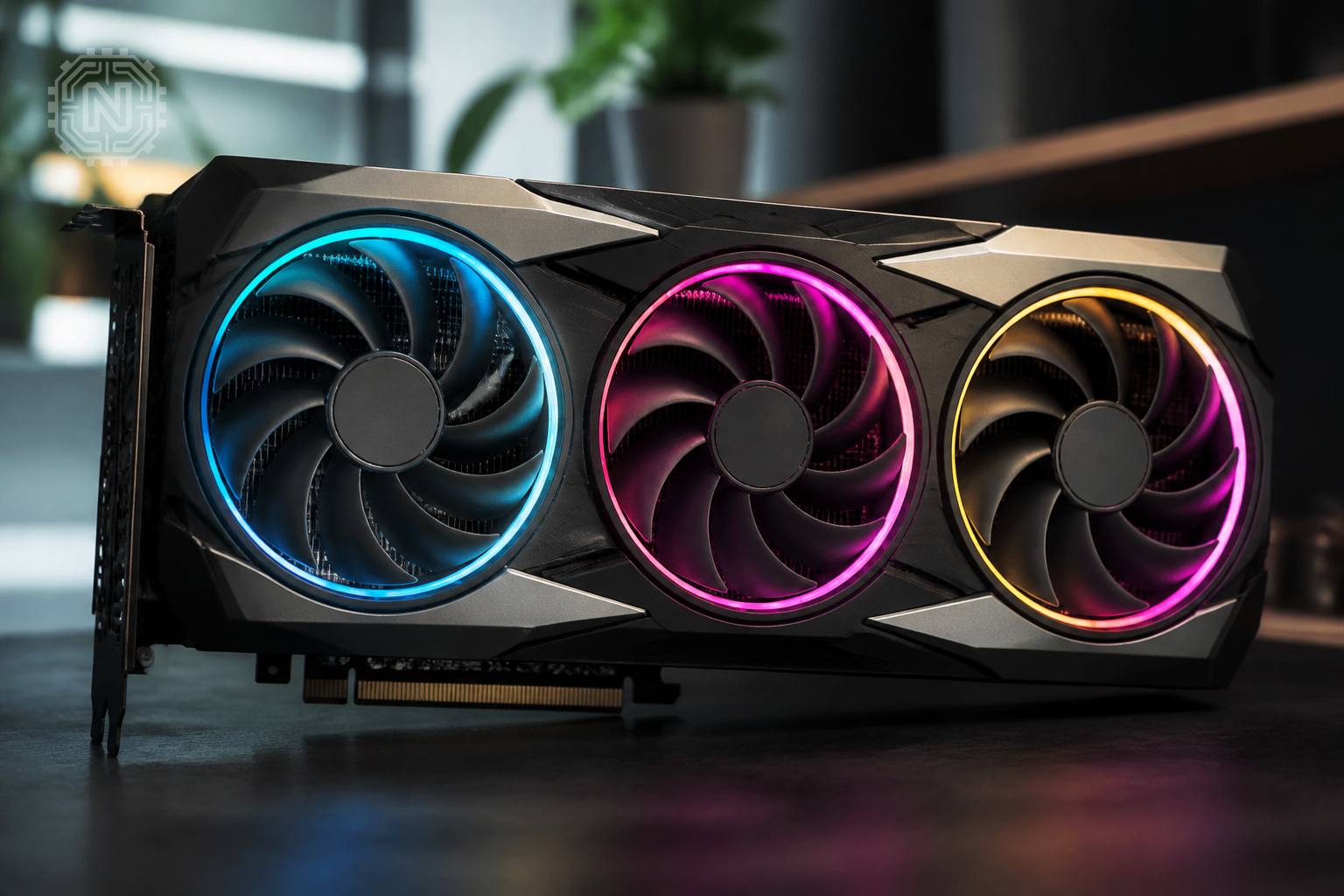
Rumors suggest NVIDIA is working on the RTX 5100 series, potentially introducing a new architecture that doubles ray tracing cores while reducing power draw. AMD's next-gen cards are also expected to improve on current benchmarks.
Gamers should keep an eye on upcoming releases, as these will likely push performance boundaries even further. Staying updated on official announcements from NVIDIA and AMD will help you plan your next upgrade.
For ongoing news, follow our tech news updates and subscribe to our newsletter for the latest in gaming hardware.
Future Trends in Gaming GPUs
- Expect more AI-powered rendering features.
- Higher VRAM capacities will become standard.
- Power efficiency improvements will reduce heat output.
- 8K gaming support will be mainstream by 2027.
Editorial Sources
Conclusion
As 2026 progresses, gaming graphics cards continue to push the envelope, offering gamers unprecedented levels of realism and performance. Choosing the right GPU now depends on balancing your gaming needs with budget and future-proofing considerations. Staying informed about upcoming models ensures you’re ready for the next leap in visual fidelity.
Frequently Asked Questions
What are the best gaming graphics cards in 2026?
The NVIDIA RTX 5090 and AMD RX 8900 XT are among the top-performing GPUs for gaming in 2026.
How much do high-end gaming GPUs cost in 2026?
Prices typically range from $1,200 to $2,000, depending on the model and availability.
Are gaming graphics cards worth upgrading in 2026?
Yes, especially if you want to run the latest games at high settings or future-proof your system.
What features should I look for in a gaming GPU today?
Focus on VRAM capacity, ray tracing support, AI features, and power efficiency.
How do 2026 GPUs compare to last year's models?
They offer significant improvements in ray tracing, AI, and overall performance, often at a higher price.
Will there be more affordable gaming GPUs in 2026?
Yes, mid-range options are expected to improve, offering better performance for lower budgets.
What is the future of gaming graphics technology?
Expect more AI integration, higher resolutions, and better energy efficiency in upcoming models.
Where can I find the latest GPU benchmarks?
Check reputable sites like Tom's Hardware, TechRadar, and AnandTech for detailed reviews. For more on Gaming, explore Newtechzy. You can also review our Privacy Policy and Cookie Policy, or learn more About us.
Related Topics
Explore our full guide to the best gaming GPUs and stay ahead with the latest hardware updates. Find the perfect card for your setup today.
Start Your Journey Today!


