


Quick Summary
- Fake Claude app promotes SectopRAT malware via Bing Ads.
- Users are at risk of data theft and privacy breaches.
- Security experts are urging caution and vigilance.
- Bing Ads has been notified to address the issue.
- Immediate protective measures are recommended.
A fake Claude desktop app, promoted through Bing Ads, is spreading SectopRAT malware among unsuspecting users. This malicious software poses significant cybersecurity threats, including data theft and unauthorized access to sensitive information. Security experts are sounding alarms over the potential impact of this campaign.
As the digital landscape evolves, threats like SectopRAT serve as a reminder of the importance of vigilance against malware disguised as legitimate applications. Understanding the mechanics of this attack can help users safeguard their devices.
Understanding SectopRAT Malware and Its Origins
SectopRAT malware is a type of remote access trojan that allows attackers to take control of infected devices. Originally discovered in late 2025, this malware has quickly evolved, targeting users through deceptive applications. The recent promotion of a fake Claude app via Bing Ads has put many at risk.
Victims of SectopRAT often face data breaches and financial losses. The malware typically infiltrates systems when users download seemingly legitimate software. Once installed, it can grant attackers complete access to the user's device, making it a potent threat in the malware landscape.
Experts recommend regularly updating security software and avoiding downloads from unverified sources. For more information on current malware threats, check out our article on Cybersecurity Threats 2026.
How the Fake Claude App Operates
The fake Claude desktop application appears legitimate, often mimicking well-known software. However, once installed, it silently downloads SectopRAT malware. Users may be lured by promises of enhanced functionality or exclusive features, making them more likely to bypass security precautions.
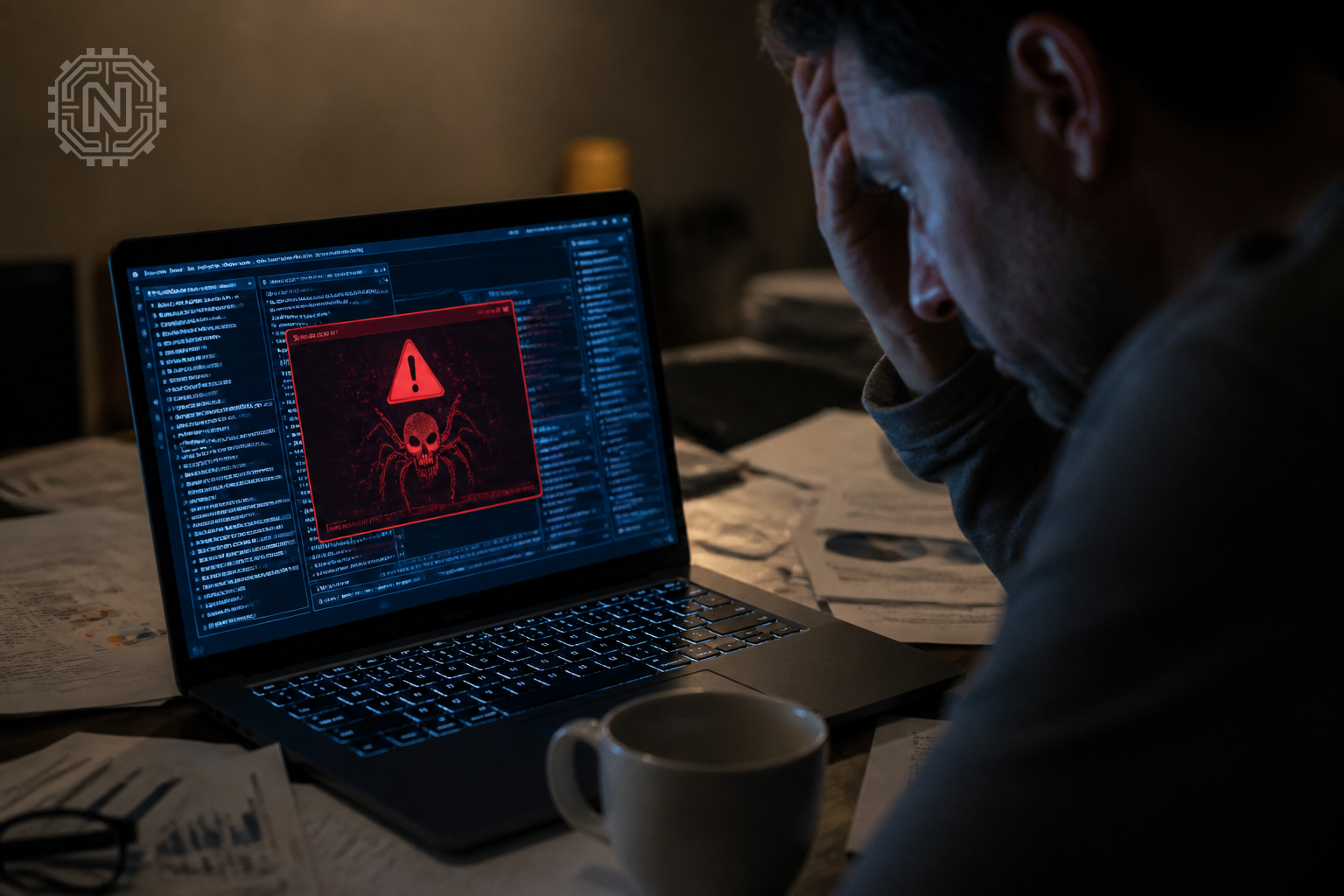
Upon installation, the malware can execute various malicious activities, including stealing sensitive data and monitoring user activity. It's crucial to recognize the signs of such deceptive applications, which may include unusual system behavior or unexpected prompts for permissions.
For further insights on avoiding malware, refer to our guide on Best Video Editing Apps 2026, where we discuss safe software practices.
Official Reactions and Security Measures
In response to the SectopRAT malware outbreak, cybersecurity firms and experts are urging users to enhance their vigilance. Official statements emphasize the need for immediate action, including the removal of any suspicious applications and the use of comprehensive security solutions.
Bing Ads has acknowledged the issue and is working to remove the fake Claude app from its platform. Users are encouraged to report any suspicious ads or applications to help mitigate the spread of this malware.
For ongoing updates and security advisories, keep an eye on the Cybersecurity and Infrastructure Security Agency (CISA).
Practical Implications for Users
The proliferation of SectopRAT malware highlights the vulnerabilities users face in the digital space. As cybercriminals increasingly employ deceptive tactics, individuals must remain alert. Regularly updating software and employing strong passwords can significantly reduce the risk of infection.
Users should also consider utilizing multi-factor authentication for sensitive accounts. This additional layer of security can thwart unauthorized access, even if credentials are compromised.
For more tips on enhancing your online security, visit our page on Apple Vision Pro Release: What to Expect in 2026.
Why This Malware Attack Matters
This incident serves as a stark reminder of the ongoing battle against cybersecurity threats. The rise of sophisticated malware like SectopRAT demands constant vigilance from users and organizations alike. With the potential for significant financial and data loss, understanding these threats is crucial.

As the digital landscape continues to evolve, so too do the tactics employed by cybercriminals. Staying informed about emerging threats is essential for maintaining security.
Looking Ahead: Future Outlook on Cybersecurity
The fake Claude app campaign and the spread of SectopRAT malware illustrate the pressing need for robust cybersecurity measures. As technology advances, so will the methods used by cybercriminals. Users must stay informed and prepared to combat these threats.
Investing in quality security software and educating oneself about common tactics used by attackers can make a significant difference. The future of cybersecurity will rely on proactive measures and user awareness.
For more insights into the future of tech security, explore our article on Google Play Store Rules: €890 Million Fine Impact.
Editorial Sources
Conclusion
The spread of SectopRAT malware through a fake Claude app underscores the critical need for user awareness and robust cybersecurity practices. By remaining vigilant and informed, individuals can better protect themselves from emerging threats.
Frequently Asked Questions
What is SectopRAT malware?
SectopRAT malware is a type of remote access Trojan that allows attackers to control infected systems remotely.
How does the Fake Claude desktop app spread SectopRAT malware?
The Fake Claude desktop app spreads SectopRAT malware through malicious downloads promoted via Bing Ads.
What are the symptoms of a SectopRAT infection?
Symptoms of a SectopRAT infection include unusual system behavior, unexpected pop-ups, and unauthorized access to files.
How can I remove SectopRAT malware from my computer?
To remove SectopRAT malware, use reputable antivirus software to scan and eliminate the infection.
What should I do if I accidentally installed the Fake Claude app?
If you installed the Fake Claude app, immediately disconnect from the internet and run a complete malware scan.
Can SectopRAT malware steal personal information?
Yes, SectopRAT malware can access and exfiltrate sensitive personal information from infected devices.
Is SectopRAT malware dangerous?
SectopRAT malware is considered dangerous due to its ability to grant attackers extensive control over compromised systems.
How can I protect myself from SectopRAT malware?
Protect yourself by avoiding unknown downloads, keeping software updated, and using strong security software. For more on Cybersecurity, explore Newtechzy. You can also review our Privacy Policy and Cookie Policy, or learn more About us.
Related Topics
Stay updated on the latest cybersecurity threats. Explore more articles on our site or contact us for personalized advice.
Start Your Journey Today!


