


Quick Summary
- Cybersecurity threats are evolving with advanced tactics.
- Ransomware attacks are increasing in frequency and severity.
- Phishing scams are becoming more sophisticated and targeted.
- Organizations must adopt proactive security measures.
- Emerging technologies present new vulnerabilities.
Cybersecurity threats 2026 are evolving rapidly, with new tactics and strategies emerging to compromise sensitive data. From sophisticated ransomware attacks to targeted phishing scams, organizations must stay vigilant and proactive. The landscape is changing, and understanding these threats is crucial for effective risk management. Explore more Cybersecurity coverage on Newtechzy.
This year, the stakes are higher as businesses and individuals face unprecedented challenges. With advancements in technology, attackers are leveraging new tools to exploit vulnerabilities, making it essential to stay informed about the latest trends.
Understanding Cybersecurity Threats 2026
Cybersecurity threats encompass a wide range of malicious activities aimed at compromising data integrity, confidentiality, and availability. In 2026, organizations must prepare for more sophisticated attacks that leverage artificial intelligence and automation. These trends are reshaping the cybersecurity landscape.
According to a recent report by Cybersecurity Ventures, global cybercrime costs are projected to reach $10.5 trillion annually by 2025. This staggering figure highlights the urgency for businesses to invest in robust cybersecurity measures. As attackers become more resourceful, understanding the nature of these threats is vital.
For instance, ransomware attacks have evolved significantly, with attackers now employing double extortion tactics. This means they not only encrypt data but also threaten to leak sensitive information if a ransom isn't paid. Such tactics have made ransomware a top concern for organizations worldwide.
The Rise of Ransomware in 2026
Ransomware remains one of the most significant cybersecurity threats in 2026. High-profile attacks have targeted critical infrastructure, healthcare systems, and major corporations. The Colonial Pipeline incident in 2021 serves as a stark reminder of the potential fallout from such attacks.

Organizations must adopt comprehensive security frameworks to mitigate these risks. This includes regular system updates, employee training, and implementing multi-factor authentication. As ransomware tactics continue to advance, proactive measures are essential to safeguard sensitive data.
According to a report by the Cybersecurity and Infrastructure Security Agency (CISA), ransomware attacks increased by over 300% in 2021 alone. The trend has shown no signs of slowing down, making it crucial for organizations to remain vigilant and prepared.
Phishing Scams: A Growing Concern
Phishing scams are becoming increasingly sophisticated, making them a significant threat in 2026. Attackers are leveraging social engineering tactics to create convincing fake emails and websites, tricking users into revealing sensitive information.
Organizations must invest in employee training programs that focus on recognizing phishing attempts. Regular simulations can help employees identify suspicious emails and avoid falling victim to these scams. As phishing techniques evolve, staying informed is critical.
In 2025, the Anti-Phishing Working Group reported a record number of phishing attacks, with a significant increase in targeted campaigns. This trend underscores the necessity for organizations to prioritize cybersecurity awareness among employees.
Emerging Technologies and New Vulnerabilities
As organizations adopt emerging technologies like cloud computing and the Internet of Things (IoT), new vulnerabilities arise. Cybercriminals are quick to exploit these weaknesses, making it crucial for businesses to stay ahead of potential threats.
For instance, IoT devices often lack robust security measures, making them attractive targets for attackers. Organizations must implement strict security protocols and regular audits to ensure these devices are secure.
According to a 2026 report by Gartner, 75% of IoT security breaches will result from inadequate security measures. This statistic highlights the importance of addressing vulnerabilities associated with new technologies.
The Role of AI in Cybersecurity
Artificial intelligence (AI) is playing an increasingly vital role in cybersecurity. Organizations are leveraging AI to analyze vast amounts of data and identify potential threats in real time. This technology enables faster response times and more effective threat detection.
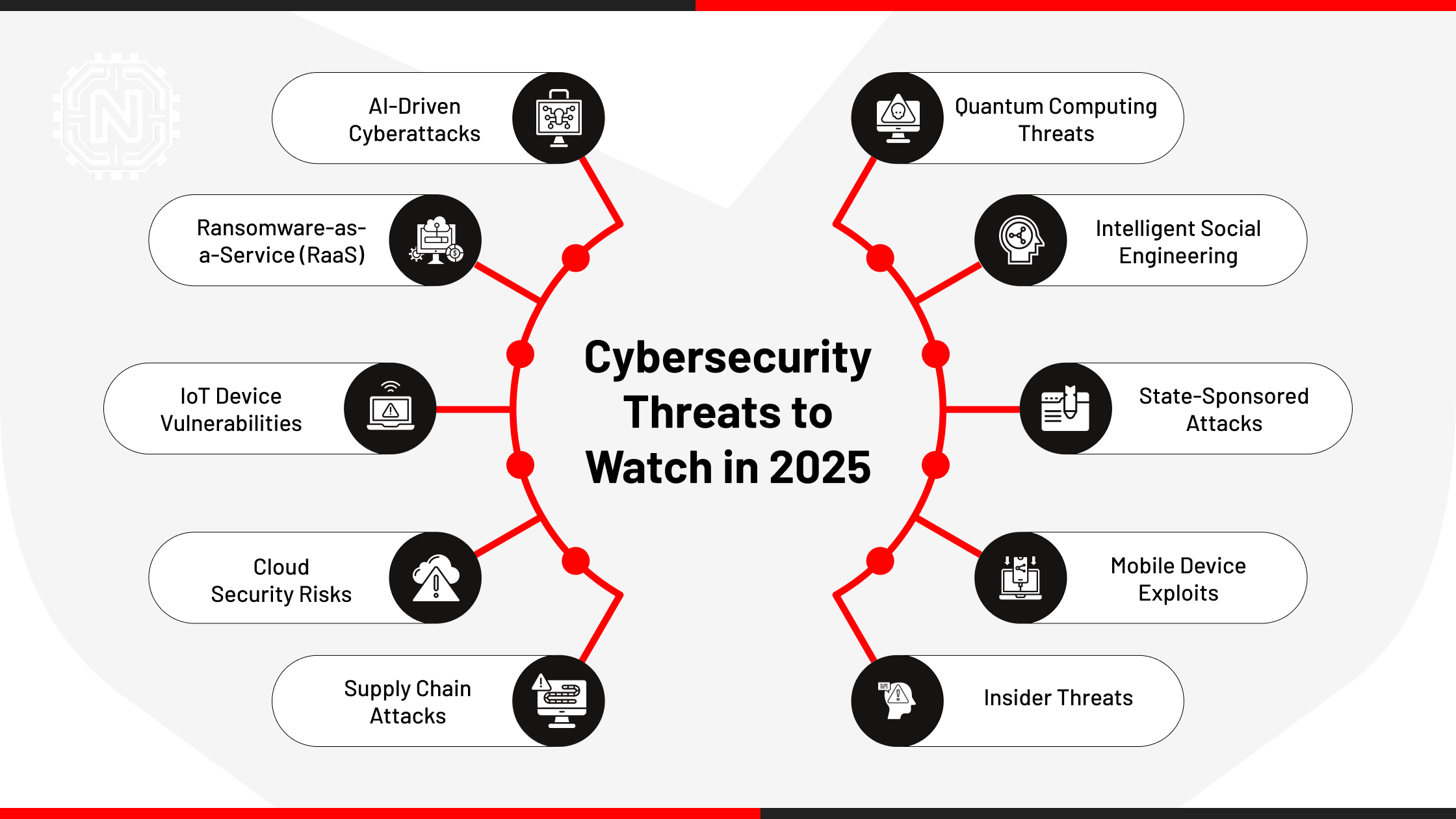
However, attackers are also using AI to enhance their tactics. Automated tools can generate convincing phishing emails or identify vulnerabilities in systems. This arms race between defenders and attackers makes it essential for organizations to continually invest in cybersecurity solutions.
As AI technology evolves, its impact on cybersecurity will be profound. Organizations must stay informed about these developments and adapt their strategies accordingly.
Best Practices for Cybersecurity in 2026
To combat the rising tide of cybersecurity threats, organizations should adopt several best practices. First, conducting regular security audits can help identify vulnerabilities and ensure compliance with industry standards.
Implementing multi-factor authentication (MFA) is another effective measure. MFA adds an extra layer of security, making it more challenging for attackers to gain unauthorized access.
Additionally, developing an incident response plan is crucial. This plan outlines the steps to take in the event of a security breach, minimizing damage and ensuring a swift recovery.
Finally, fostering a culture of cybersecurity awareness among employees can significantly reduce risks. Regular training sessions and updates on emerging threats will empower employees to recognize and report suspicious activity.
Conclusion
As we navigate 2026, understanding the evolving landscape of cybersecurity threats is crucial. By adopting proactive measures and fostering a culture of awareness, organizations can better protect themselves against these emerging challenges.
Frequently Asked Questions
What are the main cybersecurity threats in 2026?
In 2026, key threats include ransomware attacks, supply chain vulnerabilities, and advanced phishing schemes.
How can businesses protect against cybersecurity threats in 2026?
Businesses can enhance protection by implementing strong access controls, regular software updates, and employee training.
What role does AI play in cybersecurity threats in 2026?
AI is increasingly used by cybercriminals to automate attacks, making them faster and more sophisticated.
Are personal devices at risk from cybersecurity threats in 2026?
Yes, personal devices are vulnerable, especially with the rise of IoT devices lacking adequate security measures.
What are the signs of a cybersecurity breach in 2026?
Signs include unusual account activity, slow system performance, and unexpected data changes.
How is the government addressing cybersecurity threats in 2026?
Governments are enhancing regulations, promoting public-private partnerships, and investing in cybersecurity infrastructure.
What industries are most affected by cybersecurity threats in 2026?
Healthcare, finance, and manufacturing are particularly vulnerable due to sensitive data and interconnected systems.
What future trends should we expect in cybersecurity threats beyond 2026?
Future trends may include increased automation of attacks, more sophisticated social engineering tactics, and greater emphasis on data privacy. For more on Cybersecurity, explore Newtechzy. You can also review our Privacy Policy and Cookie Policy, or learn more About us.
Related Topics
Stay informed and protect your data. Explore more on our site for the latest trends and strategies in cybersecurity.
Start Your Journey Today!


