

Quick Summary
- Supply chain attacks increased by 35% in 2026, exposing vulnerabilities.
- New malware strains target supply chain management software.
- Organizations face complex vendor risk landscapes and need robust controls.
- Zero Trust models are now essential for supply chain security.
- Real-time monitoring and AI-driven detection are critical.
- Regulators are tightening rules around supply chain cybersecurity.
Supply chain cybersecurity in 2026 faces a sharper threat landscape than ever before. Recent incidents reveal that attackers are increasingly targeting software and hardware suppliers, exploiting vulnerabilities across entire networks. This trend underscores the need for organizations to adapt quickly, implementing advanced security measures to safeguard their operations.
As supply chains become more interconnected through digital transformation, their attack surface expands. From third-party vendors to IoT devices, each link represents a potential entry point for cybercriminals. Staying ahead requires not only understanding these risks but also deploying proactive defenses that can adapt to evolving tactics.
Supply chain cybersecurity in 2026: Background and evolving threats
Over the past few years, supply chain attacks have shifted from isolated incidents to widespread threats impacting global commerce. High-profile breaches, such as the 2025 attack on a major logistics provider, demonstrated how vulnerabilities in third-party software can cascade into catastrophic disruptions.
Attackers now leverage sophisticated malware, supply chain-specific exploits, and AI-driven tactics to breach organizations. The rise of IoT devices and remote management tools further complicates the security landscape, creating new vulnerabilities that are often overlooked in traditional defenses.
According to CISA, supply chain attacks have increased by 35% in 2026, emphasizing the urgent need for comprehensive risk management and resilient infrastructure. Organizations must reassess their supply chain security posture regularly, considering both external threats and internal weaknesses.
To learn more about the core risks, visit our detailed guide on Supply Chain Cybersecurity in 2026: Key Risks and Strategies.
Key Facts About Supply Chain Threats in 2026
- Supply chain cyberattacks surged by 35% in 2026.
- Major vulnerabilities stem from third-party software and IoT devices.
- Attackers use AI to craft more convincing phishing and malware.
- Regulators are imposing stricter cybersecurity standards.
- Real-time detection and zero-trust models are critical.
"Supply chain security now requires a layered approach combining technology, process, and continuous monitoring."
Cybersecurity Expert
How do modern supply chain attacks work in 2026?
Modern supply chain attacks often start with compromised vendor software, which is then distributed to multiple clients. Attackers exploit software update mechanisms or insert malicious code into trusted components, making detection difficult.

Recent techniques include AI-driven spear-phishing targeting supply chain managers, along with malware that mimics legitimate updates to evade detection. IoT vulnerabilities are also exploited to gain access to internal networks, especially in logistics and manufacturing sectors.
Understanding these mechanics is vital. For example, the 2025 breach on a major hardware supplier involved malicious firmware updates that bypassed traditional security controls. This highlights the importance of secure firmware and software validation processes.
For practical steps, organizations should implement strict vendor vetting, code signing, and continuous monitoring. Learn more in our guide on Supply Chain Security in 2026: Key Strategies and Risks.
Supply Chain Attack Methods Compared
- Software supply chain attacks: Infiltrate update mechanisms.
- Hardware tampering: Insert malicious chips or firmware.
- IoT exploitation: Use connected devices for network access.
- Phishing campaigns: Target supply chain personnel directly.
- Third-party compromises: Exploit less-secure vendors.
"Attackers are now leveraging AI to craft highly convincing, targeted supply chain exploits."
Security Analyst
What are the official responses and current security measures?
In response to rising threats, governments and industry groups have issued new cybersecurity standards. The NIST Supply Chain Security Framework now emphasizes zero-trust architecture, continuous monitoring, and third-party risk assessments.
Major companies are adopting AI-based detection systems, multi-factor authentication, and encrypted firmware updates. Supply chain audits and vendor risk management programs have become mandatory in many sectors.
Regulatory bodies like the FCC and EU GDPR are enforcing stricter compliance requirements, with penalties for non-compliance rising significantly. Staying ahead involves integrating these standards into regular security practices.
For detailed compliance guidance, see our article on Zero Trust Security in 2026: Critical Strategies for Protection.
Regulatory Focus on Supply Chain Security
- New standards emphasize zero-trust and continuous monitoring.
- Vendor risk assessments are now mandatory.
- Regulators impose hefty penalties for breaches.
- Organizations must comply with international frameworks.
"Regulatory bodies are now demanding proactive, layered defenses for supply chain security."
Cybersecurity Policy Expert
Implications for businesses and practical defense strategies
Businesses must prioritize supply chain cybersecurity to prevent costly disruptions. Implementing multi-layered defenses, including zero-trust models, is no longer optional but essential.
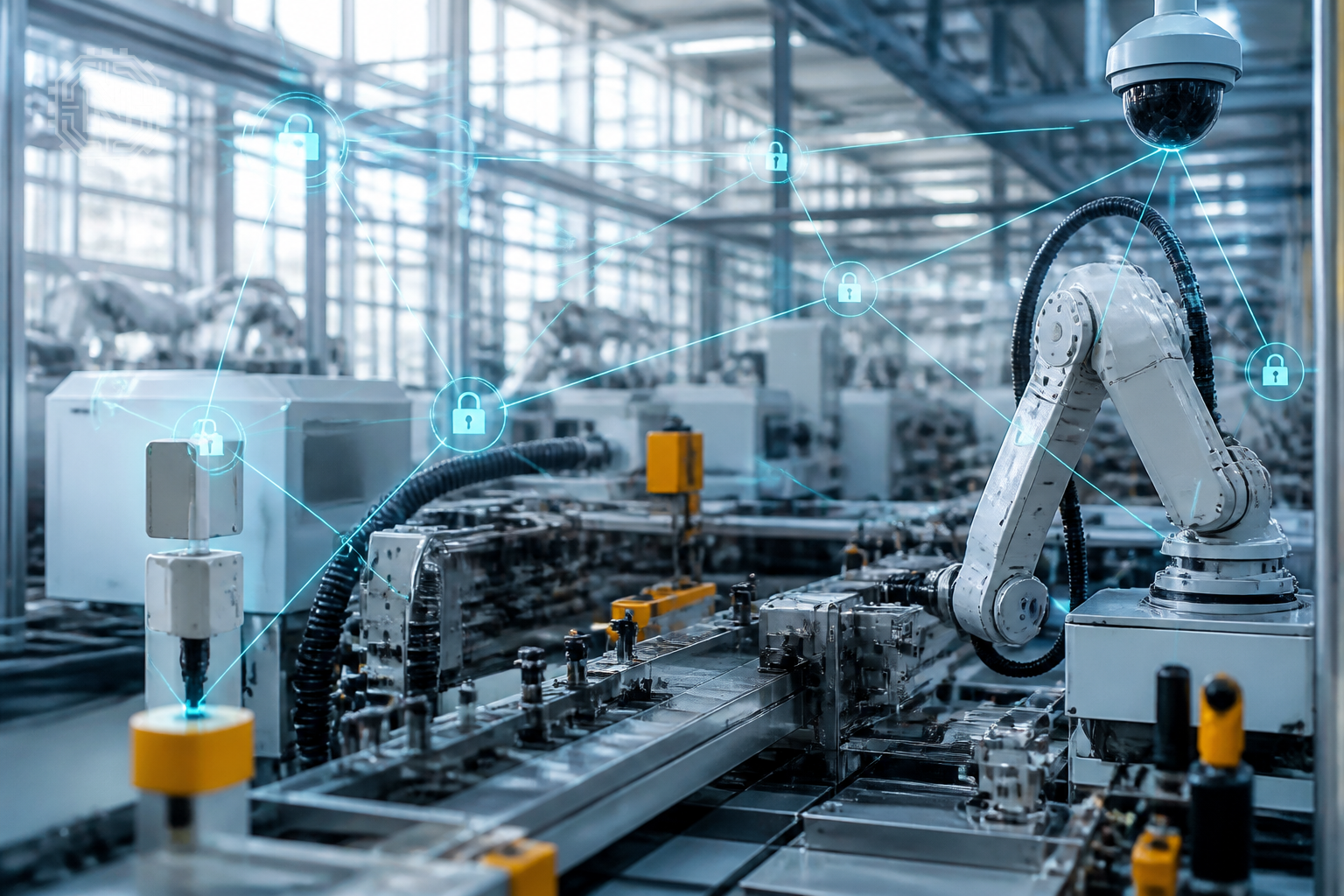
Practical measures include deploying AI-powered monitoring tools, conducting regular vendor assessments, and establishing incident response plans. Educating staff on supply chain risks further strengthens defenses.
Case studies show that companies with proactive security programs suffer less damage and recover faster after breaches. For example, firms that adopted real-time monitoring avoided major operational outages in 2026.
To stay protected, organizations should review their security posture regularly and align with industry best practices. Learn more at Supply Chain Cyberattack Risks in 2026.
Why Supply Chain Security Matters More Than Ever
- Supply chain breaches can disrupt entire industries.
- Costly recovery and reputational damage are common.
- Regulatory fines are increasing for non-compliance.
- Proactive defenses reduce overall risk.
"A layered, proactive security approach is essential to defend against today's sophisticated supply chain threats."
Cybersecurity Strategist
Future outlook: AI, IoT, and emerging threats in supply chain security
The future of supply chain cybersecurity will be shaped by AI, IoT, and quantum computing. Attackers are already developing AI-powered malware that adapts in real-time, making detection harder.
IoT devices, if not properly secured, will continue to be a significant vulnerability, especially in manufacturing and logistics. The adoption of 5G and edge computing will accelerate this trend.
Experts warn that quantum computing, once viable, could break current encryption standards, necessitating new cryptographic methods. Staying ahead requires investment in quantum-resistant algorithms and continuous innovation.
Organizations should prepare by adopting adaptive security architectures, investing in AI-driven defense tools, and staying informed about emerging technologies. For more insights, see our Zero Trust Security in 2026 overview.
Emerging Technologies and Threats in 2026
- AI attacks are becoming more sophisticated and autonomous.
- IoT vulnerabilities persist in manufacturing sectors.
- Quantum computing poses future cryptography risks.
"The next frontier in supply chain cybersecurity involves AI and quantum-resistant security measures."
Cybersecurity Futurist
Editorial Sources
- CISA — Cybersecurity and Infrastructure Security Agency
- NIST — National Institute of Standards and Technology
- FCC — Federal Communications Commission
- EU GDPR — General Data Protection Regulation
- Wikipedia — Supply Chain Security
- Support page — Supply Chain Security Framework
- Supply Chain Security — Cybersecurity & Infrastructure Security Agency
Conclusion
Supply chain cybersecurity in 2026 demands constant vigilance and adaptation. As threats evolve with new technologies, organizations must embrace layered defenses, regulatory compliance, and innovative detection tools. Staying ahead today means avoiding costly disruptions tomorrow.
Frequently Asked Questions
What are common supply chain cybersecurity threats in 2026?
Threats include AI-driven malware, third-party software vulnerabilities, IoT device exploits, and supply chain-specific malware attacks.
How can companies defend against supply chain cyberattacks?
Implement zero-trust architecture, conduct regular vendor assessments, deploy AI-based detection, and enforce strict software validation.
Are supply chain attacks increasing in 2026?
Yes, recent data shows a 35% rise in supply chain cyberattacks, driven by sophisticated tactics and expanding attack surfaces.
What role does regulation play in supply chain security?
Regulators enforce standards like NIST and GDPR, requiring organizations to adopt comprehensive risk management and security controls.
What future threats should supply chain security prepare for?
Emerging threats include AI-powered attacks, IoT vulnerabilities, and quantum computing risks to encryption.
What is zero-trust security in supply chains?
Zero-trust security verifies every access request, continuously monitors activity, and minimizes trust in any network component.
How important is real-time monitoring for supply chain security?
It’s critical for detecting and responding to threats quickly, preventing breaches from escalating.
What are the best practices for vendor risk management?
Conduct thorough assessments, require security certifications, and enforce strict access controls for third-party vendors. For more on Cybersecurity, explore Newtechzy. You can also review our Privacy Policy and Cookie Policy, or learn more About us.
Related Topics
Stay informed and protect your supply chain with proactive cybersecurity measures. Explore our detailed guides and expert insights to strengthen your defenses now.
Start Your Journey Today!


