

Quick Summary
- AI app marketplaces are now central to app discovery in 2026.
- Personalization algorithms tailor app suggestions to user behavior.
- Developers face new challenges in visibility and monetization.
- Smarter algorithms improve user engagement and retention.
- Major players include Google, Apple, and emerging startups.
- Future trends point toward decentralized app ecosystems.
The AI app marketplace landscape in 2026 has radically shifted how users discover and engage with apps. Unlike traditional app stores, AI-powered platforms now offer hyper-personalized recommendations based on real-time user data, making app discovery faster and more relevant.
This transformation impacts developers, consumers, and the entire ecosystem, with new opportunities and challenges emerging on all fronts. From improved user retention to increased competition, understanding these shifts is crucial for anyone involved in app development or digital distribution.
H2: AI App Marketplace 2026: The Future of App Discovery and Personalization
In 2026, AI app marketplaces have become the primary channels for app discovery, replacing or supplementing traditional stores like Google Play and Apple App Store. These platforms leverage advanced machine learning models to analyze user behavior, preferences, and contextual data to deliver tailored app recommendations.
Major platforms like Google and Apple have integrated AI-driven algorithms that learn continuously, ensuring users see the most relevant apps for their needs. This shift is driven by consumer demand for personalized experiences and the competitive pressure to stand out in crowded marketplaces.
For developers, this means optimizing app metadata, reviews, and engagement metrics has become more critical than ever. Platforms now prioritize apps that demonstrate high user satisfaction and engagement, often using AI to surface quality over quantity.
Additionally, emerging decentralized marketplaces powered by blockchain technology are gaining traction, offering more transparent and user-controlled app ecosystems. These platforms aim to reduce gatekeeping and provide new revenue models for developers.
To explore how AI algorithms influence app ranking, see our detailed comparison of AI app store features and their impact on discoverability.
Key Facts About AI App Marketplaces in 2026
- Personalized recommendations increase app engagement by up to 30%.
- Decentralized app stores are emerging as alternatives to traditional platforms.
- App metadata and reviews significantly influence AI-driven ranking.
- Major players invest heavily in AI to enhance user experience.
"AI-driven app discovery is making it easier for users to find relevant apps quickly."
Tech Industry Analyst
H2: How AI Algorithms Are Changing App Discovery Mechanics
At the core of the AI app marketplace evolution are sophisticated algorithms that analyze vast amounts of user data in real time. These models consider factors like browsing history, app usage patterns, social connections, and even contextual cues such as location and time of day.
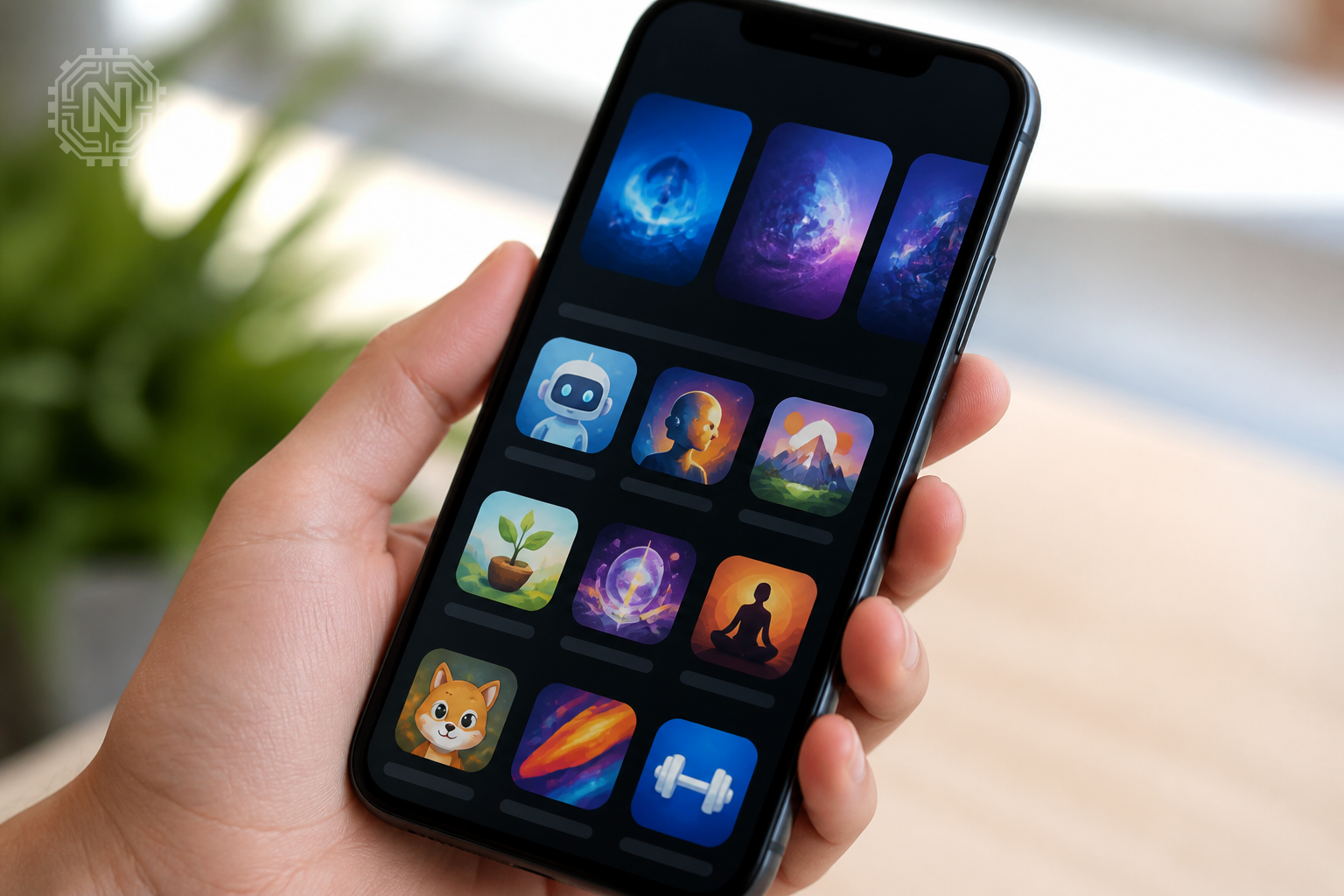
Machine learning models then generate personalized app suggestions, which are continuously refined as more data becomes available. This dynamic process ensures that users see increasingly relevant recommendations, often before they even realize what they’re looking for.
One significant advancement is the use of natural language processing (NLP) to understand user reviews and feedback, enabling platforms to rank apps not just by downloads but by genuine user sentiment and satisfaction.
Developers need to optimize their app listings for these AI models, focusing on high-quality reviews, engagement metrics, and contextual relevance. This shift has prompted a new era of app marketing, where organic visibility depends heavily on user experience and AI-friendly metadata.
For a deeper dive, read about how AI productivity apps leverage similar algorithms to improve user retention.
Why AI-Driven Discovery Matters
- Enhances user experience with highly relevant app suggestions.
- Increases competition among developers for visibility.
- Reduces reliance on traditional app store optimization.
- Encourages higher quality apps through AI-based ranking.
"AI algorithms are now the gatekeepers for app visibility and user engagement."
Senior Tech Researcher
H2: Practical Implications for Developers and Users in 2026
For developers, the rise of AI app marketplaces means focusing on user-centric design, quality reviews, and active engagement. Optimizing app metadata with relevant keywords and encouraging positive feedback can significantly improve AI-driven rankings.
Platforms also offer new tools for developers, such as AI analytics dashboards that provide insights into user behavior and preferences. These tools help tailor updates and marketing strategies more effectively.
Users benefit from faster, more accurate app discovery tailored to their habits and needs. This personalization reduces app fatigue and helps users find valuable apps without sifting through countless options.
However, there are concerns about privacy and data security, especially as AI models analyze extensive personal data. Regulatory frameworks are evolving to address these issues, emphasizing transparency and user control.
To learn how to adapt your app for AI marketplaces, visit our guide on app personalization strategies in 2026.
Pros and Cons of AI-Powered App Discovery
- Pro: Highly relevant app recommendations increase satisfaction.
- Con: Heavy reliance on user data raises privacy concerns.
- Pro: Developers gain better insights into user preferences.
- Con: Competition for visibility intensifies.
"Personalized app discovery is improving user experience but must be balanced with data privacy."
Cybersecurity Expert
H2: Future Outlook: What’s Next for AI App Marketplaces?
The trajectory of AI app marketplaces points toward greater decentralization, smarter algorithms, and deeper personalization. Emerging technologies like federated learning aim to improve privacy while maintaining recommendation quality.

Blockchain-based app ecosystems could challenge existing giants by offering more transparent and user-controlled environments. Meanwhile, AI will continue to evolve, enabling even more intuitive and anticipatory app suggestions.
Regulatory developments will shape how data is used, with increased emphasis on privacy and user rights. Developers and platform owners must stay agile to adapt to these shifts.
Stay tuned for updates on how these trends unfold, and explore our coverage of AI marketplaces in 2026 and beyond.
Future Trends in AI App Marketplaces
- Decentralization and blockchain integration will grow.
- Privacy-preserving AI models will become standard.
- User control over data will increase.
- Smarter, anticipatory recommendations will dominate.
Editorial Sources
Conclusion
AI app marketplaces in 2026 are fundamentally changing how apps are discovered, ranked, and interacted with. For developers, adapting to these new algorithms is essential for visibility and growth. Users enjoy more relevant suggestions, but privacy concerns remain a key issue. Staying informed about these shifts is crucial as the ecosystem continues to evolve.
Frequently Asked Questions
How do AI algorithms improve app discovery in 2026?
They analyze user data in real time to deliver highly personalized app recommendations based on behavior and preferences.
Are decentralized app marketplaces gaining popularity?
Yes, blockchain-based platforms are emerging as transparent, user-controlled alternatives to traditional app stores.
What should developers focus on to succeed in AI marketplaces?
Optimizing app metadata, encouraging positive reviews, and engaging users are key for better AI-driven rankings.
How does AI impact app ranking compared to traditional stores?
AI uses real-time engagement and sentiment analysis, making rankings more dynamic and personalized.
Are privacy concerns a big issue with AI app marketplaces?
Yes, extensive data analysis raises privacy questions, prompting new regulations and user control measures.
What future trends are expected in AI app marketplaces?
Decentralization, smarter algorithms, and privacy-preserving AI models will shape future ecosystems.
Can niche or emerging apps benefit from AI-driven marketplaces?
Absolutely, AI algorithms can surface lesser-known apps, increasing visibility for innovative developers.
How can users find relevant apps faster in 2026?
Personalized recommendations based on behavior and context help users discover valuable apps quickly. For more on Apps & Software, explore Newtechzy. You can also review our Privacy Policy and Cookie Policy, or learn more About us.
Related Topics
Discover more about AI-driven app ecosystems and how they can benefit your projects. Stay ahead by following our latest updates and insights.
Start Your Journey Today!


