

Quick Summary
- Vietnam is considering a draft rule that would stop users under 16 from posting, commenting or reacting on social media.
- Under-16 accounts would need to use a parent or legal guardian’s registration information.
- Platforms could be required to identify child users, apply maximum privacy settings and deliver age-appropriate content.
- Meta and TikTok have reportedly asked Vietnam to consider graduated safeguards instead of a blanket interaction ban.
- The proposal is not yet final and may change before adoption.
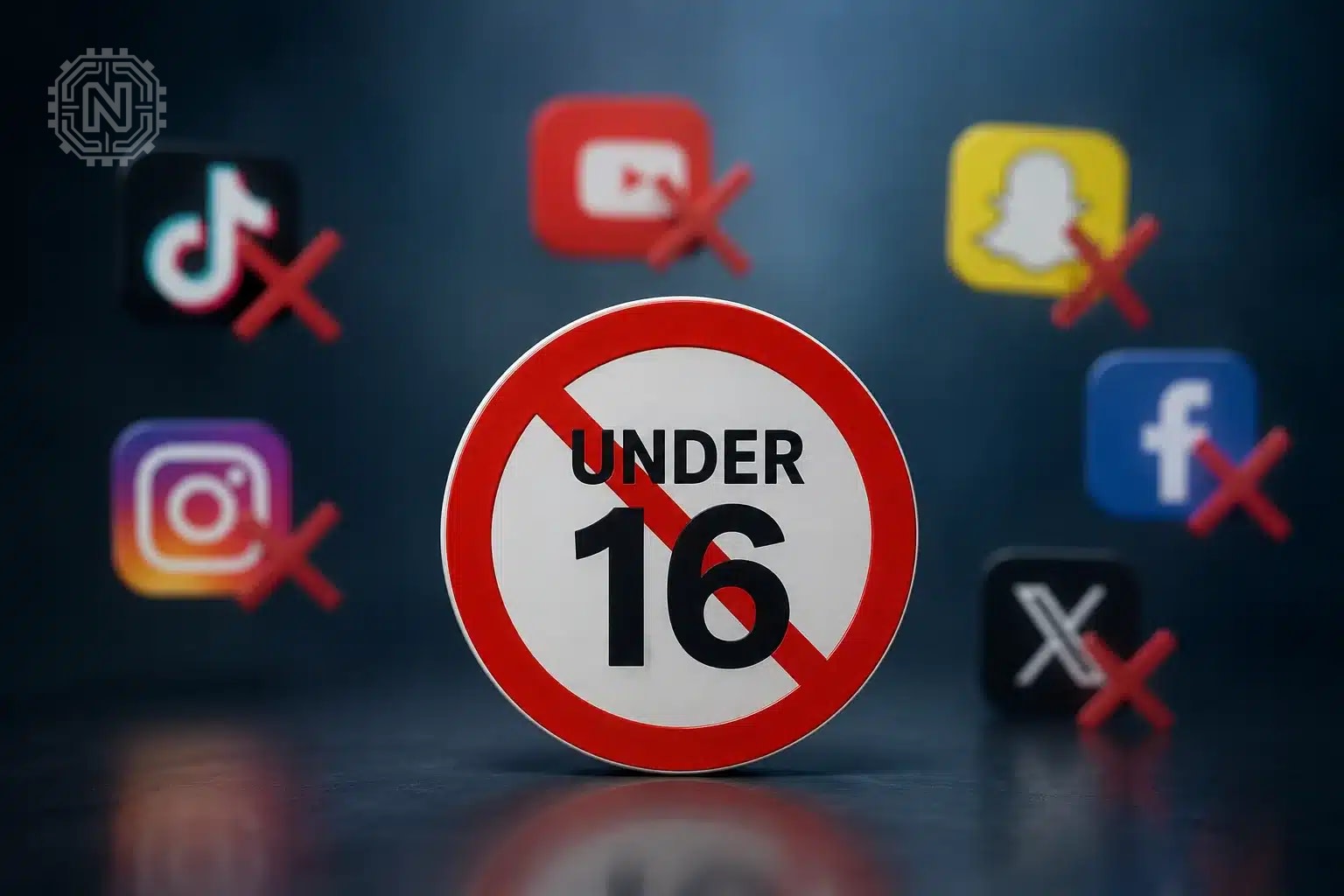
Vietnam is preparing one of Southeast Asia’s most closely watched child-safety proposals for social media. Under a draft decree, platforms operating in the country could be required to prevent users younger than 16 from posting content, commenting, interacting with other users or reacting to posts.
The proposed Vietnam under-16 social media ban is not described by officials as a complete block on internet access. Instead, the government says the objective is to place children in an age-appropriate digital environment while reducing exposure to harmful content and online risks.
The distinction matters. The draft appears to target interactive features—the tools that let users publish, reply, like and engage—rather than simply preventing every child from viewing online content. However, the final wording, enforcement method and implementation date have not yet been confirmed.
📌 Important Facts
- Status: Draft proposal, not a final law.
- Age group: Social media users under 16.
- Restricted actions: Posting, commenting, reacting and interacting.
- Account registration: Parent or guardian information would be required.
- Platform responsibility: Age identification, privacy safeguards and harmful-content controls.
What Is Vietnam Proposing?
The draft decree would amend parts of Vietnam’s existing rules for managing and using internet services. Its most significant change for families and technology companies is a proposed ban on interactive social media activity by children under 16.
Under the plan, a child account could not independently publish a status update, upload a public post, write a comment, react with a like or emoji, or interact with other users in the same way as a standard adult account. Platforms would be responsible for building technical controls that make those restrictions work.
Vietnamese officials have framed the proposal as a child online safety measure. The draft also calls for the strongest available privacy protections for child accounts and proactive blocking of material connected to violence, pornography, gambling, drugs, suicide and other harmful subjects.
| Area | Proposed Requirement |
|---|---|
| Who is affected? | Social media users younger than 16 in Vietnam. |
| What actions may be blocked? | Posting, commenting, reacting and other user-to-user interaction. |
| How are accounts registered? | Using information belonging to a parent or legal guardian. |
| What must platforms detect? | Child users and content that is inappropriate for their age. |
| What privacy level applies? | The highest available level of privacy protection for child accounts. |
| Is the rule final? | No. The decree remains under consultation and may be revised. |
What Under-16s Could and Could Not Do
The proposal is widely described as a ban on children posting on social media, but the practical effect is broader. It could turn an under-16 account into a heavily restricted, view-focused account with limited or no public interaction.
Activities likely to be restricted
- Publishing public posts, videos, photos or status updates.
- Commenting on another user’s content.
- Reacting with likes, hearts, emojis or similar engagement tools.
- Interacting with other users through features covered by the final decree.
Activities that may remain available
Officials have said the primary goal is not to completely prevent children from accessing social media. This suggests that viewing age-appropriate content may remain possible. The final decree will need to define whether private messaging, educational communities, family groups, livestream viewing and other hybrid features are included or exempted.
💡 Why This Matters
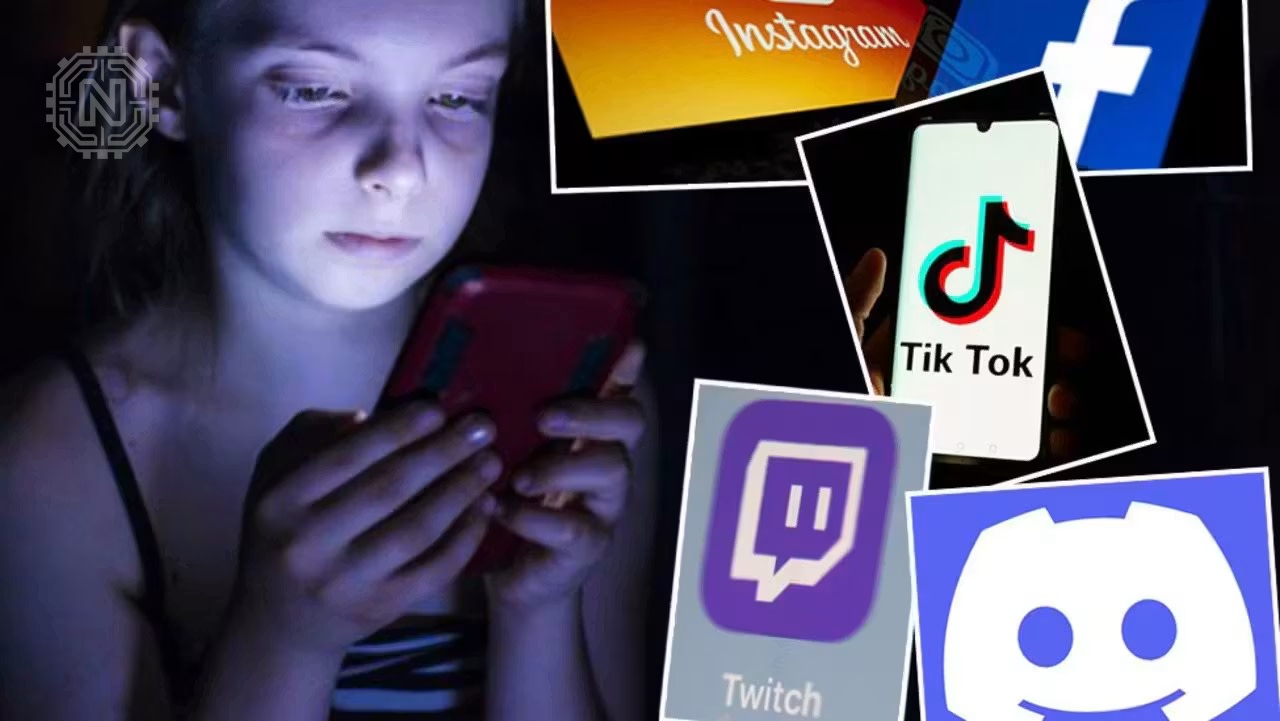
Social platforms are built around participation. Removing the ability to post, comment or react would change how young users learn, communicate and express themselves online. It could reduce exposure to bullying and harmful engagement, but it may also limit positive participation in educational and support communities.
How Parental Registration Would Work
Children under 16 would not register social media accounts using their own personal details. A parent or legal guardian would provide the required information and take responsibility for supervising what the child views and how much time the child spends on the platform.
This model is not entirely new in Vietnam. Existing rules already require a parent or guardian to register an under-16 social media account using their information. The new draft would go further by limiting what the child account can actively do after registration.
For parents, the change could mean more direct responsibility for account setup, privacy settings, screen-time controls and content supervision. For platforms, it creates a complex identity question: the registered identity belongs to an adult, but the actual user may be a child.
What Social Media Platforms May Have to Do
The proposed rules place much of the compliance burden on social media companies rather than on children. Domestic and overseas platforms serving users in Vietnam may need to redesign account flows, moderation systems and age-assurance technology.
1. Identify child users
Platforms would need technical measures to determine whether an account is being used by a child. That could involve a combination of verified registration data, age estimation, behavioral signals, parental controls and risk-based checks.
2. Deliver age-appropriate content
Recommendation systems may need separate settings for minors. Content feeds for child accounts could face stricter filtering, reduced personalization and stronger limits on potentially addictive or harmful material.
3. Apply maximum privacy protection
Child accounts may need to default to private profiles, limited discoverability, restricted contact from strangers and tighter controls over personal data.
4. Proactively detect harmful material
The draft calls for platforms to detect, warn about and block content linked to serious risks such as violence, sexual material, gambling, illegal drugs and self-harm.
5. Cooperate when child abuse is detected
Platforms could also be expected to preserve relevant information and cooperate with authorities when signs of online child abuse or exploitation are found.
Why Vietnam Is Tightening Child Online Safety
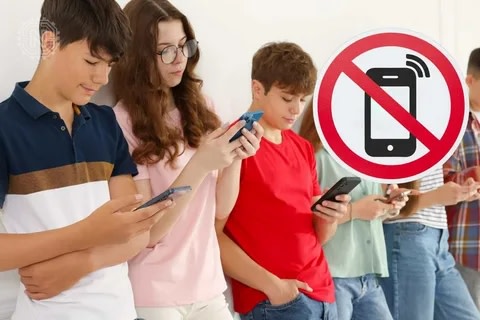
Governments around the world are under pressure to respond to cyberbullying, harmful recommendation systems, addictive design, privacy risks and the mental-health effects associated with heavy social media use. Vietnam’s draft fits within that broader regulatory shift.
Officials argue that children require stronger safeguards because they may be more vulnerable to manipulative design, unwanted contact, misinformation and disturbing content. The government’s stated approach is to create an environment where young users can still benefit from online information while facing fewer interactive risks.
The proposal is designed to create an age-appropriate environment, not simply to disconnect every child from online services.
Summary of the government’s stated policy objective
Meta, TikTok and Industry Response
The technology industry has raised concerns about a blanket ban on interaction. Meta reportedly argued that engagement signals can help platforms identify younger users and activate child-specific safety systems. If children believe a minor account is too limited, they may falsely claim to be older and move into less-protected adult account settings.
Meta has suggested alternatives such as stronger default privacy, harmful-content filtering, limits on messages from strangers, screen-time controls and parental supervision tools. The company also reportedly questioned whether a proposed 120-day transition would provide enough time to change large-scale systems without mistakenly suspending adult accounts.
TikTok has similarly urged policymakers to consider the developmental and educational benefits of online participation. It pointed to parental supervision features and requested additional preparation time if the final rules require major product or infrastructure changes.
⚖️ Potential Benefits and Risks
Possible benefits
- Less exposure to public bullying, harassment and harmful engagement.
- Stronger privacy and parental supervision for child accounts.
- Greater pressure on platforms to improve age assurance and content safety.
Possible risks
- Children may enter false ages to avoid restrictions.
- Age checks could create privacy and data-security concerns.
- Young users may lose access to positive educational or support communities.
- Platforms could mistakenly restrict legitimate adult accounts.
How This Builds on Decree 147
Vietnam already requires authenticated social media accounts for users who want to post or share information. Decree No. 147/2024/ND-CP introduced phone-number or identity-based authentication and required parents or guardians to register accounts used by children under 16.
The 2026 proposal would strengthen that framework. Instead of only requiring adult-supervised registration, it would directly restrict the child account’s ability to publish and interact. Vietnam’s newer cybersecurity framework also emphasizes parental responsibility and platform duties to prevent online harm to children.
This creates a layered system: verified identity, guardian-linked registration, child-specific privacy settings, age-appropriate content and limits on interactive features.
Global Context and Implementation Challenges
Vietnam is not acting alone. Australia’s under-16 social media age restrictions took effect in December 2025, requiring covered platforms to take reasonable steps to stop under-16s from creating or keeping accounts. Other governments are considering different age thresholds and platform obligations.
Vietnam’s proposal is different because it appears to allow some level of access while blocking core participation tools. That approach may be less restrictive than a full account ban, but it can be harder to implement because platforms must distinguish between viewing, posting, reacting, messaging and other forms of interaction.
Age verification without excessive data collection
Accurate age assurance is difficult. Identity documents can exclude users who lack documentation, facial age estimation can make mistakes, and collecting additional personal data can create new privacy risks.
Preventing easy workarounds
Children may use an adult’s device, borrow an older person’s account or enter a false date of birth. Effective enforcement will require more than a simple age checkbox.
Protecting useful online participation
Social media can support education, creativity, peer communities and emergency communication. Regulators will need to define whether supervised groups, school accounts and child-focused platforms receive different treatment.
Online gaming is also included
The broader draft reportedly includes rules for online games. Operators may have to verify age, link under-16 accounts to a parent or guardian, and limit children to 60 minutes per day for games supplied by the same provider.
💡 Did You Know?
Vietnam’s existing rules already limit posting privileges to authenticated accounts. The new proposal would add a second layer by restricting interactive features specifically for users under 16.
What Happens Next?
The decree is still being reviewed and can be changed before it is adopted. Officials must decide the final scope of restricted features, the compliance deadline, the technical standards for age identification and the consequences for platforms that fail to comply.
The consultation process will also need to address industry concerns about false-age declarations, privacy, implementation time and accidental account suspensions. Until the government publishes final text and an effective date, families and platforms should treat the proposal as a developing policy rather than an active nationwide ban.
✅ Key Takeaways
- The Vietnam under-16 social media ban is currently a draft.
- It would block posting, commenting, reacting and certain interactions—not necessarily all viewing.
- Parents or guardians would register and supervise child accounts.
- Platforms would carry major responsibility for age assurance, privacy and harmful-content controls.
- The final rules may change after consultation with technology companies and child-safety stakeholders.
Conclusion
Vietnam’s proposal could create a new model for regulating children’s social media use: supervised access without full interactive participation. Supporters see stronger protection from harmful content, addictive engagement and cyberbullying. Critics warn that strict limits may push children toward false-age accounts, weaken positive online participation and increase privacy risks through aggressive age verification.
The final impact will depend on the details. A clear definition of covered platforms, privacy-preserving age checks, realistic implementation timelines and carefully designed exceptions could determine whether the policy improves child safety or simply moves young users into harder-to-monitor spaces.
Frequently Asked Questions
Has Vietnam already banned under-16s from posting on social media?
No. The restriction is part of a draft decree and may be revised before it becomes final.
What social media actions would be restricted?
The draft would prevent users under 16 from posting content, commenting, reacting and interacting with other users through covered features.
Would children under 16 still be able to view social media?
Officials say the aim is not a complete access ban. Age-appropriate viewing may remain available, but the final decree must define the exact limits.
Who would register an under-16 social media account?
A parent or legal guardian would register the account using their own information and supervise the child’s content and screen time.
What would social media platforms need to change?
Platforms may need stronger age identification, child privacy defaults, age-appropriate recommendations, interaction controls and proactive harmful-content blocking.
Why have Meta and TikTok raised concerns?
The companies argue that a blanket interaction ban could encourage false-age accounts and that large technical changes require more preparation time.
Does the proposal also cover online gaming?
Yes. The broader draft reportedly includes parental registration and a daily 60-minute limit for under-16s playing games provided by the same company.
Where can readers find more technology news?
Explore more Tech News on Newtechzy. You can also read our Privacy Policy, Cookie Policy and About page.
Related Topics
Follow the Latest Tech Policy Updates
Stay informed about social media regulation, digital safety and major technology developments affecting users worldwide.
Explore More Tech News


