


Quick Summary
- Chandrayaan 4 aims for a lunar sample return by 2028.
- ISRO expands its lunar exploration strategy with this mission.
- The mission will build on Chandrayaan 3's successes.
- International collaboration may enhance mission capabilities.
- Future implications for lunar research and resource utilization.
The Indian Space Research Organisation (ISRO) has announced plans for the Chandrayaan 4 mission, targeting a sample return from the Moon by 2028. This ambitious endeavor follows the success of Chandrayaan 3 and aims to deepen our understanding of lunar geology. Explore more News coverage on Newtechzy.
As global interest in lunar exploration surges, ISRO's upcoming mission positions India as a key player in space research. The initiative reflects a commitment to advancing scientific knowledge and potential resource extraction on the Moon.
Chandrayaan 4 Mission: A New Era of Lunar Exploration
The Chandrayaan 4 mission represents a significant leap in India's lunar exploration efforts. Designed to collect samples from the lunar surface, it aims to enhance our understanding of the Moon's composition and geological history. Scheduled for launch in 2028, the mission builds on the successes of earlier missions, particularly Chandrayaan 3, which successfully landed on the Moon in August 2023.
This mission will involve advanced technologies and methodologies for sample collection and return. ISRO plans to deploy a lander and rover equipped with state-of-the-art instruments to analyze the lunar surface and collect soil and rock samples.
Key Facts About Chandrayaan 4
- Launch Target: 2028
- Mission Type: Sample Return
- Predecessor: Chandrayaan 3
- Objective: Enhance lunar research
- Technologies: Advanced lander and rover
"The Chandrayaan 4 mission is a crucial step for India's space ambitions, focusing on lunar resources and research."
Senior Analyst, Space Research Institute
What Are the Objectives of Chandrayaan 4?
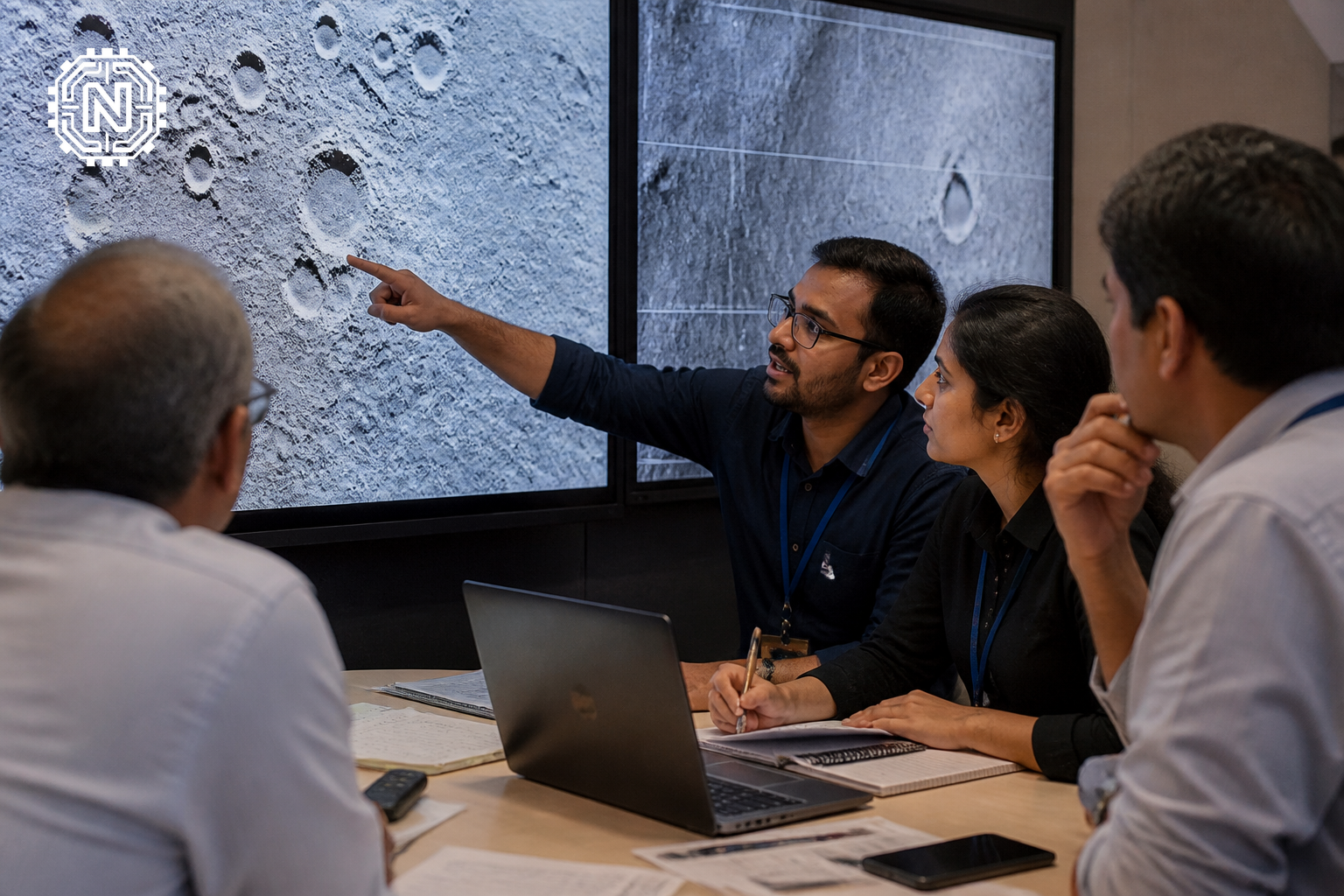
Chandrayaan 4's primary objective is to return samples from the Moon to Earth for in-depth analysis. This will provide insights into the Moon's formation and evolution, particularly in understanding the presence of water ice and other resources.
Why Is Sample Return Important?
Returning samples allows scientists to conduct detailed studies that are not possible with remote sensing. This mission will help fill knowledge gaps about lunar geology and potentially identify resources for future missions.
How Will Chandrayaan 4 Be Different from Its Predecessors?
Unlike Chandrayaan 3, which focused on landing and surface operations, Chandrayaan 4 will prioritize sample collection and return. This shift in focus marks a significant evolution in ISRO's lunar strategy.
Technological Advancements in Chandrayaan 4
The mission will utilize enhanced navigation systems and robotic technologies to ensure precise landing and effective sample collection. These improvements are essential for the challenges posed by the lunar environment.
International Collaborations and Support
ISRO is actively seeking collaborations with international space agencies and research institutions for Chandrayaan 4. These partnerships could provide additional expertise and resources, enhancing the mission's capabilities.
Potential Collaborators
Agencies like NASA and ESA have expressed interest in cooperating on various aspects of lunar exploration. Such alliances could lead to shared technology and data, benefiting all parties involved.
What Are the Broader Implications of the Mission?
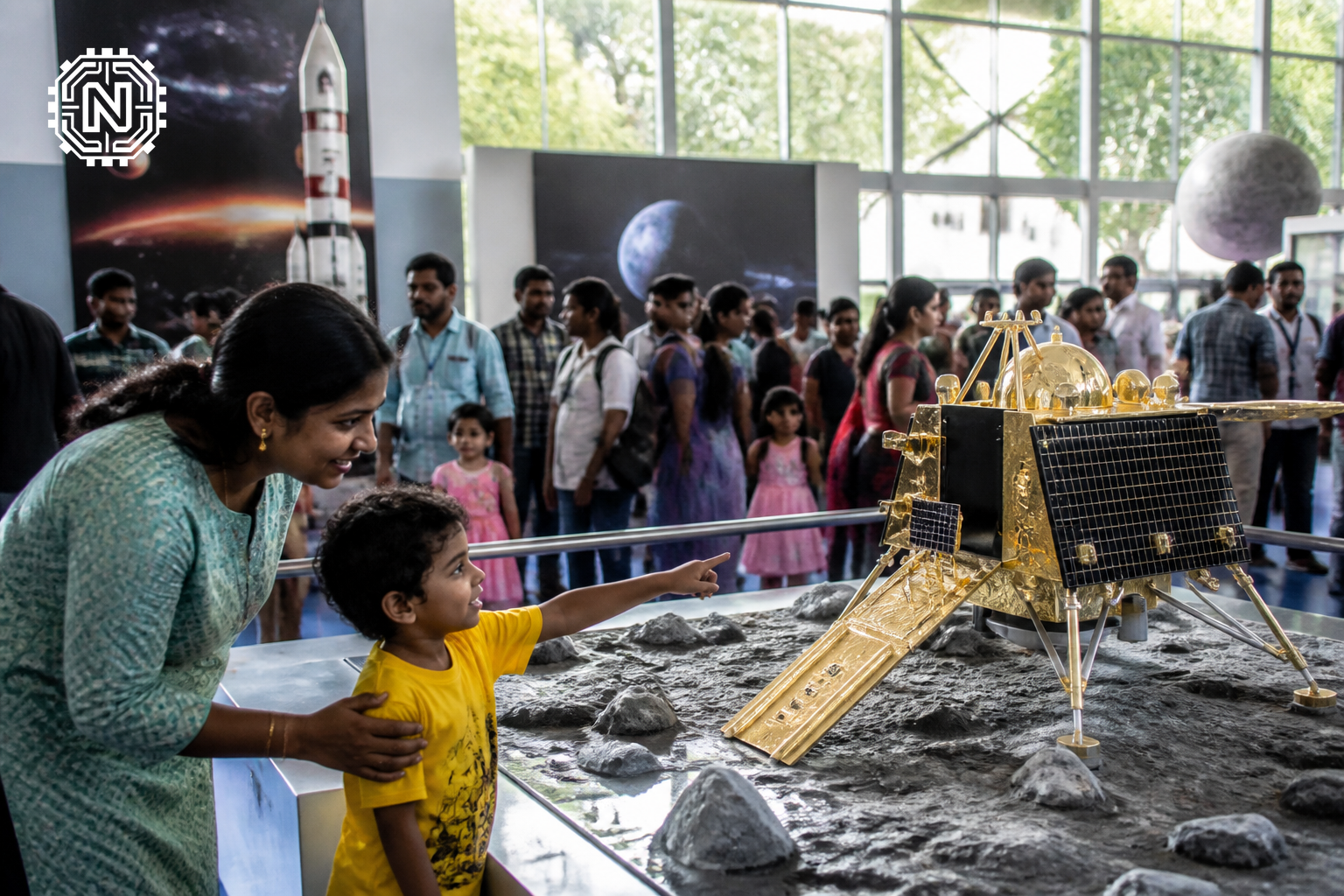
The successful execution of Chandrayaan 4 could have far-reaching implications for lunar exploration and resource utilization. As nations increasingly look to the Moon for potential resources, this mission could position India as a leader in lunar research.
Future Lunar Missions
Chandrayaan 4 could pave the way for subsequent missions aimed at establishing a more permanent human presence on the Moon. Insights gained from sample analysis may inform strategies for sustainable lunar habitation.
Public Interest and Inspiration
Public interest in space exploration is at an all-time high, and missions like Chandrayaan 4 play a crucial role in inspiring future generations. Educational initiatives linked to the mission will help engage students and young scientists in STEM fields.
Engaging the Next Generation
ISRO plans to launch outreach programs that will connect schools and universities with the mission. This engagement is vital for fostering interest in space science and technology among youth.
Conclusion
Chandrayaan 4 is not just a mission; it's a symbol of India's growing prowess in space exploration. As ISRO gears up for this ambitious project, the implications for lunar research and international collaboration are profound.
Frequently Asked Questions
What is the Chandrayaan 4 mission?
The Chandrayaan 4 mission is ISRO's upcoming lunar exploration project aimed at returning samples from the Moon by 2028.
When is the Chandrayaan 4 mission scheduled for launch?
ISRO plans to launch the Chandrayaan 4 mission in 2028, following the success of previous missions.
What are the main objectives of the Chandrayaan 4 mission?
The mission aims to collect lunar samples, analyze the Moon's geology, and study its surface composition.
How does Chandrayaan 4 differ from previous missions?
Unlike its predecessors, Chandrayaan 4 will focus specifically on sample return, enhancing our understanding of lunar resources.
What technology will be used in the Chandrayaan 4 mission?
ISRO plans to utilize advanced robotics and precision landing technology for the sample return process.
What will happen to the samples collected by Chandrayaan 4?
Samples will be returned to Earth for detailed analysis, contributing to lunar research and potential resource utilization.
How significant is the Chandrayaan 4 mission for lunar exploration?
This mission marks a critical step in India's lunar exploration, emphasizing sample return capabilities and international collaboration.
What challenges does ISRO face with the Chandrayaan 4 mission?
ISRO must overcome technical challenges related to landing precision, sample collection, and safe return of lunar material. For more on News, explore Newtechzy. You can also review our Privacy Policy and Cookie Policy, or learn more About us.
Related Topics
Stay updated on the latest developments in space exploration. Explore our articles or get in touch to learn more about Chandrayaan 4 and its significance.
Start Your Journey Today!


