

Quick Summary
- Regular cleaning improves energy output by removing dirt and debris.
- Inspect panels quarterly for damage or shading issues.
- Use appropriate cleaning tools to avoid scratching surfaces.
- Monitor system performance to catch potential faults early.
- Professional maintenance can extend system lifespan.
- Stay updated on new maintenance tech and best practices.
Maintaining your solar panels in 2026 isn’t just about keeping them clean; it’s about ensuring they perform at their best year-round. Proper upkeep can boost energy efficiency, prevent costly repairs, and prolong system life. This guide offers practical, expert-backed tips to keep your solar setup operating smoothly.
With solar technology advancing rapidly, staying on top of maintenance routines has become more important than ever. As more households and businesses depend on solar power, understanding how to care for your panels in 2026 can help you maximize your investment and reduce long-term costs.
H2: Solar Panel Maintenance in 2026: Why It Matters
Proper maintenance of solar panels in 2026 is essential for optimizing energy output and ensuring system longevity. Dirt, dust, and debris can significantly reduce efficiency, while damage or shading can cause uneven wear or faults. Regular checks and cleaning are vital for keeping your system at peak performance.
According to the Google Solar Support, regular inspections can catch issues early, preventing costly repairs and downtime. As solar technology becomes more sophisticated, so do maintenance practices, including remote monitoring and automated cleaning systems.
Learn more about the latest trends and tools in solar system care in our expert guide.
Key Facts About Solar Maintenance in 2026
- Cleaning frequency varies with climate but generally every 6-12 months.
- Inspect panels for cracks, discoloration, or shading issues quarterly.
- Use soft brushes and gentle cleaning solutions to avoid surface damage.
- Remote monitoring tools help detect performance drops early.
- Professional servicing extends system lifespan and maintains warranty.
"Consistent maintenance ensures your solar system remains efficient and reliable, saving you money and energy in the long run."
Renewable Energy Expert
H2: How to Properly Clean Your Solar Panels in 2026
Cleaning solar panels in 2026 involves more than just rinsing with water. Use soft microfiber cloths or brushes designed for delicate surfaces to prevent scratches. Avoid harsh chemicals; instead, opt for mild soap or specialized solar panel cleaning solutions.
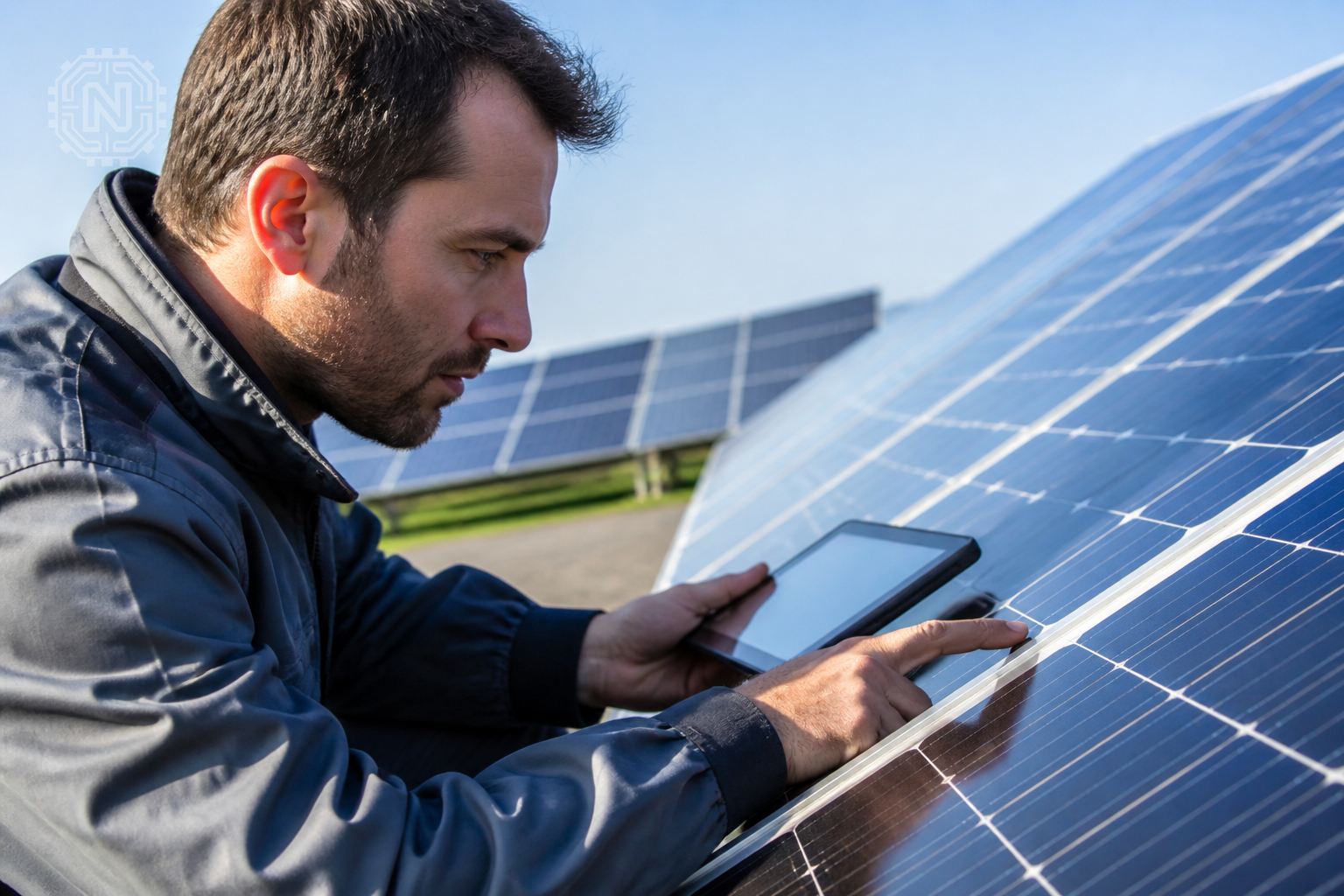
Timing matters. Early morning or late afternoon cleaning prevents rapid evaporation of water, reducing streaks. In dry climates, consider using compressed air or soft brushes to remove loose dust without water.
For a thorough clean, follow this simple routine:
- Turn off the system or follow manufacturer instructions.
- Use a gentle cleaning solution and a soft brush or cloth.
- Rinse with clean water to remove residue.
- Dry with a lint-free cloth for a streak-free finish.
Automated cleaning systems are gaining popularity, especially for large or hard-to-reach installations. These systems can be programmed to operate during optimal weather conditions, reducing manual effort.
Manual vs. Automated Cleaning Systems
- Manual cleaning is cost-effective but labor-intensive.
- Automated systems save time but require higher upfront investment.
- Both methods effectively maintain panel efficiency when used correctly.
- Automation reduces the risk of human error or damage.
"Regular cleaning is one of the simplest yet most effective ways to maintain solar panel efficiency."
Solar Maintenance Specialist
H2: How to Detect and Fix Common Solar Panel Issues in 2026
Identifying problems early can save you from expensive repairs. Common issues include shading, dirt accumulation, loose connections, and physical damage. Use remote monitoring tools to track performance drops and visually inspect panels for cracks or discoloration.
If you notice a significant decrease in energy output, check for shading from nearby trees or debris. Loose wiring or connectors can be tightened or replaced. Physical damage might require professional assessment and repair.
According to the Wikipedia article on solar panels, regular troubleshooting and maintenance can prevent system failures and optimize energy production.
Did You Know?
- Performance issues can often be fixed without replacing panels.
- Remote diagnostics can identify problems early.
- Proper fixing extends the lifespan of your system.
"Early detection of issues ensures minimal downtime and maximum efficiency."
Renewable Energy Engineer
H2: Future Trends in Solar Panel Maintenance for 2026 and Beyond
Emerging technologies are transforming solar maintenance. Automated cleaning robots, drone inspections, and AI-powered diagnostics are becoming more accessible. These innovations reduce labor costs and improve accuracy.
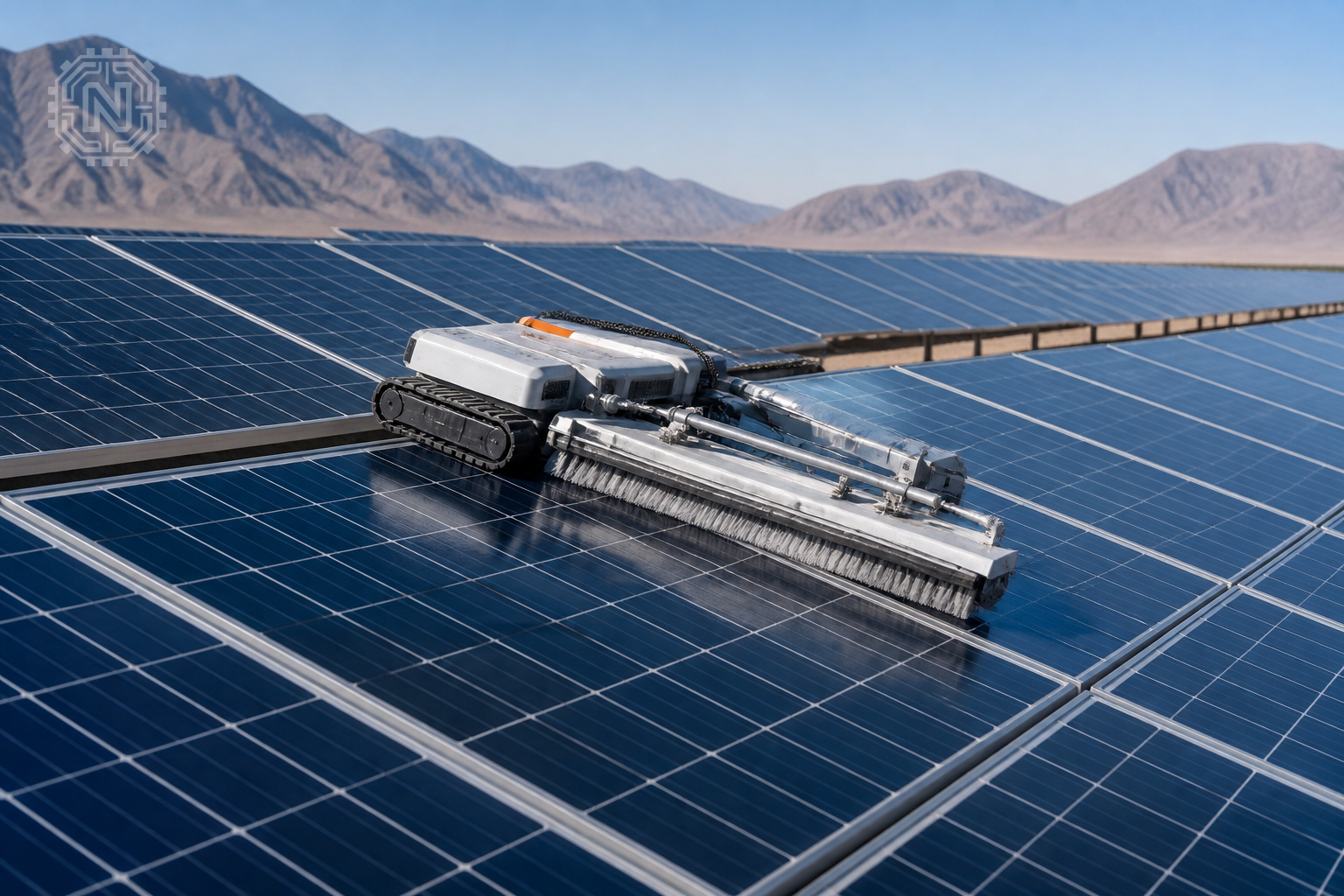
Smart sensors embedded in panels can provide real-time health data, alerting owners and technicians to issues immediately. Governments and manufacturers are investing heavily in these advancements to make solar systems more reliable and easier to maintain.
According to industry reports, the adoption of AI and robotics in solar maintenance is expected to increase by over 50% in the next few years, making system management more efficient and less labor-intensive.
Why Solar Maintenance Innovation Matters
- Reduces operational costs and downtime.
- Improves long-term energy output and system durability.
- Supports wider adoption of renewable energy.
"Advancements in maintenance tech are crucial for scaling solar energy globally."
Energy Tech Analyst
Editorial Sources
Conclusion
Maintaining your solar panels in 2026 involves a combination of regular cleaning, timely inspections, and leveraging new technologies. Staying proactive ensures maximum efficiency, longer lifespan, and a better return on your solar investment. Keep up with evolving best practices to stay ahead in renewable energy care.
Frequently Asked Questions
How often should I clean my solar panels in 2026?
Most panels should be cleaned every 6-12 months, depending on climate and dust levels.
Can I use household cleaning products on solar panels?
No, use mild soap and soft cloths or specialized cleaning solutions to avoid damage.
What are signs my solar system needs repair?
Reduced energy output, visible damage, loose wiring, or performance drops detected via monitoring.
Are automated cleaning systems worth it?
They save time and reduce manual effort but require higher initial investment.
How do I check for shading issues?
Inspect surroundings regularly, trim nearby trees, and use monitoring tools to detect shading.
Can I repair physical damage myself?
No, physical damage should be evaluated and repaired by a qualified technician.
What new tech is improving solar maintenance?
AI diagnostics, drone inspections, and robotic cleaning are leading innovations.
How can I extend my solar system’s lifespan?
Regular maintenance, timely repairs, and monitoring system performance help prolong it. For more on How-To, explore Newtechzy. You can also review our Privacy Policy and Cookie Policy, or learn more About us.
Related Topics
Explore more expert tips on solar efficiency or get in touch with our maintenance specialists to optimize your system today.
Start Your Journey Today!


