


Quick Summary
- 2026 sees major upgrades in foldable smartphone design and durability.
- Top models include Samsung Galaxy Z Fold 5 and Huawei Mate X3.
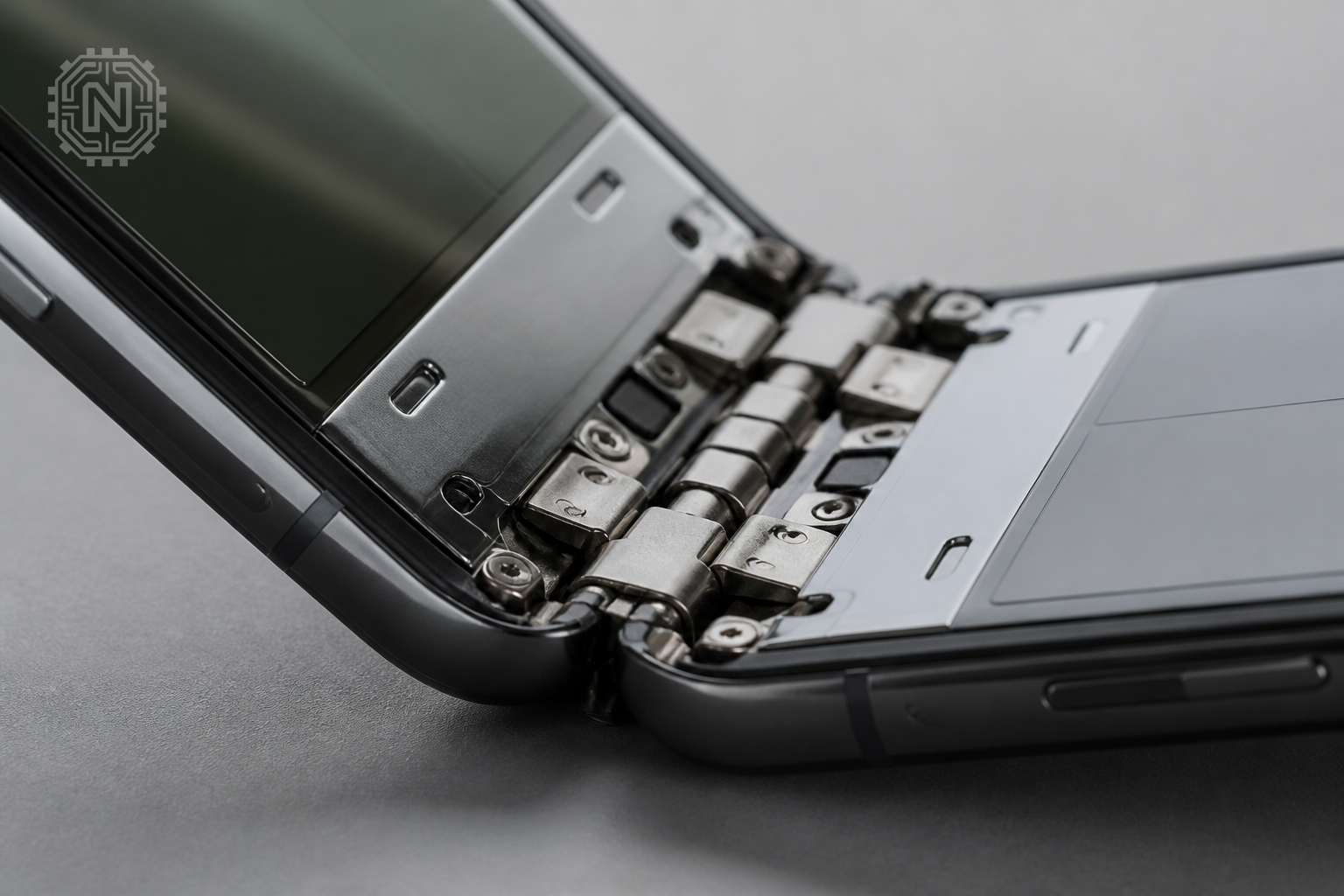
- New hinge technology improves fold durability and screen protection.
- Foldables now feature ultra-thin glass and waterproofing.
- Mainstream adoption driven by improved software and apps.
- Future outlook suggests even more compact foldable devices.
As 2026 unfolds, smartphone foldables are no longer niche gadgets but mainstream contenders. These devices combine the portability of a phone with the expanded real estate of a tablet, thanks to innovative hinge and display tech. The latest models from Samsung, Huawei, and Oppo are setting new standards for durability, performance, and style.
This year’s foldable smartphones are more than just flexible screens—they’re a glimpse into the future of mobile design, with stronger hinges, ultra-thin glass, and enhanced waterproofing making them more practical than ever. For anyone considering an upgrade, understanding these advancements is crucial to choosing a device that lasts and performs.
H2: Smartphone Foldables 2026: The Evolution and Core Features
Foldable smartphones have transitioned from experimental concepts to essential tools for tech-savvy users. In 2026, these devices boast fold resilience exceeding 200,000 cycles, thanks to innovations in hinge engineering and flexible display materials. Notably, Samsung’s Galaxy Z Fold 5 and Huawei’s Mate X3 lead the market, offering users larger screens that fold into pocket-sized devices.
These phones utilize ultra-thin glass layered over OLED panels, ensuring durability without sacrificing flexibility. Waterproofing standards now match those of flagship smartphones, making foldables more suited for daily use in diverse environments. For a detailed comparison of top models, see our foldable models guide.
Behind the scenes, manufacturers are refining hinge mechanisms—some using water-resistant designs, others employing magnetic locking systems for smoother operation. Software optimization, including multi-window support and app scaling, ensures that foldables deliver a seamless user experience. You can explore more about the technology on Android’s foldable support.
Key Foldable Tech Facts 2026
- Hinge durability surpasses 200,000 folds
- Ultra-thin glass used in most flagship models
- Waterproof ratings now reach IP68
- Battery technology supports larger screens without sacrificing life
- Software improvements enable better multitasking
"The advancements in hinge durability and flexible display tech are making foldables more reliable and mainstream in 2026."
Industry Analyst
H2: What Are the Best Foldable Smartphones of 2026?
Choosing the best foldable smartphone depends on factors like display size, hinge durability, software ecosystem, and price. Samsung’s Galaxy Z Fold 5 remains the leader, offering a 7.6-inch main screen with a sleek design and improved crease technology. Huawei’s Mate X3 stands out for its ultra-lightweight build and seamless fold.
Oppo’s Find N2 Flip offers a compact form factor with a clamshell design, perfect for users wanting a pocketable foldable. Meanwhile, newcomers like Xiaomi and Motorola are introducing models with innovative form factors and competitive pricing. For a detailed comparison, see our top foldables of 2026.
Price ranges vary from premium flagship levels to more accessible options, but all aim to improve longevity and user experience. As foldables become more mainstream, expect prices to stabilize and software support to expand, making these devices more appealing to a broader audience.
Pros and Cons of 2026 Foldables
- Pros: Larger screens, compact form, innovative design
- Cons: Higher cost, hinge wear over time, app compatibility issues
"The best foldable phones in 2026 combine durability, innovation, and affordability, appealing to both early adopters and mainstream users."
Tech Industry Expert
H2: How Do Foldable Phones Work — The Mechanics Behind Flexibility
Foldable smartphones rely on flexible OLED displays paired with resilient hinge mechanisms. The OLED layers are crafted on ultra-thin glass or plastic substrates, allowing the screen to bend without cracking. The hinge, often made of metal or durable polymers, guides the fold and prevents debris ingress.
Some models use water-resistant hinges with sealing gaskets, while others employ magnetic locking systems for smoother operation. The software plays a crucial role, adapting UI elements to different screen states and ensuring multitasking remains fluid. For a deeper technical dive, visit Wikipedia’s foldable tech article.
Manufacturers are also experimenting with rollable displays and dual-hinge designs to further improve compactness and durability. This ongoing innovation promises even more advanced form factors in future models.
Did You Know?
- Some foldables can withstand over 200,000 folds
- Flexible OLEDs are made with organic compounds that bend without cracking
- Hinge sealing technology prevents water and dust ingress
H2: Official Statements and Market Reactions in 2026
Major manufacturers like Samsung and Huawei have emphasized their commitment to durability and software optimization during 2026 launches. Samsung’s VP of Mobile explained that their Galaxy Z Fold 5 features a new hinge design tested for over 200,000 folds with minimal wear.
Analysts note that foldable phones are moving from niche to mainstream, with prices gradually dropping and ecosystem support expanding. Industry leaders are also pushing for better app optimization, ensuring a seamless experience across all foldable devices.
For more insights, see Samsung Newsroom and Huawei’s official press releases.
"The foldable market in 2026 is characterized by increased durability, software improvements, and broader consumer acceptance."
Market Analyst
H2: Practical Implications and What It Means for Users
For consumers, foldable smartphones now offer more reliable performance and longer lifespan. Improved hinge technology and waterproofing mean users can confidently use these devices daily, even in challenging environments.
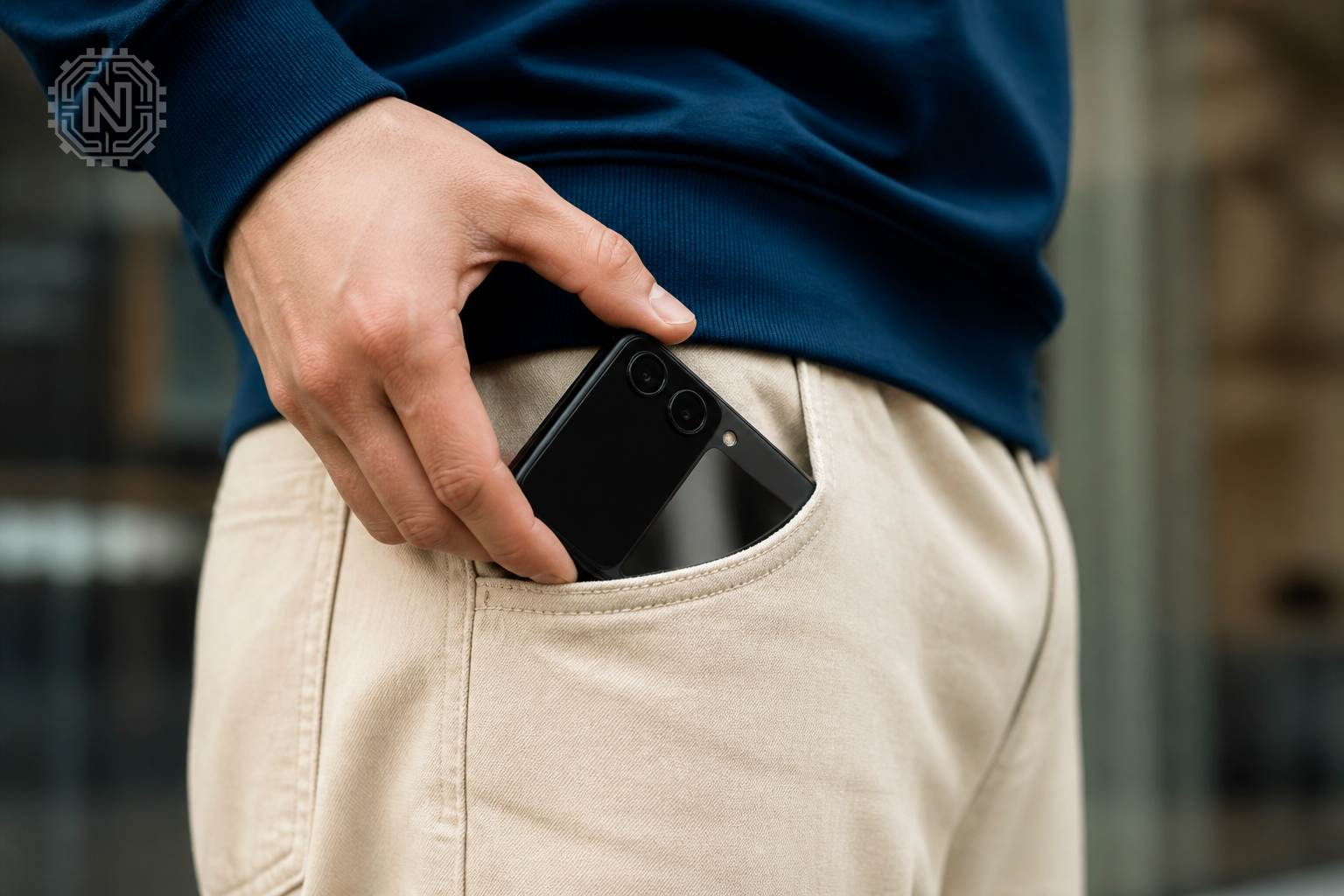
Multitasking capabilities and larger screens enhance productivity, making foldables suitable for work and entertainment alike. However, higher costs and repair complexities remain challenges for some users.
Tech enthusiasts should consider how foldable features align with their needs, especially for portability versus screen size. To learn more about smartphone accessories and repairs, visit our Tech News section.
Why Foldables Matter in 2026
- They combine portability with tablet-like screens
- Durability improvements make them practical daily devices
- Growing app ecosystem enhances usability
- Prices are dropping, broadening adoption
H2: Future Outlook — What’s Next for Foldable Smartphones?
Looking ahead, foldable smartphones are expected to become even more compact, with rollable and stretchable displays entering the market. Innovations in battery tech will support larger screens without increasing device bulk.
Manufacturers are exploring new hinge materials and sealing techniques to improve longevity further. Software will continue to evolve, enabling more complex multitasking and seamless app experiences across different fold states.
As consumer demand grows, expect more brands to enter the foldable space, offering a wider range of designs and price points. For the latest updates, follow our Tech News.
Editorial Sources
Conclusion
Foldable smartphones in 2026 are now more durable, versatile, and accessible than ever. With ongoing innovations in hinge technology and flexible displays, these devices are set to become standard in mobile tech, offering users a compelling blend of portability and large-screen functionality.
Frequently Asked Questions
Are foldable smartphones reliable in 2026?
Yes, thanks to improved hinge durability and flexible display technology, foldables are now more reliable for daily use.
What is the best foldable phone in 2026?
Samsung Galaxy Z Fold 5 is widely considered the top model, offering a large, durable display and advanced features.
How long do foldable hinges last?
Most foldable hinges are rated for over 200,000 folds, equivalent to several years of daily use.
Are foldable phones waterproof in 2026?
Yes, many models now feature IP68 water resistance, making them suitable for various environments.
What are the main challenges with foldables?
Hinge wear, higher cost, and app compatibility are ongoing issues, but improvements are rapidly addressing these.
Will foldable phones become cheaper?
Prices are expected to stabilize and decrease as manufacturing scales up and technology matures.
Can foldable phones handle multitasking?
Absolutely, enhanced software now allows seamless multitasking and app use across different screen modes.
What future innovations are expected?
Rollable displays, stretchable screens, and even more compact designs are on the horizon. For more on Gadgets, explore Newtechzy. You can also review our Privacy Policy and Cookie Policy, or learn more About us.
Related Topics
Explore the latest foldable smartphones and find the perfect device for your needs. Stay updated with our in-depth reviews and guides.
Start Your Journey Today!


