


Quick Summary
- Samsung introduced the Galaxy Z Fold8 Ultra, Galaxy Z Fold8 and Galaxy Z Flip8 on July 22, 2026.
- The Galaxy Z Fold8 Ultra is the strongest premium pick for a large display, advanced cameras and high-end productivity.
- The HONOR Magic V6 prioritizes a slim body and a large 6,660mAh battery, while the OPPO Find N6 combines an 8.12-inch inner screen with a 200MP main camera.
- Google's Pixel 10 Pro Fold remains a compelling choice for Pixel software, photography features and an 8-inch inner display.
- Foldable prices, warranty coverage, storage options and network compatibility vary significantly by country.
- Buy based on form factor, repair support and everyday software experience—not headline specifications alone.
Foldable smartphones in 2026 are no longer defined by a single design. Buyers can choose a tablet-style book fold for productivity, a compact flip phone for portability, or a premium camera-focused foldable that aims to replace both a phone and a small tablet.
This guide compares the most relevant foldable phones available or officially announced as of August 3, 2026. It focuses on verified specifications, real buying considerations and regional availability rather than unsupported market forecasts.
Best foldable phones in 2026 at a glance
| Model | Display setup | Key hardware | Best for |
|---|---|---|---|
| Samsung Galaxy Z Fold8 Ultra | 8.0-inch main, 6.5-inch cover | Snapdragon 8 Elite Gen 5 for Galaxy, 200MP main camera, 5,000mAh battery, 215g | Premium productivity, cameras and large-screen multitasking |
| Samsung Galaxy Z Fold8 | 7.6-inch main, 5.5-inch cover | Snapdragon 8 Elite Gen 5 for Galaxy, dual 50MP wide and ultrawide cameras, 4,800mAh battery, 201g | A lighter Samsung foldable with a distinctive compact form |
| HONOR Magic V6 | 7.95-inch main, 6.5-inch cover | Snapdragon 8 Elite Gen 5, 6,660mAh battery, 8.75mm folded thickness, IP68/IP69 | Battery capacity and a slim book-style design |
| OPPO Find N6 | 8.12-inch main, 6.62-inch cover | Snapdragon 8 Elite Gen 5, 200MP main camera, 6,000mAh battery, 80W wired charging | Camera hardware, charging and a large inner display |
| Google Pixel 10 Pro Fold | 8.0-inch main, 6.4-inch cover | Google Tensor G5, 16GB RAM, 5,015mAh battery, 5x telephoto camera | Pixel software, Google AI features and computational photography |
| Samsung Galaxy Z Flip8 | 6.9-inch main, 4.1-inch cover | Snapdragon 8 Elite Gen 5 for Galaxy, 4,300mAh battery, 180g | A pocket-friendly clamshell foldable |
Important: manufacturer specifications do not tell the whole story. Software support, repair options, local warranty, app compatibility and carrier bands can matter more than a small difference in thickness or benchmark performance.
Best picks by use case
- Best premium book-style foldable: Samsung Galaxy Z Fold8 Ultra.
- Best for battery capacity: HONOR Magic V6.
- Best for camera hardware and fast charging: OPPO Find N6.
- Best for Pixel software: Google Pixel 10 Pro Fold.
- Best compact foldable: Samsung Galaxy Z Flip8.
Samsung Galaxy Z Fold8 series and Z Flip8
Samsung's 2026 foldable lineup includes three distinct devices: the Galaxy Z Fold8 Ultra, the smaller Galaxy Z Fold8 and the clamshell-style Galaxy Z Flip8. Samsung unveiled the lineup on July 22, 2026, so long-term durability and battery-life conclusions should be treated cautiously until the phones have been used widely outside controlled testing.
Galaxy Z Fold8 Ultra: the flagship choice
The Galaxy Z Fold8 Ultra uses an 8.0-inch main display and a 6.5-inch cover display. It weighs 215g and measures 8.9mm when folded. Its rear camera system is led by a 200MP wide camera, supported by a 50MP ultrawide and a 10MP telephoto camera with 3x optical zoom. Samsung lists a 5,000mAh typical battery and the Snapdragon 8 Elite Gen 5 for Galaxy platform.
This is the strongest fit for users who want a foldable for documents, side-by-side apps, media and high-end cameras. The trade-offs are likely to be premium pricing and higher repair costs than a conventional flagship phone.
Galaxy Z Fold8: a smaller interpretation of the book fold
The standard Galaxy Z Fold8 takes a different approach with a 7.6-inch main display and a 5.5-inch cover display. At 201g, it is lighter than the Ultra model. Samsung lists a 4,800mAh battery, a 50MP wide camera, a 50MP ultrawide camera and the same Snapdragon 8 Elite Gen 5 for Galaxy platform.
The compact proportions may appeal to buyers who want a foldable that is easier to carry, but the narrower use case means shoppers should handle the phone in person before buying. Screen proportions can change how websites, games, keyboards and split-screen apps feel.
Galaxy Z Flip8: the compact option
The Galaxy Z Flip8 is a pocketable clamshell phone with a 6.9-inch main display and a 4.1-inch cover display. It weighs 180g and carries a 4,300mAh typical battery. It is better suited to buyers who value portability and quick cover-screen interactions more than tablet-style multitasking.
Official specifications and availability are listed on Samsung Global Newsroom.
HONOR Magic V6: slim design with a large battery
The HONOR Magic V6 stands out for combining a large 6,660mAh typical battery with a body that HONOR lists at 8.75mm when folded. It uses the Snapdragon 8 Elite Gen 5 Mobile Platform and offers a 7.95-inch inner display with a 6.5-inch cover display.
HONOR also lists IP68 and IP69 ratings. Those ratings improve confidence around dust and water exposure under specified laboratory conditions, but they do not make the device damage-proof. Warranty exclusions can still apply to liquid damage, impact damage and improper use.
The Magic V6 is a strong candidate for users who prioritize battery capacity, display size and thinness. Buyers should confirm local software features, service-center coverage, eSIM support and warranty terms because availability differs by market.
See the HONOR Magic V6 specifications for regional configurations.
OPPO Find N6: camera-focused hardware and fast charging
The OPPO Find N6 pairs an 8.12-inch inner AMOLED display with a 6.62-inch cover display, both supporting an adaptive refresh rate of up to 120Hz. The phone is approximately 8.93mm thick when folded and weighs about 225g.
Its rear camera setup includes a 200MP wide camera, a 50MP ultrawide camera and a 50MP telephoto camera. OPPO lists a 6,000mAh typical battery, up to 80W wired charging and up to 50W wireless charging. It uses the Snapdragon 8 Elite Gen 5 Mobile Platform and ColorOS 16.
OPPO globally announced the Find N6 in March 2026, but retail availability still depends on country and carrier. Importing a model can create problems with warranty service, network bands, mobile payments and regional software.
Review the complete OPPO Find N6 specifications before purchasing.
Google Pixel 10 Pro Fold: the software-first choice
The Google Pixel 10 Pro Fold remains Google's current foldable as of August 3, 2026. It has a 6.4-inch cover display and an 8.0-inch internal folding display, both reaching up to 120Hz. Google lists 16GB of RAM, the Tensor G5 processor and a 5,015mAh typical battery.
The rear camera system combines a 48MP wide camera, a 10.5MP ultrawide camera and a 10.8MP 5x telephoto camera. The Pixel's main appeal is not the largest camera sensor or thinnest chassis; it is the integration of Google's Android experience, security features, photography tools and Pixel-exclusive software.
At 258g and 10.8mm folded, it is heavier and thicker than several 2026 rivals. It makes the most sense for buyers who prioritize the Pixel ecosystem and guaranteed local support over the lightest possible hardware.
Google publishes full details on its Pixel hardware specifications page.
How foldable displays and hinges work
Foldable phones use flexible OLED panels because OLED pixels emit their own light and do not require the same rigid backlight structure used by traditional LCD panels. The display stack may include ultra-thin glass, polymer layers, adhesives and a factory-installed protective film.
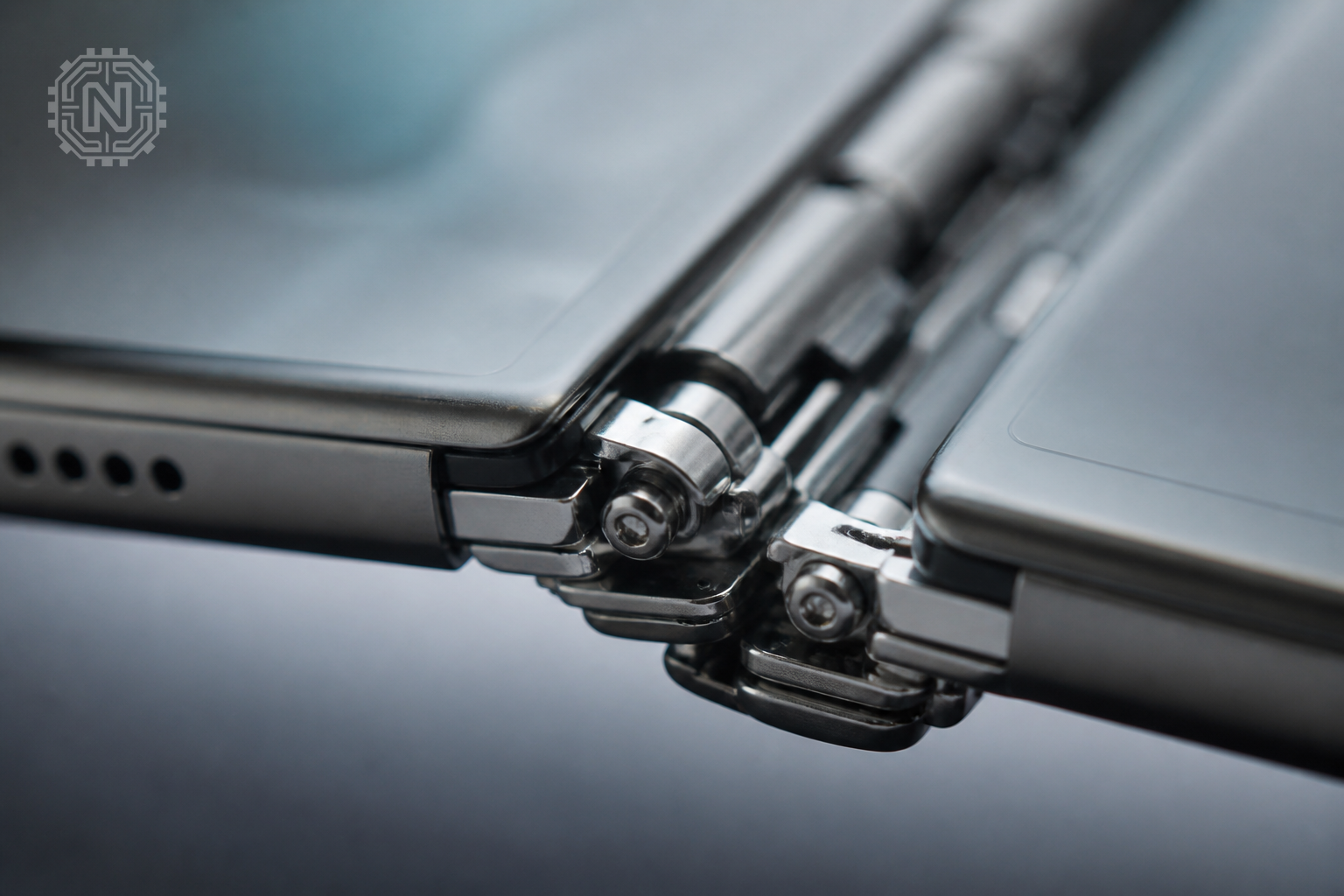
The hinge controls the bend radius and supports the screen as the device opens and closes. A well-designed hinge also helps the phone stay open at useful angles, reduces stress on the panel and limits debris entering moving parts. A visible crease is still normal on current foldables and can look more noticeable under direct light or at certain viewing angles.
Durability claims should be read carefully. Fold-cycle numbers are normally based on manufacturer or certification-lab procedures and do not reproduce every real-world factor, such as drops, grit, heat, pressure, moisture or damage to the screen protector.
Foldable durability facts
- A high fold-cycle rating does not guarantee survival after a drop or impact.
- Do not remove the factory-installed inner-screen film unless the manufacturer or an authorized service center instructs you to do so.
- Dust resistance, water resistance and waterproofing are not the same claim.
- The inner display is generally more delicate than conventional cover glass.
- Repair prices and accidental-damage plans should be checked before purchase.
What to check before buying a foldable phone
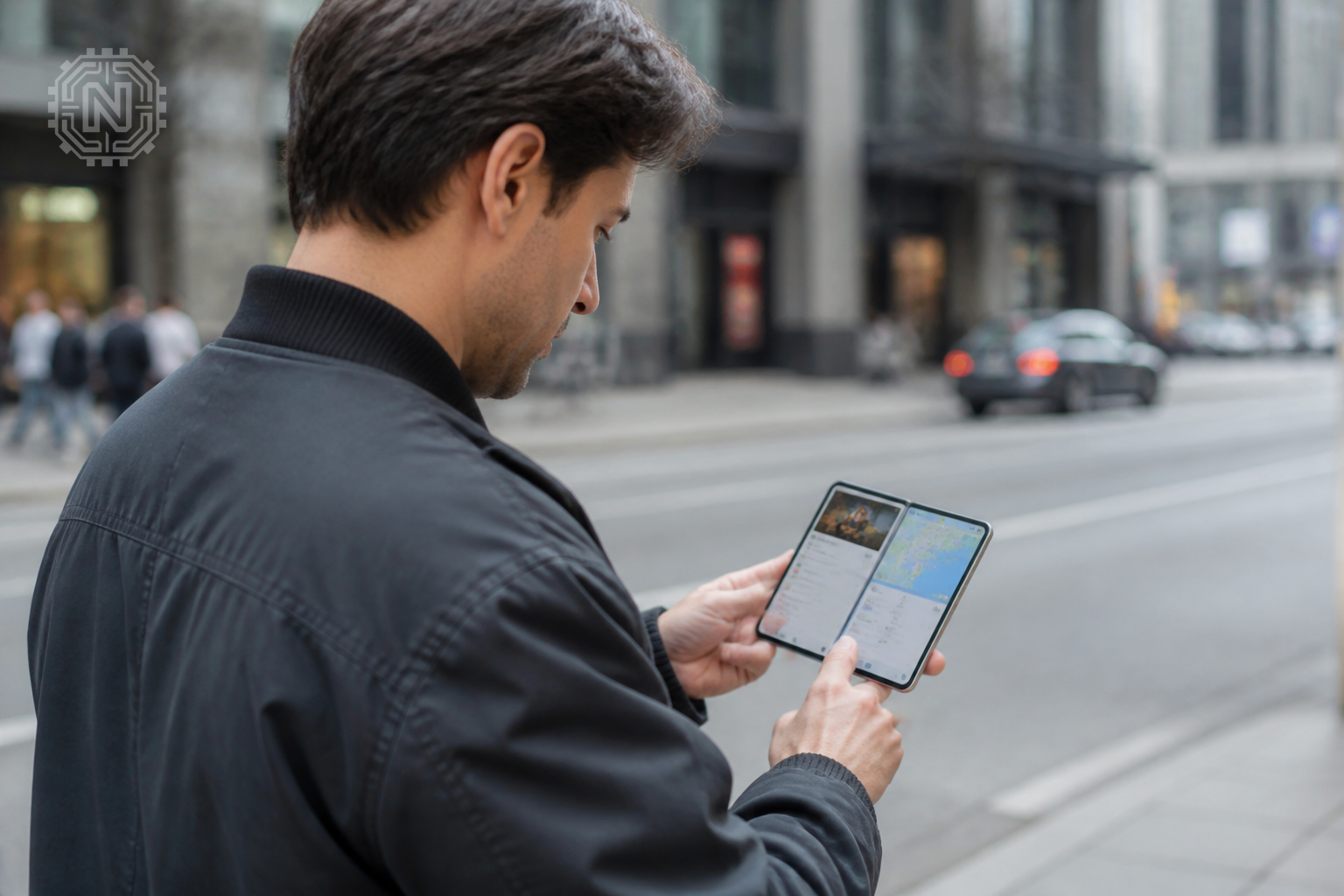
A foldable phone should be evaluated as a complete ownership package. The best model on paper may be a poor choice when local repairs, accessories or network features are limited.
1. Choose the right form factor
Book-style foldables are best for reading, spreadsheets, multitasking and video. Flip phones are easier to carry but do not provide the same tablet-like workspace.
2. Test both screens
Check whether the cover display is comfortable for typing, maps and messaging. Then test the inner screen with the apps you use most. Unusual aspect ratios can create black bars, stretched interfaces or inefficient layouts.
3. Confirm repair and warranty support
Ask whether the inner display, hinge, battery and screen protector are covered. Confirm the nearest authorized repair center, estimated turnaround times and accidental-damage options.
4. Check software support and multitasking
Look for a clear update policy and useful large-screen features such as app pairs, taskbars, drag-and-drop, floating windows and split-screen controls. Also check whether banking, payment and work apps support the device in your country.
5. Compare battery life, not only capacity
A larger battery does not automatically mean longer runtime. Display size, processor tuning, modem efficiency, software and usage patterns all affect real battery life.
6. Verify network bands and regional features
Imported phones may lack supported 5G bands, eSIM, Wi-Fi calling, call recording, satellite features, mobile payments or local language services. Buy the official regional model whenever possible.
7. Budget for accessories and protection
Foldable cases are more complex and can be expensive. Some designs protect the hinge; others leave it exposed. Check wireless charging, magnetic accessory support, stylus compatibility and case availability before ordering.
Foldable phones: advantages and trade-offs
- Advantages: larger working area, better multitasking, compact tablet-like experience and distinctive form factors.
- Trade-offs: higher purchase and repair costs, more delicate inner screens, visible creases, added weight and region-dependent support.
Which foldable phone should you buy?
Choose the Galaxy Z Fold8 Ultra for Samsung's most advanced foldable hardware and the biggest productivity focus. Pick the HONOR Magic V6 when battery capacity and thinness are priorities. Consider the OPPO Find N6 for strong camera specifications and fast charging, or the Pixel 10 Pro Fold for Google's software and photography experience. The Galaxy Z Flip8 is the better fit when pocketability matters more than tablet-style multitasking.
Because several 2026 models are newly launched, independent long-term testing may change the ranking. The safest purchase is an officially sold regional model with clear warranty coverage and accessible repairs.
Editorial Sources
Frequently Asked Questions
What is the best foldable phone in 2026?
The Samsung Galaxy Z Fold8 Ultra is the strongest all-round premium option based on its 8-inch display, 200MP main camera, 5,000mAh battery and productivity-focused design. The best choice still depends on local price, warranty and intended use.
Which 2026 foldable has the largest battery?
Among the models compared here, the HONOR Magic V6 has the largest listed typical capacity at 6,660mAh. Real battery life can differ because screen size, software and network conditions also affect power use.
Are foldable phones durable enough for daily use?
Modern foldables are designed for everyday opening and closing, but their inner displays and hinges remain more complex than conventional phones. A protective case, careful handling and local repair coverage are strongly recommended.
Is a foldable phone waterproof?
No foldable should be treated as waterproof. Some models carry water- and dust-resistance ratings under controlled conditions, but protection can decrease with wear and may not cover all liquid or debris damage.
Should I buy a book-style foldable or a flip phone?
Choose a book-style foldable for multitasking, reading and tablet-like use. Choose a flip phone for portability, one-handed carrying and quick cover-screen interactions.
Can the crease on a foldable display disappear?
Current foldable displays usually retain some visible or tactile crease. New hinge and display designs can make it less noticeable, but lighting and viewing angle still affect visibility.
Is it safe to import a foldable phone?
Importing can work, but it may limit warranty service, network compatibility, eSIM, mobile payments and software features. An officially sold regional model is generally the safer purchase.
How long should a foldable phone last?
There is no universal lifespan. Longevity depends on hinge quality, screen care, battery aging, drops, dust exposure, repair access and software support. Manufacturer fold-cycle tests are useful but do not guarantee a specific number of years.
Related Topics
Explore More Gadget Guides
Compare the latest smartphones, laptops and consumer technology with practical buying advice from Newtechzy.
Explore Gadgets


