


Quick Summary
- 2026 smartphone cameras feature larger sensors and improved optics.
- AI-driven photography enhances image quality and user experience.
- Multiple lenses and sensors enable versatile shooting modes.
- New stabilization and low-light tech boost photo clarity.
- Manufacturers focus on computational photography advances.
- Future outlook includes foldable and multi-sensor devices.
Smartphone cameras in 2026 are transforming mobile photography with breakthroughs in sensors, AI, and hardware design. These innovations are making high-quality photos more accessible than ever, even for casual users.
This article explores the key features, technological advances, and what they mean for everyday photography and professional use, highlighting the most exciting trends shaping the market.
H2: Smartphone Cameras 2026: The Evolution of Mobile Photography
Over the past few years, smartphone camera technology has seen rapid evolution, culminating in 2026 with unprecedented image quality and versatility. Leading brands like Samsung, Apple, and Google are deploying larger sensors, advanced optics, and AI-powered features to set new standards.
These developments are driven by consumer demand for professional-grade photos from devices that fit in a pocket. The focus now is on sensor size, computational photography, and multi-lens systems that mimic DSLR capabilities.
For a comprehensive overview of current top models, see our foldable smartphone guide or explore the latest foldable camera tech.
Key Camera Tech in 2026
- Sensor sizes have increased, reaching up to 1-inch in flagship phones.
- AI-driven image processing enhances low-light and portrait shots.
- Multiple lenses enable ultra-wide, telephoto, and macro modes.
- Computational photography creates bokeh effects and HDR imaging.
- Stabilization tech now includes sensor-shift and optical stabilization.
"The integration of larger sensors and AI has truly elevated smartphone photography to professional levels."
Senior Tech Analyst
H2: What Are the Core Features of Smartphone Cameras in 2026?
Smartphone cameras in 2026 are distinguished by several core features that significantly impact user experience. Larger sensors capture more light, improving image clarity and color accuracy, especially in challenging conditions.
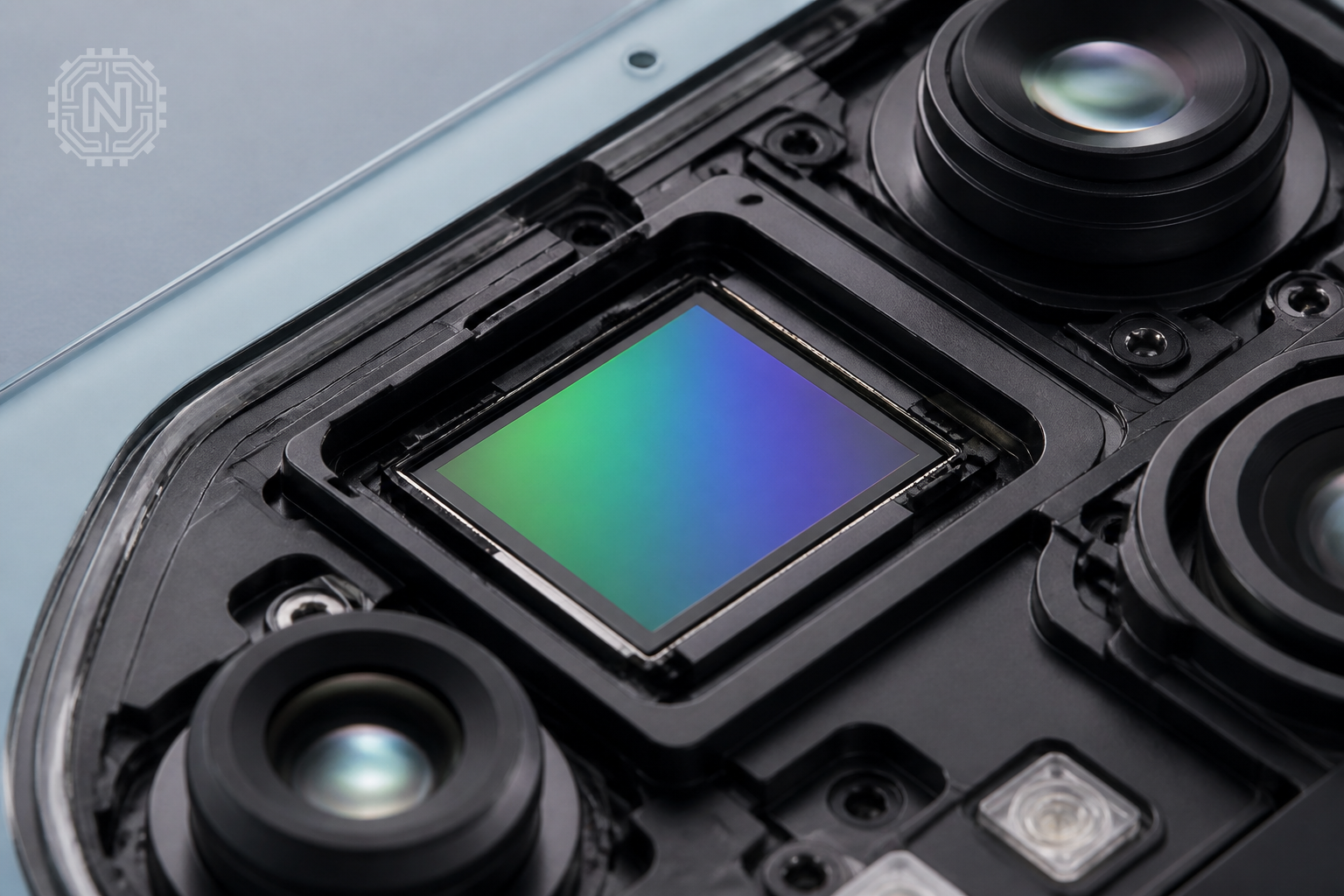
AI processing now automates scene detection, adjusts settings in real-time, and offers advanced editing tools directly within the camera app. This means users get high-quality results with minimal effort.
Another key development is the proliferation of multiple lenses, such as ultra-wide, telephoto, and macro, providing versatility for different shooting scenarios. Many phones also include periscope-style zoom capabilities exceeding 5x optical zoom.
For detailed specifications, visit our comprehensive features overview. These innovations are reshaping what’s possible with mobile photography.
Pros and Cons of 2026 Camera Tech
- Pros: Better low-light performance, versatile shooting modes, compact design.
- Cons: Higher sensor costs, increased device complexity, battery drain concerns.
"The combination of hardware and AI is creating a new era of smartphone photography."
Industry Expert
H2: How Do AI and Computational Photography Shape 2026 Cameras?
AI and computational photography are at the heart of 2026’s camera advancements. They enable real-time scene analysis, intelligent adjustments, and sophisticated image stacking that produce clearer, more detailed photos.
For example, night modes now use multiple exposures combined through AI algorithms to produce bright, noise-free images even in complete darkness. Portrait modes employ depth mapping and background blurring with near-professional results.
These technologies are also making it easier for amateurs to take stunning photos without manual settings. For more insights, check out our AI-driven photography trends.
AI's Role in 2026 Photography
AI algorithms now analyze over 100 parameters in real-time to optimize each shot.
Smartphones can automatically enhance photos for color, contrast, and sharpness, mimicking professional editing.
"AI has become the backbone of mobile photography, enabling features once exclusive to high-end cameras."
Tech Industry Analyst
H2: The Future of Smartphone Photography: What’s Next?
Looking ahead, expect even larger sensors, more advanced AI, and innovative optical designs that push the boundaries of mobile imaging. Foldable phones with multiple camera modules may become the norm, offering unprecedented versatility.
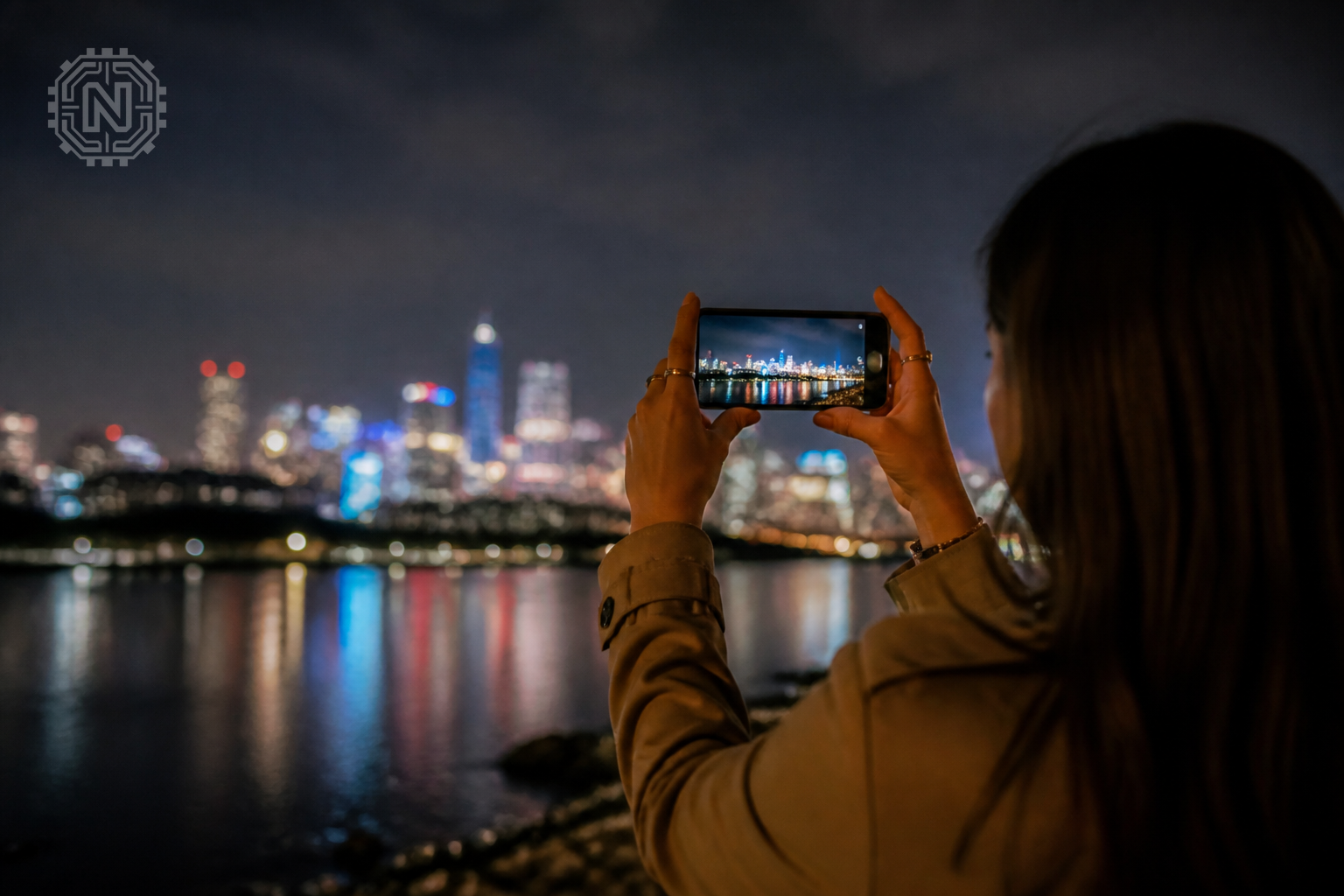
Emerging tech like quantum sensors and advanced computational algorithms promise to deliver higher dynamic ranges and more accurate color reproduction. These advancements will make smartphones even more capable of replacing dedicated cameras.
Stay tuned to our tech news section for updates on upcoming models and breakthroughs. The next few years will redefine mobile photography once again.
Editorial Sources
Conclusion
Smartphone cameras in 2026 are setting new standards with larger sensors, smarter AI, and versatile multi-lens setups. These innovations are making high-quality mobile photography accessible to everyone and hinting at even more exciting developments ahead.
Frequently Asked Questions
What are the main innovations in smartphone cameras for 2026?
Larger sensors, AI-driven processing, multi-lens setups, and advanced stabilization are the key innovations shaping 2026 smartphone photography.
How does AI improve mobile photography in 2026?
AI enhances images through scene detection, noise reduction, dynamic adjustments, and computational effects like bokeh and HDR, making photos look professional.
Are 2026 smartphone cameras better than dedicated cameras?
High-end smartphones now rival some compact cameras in quality, especially in low-light and zoom capabilities, but professional DSLRs still outperform in specialized scenarios.
What is the future outlook for smartphone camera technology?
Expect bigger sensors, quantum imaging, foldable multi-camera systems, and more sophisticated AI algorithms to further improve photo quality.
Which brands lead in smartphone camera innovation in 2026?
Samsung, Apple, Google, and Huawei are at the forefront, integrating larger sensors, AI features, and multiple lenses into their flagship devices.
How does computational photography impact everyday users?
It simplifies taking great photos by automatically optimizing settings, reducing noise, and adding creative effects without manual adjustments.
What should consumers consider when choosing a camera phone in 2026?
Look for sensor size, lens versatility, AI features, stabilization tech, and overall image processing capabilities for the best experience.
Is foldable smartphone camera technology advancing?
Yes, foldables now include multiple camera modules and larger sensors, offering new possibilities for mobile photography in flexible device designs. For more on Gadgets, explore Newtechzy. You can also review our Privacy Policy and Cookie Policy, or learn more About us.
Related Topics
Explore the latest smartphone models with cutting-edge camera features or contact us for more insights into mobile photography trends.
Start Your Journey Today!


